
Toyota RAV4 Reliability by Year: The Best and Worst Model Years Revealed
Thinking about buying a used Toyota RAV4? We break down RAV4 reliability by year, highlight the best and worst model years, and explain the common problems you should know before you buy....

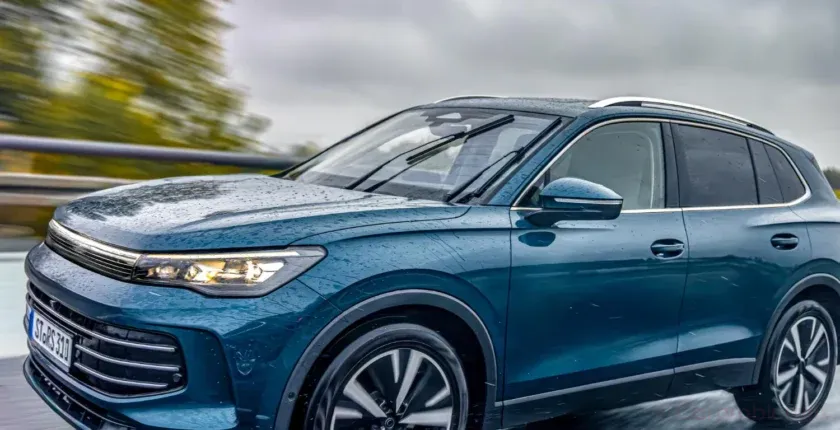
The Toyota RAV4 is one of the best-selling SUVs in the world, and for good reason: it blends practicality, fuel economy, and strong resale value. But not every RAV4 model year is created equal. Some years are rock-solid, while others are known for expensive and frustrating problems.
- 1. Why Toyota RAV4 Reliability Matters So Much
- 2. Generations of the Toyota RAV4 (Quick Overview)
- 3. The Most Reliable Toyota RAV4 Years
- 3.1. 2016–2018 RAV4: The Sweet Spot for Used Buyers
- 3.2. 2013–2015 RAV4: Solid and Simple
- 3.3. Hybrid RAV4 (2020+): Efficient and Generally Strong
- 4. The Least Reliable RAV4 Years to Approach With Caution
- 4.1. 2006–2008 RAV4: Engine and Transmission Concerns
- 4.2. 2019 RAV4: First-Year 5th Generation Bugs
- 4.3. Early 2000s RAV4 (2001–2003): Aging Electronics and Transmission Control
- 5. Common Toyota RAV4 Problems by Category
- 5.1. 1. Engine & Drivetrain Issues
- 5.2. 2. Suspension, Steering & Brakes
- 5.3. 3. HVAC & AC System Problems
- 5.4. 4. Electronics & Infotainment
- 6. How to Choose the Best Used RAV4 for Your Needs
- 6.1. Engine and Drivetrain Choices
- 6.2. FWD vs AWD
- 6.3. Trim Levels and Features
- 7. Pre-Purchase Inspection Checklist for a Used RAV4
- 7.1. 1. Exterior & Body
- 7.2. 2. Engine Bay
- 7.3. 3. Test Drive
- 7.4. 4. Interior & Electronics
- 7.5. 5. Documentation
- 8. How Long Does a Toyota RAV4 Typically Last?
- 9. Best Toyota RAV4 Years: Quick Summary
If you’re shopping for a used RAV4—or wondering how long your current one will last—this detailed reliability guide will walk you through the best and worst Toyota RAV4 years, common issues, and what to look for on a test drive.
Why Toyota RAV4 Reliability Matters So Much
Compact SUVs like the RAV4 are often family haulers and daily commuters. That means:

- High mileage is common – 15,000+ miles per year isn’t unusual.
- Repairs can add up quickly – especially transmission, engine, and AWD system issues.
- Resale value depends on reputation – a problematic model year can be thousands cheaper than a reliable one.
Understanding which RAV4 years to target—and which to avoid—can save you serious money and headaches over the life of the vehicle.
Generations of the Toyota RAV4 (Quick Overview)
The RAV4 has gone through several generations, each with its own strengths and weak spots:
- 1st Generation (1996–2000) – Small, simple, and generally reliable but now very old.
- 2nd Generation (2001–2005) – More refined, but some early automatic transmission control issues.
- 3rd Generation (2006–2012) – Bigger, V6 option, some engine and transmission concerns.
- 4th Generation (2013–2018) – More modern, strong reliability overall, popular in the used market.
- 5th Generation (2019–present) – Bold styling, advanced safety tech, some early-year teething problems.
The Most Reliable Toyota RAV4 Years
While individual vehicles vary, certain RAV4 model years consistently stand out for low complaint counts, fewer major repairs, and strong owner satisfaction.
2016–2018 RAV4: The Sweet Spot for Used Buyers
The 2016–2018 RAV4 models are widely regarded as some of the most reliable compact SUVs on the used market. They benefit from years of refinement in the 4th generation and avoid many of the early issues seen in the 5th generation.
- Engine & transmission: The 2.5L four-cylinder with a conventional 6-speed automatic is simple and proven. Major drivetrain failures are rare when maintenance is kept up.
- Electronics: Fewer infotainment glitches than later models with more complex systems.
- Safety: Toyota Safety Sense (TSS) became more widely available, adding adaptive cruise, lane departure warning, and automatic emergency braking.
What to watch for:
- Suspension wear – At higher mileage, expect struts, shocks, and bushings to be tired. Worn suspension can cause vibrations or a loose steering feel, similar to what you might notice in a car that shakes when accelerating.
- Interior wear – Seat fabric and plastics can show age, especially on high-mileage fleet or rideshare vehicles.
2013–2015 RAV4: Solid and Simple
The early 4th-generation RAV4 (2013–2015) is another strong pick if you’re on a tighter budget.
- Drivetrain: Same 2.5L engine and 6-speed automatic combination, with generally low failure rates.
- Fewer complex features: Less tech means fewer things to break, especially on base trims.
What to watch for:
- Road noise and ride comfort – Earlier 4th-gen models can feel a bit less refined than 2016–2018, with more wind and tire noise.
- Steering feel – Some owners report slightly vague steering, especially if alignment or suspension maintenance has been neglected. If you feel vibrations under braking, it’s worth reading up on steering wheel shake when braking.
Hybrid RAV4 (2020+): Efficient and Generally Strong
The RAV4 Hybrid, especially from 2020 onward, has been praised for its combination of fuel economy and performance. Toyota’s hybrid systems have a long track record of reliability.
- Excellent MPG – Often 35–40+ mpg combined in real-world driving.
- Electric AWD system – Rear electric motor adds traction without a complex mechanical AWD system.
What to watch for:
- Higher purchase price – Hybrids often cost more upfront, even used.
- Battery longevity – Hybrid batteries are generally durable, but out-of-warranty replacements can be expensive. Ask for service records and any hybrid system warranty information.
The Least Reliable RAV4 Years to Approach With Caution
No vehicle is perfect, and the RAV4 has a few model years that are more trouble-prone than others. These aren’t guaranteed disasters, but they do carry higher risk.
2006–2008 RAV4: Engine and Transmission Concerns
The 3rd-generation RAV4 brought more power and space, but the early years (especially 2006–2008) are known for several issues:
- Excessive oil consumption – Some 2.4L engines are known to burn oil between changes. If ignored, this can lead to engine damage.
- Automatic transmission issues – Harsh shifting or hesitation can occur, particularly if fluid changes were skipped.
- V6 models – The 3.5L V6 is strong and quick, but more complex and potentially more expensive to repair.
Buying tips for 2006–2008:
- Check the oil level and condition before and after a long test drive.
- Ask the owner about oil consumption and service intervals.
- Pay attention to any hesitation, slipping, or harsh shifts in the transmission.
2019 RAV4: First-Year 5th Generation Bugs
The 2019 RAV4 kicked off the 5th generation with bold styling and a more modern cabin. However, as with many first-year redesigns, it has more reported issues than the later years.
- Transmission behavior – Some owners report rough or indecisive shifting from the 8-speed automatic, especially at low speeds or during light acceleration.
- Infotainment glitches – Freezing screens, Bluetooth issues, and occasional system reboots.
- Wind noise – Certain trims and builds have noticeable wind noise at highway speeds.
Buying tips for 2019:
- Ensure all software updates and TSBs (Technical Service Bulletins) have been performed.
- Take an extended test drive that includes stop-and-go traffic and highway speeds to evaluate shifting and noise.
Early 2000s RAV4 (2001–2003): Aging Electronics and Transmission Control
Early 2nd-generation RAV4 models are now old enough that age-related issues become more important than mileage alone.
- ECU and transmission control issues – Some early 2000s RAV4s had problems with the engine control unit affecting transmission shifting.
- Rust and wear – Depending on climate, rust on the underbody and suspension components can be a concern.
These can still be decent budget vehicles if you find one with excellent maintenance history, but they’re not ideal if you want a low-hassle daily driver.
Common Toyota RAV4 Problems by Category
Even in reliable years, certain issues show up more often. Knowing what to look for helps you catch problems early—or avoid a bad purchase.
1. Engine & Drivetrain Issues
- Oil consumption (3rd gen, especially 2006–2008) – Check for blue smoke on startup, low oil level, or a burning oil smell.
- Transmission hesitation or rough shifting – More common in early 5th-gen (2019) and neglected older models. During a test drive, accelerate smoothly and see if the transmission responds promptly or “hunts” for gears.
- Vibrations under load – Worn engine mounts, CV joints, or axles can cause the RAV4 to shudder under acceleration. If you notice this, it’s worth comparing symptoms with a guide on car shaking when accelerating.
2. Suspension, Steering & Brakes
- Worn struts and shocks – Common on higher-mileage RAV4s. Symptoms include excessive bouncing, nose-diving under braking, and uneven tire wear.
- Steering wheel vibration – Warped brake rotors or worn suspension components can cause the steering wheel to shake when braking or at certain speeds. If you encounter this, a detailed diagnosis like in a steering wheel shake guide is helpful.
- Wheel bearings – A humming or growling noise that changes with speed can indicate a failing wheel bearing.
3. HVAC & AC System Problems
- Weak or warm AC – As RAV4s age, AC performance can drop due to low refrigerant, a failing compressor, or a clogged condenser.
- Blower motor noise – Leaves and debris in the blower fan can cause rattling or squeaking sounds.
If your RAV4’s air conditioning isn’t keeping up, it’s worth reviewing a detailed guide on car AC not blowing cold air to understand likely causes and repair costs.
4. Electronics & Infotainment
- Infotainment glitches (2019+) – Random reboots, frozen screens, or Bluetooth disconnects. Many issues can be improved with software updates.
- Backup camera issues – Flickering or no image can be due to a failing camera or wiring problems.
- Keyless entry/start problems – Weak key fob batteries or faulty sensors can cause intermittent no-start or no-detect issues.
How to Choose the Best Used RAV4 for Your Needs
Beyond picking a good model year, you should match the RAV4’s configuration to how you actually drive.
Engine and Drivetrain Choices
- 2.5L four-cylinder (most common) – Best balance of reliability and fuel economy. Ideal for most buyers.
- 3.5L V6 (3rd gen) – Strong performance but higher fuel consumption and more complex. Buy only with excellent maintenance records.
- Hybrid (5th gen) – Great for high-mileage commuters and city drivers who want maximum fuel savings.
FWD vs AWD
- FWD (Front-Wheel Drive) – Simpler, slightly better fuel economy, and fewer components to maintain.
- AWD (All-Wheel Drive) – Better traction in snow and rain, but more parts (differentials, driveshafts) that require periodic fluid changes.
If you live in a mild climate and mostly drive on paved roads, FWD is often sufficient. For snow-belt regions or frequent dirt-road use, AWD is worth the extra complexity.
Trim Levels and Features
Higher trims add comfort and tech, but also more potential failure points. Consider:
- LE/XLE – Simpler, fewer electronics, generally cheaper to maintain.
- Limited/Platinum – Leather, premium audio, sunroof, and more advanced features. Great if you value comfort and are prepared for possible higher repair costs down the road.
- Adventure/TRD Off-Road (5th gen) – More rugged styling and some off-road hardware, but check for signs of hard use.
Pre-Purchase Inspection Checklist for a Used RAV4
Before you commit to a used RAV4, use this checklist to spot red flags:
1. Exterior & Body
- Check for mismatched paint, panel gaps, or overspray indicating previous accidents.
- Look underneath for rust, especially on older models in snow-belt states.
2. Engine Bay
- Inspect for oil leaks around the valve cover, timing cover, and oil pan.
- Check coolant level and color; milky or rusty coolant can indicate neglect.
- Listen for ticking, knocking, or rattling noises at idle and under light revs.
3. Test Drive
- Acceleration: Ensure smooth power delivery with no hesitation or surging.
- Transmission: Shifts should be smooth and predictable. No slipping, banging, or long pauses between gears.
- Steering & brakes: The steering wheel should track straight and remain stable under braking. Any vibration or pulling should be investigated.
- Ride quality: Listen for clunks over bumps that can indicate worn suspension components.
- HVAC: Confirm the AC blows cold and the heater works properly at all fan speeds.
4. Interior & Electronics
- Test all windows, locks, mirrors, and seat adjustments.
- Check the infotainment system, Bluetooth, backup camera, and steering wheel controls.
- Verify that all warning lights come on briefly at startup and then go off. A constantly illuminated check engine light or ABS light needs diagnosis.
5. Documentation
- Ask for service records, including oil changes, transmission fluid changes, and any major repairs.
- Run a vehicle history report to check for accidents, title issues, or odometer discrepancies.
How Long Does a Toyota RAV4 Typically Last?
With proper maintenance, a RAV4 can easily reach 200,000 miles and often 250,000+ miles. Key factors that influence longevity include:
- Regular oil changes – Especially important on 3rd-gen models with known oil consumption issues.
- Transmission and differential service – Fluid changes at the recommended intervals help prevent expensive failures.
- Suspension and brake maintenance – Replacing worn components keeps the vehicle safe and comfortable to drive.
Best Toyota RAV4 Years: Quick Summary
- Best overall value: 2016–2018 RAV4 (4th gen)
- Budget-friendly but solid: 2013–2015 RAV4
- Best for fuel economy: 2020+ RAV4 Hybrid
- Years to be cautious with: 2006–2008 (oil consumption, transmission), 2019 (first-year 5th-gen bugs), early 2000s (age-related issues)
If you prioritize reliability and low running costs, focus your search on the later 4th-generation models and well-maintained 5th-generation examples. Combine smart model-year choices with a thorough inspection, and a used RAV4 can deliver years of dependable, low-stress driving.
How do you rate this guide?

Related Posts
Comments have been disabled.
