
Tire Pressure Warning Light On: Causes, Safe-Driving Tips, Diagnosis & Fixes
Learn what to do when your tire pressure warning light comes on, how urgent it is, common causes, and step‑by‑step fixes so you can drive safely and avoid blowouts....

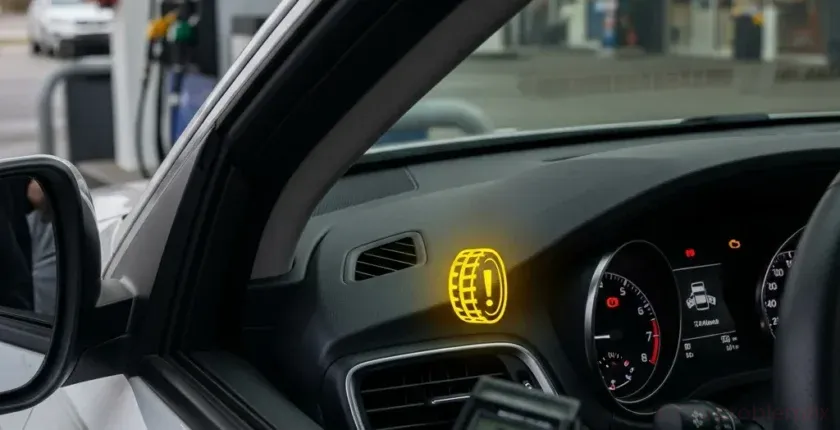
The tire pressure warning light (TPMS light) is one of the most ignored lights on the dash – until a tire blows out or you’re stuck on the side of the road. Modern cars use a Tire Pressure Monitoring System (TPMS) to warn you when one or more tires are under‑inflated or, less commonly, over‑inflated. Understanding what this light really means – and how to respond – can literally save a tire, a wheel, or even prevent a crash.
- 1. What the Tire Pressure Warning Light Looks Like
- 2. Is It Safe to Keep Driving With the Tire Pressure Light On?
- 3. Common Causes of a Tire Pressure Warning Light
- 3.1. 1. Normal Pressure Loss Over Time
- 3.2. 2. Temperature Changes (Cold Weather TPMS Light)
- 3.3. 3. Slow Leak From a Puncture
- 3.4. 4. Valve Stem or TPMS Sensor Leaks
- 3.5. 5. Recently Installed or Rotated Tires
- 3.6. 6. TPMS Sensor Battery Failure
- 3.7. 7. System Fault (Module, Antenna, or Programming Issue)
- 4. Step‑by‑Step: What to Do When the Tire Pressure Light Comes On
- 4.1. Step 1: Find a Safe Place to Stop
- 4.2. Step 2: Do a Quick Visual Check
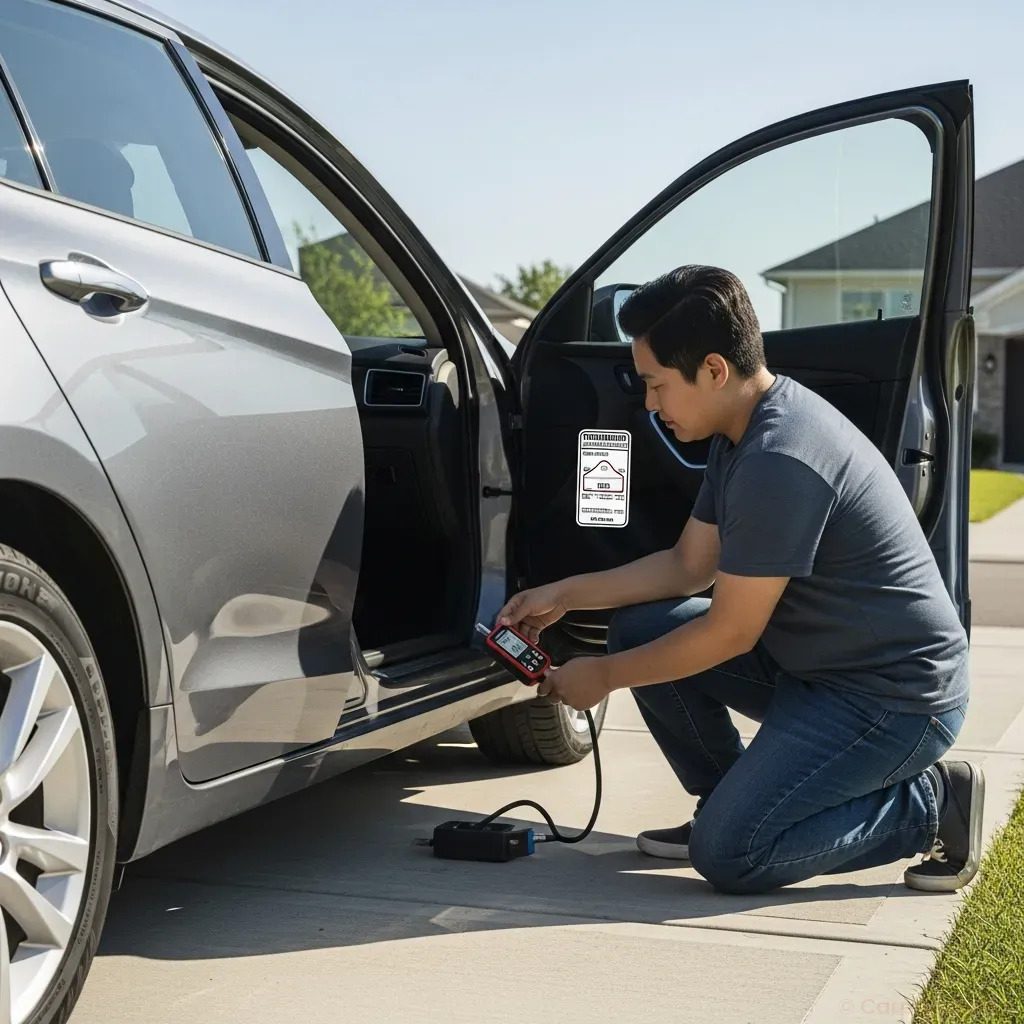
- 4.3. Step 3: Check Pressures With a Gauge (Don’t Trust Your Eyes)
- 4.4. Step 4: Adjust Pressures to Spec
- 4.5. Step 5: Drive and Let the System Recheck
- 5. Direct vs Indirect TPMS: Why It Matters
- 5.1. Direct TPMS
- 5.2. Indirect TPMS
- 6. When You Can DIY vs When to See a Shop
- 6.1. Safe DIY Tasks
- 6.2. Jobs Best Left to a Tire or Repair Shop
- 7. Preventing Future TPMS Warnings
- 8. Special Situations: Spare Tires, Winter Wheels & Aftermarket Rims
- 8.1. Spare Tires
- 8.2. Winter Tire Sets
- 8.3. Aftermarket Wheels
- 9. Key Takeaways
What the Tire Pressure Warning Light Looks Like
Most cars use one of two icons for the TPMS light:
- Horseshoe / U‑shaped symbol with an exclamation point in the middle (looks like a cross‑section of a tire).
- Top‑down view of a car with each tire shown, sometimes highlighting the low tire in yellow or red (common on some European and Japanese cars).
On many vehicles, the light will:
- Stay solid – at least one tire is significantly low or high.
- Blink for 30–60 seconds, then stay solid – the system has a fault (sensor or module problem).
Is It Safe to Keep Driving With the Tire Pressure Light On?
How urgent the TPMS light is depends on what’s happening with the tire. Use this as a general guide:
- Light just came on, car feels normal: Usually safe to drive a short distance at moderate speed to check and adjust pressures. Avoid highway speeds until you know what’s going on.
- Car pulls to one side, vibration, or obvious low tire: Slow down immediately, pull over in a safe place, and inspect the tires. Driving on a very low tire can destroy the tire and even the wheel in minutes.
- Flashing TPMS light then solid, but tires look OK: Likely a system fault. Generally safe to drive, but you’ve lost an important safety feature. Manually check tire pressures regularly until it’s fixed.
Never ignore a tire pressure warning on a fully loaded car, when towing, or at highway speeds. Under‑inflated tires build heat quickly and are much more likely to fail.
Common Causes of a Tire Pressure Warning Light
1. Normal Pressure Loss Over Time
All tires slowly lose air through the rubber and around the bead (where the tire meets the wheel). It’s normal to lose around 1–2 psi per month.
Symptoms:
- Light comes on after several months without checking pressures.
- All tires are a bit low, or one is slightly lower than the rest.
Fix: Simply adjust pressures to the recommended level (more on that below) and drive. The light should go off after a few minutes.
2. Temperature Changes (Cold Weather TPMS Light)
Tire pressure changes with temperature – about 1 psi for every 10°F. A cold snap can drop pressures enough to trigger the light even if there’s no leak.
Symptoms:
- Light comes on first thing in the morning on a cold day.
- Light sometimes goes off after driving and warming the tires.
Fix: Check and set pressures when the tires are cold (car parked for at least 3 hours, not in direct sun). Don’t rely on the light going off later – set them to the correct spec.
3. Slow Leak From a Puncture
Nails, screws, and road debris often cause slow leaks that take days or weeks to show up.
Symptoms:
- Same tire repeatedly low every few days or weeks.
- Light comes back on after you’ve already topped up the tires.
Fix:
- Inspect tread for nails/screws or cuts.
- If you see a nail in the tread area (not sidewall), many shops can patch it from the inside.
- Sidewall damage or punctures near the shoulder usually mean the tire must be replaced.
4. Valve Stem or TPMS Sensor Leaks
Many modern TPMS sensors are built into the valve stem. Corrosion, impact, or age can cause leaks.
Symptoms:
- Hissing at the valve stem when you move it.
- Cracked or corroded metal valve stem.
- Rubber valve stem split or dry‑rotted.
Fix: Replace the leaking valve stem or TPMS sensor. This usually requires a tire shop to remove and remount the tire.
5. Recently Installed or Rotated Tires
Tire work can confuse the TPMS system if sensors are damaged, swapped, or not relearned.
Symptoms:
- Light comes on soon after tire rotation, new tires, or wheel swap.
- On some cars with individual tire display, the wrong corner shows as low.
Fix:
- Verify all four pressures manually.
- Have the shop check that all TPMS sensors are present, undamaged, and properly programmed.
6. TPMS Sensor Battery Failure
Each TPMS sensor has a small internal battery, typically lasting 7–10 years. When it dies, the sensor stops transmitting.
Symptoms:
- TPMS light flashes for 30–60 seconds at startup, then stays solid.
- Scan tool or TPMS tool shows one or more sensors not responding.
Fix: Replace the failed sensor(s). Many owners replace all four if they’re the same age, to avoid repeated labor costs.
7. System Fault (Module, Antenna, or Programming Issue)
Less common, but possible, especially after electrical work or aftermarket electronics installation.
Symptoms:
- TPMS light flashing, then solid, with all tire pressures OK.
- Multiple sensors not detected on a scan tool.
Fix: Requires diagnosis with a professional scan tool. Sometimes a software update or reprogramming solves it; other times a module or antenna needs replacement.
Step‑by‑Step: What to Do When the Tire Pressure Light Comes On
Step 1: Find a Safe Place to Stop
- Reduce speed gradually; avoid sudden steering or braking.
- Pull into a parking lot, gas station, or wide shoulder away from traffic.
Step 2: Do a Quick Visual Check
Walk around the car and look at each tire:
- Is any tire obviously flatter than the others?
- Do you see cuts, bulges, or something stuck in the tread?
- Is the tire hot to the touch compared to the others (careful, don’t burn yourself)?
If a tire looks severely low or damaged, do not continue driving on it. Install the spare (if equipped) or call roadside assistance.
Step 3: Check Pressures With a Gauge (Don’t Trust Your Eyes)
Even experienced techs can’t accurately judge tire pressure by eye. Use a gauge:
- Remove the valve cap and press the gauge straight onto the valve.
- Note the reading for each tire.
- Compare to the vehicle’s recommended pressures.
Where to find the correct pressure:
- Driver’s door jamb sticker (most accurate for your vehicle).
- Owner’s manual.
Do not use the maximum pressure printed on the tire sidewall – that’s a tire limit, not the vehicle’s recommended setting.
Step 4: Adjust Pressures to Spec
- Add air if a tire is low, or release air if it’s significantly over‑inflated.
- Try to set all four tires to the recommended cold pressure (often 32–36 psi for passenger cars, but always follow your sticker).
- If you’re towing or heavily loaded, some vehicles specify higher rear tire pressures – check the sticker.
After adjusting, reinstall valve caps to help keep dirt and moisture out.
Step 5: Drive and Let the System Recheck
Most TPMS systems need a short drive to update:
- Drive at 20–50 mph for 5–10 minutes.
- The light should go off once the system sees all tires within the acceptable range.
If the light stays on, double‑check pressures. If everything is correct and the light still won’t go out, you may have a sensor or system fault.
Direct vs Indirect TPMS: Why It Matters
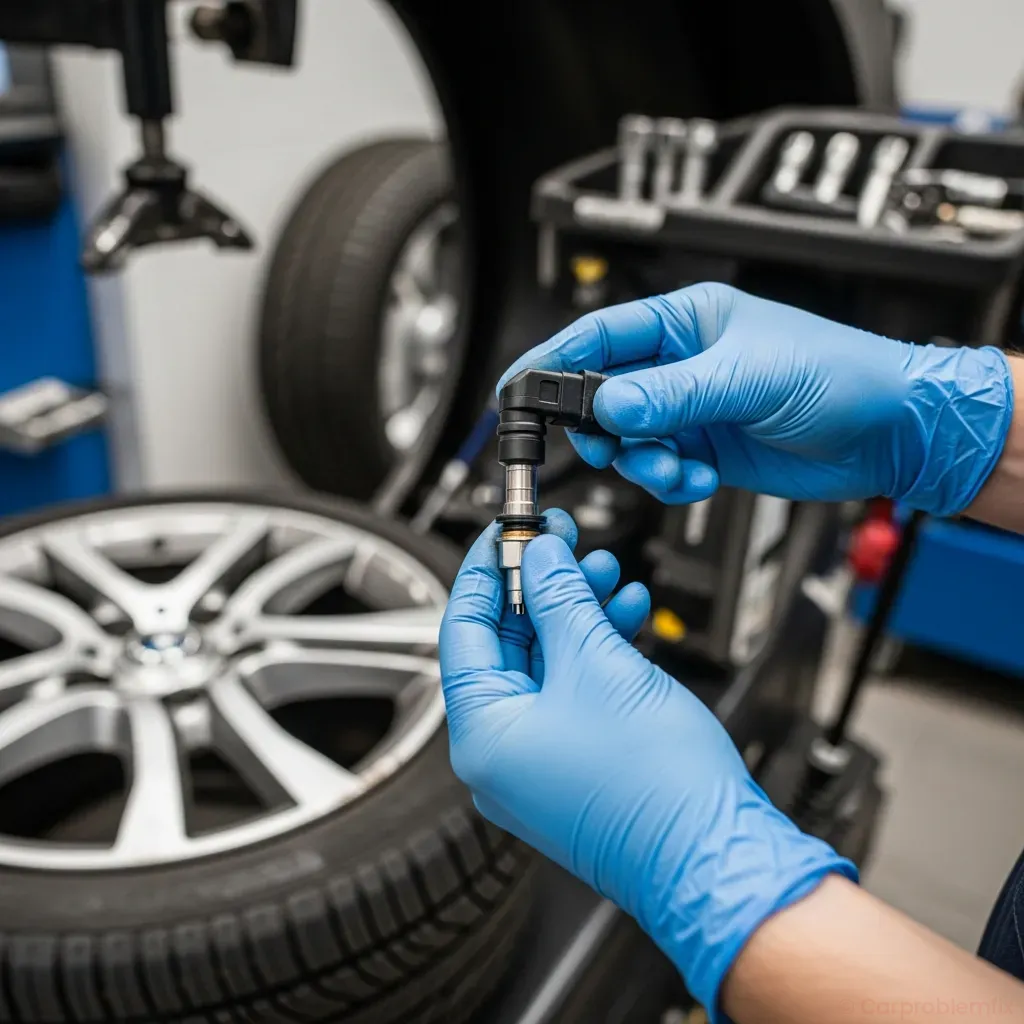
There are two main types of TPMS systems, and they behave differently.
Direct TPMS
- Each wheel has a pressure sensor that transmits the actual psi reading.
- Many cars can display each tire’s pressure on the dash.
- More accurate, but sensors can fail or need programming.
Reset procedure: Often automatic once pressures are corrected, or via a TPMS reset option in the vehicle menu. Some vehicles require a scan tool.
Indirect TPMS
- Uses ABS wheel speed sensors to infer tire pressure from tire rotation speed.
- No actual pressure sensors in the wheels.
- Less expensive, but can be less precise and needs recalibration after pressure changes or tire rotations.
Reset procedure: Usually a button labeled “SET” or “TPMS” or a menu option where you tell the car “these are the correct pressures now” after you’ve adjusted them.
When You Can DIY vs When to See a Shop
Safe DIY Tasks
- Checking and adjusting tire pressures with a quality gauge.
- Visually inspecting tires for obvious damage or nails.
- Resetting an indirect TPMS system using the owner’s manual instructions.
- Using a portable air compressor at home or at a gas station.
Jobs Best Left to a Tire or Repair Shop
- Replacing TPMS sensors or valve stems (requires tire dismounting and proper torque).
- Diagnosing flashing TPMS lights or system faults with a scan tool.
- Repairing punctures near the sidewall or on high‑speed rated tires.
- Replacing tires with internal damage from driving while flat.
Preventing Future TPMS Warnings
A little routine attention goes a long way toward keeping the light off and your tires healthy.
- Check pressures monthly and before any long trip.
- Use the same gauge so you get consistent readings.
- Adjust for seasons: Check more often in fall and spring when temperatures swing.
- Inspect tires for uneven wear, cracks, or bulges during washes or fuel stops.
- Replace aging sensors proactively if your car is 8–10 years old and still on the original TPMS sensors.
- Tell your tire shop you want TPMS‑compatible service whenever you get new tires or wheels.
Special Situations: Spare Tires, Winter Wheels & Aftermarket Rims
Spare Tires
- Some SUVs and trucks have a TPMS sensor in the full‑size spare – if it’s low, it can trigger the light.
- Compact “donut” spares usually don’t have sensors, but driving on them can confuse some indirect systems.
Winter Tire Sets
- If your winter wheels don’t have TPMS sensors, the light will stay on all winter.
- The car will drive, but you lose low‑pressure warning – check pressures manually more often.
- Many owners choose to install a second set of sensors in winter wheels to keep TPMS active.
Aftermarket Wheels
- Not all aftermarket wheels accept factory TPMS sensors without adapters.
- Improper sensor installation can cause leaks or repeated warnings.
- Work with a shop that understands TPMS compatibility for your specific vehicle.
Key Takeaways
- The tire pressure warning light is not just an annoyance – it’s an early warning system for flats and blowouts.
- Always verify actual pressures with a gauge; don’t rely on eyeballing or the dash alone.
- Correct pressures based on the door‑jamb sticker, then drive to allow the system to reset.
- If the light flashes or stays on with correct pressures, you likely have a sensor or system issue that needs professional diagnosis.
- Regular monthly checks and seasonal adjustments help keep the light off and your tires, fuel economy, and safety in top shape.
Handled correctly, the TPMS light becomes a helpful tool instead of a constant nuisance – and it can give you the extra warning you need to fix a problem before it turns into an expensive or dangerous failure.
How do you rate this guide?

Related Posts
Comments have been disabled.
