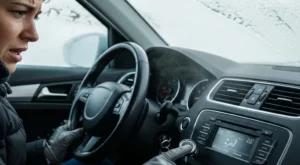
Beginner’s Guide to Car Battery Maintenance: Simple Checks to Avoid Unexpected No-Starts
Learn simple, beginner-friendly car battery maintenance checks you can do at home to avoid surprise no-starts, extend battery life, and know when it’s time to replace it....


Your car battery usually gets attention only when the engine won’t start. By then, you’re already stuck. A few simple checks done regularly can warn you long before the battery dies, save you from tow bills, and help your starter, alternator, and electronics last longer.
- 1. How Your Car Battery Works (In Plain English)
- 2. Early Warning Signs Your Battery Needs Attention
- 3. Tools and Safety Basics for Battery Maintenance
- 3.1. Basic Tools You Should Have
- 3.2. Safety Precautions You Must Follow
- 4. Step-by-Step: Simple Visual Checks Anyone Can Do
- 4.1. 1. Find and Inspect the Battery
- 4.2. 2. Check for Corrosion and Dirt
- 4.3. 3. Clean the Battery Terminals Safely
- 5. Beginner-Friendly Battery Voltage Check with a Multimeter
- 5.1. 1. How to Measure Battery Voltage
- 5.2. 2. Interpreting Your Voltage Reading
- 6. Simple Habits to Extend Battery Life
- 6.1. 1. Drive Long Enough to Recharge
- 6.2. 2. Reduce Unnecessary Electrical Load
- 6.3. 3. Protect the Battery from Heat and Vibration
- 7. When to Test Further or Replace the Battery
- 7.1. 1. Signs You Need a Professional Load Test
- 7.2. 2. Clear Reasons to Replace the Battery
- 8. Simple Seasonal Battery Checklists
- 8.1. Spring/Summer Battery Checklist
- 8.2. Fall/Winter Battery Checklist
- 9. How Battery Health Affects Emissions and Diagnostics
- 10. Summary and Next Steps
This beginner-friendly guide walks you through practical car battery maintenance: what to look for, how often to check, tools you actually need, and when it’s smarter to replace the battery instead of trying to nurse it along.
How Your Car Battery Works (In Plain English)


You don’t need to be an electrician to understand the basics. Your battery stores electrical energy and provides a big burst of power to crank the engine. Once the engine is running, the alternator takes over and keeps everything powered while recharging the battery.
Most cars use a 12-volt lead-acid battery. It’s made of cells filled with an acid solution and lead plates. Over time, these plates wear out, the acid level changes, and the battery can no longer hold enough charge to start the engine reliably.
Because the battery and alternator work together, a weak battery can stress the alternator, and a failing alternator can ruin a good battery. That’s why basic maintenance and early checks are so important.
Early Warning Signs Your Battery Needs Attention
Before you get into maintenance steps, learn the common warning signs that your battery is getting weak. Catching these early can prevent a no-start situation in your driveway or a parking lot.
- Slow cranking: The engine turns over slowly or sounds like it’s struggling before it starts.
- Dim lights at idle: Headlights or interior lights noticeably dim when you’re stopped, then brighten when you rev the engine.
- Clicking noise when starting: You may hear a rapid clicking instead of the engine turning over. (If you’re already here, see more detailed guidance in no-start and cold weather articles like Car Won’t Start in Cold Weather: Causes, Diagnosis & Fixes.)
- Electrical glitches: Radio resets, clock losing time, or warning lights that appear and disappear.
- Age: Most batteries last about 3–5 years. If yours is older than that, it deserves extra attention even if it seems fine.
If you notice any of these, don’t wait for a complete failure. Start with the simple checks below.
Tools and Safety Basics for Battery Maintenance
You can do most battery checks with basic tools and a little care. You don’t need advanced electrical knowledge, but you do need to respect that a battery can deliver a lot of current.
Basic Tools You Should Have
- Safety glasses and disposable gloves
- Paper towels or shop rags
- Baking soda and water (for neutralizing corrosion)
- Old toothbrush or small wire brush
- 10 mm or 12 mm wrench (common battery terminal sizes)
- Inexpensive digital multimeter (optional but very helpful)
- Battery terminal cleaning tool (optional but cheap and useful)
Safety Precautions You Must Follow
- Engine off, key out: Turn the engine off and remove the key before touching the battery.
- No sparks or flames: Don’t smoke or create sparks near the battery. It can vent explosive gas.
- Wear eye protection: Battery acid can burn skin and eyes. Safety glasses are a must.
- Work in a ventilated area: Open the hood outdoors or in a well-ventilated garage.
- Disconnect safely: If you need to remove cables, always disconnect the negative (–) terminal first and reconnect it last.
With safety handled, you’re ready to start checking your battery.
Step-by-Step: Simple Visual Checks Anyone Can Do
Visual checks don’t require tools and can reveal many problems before they leave you stranded. Aim to do these every month or at least at every oil change.
1. Find and Inspect the Battery
- Open the hood and locate the battery. Some cars hide it under a plastic cover or in the trunk; check your owner’s manual if you’re not sure.
- Look for damage: Check the battery case for cracks, bulges, or leaks. A swollen or cracked case means the battery is unsafe and should be replaced immediately.
- Check the hold-down bracket: The battery should be firmly secured. A loose battery can vibrate, damaging internal plates and causing premature failure.
If you see any physical damage or a loose mount, plan on repair or replacement soon.
2. Check for Corrosion and Dirt
- Inspect the terminals: Look at the metal posts and cable clamps. White, blue, or green crusty buildup is corrosion.
- Check cable condition: Look for cracked, frayed, or stiff cables and loose clamps. Wiggle them gently; they should not move on the posts.
- Look for moisture or oil: Oil or coolant leaks near the battery can accelerate corrosion and damage wiring.
Light surface corrosion can be cleaned at home. Heavy buildup or damaged cables may need a mechanic’s attention.
3. Clean the Battery Terminals Safely
If corrosion is minor and the battery case is not cracked or leaking, you can clean it yourself.
- Mix a cleaning solution: Combine a tablespoon of baking soda with a cup of water in a small container.
- Turn the engine off and remove the key. Put on safety glasses and gloves.
- Disconnect the negative (–) terminal first, then the positive (+) if you need to remove cables. If you’re just cleaning surface corrosion, you may be able to leave them connected but be very careful not to short anything with tools.
- Apply the solution: Dip an old toothbrush in the baking soda mix and scrub the corrosion. It will fizz as it neutralizes the acid.
- Rinse lightly: Wipe with a damp rag to remove residue, then dry with a clean towel.
- Reattach and tighten terminals: Reconnect positive (+) first, then negative (–). Make sure clamps are snug but don’t overtighten.
After cleaning, a light coat of dielectric grease or a battery terminal protectant spray can slow future corrosion.
Beginner-Friendly Battery Voltage Check with a Multimeter
A simple voltage check can tell you a lot about your battery’s health. You don’t need to remove the battery to do this, and a basic digital multimeter is inexpensive.
1. How to Measure Battery Voltage
- Turn everything off: Engine off, lights off, doors closed, and key out. Ideally, let the car sit for 20–30 minutes so the surface charge settles.
- Set the multimeter: Turn the dial to DC volts (often marked as V⎓) and choose a range that includes 20V.
- Connect the leads: Place the red probe on the positive (+) terminal and the black probe on the negative (–) terminal. Hold them steady or use clip leads if you have them.
- Read the display: Note the voltage reading and compare it to the guide below.
2. Interpreting Your Voltage Reading
- 12.6V–12.8V: Fully charged and healthy (at rest).
- 12.4V–12.5V: About 75% charged. OK, but consider charging if you make many short trips.
- 12.2V–12.3V: About 50% charged. Battery is undercharged; recharge soon and watch for repeat low readings.
- 12.0V or lower: Very low state of charge. The car may not start, and repeated deep discharges shorten battery life.
- Over 12.9V (engine off): Could indicate surface charge or overcharging. Retest after the car sits, and if it stays high, have the charging system checked.
If your battery repeatedly reads low even after long drives, your alternator or driving pattern may be to blame. Short trips, heavy electrical loads, and lots of idling can prevent the battery from fully charging.
Simple Habits to Extend Battery Life

Most battery failures are not random. They’re the result of heat, vibration, and repeated undercharging. A few simple habits can add years to your battery’s life.
1. Drive Long Enough to Recharge
- Avoid only short trips: If you mostly drive 5–10 minutes at a time, the alternator may never fully recharge the battery.
- Combine errands: Try to group short trips into one longer drive when possible.
- Occasional longer drive: A 20–30 minute highway drive once in a while helps keep the battery topped up.
If you rarely drive or store the car for long periods, consider using a smart battery maintainer to keep the charge level healthy.
2. Reduce Unnecessary Electrical Load
- Turn off accessories before shutting down: Switch off headlights, heated seats, and the blower fan before you turn the engine off. This reduces the load at the next start.
- Don’t sit with ignition on for long: Listening to the radio or charging devices with the engine off slowly drains the battery.
- Watch for parasitic drains: Interior lights that stay on, aftermarket accessories, or phone chargers left plugged in can slowly discharge the battery overnight.
If you suspect a drain because the battery keeps going flat, a more advanced diagnosis may be needed. Articles that cover electrical symptoms, like Car Vibrates While Driving – Causes, Diagnosis & Fixes, show how symptoms can point to multiple systems, and a similar approach applies to electrical issues.
3. Protect the Battery from Heat and Vibration
- Keep the hold-down tight: A secure battery vibrates less and lasts longer.
- Inspect nearby components: Make sure plastic covers and shields are in place to protect the battery from engine heat where applicable.
- Park smart in hot weather: Heat is hard on batteries. When possible, park in shade or a garage during very hot days.
In very cold climates, batteries also work harder. Combined with thick engine oil and high electrical loads, cold weather exposes weak batteries quickly. For more cold-specific issues, see Car Won’t Start in Cold Weather: Causes, Diagnosis & Fixes.
When to Test Further or Replace the Battery
Visual checks and voltage tests are great first steps, but they don’t tell the whole story. A battery can show good voltage but still be weak under load. Here’s how to decide what to do next.
1. Signs You Need a Professional Load Test
- Slow cranking continues even after cleaning terminals and confirming good voltage.
- Battery is 3–5 years old and you live in a very hot or very cold climate.
- Repeated jump-starts are needed over a few weeks.
- Dashboard battery/charging light comes on while driving.
Most auto parts stores and shops can perform a battery and charging system test. This checks how the battery behaves under load and whether the alternator is charging correctly.
2. Clear Reasons to Replace the Battery
- Cracked or swollen case: Safety issue; replace immediately.
- Leaking acid: Corrosive and dangerous; do not ignore.
- Terminals eaten away by corrosion: Cleaning may not be enough; replacement is often the safest option.
- Battery older than 5–6 years: Even if it still works, it’s living on borrowed time.
When replacing, match the original battery’s physical size, terminal orientation, and cold cranking amps (CCA). Your owner’s manual or an online fitment guide can help. For hybrid or start-stop systems, follow manufacturer guidance or consult dealer resources like official owner support pages for model-specific requirements.
Simple Seasonal Battery Checklists
Different seasons stress your battery in different ways. Use these quick checklists twice a year to stay ahead.
Spring/Summer Battery Checklist
- Inspect the case for cracks, swelling, or leaks after winter.
- Clean terminals and remove any winter corrosion.
- Check voltage at rest with a multimeter.
- Confirm hold-down bracket is tight before rough summer roads and trips.
- Plan replacement if the battery will turn 4–5 years old before next winter.
Fall/Winter Battery Checklist
- Test voltage before the first real cold snap.
- Listen for slow cranking on cold mornings; it’s an early warning sign.
- Inspect and clean terminals so resistance doesn’t steal precious cold cranking power.
- Reduce overnight drains by unplugging chargers and making sure lights are off.
- Consider a maintainer if the car will sit for days at a time in freezing weather.
Cold weather is often when underlying problems show up, not when they start. Preparing ahead of time is the best way to avoid a no-start on the coldest morning of the year.
How Battery Health Affects Emissions and Diagnostics
A weak battery doesn’t just cause starting problems. It can also create strange drivability issues and make it harder to pass an emissions test.
- Unstable voltage can cause sensors and control modules to behave unpredictably, leading to random warning lights or stored trouble codes.
- Battery disconnects or deep discharges can erase the engine computer’s memory and reset emissions monitors.
- Not-ready OBD2 monitors after a dead battery can cause you to fail an inspection even if nothing is actually broken. For details, see OBD2 Readiness Monitors: What They Are, Why They’re Not Ready, and How to Fix Them.
Keeping your battery healthy helps your car’s electronics stay stable, reduces false alarms, and makes emissions testing smoother.
Summary and Next Steps
Car battery maintenance doesn’t require advanced tools or skills. With regular visual checks, occasional voltage tests, and a few simple habits, you can dramatically reduce your chances of an unexpected no-start and extend the life of your battery.
If you notice repeated slow cranking, low voltage readings, heavy corrosion, or a battery older than 4–5 years, schedule a professional battery and charging system test before it fails completely. When in doubt, replacing an aging, questionable battery is usually cheaper and less stressful than dealing with a breakdown at the worst possible time.
How do you rate this guide?

Related Posts
Comments have been disabled.