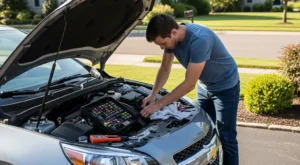
Beginner’s Guide to Changing Your Own Engine Air Filter: Easy DIY Upgrade in Minutes
Learn how to change your own engine air filter in minutes with simple tools. This beginner-friendly guide explains when to replace it, how to find it, and step-by-step instructions for a clean, safe DIY swap....

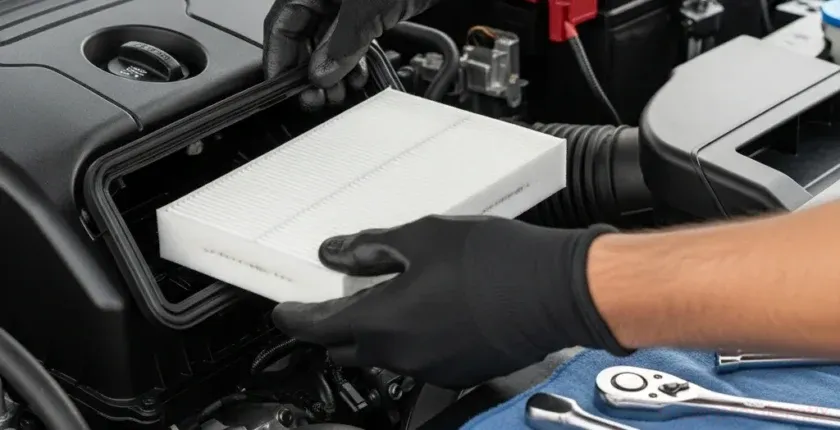
Changing your own engine air filter is one of the easiest DIY jobs you can do on a car. It usually takes less than 15 minutes, needs almost no tools, and can help your engine breathe better, run smoother, and in some cases even improve fuel economy.
- 1. What Your Engine Air Filter Does (and Why It Matters)
- 2. How Often Should You Change Your Engine Air Filter?
- 3. Symptoms of a Dirty or Clogged Engine Air Filter
- 4. Tools and Parts You Need for a DIY Air Filter Change
- 5. How to Find the Right Engine Air Filter for Your Car
- 6. Step-by-Step: How to Change Your Engine Air Filter
- 6.1. 1. Prepare the Car and Work Area
- 6.2. 2. Identify How the Air Box Opens
- 6.3. 3. Open the Air Box Carefully
- 6.4. 4. Remove the Old Filter and Inspect the Air Box
- 6.5. 5. Install the New Engine Air Filter
- 6.6. 6. Reassemble the Air Box
- 7. Common Mistakes to Avoid When Changing an Engine Air Filter
- 8. Paper vs. Reusable (Washable) Engine Air Filters
- 9. How Changing the Engine Air Filter Fits Into Overall Maintenance
- 10. Summary and Next Steps
This beginner’s guide walks you through what the engine air filter does, how to know when it’s time to replace it, how to find the right part, and clear step-by-step instructions for doing the job safely at home.
What Your Engine Air Filter Does (and Why It Matters)
Your engine is basically an air pump. For every bit of fuel it burns, it needs a lot of clean air. The engine air filter sits in the intake system and cleans the air before it reaches the engine.
A good air filter:
- Traps dust, sand, and debris before they reach the cylinders.
- Protects internal engine parts like pistons and piston rings from abrasion.
- Helps maintain proper air-fuel mixture so the engine computer can do its job correctly.
- Supports fuel economy and performance by preventing airflow restrictions.
When the filter is clogged, the engine has to work harder to pull in air. That can lead to sluggish acceleration, rough idle, and in extreme cases contribute to issues like low oil pressure at idle if the engine is stressed and wearing faster over time.
How Often Should You Change Your Engine Air Filter?
Most manufacturers recommend changing the engine air filter every 15,000–30,000 miles (about 24,000–48,000 km), but this is only a guideline. Your real interval depends on how and where you drive.
Consider replacing it more often if:
- You drive on dusty or gravel roads regularly.
- You live in a desert, farm, or construction-heavy area.
- You notice a visible layer of dirt on the filter when you inspect it.
- Your car feels sluggish or slow to respond when you press the gas.
City drivers in clean environments can often go longer than the minimum interval, while rural or off-road drivers may need to replace the filter sooner. For official intervals, check your owner’s manual or your brand’s service information, such as the maintenance schedules available through Volkswagen owner resources for VW models.
Symptoms of a Dirty or Clogged Engine Air Filter
A moderately dirty filter is normal and expected. But once it becomes clogged, you may notice changes in how your car drives.
- Slower acceleration: The engine feels like it’s “breathing through a straw.”
- Poor fuel economy: You may find yourself filling up more often than usual.
- Rough idle or hesitation: The engine may stumble slightly when you first press the gas.
- Unusual intake noise: Some cars may sound slightly different when the filter is very dirty or damaged.
- Very dirty filter on inspection: Heavy dust, leaves, or bugs stuck in the pleats.
These symptoms can also be caused by other issues, so don’t assume a clogged filter is the only problem. If you also see warning lights like the check engine light or battery light on while driving, you may have separate issues to diagnose.
Tools and Parts You Need for a DIY Air Filter Change
Most engine air filter changes require only basic tools, or none at all.
Common tools:
- Flat-head screwdriver (for clips or simple screws).
- Phillips screwdriver (for some air box covers).
- Small socket set (8–10 mm sockets are common on many cars).
- Gloves (optional, but helpful to keep your hands clean).
Parts:
- New engine air filter (OEM or quality aftermarket).
When buying a filter, you can choose:
- OEM (original equipment) from the dealer or an OEM supplier.
- Quality aftermarket from reputable brands (many major filter manufacturers, such as Denso, supply both OEM and aftermarket parts).
Avoid the cheapest no-name filters. Poorly made filters can let dirt through or not seal correctly, which defeats the purpose of changing it.
How to Find the Right Engine Air Filter for Your Car
Before you start, you need the correct filter size and shape. Using the wrong filter can cause poor sealing, air leaks, or difficulty reinstalling the air box cover.
- Check your owner’s manual. Many manuals list the engine air filter part number or at least a service code.
- Use an online parts catalog. Most auto parts websites let you enter your year, make, model, and engine size to find the correct filter.
- Bring your old filter to the store. If you’re unsure, remove the old filter first and match it at the parts counter.
- Confirm shape and seals. Make sure the new filter matches the old one in size, thickness, and gasket style.
If your car has both an engine air filter and a cabin air filter, don’t confuse the two. The engine air filter is under the hood; the cabin filter is usually behind the glove box or under the dash and cleans the air you breathe inside the car.
Step-by-Step: How to Change Your Engine Air Filter
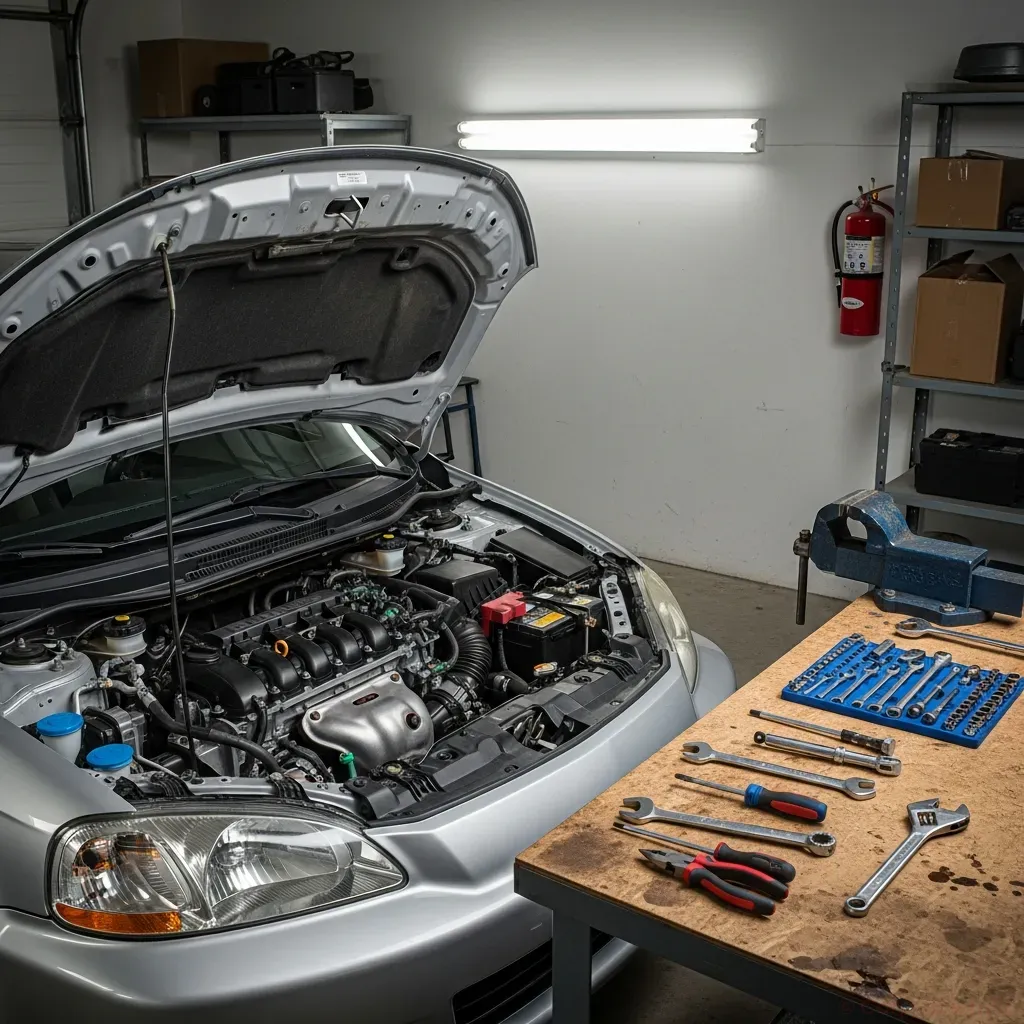
Every car is a little different, but the basic process is similar. Take your time, and don’t force anything. If something doesn’t move easily, double-check for hidden clips or screws.
1. Prepare the Car and Work Area
- Park on a level surface. Put the car in Park (or in gear with the parking brake set if it’s a manual).
- Turn off the engine. Let it cool for a few minutes if you’ve been driving, especially if parts around the air box are hot.
- Open the hood. Secure it with the hood prop or hood struts.
- Locate the engine air box. It’s usually a black plastic box with a large hose going to the engine’s intake. Follow the big intake hose from the front grille or fender area back to the box.
2. Identify How the Air Box Opens
Look closely at the air box to see how it’s held together.
- Metal or plastic clips: These can usually be opened by hand or with a flat screwdriver.
- Screws or bolts: Often Phillips screws or small 8–10 mm bolts.
- Sliding tabs: Some boxes slide into slots on one side and clip on the other.
Before you remove anything, note how the box is assembled so you can put it back the same way.
3. Open the Air Box Carefully
- Release the clips or remove screws. Keep screws and bolts in a small container or pocket so you don’t lose them.
- Lift the air box cover. In many cars, you only need to lift one side and pivot it open. Be gentle with attached hoses or sensors; do not yank or twist them.
- Note the filter orientation. Take a quick look (or a photo) of how the filter sits in the box before removing it.
4. Remove the Old Filter and Inspect the Air Box
- Lift out the old filter. It should come out easily. If it’s stuck, gently wiggle it free.
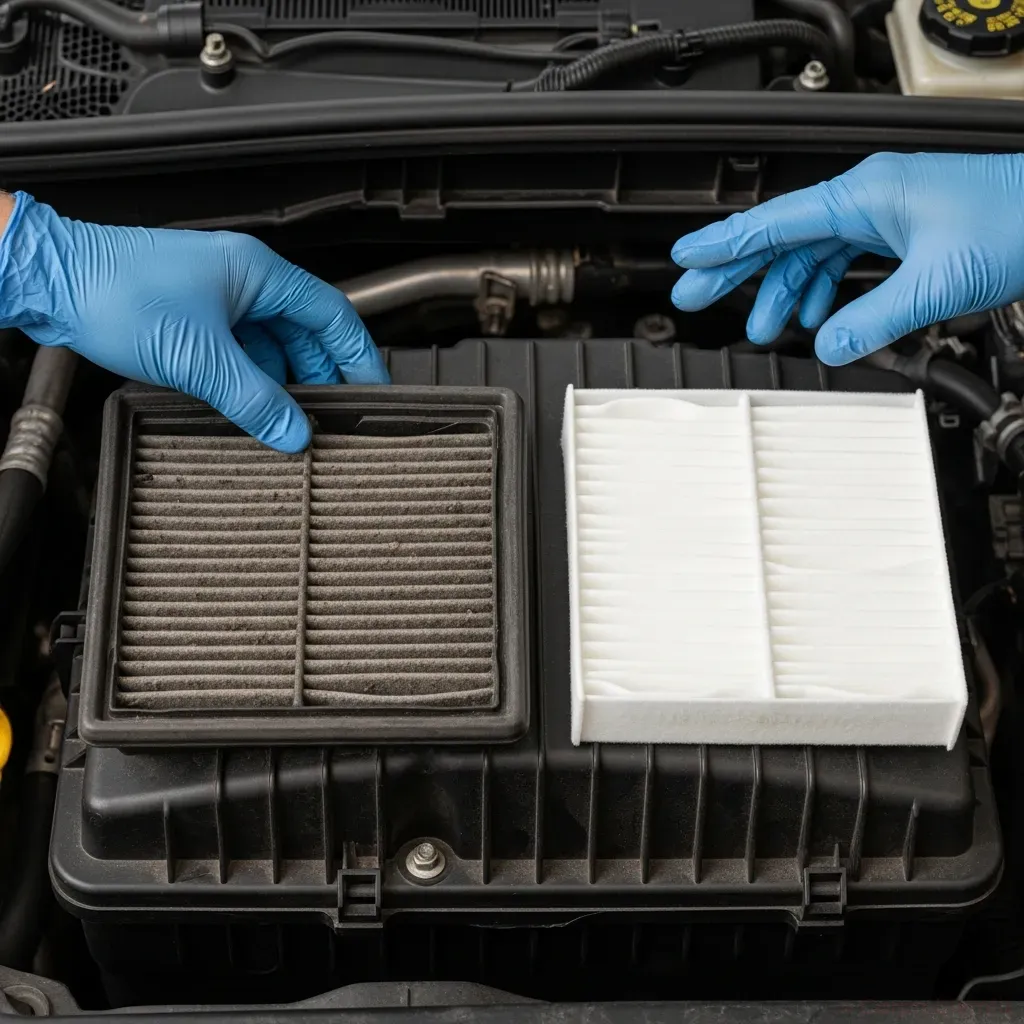
- Inspect the filter. A light gray or tan color is normal; heavy black dirt, leaves, or bugs mean it’s overdue.
- Check the air box interior. Look for leaves, sand, or debris. Wipe it out with a clean, dry cloth or gently vacuum it if needed (avoid damaging any sensors).
- Inspect the seal surfaces. Make sure the rubber sealing surfaces are clean and not cracked or damaged.
5. Install the New Engine Air Filter
- Compare new and old filters. Confirm they are the same size, shape, and thickness, and that the rubber or foam seal matches.
- Place the new filter in the box. Set it in the same orientation as the old one. The rubber seal should sit flat against the air box edge with no gaps or warping.
- Check for proper seating. Run your fingers around the edge to ensure the filter is fully seated and not pinched or crooked.
6. Reassemble the Air Box
- Lower the air box cover. Align it carefully with the lower half and any locating tabs or slots.
- Reattach clips or screws. Fasten everything snugly but don’t overtighten screws or bolts in plastic; they can strip easily.
- Double-check hoses and connectors. Make sure any intake hoses, clamps, or electrical connectors you may have moved are back in place and secure.
Once everything is reassembled, you’re done. Start the engine and listen. It should sound normal, with no whistling or hissing from the air box area.
Common Mistakes to Avoid When Changing an Engine Air Filter
Engine air filter replacement is simple, but a few common mistakes can cause problems later.
- Using the wrong filter: A filter that’s too small or the wrong shape may not seal properly, letting unfiltered air into the engine.
- Pinching the seal: If the rubber gasket is folded or pinched, dirt can bypass the filter.
- Forgetting screws or clips: A loose air box cover can create air leaks and trigger drivability issues.
- Damaging sensors: Some cars have a mass airflow (MAF) sensor near the air box. Be careful not to hit, unplug, or contaminate it.
- Confusing engine and cabin filters: Replacing the wrong filter won’t hurt anything, but it won’t help your engine either.
If you notice new drivability problems after your DIY job—like rough idle, stalling, or a check engine light—reopen the air box and confirm the filter is seated correctly and all hoses are tight. If problems continue, you may need professional diagnosis, especially if you’re also experiencing issues like car overheating while driving or other unrelated symptoms.
Paper vs. Reusable (Washable) Engine Air Filters
When shopping for a new filter, you’ll see two main types: disposable paper filters and reusable (washable) filters.
Disposable paper filters:
- Usually cheapest upfront.
- No maintenance other than replacing at intervals.
- Ideal for most daily drivers and beginners.
Reusable/washable filters:
- Higher upfront cost but can be cleaned and reused.
- Require proper cleaning and re-oiling (if applicable) at set intervals.
- Improper cleaning or over-oiling can damage sensors or reduce filtration.
For most beginners, a quality disposable filter is the safest and simplest choice. If you later decide to upgrade to a reusable filter, follow the manufacturer’s cleaning instructions carefully to avoid engine or sensor issues.
How Changing the Engine Air Filter Fits Into Overall Maintenance
Replacing your engine air filter is just one piece of basic car care. It works best when combined with other simple checks and services.
- Oil and filter changes: Clean oil and a clean air filter both reduce engine wear.
- Tire pressure and condition: Proper tire pressure (see tire pressure warning light causes, diagnosis & fixes) and a clean air filter together help fuel economy.
- Battery and charging system: A healthy battery and alternator keep sensors and the engine computer working correctly, especially if you’re also dealing with a parasitic battery drain or other electrical issues.
Doing simple DIY jobs like an air filter change builds your confidence for other basic maintenance tasks, saving you money and helping you catch problems earlier.
Summary and Next Steps
Changing your own engine air filter is a quick, beginner-friendly DIY task that can often be done in under 15 minutes with minimal tools. By choosing the correct filter, installing it carefully, and avoiding common mistakes, you’ll help your engine breathe easier and protect it from harmful debris.
If you run into anything that doesn’t match this guide—such as a very complex air box, hidden fasteners you can’t reach, or new drivability problems after the change—it’s reasonable to ask a trusted mechanic for help. Use this guide as a reference, and over time you’ll be comfortable tackling more DIY maintenance and understanding how your car really works.
How do you rate this guide?

Related Posts



Comments have been disabled.