Beginner’s Guide to a Car That Won’t Start in Cold Weather: Simple Checks You Can Do at Home
If your car refuses to start on cold mornings, you can often narrow down the cause with a few simple at‑home checks. This guide walks beginners through practical, safe steps before calling a tow truck....

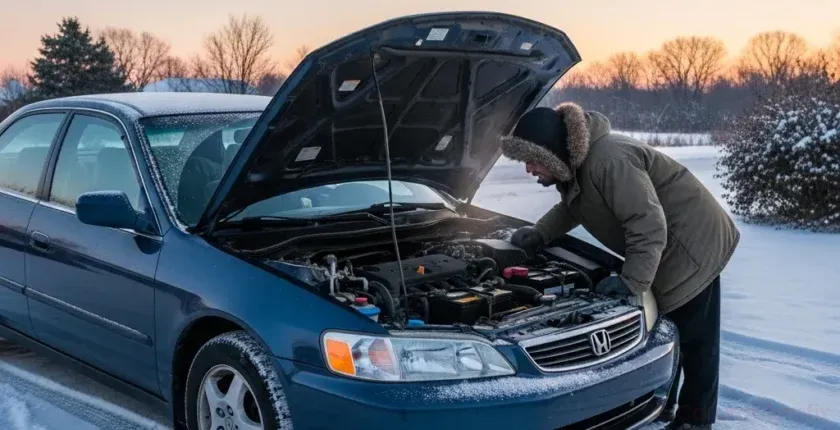
Cold mornings are tough on cars. Low temperatures slow down the battery, thicken engine oil, and expose weak parts that seemed fine in warmer weather. If your car won’t start in cold weather, you can often do some simple checks at home before paying for a tow or an emergency service call.
- 1. How Cold Weather Affects Your Car’s Ability to Start
- 2. First Questions to Ask When Your Car Won’t Start in the Cold
- 3. Checklist: Simple Visual and Safety Checks First
- 4. Cold Weather No-Start: Battery and Electrical Checks
- 4.1. Step-by-Step: Basic Battery Check Without Tools
- 4.2. How to Safely Jump-Start a Car in Cold Weather
- 5. Engine Cranks but Won’t Start in the Cold: Fuel and Ignition Checks
- 5.1. Quick Checks You Can Do Without Tools
- 6. Cold Weather and Engine Oil: Why It Matters for Starting
- 7. Moisture, Frozen Components, and Other Cold-Specific Problems
- 8. Preventing Cold Weather No-Start Problems
- 9. Summary and Next Steps
This beginner-friendly guide focuses specifically on no-start problems that show up when it’s cold outside. You’ll learn how to tell if the issue is the battery, fuel, ignition, or something else, and what you can safely try yourself.
How Cold Weather Affects Your Car’s Ability to Start
Understanding what cold does to your car helps you troubleshoot more logically. Most winter no-starts come down to a few basic systems.
- Battery power drops in the cold. A weak battery that works fine at 60°F can struggle badly at 10°F. Cold slows the chemical reactions inside, so it delivers less power just when your engine is hardest to crank.
- Engine oil gets thicker. Thick, cold oil makes the engine harder to turn. That means the starter needs more power from the battery at the exact time the battery is weaker.
- Fuel doesn’t vaporize as easily. Gasoline needs to vaporize to burn. In very cold air, fuel can stay more liquid, making cold starts harder, especially if the engine is already cranking slowly.
- Moisture can freeze. Water in fuel lines, door locks, or around electrical connectors can freeze, blocking fuel flow or interfering with sensors and switches.
Because of these factors, the same car that starts instantly in summer might crank slowly, sputter, or not start at all on a freezing morning.
First Questions to Ask When Your Car Won’t Start in the Cold
Before you pop the hood, answer a few quick questions. They help you narrow down the likely cause and avoid unnecessary work.
- Does the engine crank at all? Cranking is the “rr-rr-rr” sound of the starter turning the engine. If you hear nothing or only a single click, you likely have a battery, cable, or starter issue.
- Does it crank but never fire? If the engine turns over normally but never starts, you’re probably dealing with a fuel, ignition, or sensor problem.
- Did this only start when the weather turned cold? A problem that appears only in cold weather often points to a marginal battery, thick oil, moisture, or a borderline sensor or relay.
- Do you smell fuel or hear it trying to catch? Repeated cranking with no start but a fuel smell may indicate flooding or weak spark.
Keep these answers in mind as you go through the checks below. They’ll guide which steps matter most for your situation.
Checklist: Simple Visual and Safety Checks First
Before you start testing or boosting anything, do a quick walk-around and basic inspection.
- Make sure the car is in Park or Neutral. An automatic transmission must be in Park (P) or Neutral (N) for the starter to work. Try moving the shifter firmly into Park, then try starting again. If that fails, hold the brake and try starting in Neutral.
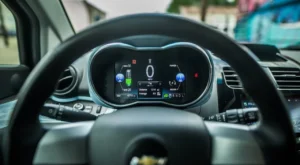
- Check for obvious lights or warnings. Turn the key to ON (or press the start button without the brake) and look at the dash. A Battery Warning Light On While Driving in the past is a clue that your charging system may be weak. If that light has been on recently, read this guide: Battery Warning Light On While Driving: Causes, Safe-Driving Tips, Diagnosis & Fixes.
- Turn off all accessories. Switch off headlights, heater fan, rear defroster, and radio. This reduces electrical load and gives the battery its best chance to crank the engine.
- Listen carefully when you try to start. Note whether you hear strong cranking, slow cranking, a rapid clicking, a single click, or total silence. This sound is one of your best clues.
If everything looks normal but the car still won’t start, move on to the specific checks below based on what you’re hearing.
Cold Weather No-Start: Battery and Electrical Checks
The battery and starter are the most common culprits when a car won’t start in cold weather. Start here, especially if the engine cranks slowly or not at all.
Step-by-Step: Basic Battery Check Without Tools
- Check interior lights and dash brightness. Open the door and see how bright the dome light is. Turn the key to ON and look at the dash lights. If they are very dim or go out when you try to start, the battery is likely weak.
- Try the headlights. Turn on the headlights and then attempt to start the car. If the lights dim dramatically or go out, that’s another strong sign of a weak battery or poor cable connection.
- Look at the battery terminals. With the engine off and key out, open the hood. Find the battery and check the terminals for white, green, or blue crusty buildup. Heavy corrosion can block power even if the battery itself is okay.
- Gently wiggle the cables. Lightly tug each cable near the terminal. They should be snug, not loose. Do not twist aggressively; just confirm they’re not obviously loose.
If everything points to a weak battery, a jump-start is the next logical step.
How to Safely Jump-Start a Car in Cold Weather
If you have jumper cables and a helper vehicle with a good battery, you can often get going without a tow. Follow these steps carefully.
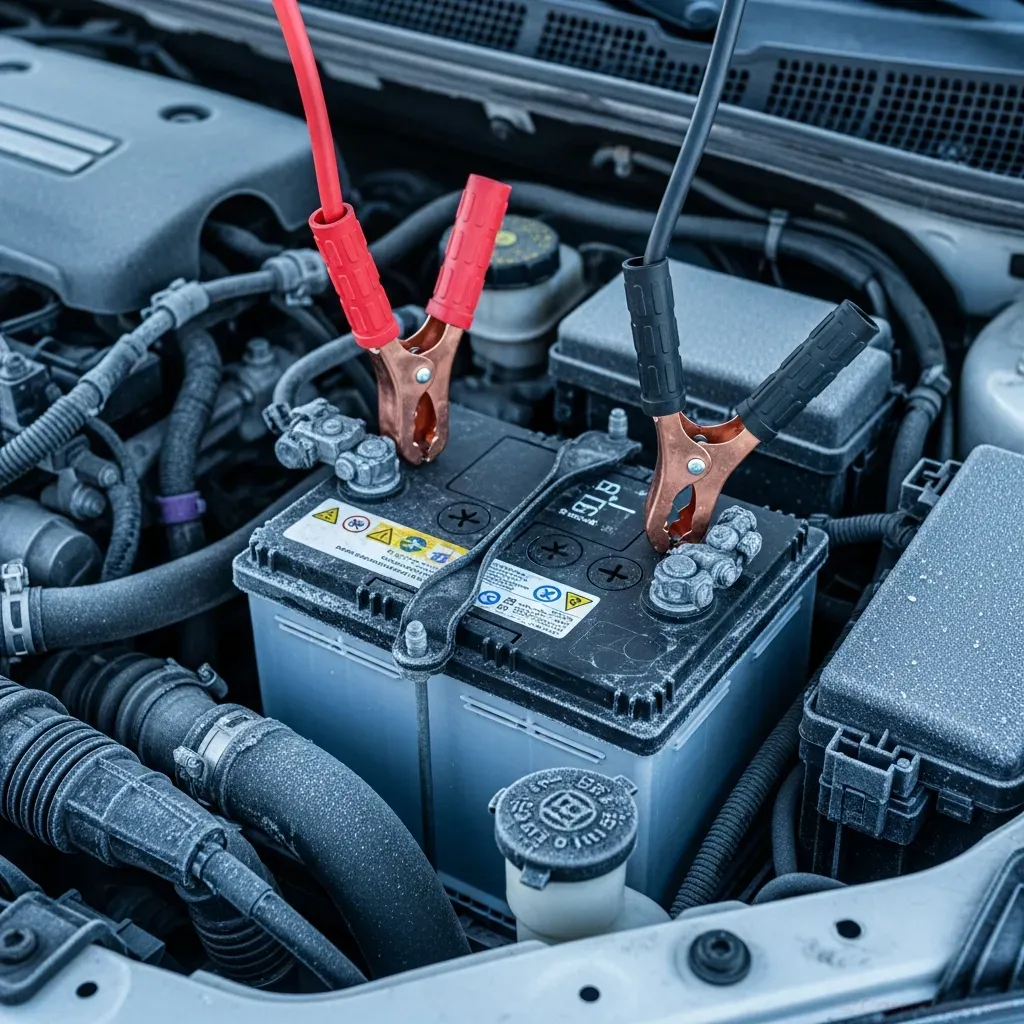
- Position the vehicles. Park the helper car close enough for the cables to reach, but do not let the vehicles touch. Turn both cars off and set parking brakes.
- Connect the red (positive) cable.
- Attach one red clamp to the dead car’s positive (+) battery terminal.
- Attach the other red clamp to the good car’s positive (+) terminal.
- Connect the black (negative) cable.
- Attach one black clamp to the good car’s negative (−) terminal.
- Attach the other black clamp to a solid, unpainted metal part on the dead car’s engine or frame, away from the battery. This reduces the risk of sparks near battery gases.
- Start the helper car. Let it run for 3–5 minutes to send some charge into the dead battery, especially in very cold weather.
- Try starting the dead car. Crank for up to 5 seconds at a time. If it doesn’t start, wait 30–60 seconds and try again. Do not crank continuously; you can overheat the starter.
- Disconnect in reverse order. Once the dead car starts, remove the cables in the reverse order you connected them, being careful not to touch the clamps together.
If the car starts but the lights are dim or flicker while driving, or if it dies again soon, you may also have a charging system issue. For more detailed electrical troubleshooting, see Car Lights Dim While Driving: Electrical Causes, Diagnosis & Fixes.
Engine Cranks but Won’t Start in the Cold: Fuel and Ignition Checks
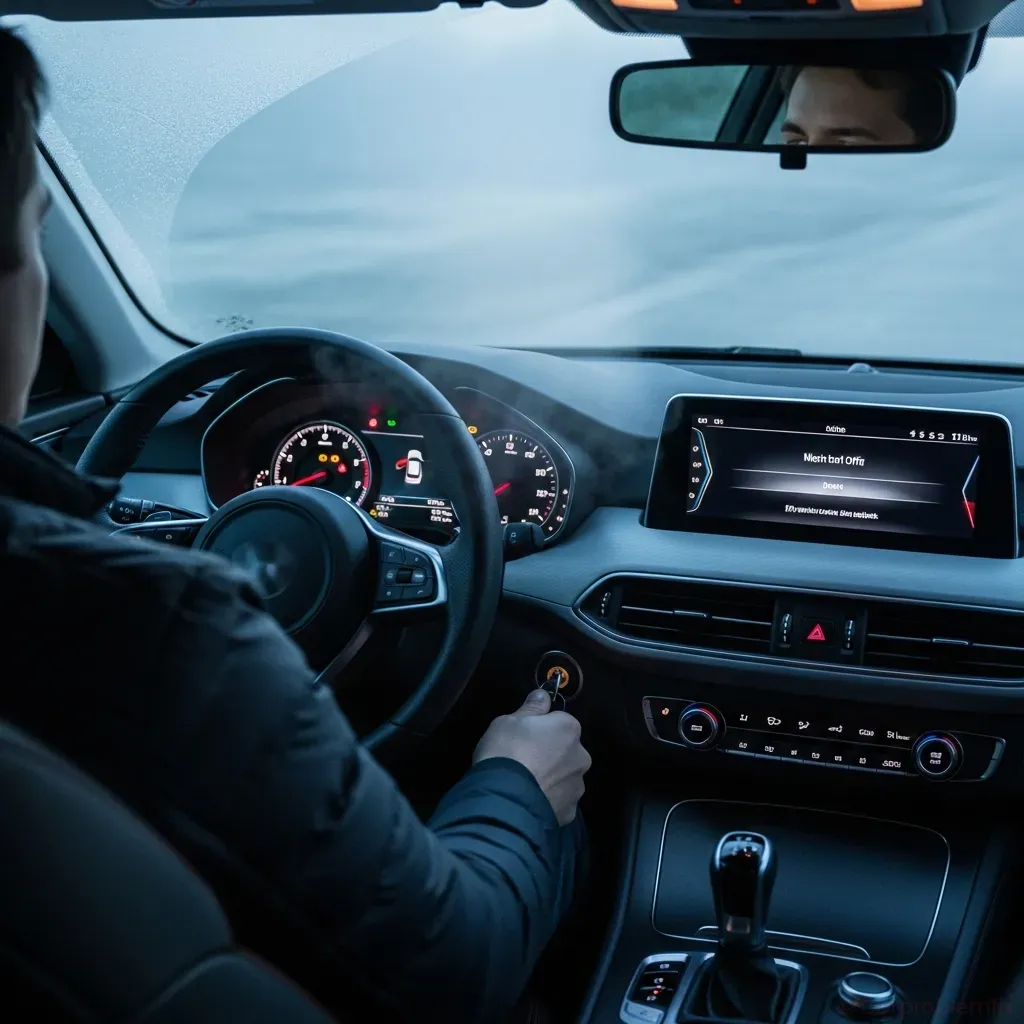
If your engine turns over at normal speed but refuses to start, the battery and starter are probably okay. In cold weather, the next suspects are fuel delivery, ignition (spark), and some key sensors.
Quick Checks You Can Do Without Tools
- Listen for the fuel pump. Turn the key to ON (not START) and listen near the rear seat or fuel tank area. You should hear a brief humming sound for 1–3 seconds. If you hear nothing at all, the fuel pump might not be running, or a relay could be frozen or faulty.
- Check your fuel level honestly. In very cold weather, parking on a steep slope or having very low fuel can make starting harder. If the gauge is near empty, add fresh fuel if possible.
- Try a different starting technique.
- For fuel-injected gas engines (most modern cars), press the pedal slightly (about 10–20%) while cranking in very cold weather. This can help airflow and fuel mixture.
- If you’ve been cranking repeatedly and smell fuel, hold the pedal to the floor while cranking for a few seconds. Many cars go into a “clear flood” mode that reduces fuel injection.
- Look for security or immobilizer warnings. If a key or padlock symbol is flashing on the dash, the anti-theft system may be preventing start. Try a spare key if you have one, or lock and unlock the car with the remote, then try again.
If these basic checks don’t help, the problem may involve sensors such as the coolant temperature sensor or crankshaft position sensor, which often need professional diagnosis with a scan tool.
Cold Weather and Engine Oil: Why It Matters for Starting
Thick, cold oil makes the engine harder to turn and can contribute to slow cranking and no-starts. Using the correct oil weight is especially important if you live in a region with harsh winters.
- Check your oil level. Low oil won’t usually prevent starting by itself, but it can increase wear and make the engine noisier and harder to crank. If you’re also seeing low oil pressure warnings, read this guide: Low Oil Pressure at Idle: Causes, Diagnosis & Fixes Before Your Engine Fails.
- Use the recommended viscosity. Your owner’s manual lists the correct oil viscosity (like 0W-20 or 5W-30) for your climate. Thicker oil than recommended can make winter starts noticeably harder.
- Consider synthetic oil in cold climates. Quality synthetic oils flow better at low temperatures than many conventional oils. Brands that meet your manufacturer’s specifications, such as those listed on Hyundai’s official owner resources for Hyundai vehicles, can improve cold start performance.
If your oil is overdue for a change and you’re using a heavier grade than recommended, plan an oil change as soon as practical. It won’t fix a dead battery, but it can reduce strain on the starter and battery in cold weather.
Moisture, Frozen Components, and Other Cold-Specific Problems
Cold weather brings unique issues that don’t show up in summer. Moisture and ice can interfere with fuel, air, and electrical systems.
- Frozen fuel lines or water in fuel. In very cold climates, moisture in the fuel system can freeze and block flow. Keeping the tank at least half full and occasionally using a fuel system dryer (following label directions) can help prevent this.
- Frozen throttle body or intake components. On some cars, condensation can freeze around the throttle plate or idle air passages. This may cause rough starting or stalling right after start.
- Damp or cracked ignition components (older vehicles). On older cars with distributor caps and plug wires, moisture can cause misfires or no-starts. Inspect for obvious cracks or heavy corrosion if you’re comfortable under the hood.
- Weak or dirty air filter. A severely clogged air filter can make cold starts harder by restricting airflow. If you haven’t checked it in a long time, consider replacing it. High-quality filters from sources like performance air filter manufacturers can improve airflow, but always match the part to your specific vehicle.
These issues are less common than a weak battery but are worth considering if your electrical system checks out and the problem only happens in very cold, damp, or icy conditions.
Preventing Cold Weather No-Start Problems
Once you get the car running again, take a few simple steps to reduce the chances of another cold morning surprise.
- Test or replace an aging battery before winter. Most car batteries last 3–5 years. If yours is older or has already needed a jump, have it tested and consider replacing it before the coldest months.
- Inspect and clean battery terminals. A wire brush and baking soda solution can remove corrosion. Make sure connections are tight and clean so the starter gets full power.
- Follow regular maintenance intervals. Fresh oil, clean filters, and up-to-date tune-up items (spark plugs, etc.) all help cold starts. For braking system care that complements overall safety, see the Complete Guide to Preventive Brake Maintenance: Intervals, DIY Checks & Costly Mistakes to Avoid.
- Consider a block heater in very cold regions. If you regularly see temperatures well below freezing, a block heater can keep engine coolant and oil warmer, making starts much easier.
- Park smart. When possible, park in a garage or at least out of the wind. Even a small temperature difference can help a marginal battery survive the night.
Good preventive habits cost far less than emergency tows and last-minute battery replacements on the coldest day of the year.
Summary and Next Steps
A car that won’t start in cold weather is often the result of a weak battery, thick oil, or minor fuel and ignition issues that only show up when temperatures drop. By listening to how the engine behaves and working through basic checks for the battery, fuel system, and oil, most beginners can narrow down the likely cause and sometimes get the car started without a tow.
If your car still won’t start after a careful jump-start attempt, basic fuel and ignition checks, and confirming you’re using the correct oil, it’s time to call a professional. Persistent no-starts, repeated stalling, or warning lights that stay on after you finally get it running should be inspected by a qualified mechanic to avoid being stranded again on the next cold morning.
How do you rate this guide?

Related Posts
Comments have been disabled.