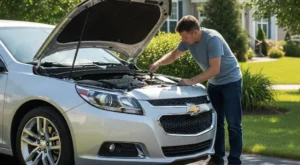
Beginner’s Guide to the Check Engine Light: What It Means, How to React, and Simple Checks You Can Do
New to dealing with the check engine light? Learn what it really means, how worried you should be, and simple checks you can safely do before heading to a shop....

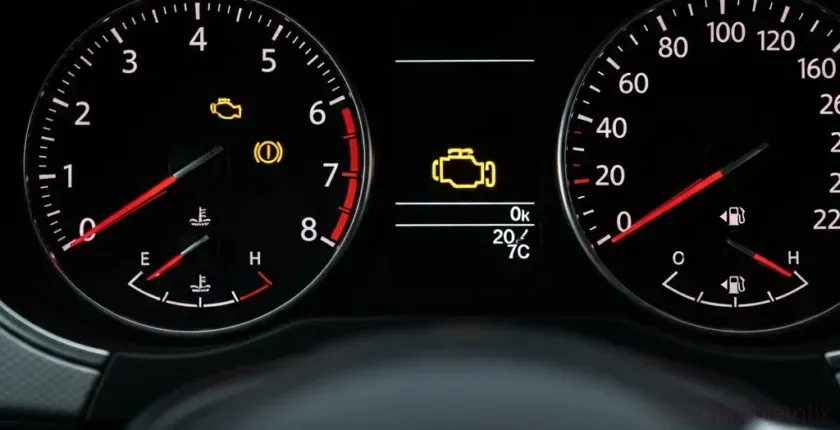
The check engine light is one of the most confusing and stressful warnings on your dashboard. It can mean anything from a loose gas cap to a serious engine problem, and the car often feels normal when it comes on. This guide breaks down what the check engine light really means, how to react calmly, and simple checks you can do at home before you pay for diagnostics.
- 1. What the Check Engine Light Actually Means
- 2. Solid vs Flashing Check Engine Light: How Urgent Is It?
- 2.1. Solid Check Engine Light
- 2.2. Flashing Check Engine Light
- 3. Simple Checks You Can Do as Soon as the Light Comes On
- 3.1. Step 1: Check for Obvious Smells, Smoke, or Noises
- 3.2. Step 2: Check the Gas Cap
- 3.3. Step 3: Check Dashboard Gauges and Other Warning Lights
- 4. How to Read a Check Engine Code Without Visiting a Shop
- 4.1. Option 1: Use a Parts Store Scan (Where Available)
- 4.2. Option 2: Buy a Simple OBD2 Scanner
- 5. Common Check Engine Light Causes and What You Can Check Yourself
- 5.1. 1. Loose or Faulty Gas Cap (Evap System Codes)
- 5.2. 2. Misfire Codes (Engine Shaking or Hesitation)
- 5.3. 3. Oxygen Sensor or Fuel Trim Codes (Running Lean or Rich)
- 5.4. 4. Catalytic Converter Efficiency Codes
- 6. When It’s (Usually) Safe to Keep Driving vs When to Stop
- 6.1. Generally Safe to Drive Short-Term If:
- 6.2. Stop Driving and Seek Help If:
- 7. How the Check Engine Light Connects to Other Car Problems
- 8. Summary and Next Steps
What the Check Engine Light Actually Means

The check engine light (often labeled “CHECK ENGINE” or shown as an engine icon) is part of your car’s On-Board Diagnostics (OBD2) system. When the computer sees something out of normal range, it stores a trouble code and turns the light on.
That code doesn’t automatically mean a specific part has failed. Instead, it tells you which system is unhappy: fuel, ignition, emissions, sensors, or even transmission on some cars. A scanner is needed to read the code, but you can still make smart decisions before you have that information.
For a deeper dive into how OBD2 codes work and what different code types mean, see Mastering the Check Engine Light: What It Really Means, How Urgent It Is, and What to Do Next.
Solid vs Flashing Check Engine Light: How Urgent Is It?
The first thing to notice is whether the light is solid or flashing. This tells you how urgently you need to react, even before you know the exact code.
Solid Check Engine Light
A solid check engine light usually means the car’s computer has detected a problem that affects emissions or performance, but it doesn’t see immediate danger of engine damage.
- Common examples: loose gas cap, minor sensor fault, small vacuum leak, mild misfire, or an emissions component issue.
- Typical symptoms: sometimes none at all; maybe slightly rough idle, reduced fuel economy, or mild hesitation.
- Usual urgency: safe to drive short-term if the car feels normal, but you should diagnose it soon.
Flashing Check Engine Light
A flashing check engine light is a warning that the engine is misfiring badly enough to risk damage, especially to the catalytic converter.
- Common examples: severe misfire, failing ignition coil, badly fouled spark plug, or a fuel problem causing cylinders to misfire.
- Typical symptoms: shaking, loss of power, rough running, fuel smell from exhaust, or the car struggling to accelerate.
- Usual urgency: reduce speed and load immediately; in most cases you should stop driving and arrange a tow.
If the light is flashing and the car is running very poorly, avoid highway speeds and steep hills. Continuing to drive can overheat and melt the catalytic converter, turning a small problem into a very expensive repair.
Simple Checks You Can Do as Soon as the Light Comes On
Before panicking or booking an expensive appointment, there are safe, basic checks you can do. These won’t fix every issue, but they can catch the obvious and cheap problems.
Step 1: Check for Obvious Smells, Smoke, or Noises
- Park safely. Pull over in a safe spot, put the car in Park (or Neutral with the parking brake), and leave the engine running for a moment.
- Use your senses. Look for smoke from under the hood, listen for loud knocking or clattering, and sniff for strong fuel or burning smells.
- Decide if it’s safe to continue.
- If you see smoke, hear loud mechanical noises, or smell raw fuel strongly, shut the engine off and call for a tow.
- If everything seems normal and the light is solid, you can usually drive gently to your destination or a shop.
Step 2: Check the Gas Cap
A loose or damaged gas cap is one of the most common causes of a solid check engine light, especially if it appears soon after refueling.
- Turn the engine off. Open the fuel door.
- Remove the gas cap. Inspect the rubber seal for cracks, tears, or missing pieces.
- Reinstall the cap. Tighten it until you hear several clicks.
- Drive normally. It can take a few trips for the computer to re-test the system and turn the light off, even if this was the only problem.
If the cap won’t click or feels loose, consider replacing it with a quality cap that matches your vehicle. Cheap, generic caps can cause more problems than they solve.
Step 3: Check Dashboard Gauges and Other Warning Lights
The check engine light rarely appears alone. Other gauges and warning lights can help you decide how serious the situation is.
- Look at the temperature gauge. If it’s near the red or you see a separate high-temperature warning, you may have an overheating issue. Stop driving and let the engine cool before doing anything else.
- Check the oil pressure light. If the oil can icon is on or flashing, shut the engine off immediately. Low oil pressure can destroy an engine in minutes.
- Note any traction, ABS, or transmission warnings. These can indicate that the problem involves more than just emissions. If you also feel harsh shifting, see Automatic Transmission Hard Shifts: Causes, Diagnosis & Fixes for more detail.
If multiple red or flashing warnings are on, treat the situation as urgent and avoid driving until a mechanic inspects the car.
How to Read a Check Engine Code Without Visiting a Shop
You don’t have to be a mechanic to read basic OBD2 codes. Knowing the code doesn’t mean you can fix the car yourself, but it helps you understand what’s going on and talk more confidently with a repair shop.
Option 1: Use a Parts Store Scan (Where Available)
In many areas, auto parts stores will read your check engine code for free. Policies vary, but it’s worth asking.
- Drive gently to the store. Only do this if the car runs reasonably well and the light is solid, not flashing.
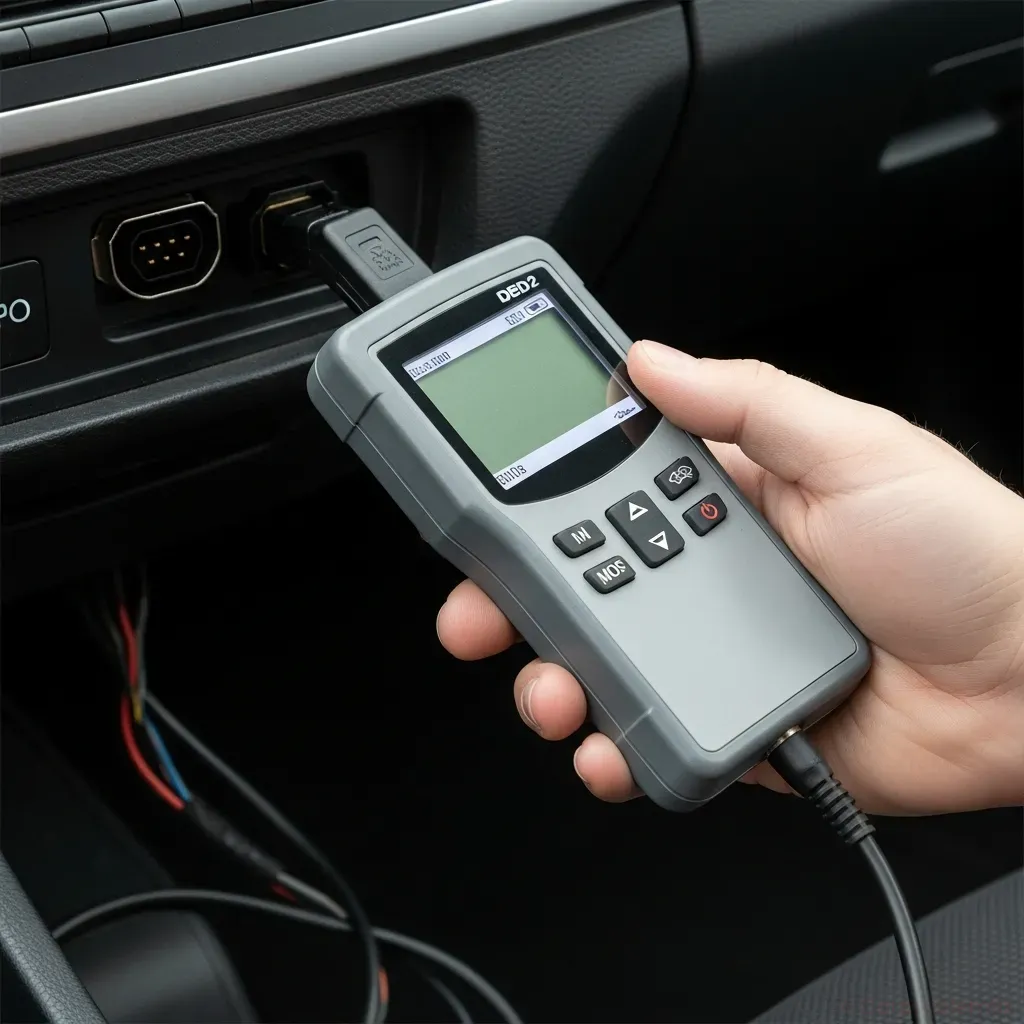
- Ask for a code scan. They’ll plug a small scanner into the OBD2 port, usually under the dash near the steering column.
- Write down the code(s). Codes look like P0301, P0171, P0420, etc. Record them exactly, including letters and numbers.
- Ask for a printout. Many stores will provide a basic description of each code. Keep this with your records.
Remember: the code points to a system, not always a specific part. For example, a P0300 random misfire code doesn’t automatically mean you need all new spark plugs; it just tells you the engine is misfiring.
Option 2: Buy a Simple OBD2 Scanner
If you plan to keep your car for a while, a basic OBD2 scanner or Bluetooth adapter is a smart, inexpensive tool.
- Choose a beginner-friendly scanner. Look for one that shows code numbers, plain-English descriptions, and can clear codes.
- Locate the OBD2 port. It’s usually under the dashboard on the driver’s side, sometimes behind a small cover.
- Plug in and turn the key to ON. The engine can be off; just make sure the dash lights are on.
- Read and record the codes. Follow the scanner’s menu to read codes and note them down.
- Resist the urge to clear codes immediately. Clearing codes can erase useful information for your mechanic. Only clear them after repairs or if you’re testing whether a fix worked.
Common Check Engine Light Causes and What You Can Check Yourself
Some causes of a check engine light are beyond DIY, but many have simple first checks you can do without tools or with basic hand tools.
1. Loose or Faulty Gas Cap (Evap System Codes)
- Typical codes: P0440, P0442, P0455, or descriptions mentioning “EVAP” or “small/large leak”.
- Symptoms: Usually none besides the light.
- DIY checks:
- <liInspect the gas cap seal for cracks or missing pieces.
- Make sure the cap clicks firmly when tightened.
- Look around the filler neck for obvious damage or rust.
If a new, correct gas cap doesn’t solve the issue after a few drive cycles, the EVAP system may have a leak elsewhere that needs professional smoke testing.
2. Misfire Codes (Engine Shaking or Hesitation)
- Typical codes: P0300 (random misfire), P0301–P0306 (misfire on a specific cylinder).
- Symptoms: Shaking at idle, hesitation when accelerating, poor fuel economy, sometimes a flashing check engine light.
- DIY checks:
- Listen for obvious misfiring (rhythmic shaking or stumbling).
- Check when your spark plugs were last replaced (maintenance records or owner’s manual).
- Look for cracked or oil-soaked ignition coils or plug wires if they’re easy to see.
If the car hesitates mainly when you pull away from a stop, you may also be dealing with fuel or transmission issues. See Car Hesitates When Accelerating From a Stop: Causes, Diagnosis & Fixes for more detailed troubleshooting.
3. Oxygen Sensor or Fuel Trim Codes (Running Lean or Rich)
- Typical codes: P0171/P0174 (system too lean), P0172/P0175 (system too rich), codes mentioning O2 sensors or fuel trims.
- Symptoms: Rough idle, poor fuel economy, sometimes hesitation or a sulfur smell.
- DIY checks:
- Listen for hissing sounds under the hood that might indicate a vacuum leak.
- Inspect visible rubber hoses for cracks, splits, or hoses that have slipped off.
- Check the air filter; a severely clogged filter can contribute to mixture issues.
Mixture problems can be caused by vacuum leaks, weak fuel pumps, dirty mass airflow sensors, or failing O2 sensors. You can inspect hoses and the air filter, but most deeper diagnosis is best left to a technician.
4. Catalytic Converter Efficiency Codes
- Typical codes: P0420, P0430 (catalyst system efficiency below threshold).
- Symptoms: Sometimes none; in other cases, reduced power or rattling from under the car.
- DIY checks:
- Listen for rattling or metallic noises from the exhaust area when idling or lightly revving.
- Check for obvious exhaust leaks (loud exhaust, visible holes, or strong exhaust smell under the car).
Catalytic converter codes can be caused by the converter itself or by other issues (like long-term misfires) that damage it. Because converters are expensive, avoid guessing and replacing them without a proper diagnosis.
When It’s (Usually) Safe to Keep Driving vs When to Stop
Knowing when to keep driving and when to stop can save your engine and your wallet. Use this simple decision guide.
Generally Safe to Drive Short-Term If:
- The check engine light is solid, not flashing.
- The engine sounds normal (no loud knocking, clattering, or backfiring).
- The car accelerates and idles reasonably well.
- No red warning lights are on for oil pressure or engine temperature.
In this situation, drive gently, avoid towing or heavy loads, and schedule diagnosis soon. Don’t ignore the light for weeks; small issues can grow into bigger ones.
Stop Driving and Seek Help If:
- The check engine light is flashing, especially under load or when accelerating.
- The engine is shaking violently or has very low power.
- You see smoke, smell strong fuel, or hear loud metallic noises.
- Oil pressure or temperature warning lights are on.
Continuing to drive in these conditions can cause major engine or catalytic converter damage. It’s usually cheaper to pay for a tow than for a new engine or converter.
How the Check Engine Light Connects to Other Car Problems
The check engine light doesn’t exist in isolation. It often appears alongside other symptoms that point toward specific systems.
- Steering and suspension noises: If you notice clunks while turning and a check engine light, you may have multiple issues at once. For steering noises and vibration, see Car Makes Noise When Turning the Steering Wheel: Causes, Diagnosis & Fixes and DIY Suspension Bushing Replacement.
- Harsh shifting: Some vehicles use the same computer to monitor both engine and transmission. A check engine light plus rough gear changes may indicate a shared problem, such as a bad sensor or low fluid, covered in more depth in Automatic Transmission Hard Shifts: Causes, Diagnosis & Fixes.
Don’t assume one light explains every symptom. It’s common for older vehicles to have more than one issue at the same time.
Summary and Next Steps
The check engine light is your car’s way of saying something isn’t right, but it doesn’t always mean disaster. By noting whether the light is solid or flashing, checking basic items like the gas cap and gauges, and reading the OBD2 codes, you can make much smarter decisions about when and how to seek repairs.
If the car runs normally and the light is solid, schedule a diagnostic visit soon and share any codes you’ve recorded. If the light is flashing, the engine runs very poorly, or you see other serious warnings, stop driving and arrange a tow. Taking the light seriously—but not panicking—will protect both your safety and your repair budget.
How do you rate this guide?

Related Posts
Comments have been disabled.