
Hybrid System Warning Light On: Causes, Diagnosis & Safe-Driving Guide
Hybrid system warning light on in your Toyota, Honda, Hyundai, Ford, or other hybrid? Learn what it means, how serious it is, common causes, safe-driving rules, DIY checks, and when you must stop immediately to avoid a four‑figure repair bill....


- 1. Hybrid System Warning Light On: What It Really Means
- 2. What Is the Hybrid System Warning Light?
- 3. Is It Safe to Drive With the Hybrid System Warning Light On?
- 3.1. Safe to Drive Short Distance (With Caution)
- 3.2. Drive Only to a Safe Place, Then Stop
- 3.3. Stop Immediately and Tow the Vehicle
- 4. Common Causes of the Hybrid System Warning Light
- 4.1. 1. Weak or Failing 12V Battery
- 4.2. 2. High-Voltage Battery Degradation or Faults
- 4.3. 3. Inverter / Converter Problems
- 4.4. 4. Cooling System Issues (Engine or Hybrid Components)
- 4.5. 5. Sensor and Communication Faults
- 4.6. 6. Transmission or Motor Issues
- 5. How Mechanics Diagnose a Hybrid System Warning
- 5.1. 1. Check for Stored Trouble Codes
- 5.2. 2. Review Freeze-Frame Data and Live PIDs
- 5.3. 3. Visual Inspection and Basic Electrical Checks
- 5.4. 4. High-Voltage System Testing (Specialized)
- 6. DIY Checks You Can Safely Do
- 6.1. 1. Check the 12V Battery
- 6.2. 2. Inspect Coolant Levels
- 6.3. 3. Listen and Observe
- 7. Common Repair Paths and Cost Ranges
- 7.1. 1. 12V Battery Replacement
- 7.2. 2. High-Voltage Battery Repair or Replacement
- 7.3. 3. Inverter / Converter Replacement
- 7.4. 4. Cooling System Repairs
- 7.5. 5. Sensor or Wiring Repairs
- 8. How to Prevent Hybrid System Problems
- 8.1. 1. Maintain the Cooling Systems
- 8.2. 2. Protect the Hybrid Battery
- 8.3. 3. Keep the 12V System Healthy
- 8.4. 4. Use Quality Service and Parts
- 9. When to See a Specialist vs. a General Mechanic
- 9.1. General Mechanic Is Usually Fine For:
- 9.2. Hybrid Specialist or Dealer Recommended For:
- 10. Key Takeaways When Your Hybrid System Light Comes On
Hybrid System Warning Light On: What It Really Means

Modern hybrids are incredibly reliable, but when the hybrid system warning light or “Check Hybrid System” message pops up, it can be intimidating. Unlike a simple check engine light, this warning involves high-voltage components, electric motors, and complex control systems that most drivers never think about—until something goes wrong.
This guide explains what the hybrid system warning light means, how serious it is, common causes, what you can safely check yourself, and when you should stop driving immediately to protect your wallet and your safety.
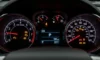
What Is the Hybrid System Warning Light?
Depending on the brand, you might see:
- “Check Hybrid System” (Toyota, Lexus, Hyundai, Kia)
- “Service Hybrid System” (Ford, GM, Chrysler)
- “Hybrid System Malfunction” or a yellow car-with-exclamation icon
This warning means the car’s computer has detected a fault in one or more parts of the hybrid powertrain, such as:
- High-voltage battery pack
- Inverter / converter assembly
- Electric motor(s) or generator
- High-voltage contactors and relays
- Cooling system for the battery or inverter
- Wiring and sensors related to the hybrid system
Sometimes the car will still drive normally. Other times it may limit power, refuse to start, or shut down the hybrid system and run only on the gas engine (if possible). The key is knowing how serious your specific situation is.
Is It Safe to Drive With the Hybrid System Warning Light On?
Safety depends on how the car behaves after the light appears. Use this quick guide:
Safe to Drive Short Distance (With Caution)
- Car starts and drives normally
- No unusual noises, smells, or vibrations
- No overheating, smoke, or burning odor
- No additional red warning lights (temperature, oil pressure, battery, etc.)
In this case, you can usually drive home or to a shop, but avoid long trips and heavy loads. Schedule diagnosis as soon as possible to prevent a minor issue from becoming a major repair.
Drive Only to a Safe Place, Then Stop
- Car has reduced power or struggles to accelerate
- Hybrid battery gauge behaves strangely (drops quickly, stays full, or stays empty)
- Engine revs unusually high or constantly
- Transmission or drivetrain feels abnormal
In this situation, drive gently to the nearest safe parking area or repair shop. Avoid highways if possible, and don’t push the car hard.
Stop Immediately and Tow the Vehicle
- Red warning lights appear along with the hybrid warning
- You smell burning plastic, electrical smell, or see smoke
- Car overheats or shows a high-temperature warning
- Car won’t accelerate above low speeds or feels unsafe
- You hear loud clunking, grinding, or thumping from the drivetrain
If you notice any of these, pull over safely, shut the car off, and call for a tow. Continuing to drive could damage expensive components like the inverter, hybrid battery, or transmission. If you also hear a rhythmic noise that speeds up with vehicle speed, it may be a separate issue—see our guide on car makes thumping noise that speeds up with the car for more detail.
Common Causes of the Hybrid System Warning Light
Hybrid systems vary by manufacturer, but many issues fall into a few broad categories. Understanding these can help you talk intelligently with your mechanic and avoid unnecessary parts swapping.
1. Weak or Failing 12V Battery
Ironically, one of the most common causes of hybrid system warnings is the regular 12V battery, not the big high-voltage pack.
Symptoms:
- Intermittent hybrid system warning, especially on cold mornings
- Slow or hesitant “Ready” light when you start the car
- Random warning lights or electronic glitches
Why it matters: The 12V battery powers the computers and relays that wake up the hybrid system. If voltage drops too low, modules can misbehave and trigger hybrid fault codes.
If your battery light is also on while driving, that points to a charging or 12V system issue. For a deep dive into that specific problem, see our article on battery light on while driving.
2. High-Voltage Battery Degradation or Faults
The hybrid battery pack is built from many individual cells or modules. Over time, some cells can weaken or fail.
Symptoms:
- Hybrid battery gauge swings rapidly from high to low
- Engine runs more often and for longer than usual
- Poor fuel economy compared to normal
- Hybrid warning light plus specific battery-related trouble codes
Causes include age, heat, lack of use, or internal cell failures. Many hybrids can continue to drive for a while with a weak battery, but performance and efficiency suffer, and the risk of sudden failure increases.
3. Inverter / Converter Problems
The inverter converts DC from the battery to AC for the motors and handles charging. It’s a high-stress, high-heat component.
Symptoms:
- Hybrid warning light, often with reduced power
- Car may shut down the hybrid system and run on gas engine only (if design allows)
- Possible overheating or coolant-related warnings if the inverter has its own cooling loop
Inverter failures can be expensive, but some brands have extended warranties or recalls on certain years. Always check for technical service bulletins (TSBs) or recalls before paying out of pocket.
4. Cooling System Issues (Engine or Hybrid Components)
Hybrids often have multiple cooling systems: one for the engine, one for the inverter, and sometimes specific cooling for the hybrid battery.
Problems include:
- Low coolant level or leaks
- Failed electric coolant pump
- Clogged cooling passages or radiators
- Battery cooling fan failure or blocked air ducts
Overheating can quickly damage expensive electronics, so any hybrid warning combined with a temperature or coolant warning is urgent.
5. Sensor and Communication Faults
Hybrids rely on a network of sensors and control modules. If a sensor fails or modules can’t communicate properly, the system may default to a safe mode and trigger the hybrid warning.
Common culprits:
- Current sensors on battery or motor circuits
- Voltage and temperature sensors in the battery pack
- Wheel speed or transmission sensors
- CAN bus communication errors between modules
These issues often require proper scan tools and diagnostic flowcharts to pinpoint, but they’re sometimes cheaper to fix than major hardware failures.
6. Transmission or Motor Issues
In many hybrids, the electric motor is integrated into the transmission or transaxle. A mechanical or electrical problem here can trigger the hybrid system warning.
Symptoms:
- Grinding, whining, or clunking noises from the drivetrain
- Harsh engagement or slipping sensations
- Car stuck in a limited operating mode
Because the motor and transmission are often combined, repairs can be costly and may require specialized shops or dealer-level service.
How Mechanics Diagnose a Hybrid System Warning
Unlike basic engine problems, hybrid system faults require more than a simple code reader. Here’s how a professional typically approaches the issue.
1. Check for Stored Trouble Codes
The first step is connecting a professional scan tool capable of reading hybrid control modules, not just the engine computer. The mechanic will look for:
- Hybrid control module (HCM) codes
- Battery management system (BMS) codes
- Inverter, motor, and transmission codes
- Communication (U-series) codes between modules
Some hybrids also use readiness monitors to track the health of emissions and hybrid components. If you’re curious how these monitors work and why they sometimes show “not ready” after repairs, see our detailed guide on OBD2 readiness monitors.
2. Review Freeze-Frame Data and Live PIDs
Freeze-frame data shows what the car was doing when the fault occurred. Technicians also watch live data (PIDs) such as:
- Individual battery module voltages and temperatures
- State of charge (SOC) of the battery
- Inverter temperature and coolant temperature
- Motor torque and current draw
This helps distinguish between a failing component and a wiring or sensor issue.
3. Visual Inspection and Basic Electrical Checks
Before diving into major components, a good mechanic will:
- Inspect wiring harnesses for damage, corrosion, or rodent chewing
- Check connectors at the inverter, battery, and control modules
- Verify 12V battery condition and charging voltage
- Look for coolant leaks or low levels in all cooling circuits
Many “big” hybrid problems turn out to be something simple like a loose connector or weak 12V battery.
4. High-Voltage System Testing (Specialized)
If codes and basic checks point to the high-voltage battery, inverter, or motor, the technician may perform:
- Insulation resistance tests
- High-voltage leak detection
- Module voltage comparisons within the battery pack
These procedures require special safety training and insulated tools. Do not attempt high-voltage testing yourself unless you are properly trained and equipped.
DIY Checks You Can Safely Do

While you should leave high-voltage work to professionals, there are a few safe checks that can save you time and money.
1. Check the 12V Battery
- Inspect for corrosion on terminals and clean if necessary.
- Use a multimeter or battery tester to check voltage (around 12.6V fully charged, above ~12.2V is usually acceptable).
- If the battery is several years old and tests weak, replacing it may clear intermittent hybrid warnings.
2. Inspect Coolant Levels
- Check the engine coolant reservoir and, if equipped, the separate inverter coolant reservoir.
- Coolant should be between the MIN and MAX marks; never open a hot system.
- If levels are low, there may be a leak that needs professional attention.
3. Listen and Observe
- Note when the warning appears: on startup, during heavy acceleration, in hot weather, etc.
- Pay attention to new noises (whining, thumping, grinding) and where they seem to come from.
- Watch the hybrid battery gauge for unusual behavior.
Documenting these observations will help your mechanic diagnose the problem faster and more accurately.
Common Repair Paths and Cost Ranges
Every car and situation is different, but these ballpark figures can help you plan.
1. 12V Battery Replacement
- Cost: $150–$350 for most hybrids
- When: If testing shows low capacity or repeated low-voltage events
- Notes: Some hybrids require specific AGM or start-stop batteries; don’t cheap out with the wrong type.
2. High-Voltage Battery Repair or Replacement
- Cost: $1,000–$4,000+ depending on brand, new vs. remanufactured, and labor
- When: Multiple weak modules, internal faults, or severe degradation
- Notes: In some cases, replacing individual modules is possible, but balancing and long-term reliability can be tricky. A full pack replacement or quality reman unit is often more reliable.
3. Inverter / Converter Replacement
- Cost: $1,500–$4,000+ parts and labor
- When: Confirmed internal failure, overheating, or known recall-related issues
- Notes: Always check for recalls or extended warranties; some manufacturers cover inverter failures beyond the standard warranty.
4. Cooling System Repairs
- Cost: $200–$1,200 depending on whether it’s a simple leak or a failed pump/radiator
- When: Low coolant, overheating, or codes for coolant flow
- Notes: Hybrids may have multiple pumps; a failed inverter pump can trigger hybrid warnings without obvious engine overheating.
5. Sensor or Wiring Repairs
- Cost: $150–$800+ depending on parts and labor
- When: Codes point to specific sensors or communication faults
- Notes: Rodent damage to wiring is increasingly common; repairing harnesses can be labor-intensive.
How to Prevent Hybrid System Problems
You can’t prevent every failure, but smart habits can extend the life of your hybrid system and reduce the chance of surprise warning lights.
1. Maintain the Cooling Systems
- Follow the manufacturer’s coolant change intervals for engine and inverter circuits.
- Have cooling systems inspected for leaks and proper flow during routine service.
- Keep radiator and condenser fins clean and free of debris.
2. Protect the Hybrid Battery
- Avoid leaving the car parked for months without driving; long periods of inactivity can accelerate battery aging.
- Park in the shade or a garage when possible to reduce heat stress.
- Ensure the battery cooling fan intake (often in the rear seat area or trunk side panel) stays clean and unobstructed.
3. Keep the 12V System Healthy
- Replace the 12V battery proactively when it nears the end of its typical lifespan (4–6 years in many climates).
- Fix any charging system issues promptly to avoid low-voltage events that confuse hybrid electronics.
4. Use Quality Service and Parts
- Choose shops familiar with hybrids; improper procedures can damage high-voltage components.
- Use the correct coolant type, battery type, and fluids specified by the manufacturer.
- Avoid cheap “hack” repairs on high-voltage components; they can be dangerous and short-lived.
When to See a Specialist vs. a General Mechanic
Some hybrid issues can be handled by any competent shop; others really need a hybrid specialist or dealer.
General Mechanic Is Usually Fine For:
- 12V battery testing and replacement
- Basic coolant leaks and pump replacements
- Sensor and wiring repairs outside the high-voltage battery
- Routine maintenance (fluids, brakes, tires, etc.)
Hybrid Specialist or Dealer Recommended For:
- High-voltage battery diagnosis and replacement
- Inverter or motor/transmission faults
- Complex communication or control module issues
- Any repair requiring access to the high-voltage battery pack
If your hybrid is out of warranty, an independent hybrid specialist can often perform the same repairs as a dealer at a lower cost, with more flexibility on new vs. remanufactured parts.
Key Takeaways When Your Hybrid System Light Comes On
- The hybrid system warning light means the car detected a problem in the hybrid powertrain, not necessarily a catastrophic failure.
- If the car drives normally and no other red warnings appear, it’s usually safe to drive a short distance for diagnosis.
- Stop immediately and tow the car if you notice overheating, smoke, burning smells, major power loss, or additional critical warning lights.
- Common causes include a weak 12V battery, hybrid battery degradation, inverter issues, cooling system problems, and sensor or wiring faults.
- Basic DIY checks (12V battery, coolant levels, visual inspection) are safe, but high-voltage work should be left to trained professionals.
- Prompt diagnosis can turn a small, affordable fix into a quick repair instead of a multi-thousand-dollar hybrid system replacement.
Don’t ignore your hybrid system warning light, but don’t panic either. With a calm approach, smart diagnostics, and the right shop, most hybrid issues can be resolved without turning your efficient daily driver into a financial nightmare.
How do you rate this guide?

Related Posts
Comments have been disabled.
