
Beginner’s Guide to Car Heater Problems: Weak Heat, No Heat, and Simple Checks You Can Do First
If your car’s heater is weak or blowing cold air, you don’t always need a shop right away. Learn how your heater works, what usually fails, and simple checks you can safely do at home....


When your car’s heater blows lukewarm or cold air on a freezing day, it feels like more than an inconvenience. The good news is that many heater problems follow a predictable pattern, and you can often narrow down the cause with a few simple checks before heading to a repair shop.
- 1. How Your Car Heater Really Works (In Plain English)
- 2. Main Types of Car Heater Problems
- 2.1. 1. No Heat at All (Cold Air Only)
- 2.2. 2. Weak Heat (Only Warm, Not Hot)
- 2.3. 3. Heat Only Works Sometimes or Only on One Side
- 3. Safety First: What You Should and Shouldn’t Touch
- 4. Step-by-Step Checks for Weak or No Heat
- 4.1. Step 1: Confirm the Symptoms and Settings
- 4.2. Step 2: Watch the Temperature Gauge
- 4.3. Step 3: Check Coolant Level (Only When Cool)
- 4.4. Step 4: Feel the Heater Hoses (If Accessible)
- 4.5. Step 5: Check Blower Fan and Cabin Air Filter
- 4.6. Step 6: Test Temperature Controls and Listen for Blend Doors
- 5. Common Causes of Weak or No Heat and How They’re Fixed
- 5.1. Low Coolant or Air in the System
- 5.2. Stuck-Open or Faulty Thermostat
- 5.3. Clogged Heater Core
- 5.4. Blend Door or Actuator Problems
- 5.5. Blower Motor, Resistor, or Control Issues
- 6. When Heater Problems Point to Bigger Issues
- 7. Summary and Next Steps
This beginner-friendly guide explains how your car heater actually makes heat, the most common reasons for weak or no heat, and step-by-step checks you can do with basic tools. You don’t need to be a mechanic, but you do need to be methodical and safety-conscious.
How Your Car Heater Really Works (In Plain English)
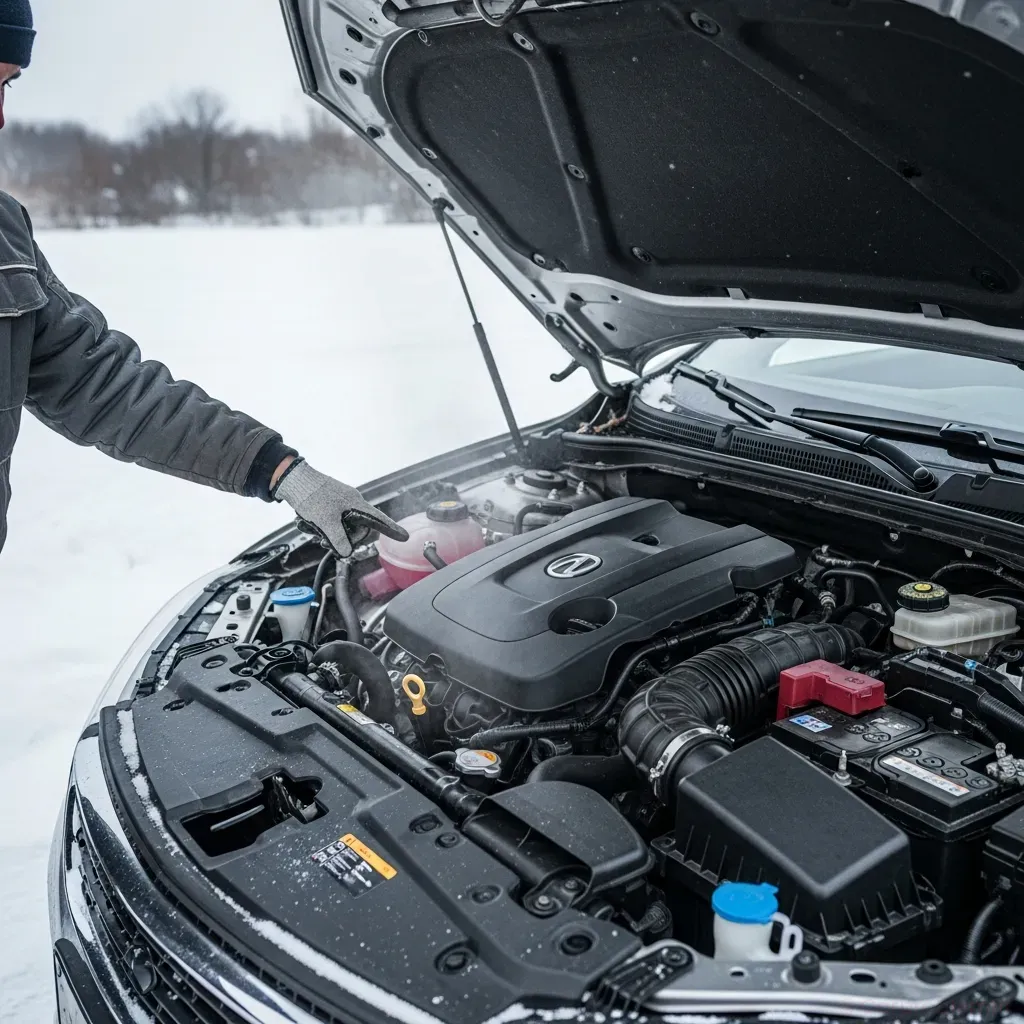

Your car’s heater doesn’t have a separate heating element like a household space heater. Instead, it reuses engine heat that would otherwise be wasted. Understanding this basic flow makes troubleshooting much easier.
Here’s the simple version of how heat is made and delivered to the cabin:
- Engine warms up: As the engine runs, it produces heat.
- Coolant carries heat: Engine coolant (antifreeze mixed with water) absorbs that heat and circulates through hoses.
- Heater core acts like a tiny radiator: Hot coolant flows through the heater core, a small radiator inside the dashboard.
- Blower fan pushes air: A fan blows air across the hot heater core and into the cabin through vents.
- Blend doors control temperature: Small doors in the HVAC box mix hot and cold air to reach the temperature you select.
If any part of this chain fails—engine not warming up, low coolant, clogged heater core, weak blower, or stuck blend door—you’ll feel it at the vents as weak heat or no heat.
Main Types of Car Heater Problems
Most heater complaints fall into a few clear categories. Matching your symptoms to these categories will help you choose the right checks.
1. No Heat at All (Cold Air Only)
With this problem, the vents blow air but it never gets warm, even after a long drive. Common causes include:
- Low coolant level from a leak or recent cooling system work.
- Stuck-open thermostat keeping the engine too cool.
- Air pockets trapped in the cooling system after a coolant change.
- Clogged heater core that can’t flow hot coolant.
- Blend door stuck on cold or a failed temperature control actuator.
2. Weak Heat (Only Warm, Not Hot)
Here, you get some warmth but not enough to stay comfortable in cold weather. This often points to:
- Partially clogged heater core restricting flow.
- Low coolant that barely reaches the heater core.
- Thermostat stuck partially open, so the engine never reaches full operating temperature.
- Blower on low speed or partially blocked cabin air filter.
- Blend door not fully moving to the hot position.
3. Heat Only Works Sometimes or Only on One Side
Intermittent or uneven heat can be tricky but usually has a pattern:
- Heat only when revving engine or driving: May indicate a weak water pump, low coolant, or partially clogged heater core. If your AC also changes with vehicle speed, see the related guide Beginner’s Guide to Car AC That Only Works While Driving.
- Driver side hot, passenger side cold (or vice versa): Common on dual-zone systems due to a failed blend door actuator on one side.
- Heat cuts in and out: Could be a sticking thermostat, electrical issue with the blower or controls, or air pockets moving through the system.
Safety First: What You Should and Shouldn’t Touch
Before you open the hood or touch anything related to the cooling system, it’s important to understand the risks. Hot coolant is under pressure and can cause serious burns.
- Never open the radiator cap or coolant reservoir when the engine is hot. Wait until the engine is completely cool to the touch.
- Use gloves and eye protection when working around coolant. It’s toxic and slippery.
- Keep hands, clothing, and tools away from belts, fans, and pulleys when the engine is running.
- Work on level ground and set the parking brake before crawling near or under the vehicle.
If you’re not comfortable under the hood, you can still do several in-cabin checks, like changing blower speeds, adjusting controls, and listening for blend door movement.
Step-by-Step Checks for Weak or No Heat
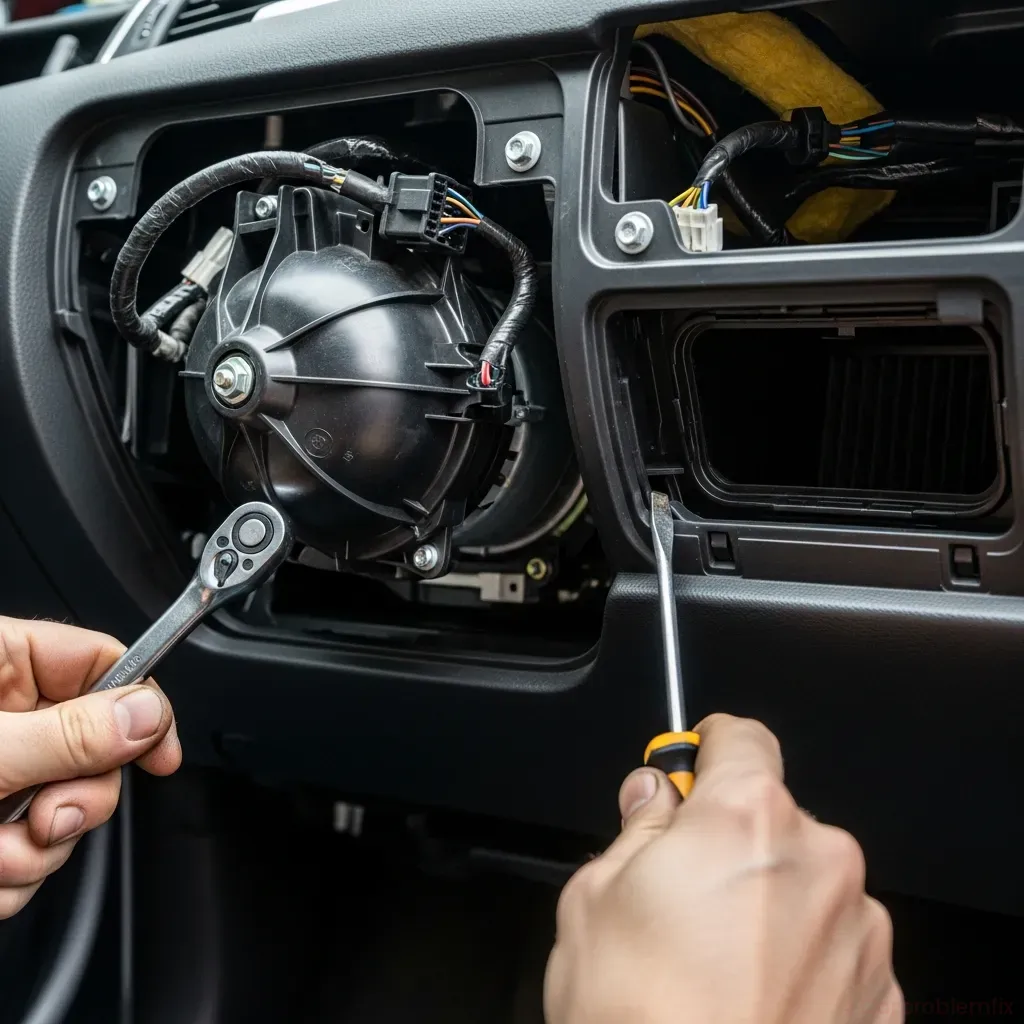
Use this sequence of checks to narrow down the cause of your heater problem. You don’t have to do every step, but try to follow the order so you don’t miss something simple.
Step 1: Confirm the Symptoms and Settings
- Warm up the engine properly.
Start the car and let it idle. Most engines need 5–15 minutes to reach full operating temperature in cold weather. Drive gently for a few minutes if possible. - Set controls to full heat.
Turn the temperature to the hottest setting, fan to medium or high, and direct air to the dash or floor vents. Turn off AC if you want pure heat, unless your system automatically runs AC to dehumidify. - Check all vent positions.
Cycle through floor, dash, and defrost. Note whether any position feels warmer or colder. This can hint at blend door or duct issues. - Try different fan speeds.
If heat is better on low fan but weaker on high, the heater core may be partially clogged or coolant flow is limited.
Write down what you feel: no heat at all, weak heat, only at certain vents, or only at certain times. This will help if you end up at a shop.
Step 2: Watch the Temperature Gauge
- Locate your engine temperature gauge.
Most cars have a needle gauge; some show a digital reading. Normal operating temperature is usually around the middle of the gauge. - Observe the gauge as the car warms up.
After 10–15 minutes of driving, the needle should climb and then stabilize. If it stays very low or barely moves, the engine may be running too cool due to a stuck-open thermostat. - Note any overheating.
If the needle climbs into the hot zone or you see a temperature warning light, stop driving and address the overheating first. Overheating plus no heat can indicate low coolant or a serious cooling system issue.
What it means: A gauge that never reaches normal but you have weak or no heat strongly points to a thermostat problem. A thermostat is usually a mechanic job but not typically very expensive compared to major engine work.
Step 3: Check Coolant Level (Only When Cool)
- Shut the engine off and let it cool completely.
This can take 30–60 minutes or more. The upper radiator hose should be cool and soft before you proceed. - Find the coolant reservoir.
Look for a translucent plastic tank with "MIN" and "MAX" marks. Your owner’s manual shows its exact location and the correct coolant type. - Check the level against the marks.
The coolant should be between MIN and MAX. If it’s below MIN or not visible, you likely have a coolant loss issue. - Top up only if you know the correct coolant.
If you must add coolant, use the type specified in your owner’s manual. In an emergency, adding a small amount of distilled water is better than driving with no coolant, but it’s not a long-term fix.
Important: If the reservoir is empty or you need to add coolant frequently, there is a leak that must be found and repaired. Low coolant is one of the most common causes of no heat.
Step 4: Feel the Heater Hoses (If Accessible)
This step is optional but helpful if you can safely reach the heater hoses.
- With the engine warm and running, open the hood carefully.
Keep fingers and clothing away from moving parts. - Locate the two heater hoses.
They are usually two rubber hoses running from the engine or firewall area into the cabin. Your owner’s manual or a repair manual can help identify them. - Carefully feel both hoses.
They should both be hot (but not scalding) to the touch. Use caution—touch briefly and pull back if too hot.
What it means:
- Both hoses hot: Hot coolant is reaching the heater core. The problem is likely inside the dash (blend door, controls, or airflow).
- One hose hot, one much cooler: Coolant flow through the heater core is restricted, often due to a clogged heater core or air trapped in the system.
- Both hoses cool or just warm: The engine may not be reaching temperature, or coolant is low.
Step 5: Check Blower Fan and Cabin Air Filter
- Cycle blower speeds.
Turn the fan from low to high. You should clearly hear and feel a difference in airflow. If some speeds don’t work, the blower resistor or fan control may be failing. - Listen for blower noise.
Grinding, squealing, or rattling from the dash area can indicate a failing blower motor or debris in the fan. - Inspect or replace the cabin air filter.
A clogged cabin filter can reduce airflow and make heat feel weak. The filter is often behind the glove box or under the cowl; your owner’s manual shows the location and replacement interval.
Even with a perfect heater core, poor airflow will make the system feel weak. Replacing a cabin air filter is usually a simple DIY job and can significantly improve both heat and defrost performance.
Step 6: Test Temperature Controls and Listen for Blend Doors
- Move the temperature knob or buttons from cold to hot.
Do this slowly with the fan on medium and the engine warm. - Listen for faint clicks or whirs behind the dash.
These sounds are from small electric motors (actuators) moving the blend doors. No sound at all or repeated clicking can indicate a failed actuator. - Note how quickly the air temperature changes.
If it never changes, or only changes on one side (dual-zone systems), a blend door or actuator problem is likely.
Blend door repairs usually require dash disassembly and are best left to a professional, but confirming the symptom helps you describe the issue clearly at the shop.
Common Causes of Weak or No Heat and How They’re Fixed
Once you’ve gone through the basic checks, you can often match your findings to one of these common causes. This section gives you a realistic idea of what’s involved in each repair.
Low Coolant or Air in the System
Typical signs: No heat or weak heat, temperature gauge may fluctuate, possible overheating, visible low coolant in reservoir.
What usually causes it: External leaks (hoses, radiator, water pump), internal leaks (head gasket), or improper bleeding after a coolant change.
Typical fix: Find and repair the leak, refill with the correct coolant, and bleed air from the system. Many modern cars require a specific bleeding procedure.
DIY-friendly? Topping up coolant is simple, but leak diagnosis and bleeding can be tricky. If you see coolant puddles, smell a sweet odor, or suspect a head gasket issue (white smoke, milky oil), see a mechanic.
Stuck-Open or Faulty Thermostat
Typical signs: Temperature gauge stays low, cabin heat is weak or never fully hot, fuel economy may drop.
What usually causes it: Thermostat stuck open or opening too early, sometimes after overheating or age-related failure.
Typical fix: Replace the thermostat and gasket, refill and bleed coolant.
DIY-friendly? On some engines, yes. On others, the thermostat is buried under intake components. If access is tight or you’re unsure, this is a good job for a shop.
Clogged Heater Core
Typical signs: One heater hose hot and the other cool, weak heat even with a hot engine, sometimes gurgling sounds behind the dash.
What usually causes it: Old or contaminated coolant, stop-leak products, or corrosion inside the cooling system.
Typical fix: Back-flush the heater core with clean water to remove debris, or replace the heater core if flushing fails. Replacing the core often requires major dash disassembly.
DIY-friendly? Simple flushing at the hoses can be a DIY task if you’re comfortable under the hood. Full heater core replacement is usually a professional job due to labor time.
Blend Door or Actuator Problems
Typical signs: Temperature doesn’t change when you adjust controls, heat only on one side, clicking from behind the dash, or air stuck on one vent setting.
What usually causes it: Failed electric actuator motor, broken plastic blend door, or control head issues.
Typical fix: Replace the faulty actuator or, in severe cases, the blend door assembly. This may require removing parts of the dash and center console.
DIY-friendly? Sometimes. On some vehicles, actuators are accessible from under the dash. On others, the dash must come out. Check a repair manual or trusted forum for your specific model before attempting.
Blower Motor, Resistor, or Control Issues
Typical signs: No airflow at any setting, only one or two fan speeds work, or noisy/weak airflow even on high.
What usually causes it: Worn blower motor, failed resistor pack (common on older systems), or faulty fan speed switch.
Typical fix: Replace the blower motor, resistor, or control head as needed. A new cabin air filter is often installed at the same time.
DIY-friendly? Replacing a blower motor or resistor is often a moderate DIY job, usually accessed from under the passenger side dash or glove box.
When Heater Problems Point to Bigger Issues
Most heater issues are annoying but not immediately dangerous. However, some symptoms suggest deeper engine or cooling system problems that need quick attention.
- Sweet smell inside the cabin or foggy, greasy film on the windshield: Possible heater core leak, which can lead to coolant loss and fogged windows.
- Coolant loss with no visible external leak: Could indicate an internal engine leak, such as a head gasket problem.
- Overheating plus no heat: Often a sign of very low coolant or a serious circulation issue.
- White exhaust smoke and rough running: Potential head gasket failure, which can be expensive if ignored.
If you see any of these, it’s wise to have the car inspected by a professional as soon as possible. Document your observations to help the technician diagnose faster.
Summary and Next Steps
Car heater problems usually come down to a few key systems: coolant level and flow, engine temperature, airflow, and blend doors. By checking your temperature gauge, coolant level (when cool), blower operation, and basic control responses, you can often narrow the issue before visiting a shop.
If your checks point to low coolant, overheating, or possible leaks, prioritize safety and get the cooling system inspected quickly. For issues like blend doors or clogged heater cores, use your notes to get clear estimates and repair options from a trusted mechanic.
Staying observant and doing these simple checks first can save you money, prevent misdiagnosis, and help you keep warm and safe when the weather turns cold.
How do you rate this guide?

Related Posts
Comments have been disabled.
