
Beginner’s Guide to Rough Engine Idle: Common Causes, Simple Checks, and When to See a Mechanic
If your engine shakes, stumbles, or sounds uneven at stoplights, you may have a rough idle. Learn what it means, common causes, easy driveway checks, and when it’s time for a professional diagnosis....

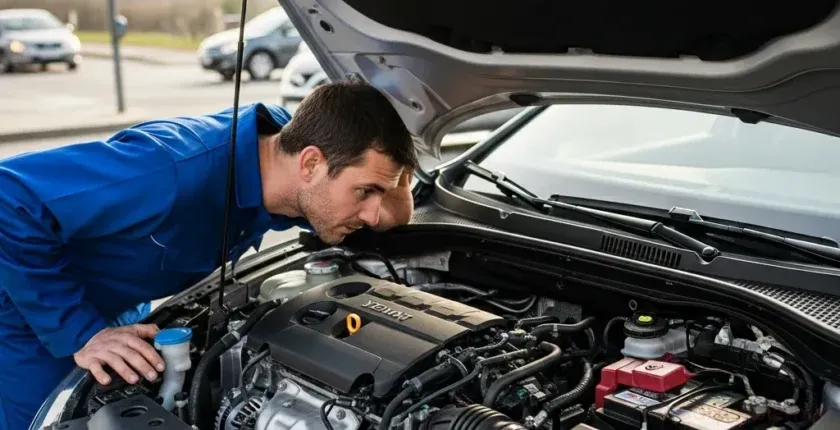
A smooth-running engine should idle quietly and steadily when you are stopped at a light or parked in gear. When it starts to shake, surge, or sound like it is about to stall, that is called a rough idle. Ignoring it can lead to poor fuel economy, higher emissions, and in some cases serious engine damage.
- 1. What Is Rough Idle and Why It Matters
- 2. Common Symptoms of Rough Engine Idle
- 3. Most Common Causes of Rough Idle
- 3.1. 1. Ignition Problems (Spark Plugs, Coils, Wires)
- 3.2. 2. Fuel Delivery Issues (Injectors, Pump, Filter)
- 3.3. 3. Air and Vacuum Leaks
- 3.4. 4. Sensor and Control Problems (Idle Control, MAF, Throttle Body)
- 4. Simple Checks You Can Do at Home
- 4.1. Step 1: Observe When and How the Rough Idle Happens
- 4.2. Step 2: Check for Check Engine Light and OBD2 Codes
- 4.3. Step 3: Basic Under-Hood Visual Inspection
- 4.4. Step 4: Listen for Vacuum Leaks
- 4.5. Step 5: Simple Throttle Body and Air Filter Check
- 5. When Rough Idle Is Safe to Drive vs. When to Stop
- 5.1. Generally Safe to Drive Short-Term (But Schedule Service Soon)
- 5.2. Stop Driving and Get Help If You Notice:
- 6. How Mechanics Diagnose Rough Idle
- 7. Preventing Rough Idle Problems
- 8. Summary and Next Steps
This beginner-friendly guide explains what rough idle is, the most common causes, simple checks you can safely do at home, and how to decide whether you can keep driving or need a mechanic right away.
What Is Rough Idle and Why It Matters

Idle is the engine speed when your foot is off the accelerator and the car is in Park, Neutral, or stopped in gear. Most modern cars idle between about 600–900 RPM. On a healthy engine, the RPM stays fairly steady and the car barely vibrates.
A rough idle is when the engine speed or sound is noticeably uneven. You may feel shaking through the steering wheel or seat, hear the engine stumble or “hunt” up and down in RPM, or notice the headlights dim slightly as the engine struggles.
Rough idle matters because it often means the air, fuel, or spark mixture is not right, or that the engine is not breathing correctly. Left alone, a small issue like a dirty sensor or worn spark plug can snowball into a failed catalytic converter or internal engine damage.
Common Symptoms of Rough Engine Idle
Before you start diagnosing, get clear on what you are actually feeling and hearing. Different rough idle patterns can point to different problems.
- Shaking or vibration at stop: The steering wheel, seat, or dashboard shakes only when stopped, then smooths out when you accelerate.
- Fluctuating RPM: The tachometer needle moves up and down at idle, or the engine surges and then drops repeatedly.
- Stalling at stoplights: The engine sometimes dies when you come to a stop, especially with the A/C or heater fan on.
- Rough idle when cold: The engine runs poorly only for the first minute or two after a cold start, then smooths out.
- Rough idle with check engine light: The check engine light comes on or flashes, often with stored OBD2 codes.
Make a quick note of when the rough idle happens: cold vs warm, in gear vs in Park, with A/C on vs off. This information is very helpful for a mechanic and for your own troubleshooting.
Most Common Causes of Rough Idle
Rough idle can come from many systems, but for beginners it helps to group causes into four main categories: ignition (spark), fuel delivery, air and vacuum leaks, and sensors or control issues.
1. Ignition Problems (Spark Plugs, Coils, Wires)
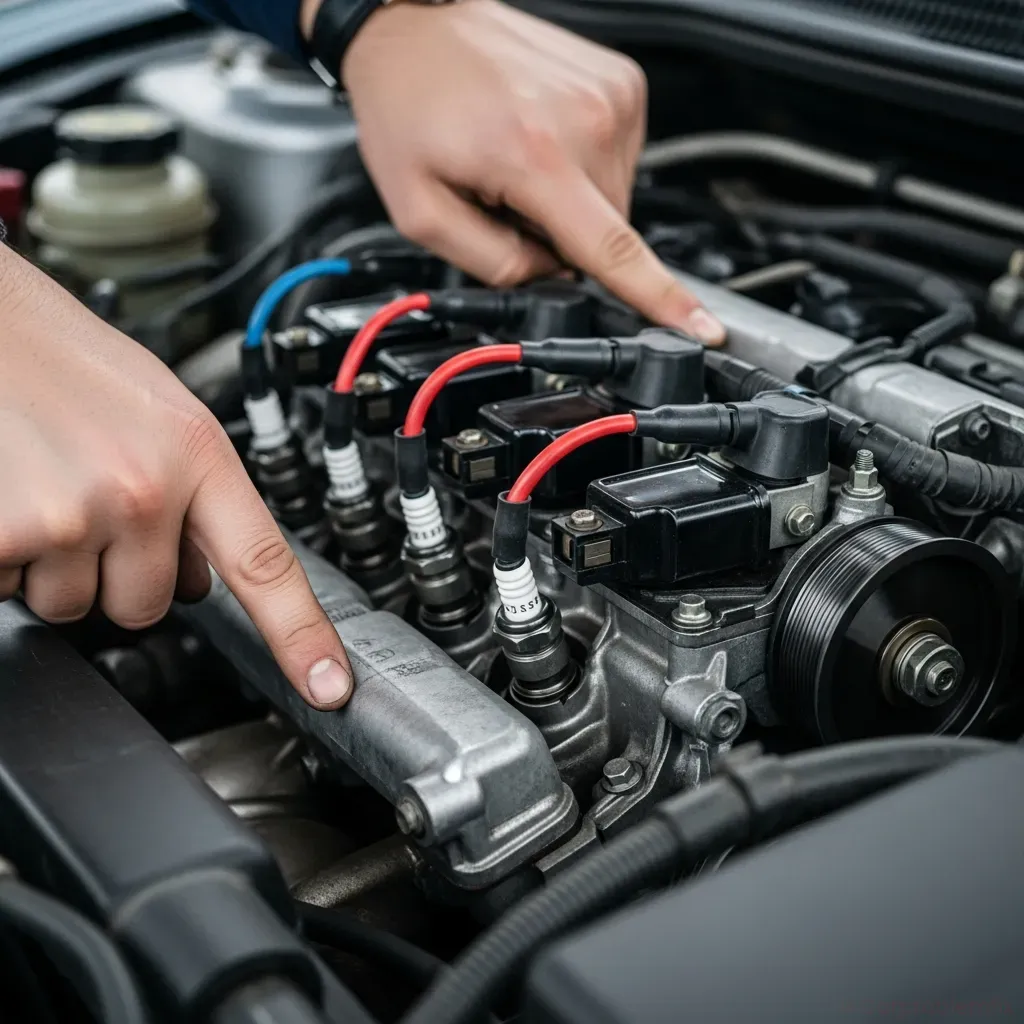
Your engine needs a strong, correctly timed spark in each cylinder. When spark is weak or missing, that cylinder misfires, causing shaking and an uneven idle.
- Worn or fouled spark plugs: Old plugs with worn electrodes, heavy carbon, or oil deposits can cause misfires at idle.
- Failing ignition coils: Coil-on-plug systems can develop cracks or internal failures that show up first at idle or under light load.
- Damaged plug wires (older cars): On older ignition systems, cracked or corroded wires can leak spark.
If you have not changed spark plugs in a long time, this is one of the first things to check. For a step-by-step guide, see DIY Spark Plug Replacement: Restore Power, MPG and Smooth Idling in an Afternoon.
2. Fuel Delivery Issues (Injectors, Pump, Filter)
The engine also needs the right amount of fuel. Too little or uneven fuel delivery can make it shake or stall at idle.
- Dirty or clogged fuel injectors: Deposits can affect spray pattern and reduce fuel flow at low RPM.
- Weak fuel pump or clogged fuel filter: Low fuel pressure can cause lean running and rough idle, especially under load.
- Old or contaminated fuel: Stale gas or water in the tank can cause misfires and stumbling.
Fuel system issues often cause other symptoms like hard starting, hesitation when accelerating, or loss of power at higher speeds.
3. Air and Vacuum Leaks
The engine computer expects a certain amount of air at idle. Extra “unmetered” air from leaks throws off the air-fuel ratio and can cause rough idle or high idle speed.
- Cracked vacuum hoses: Small rubber hoses around the intake manifold can split with age and heat.
- Leaking intake manifold gasket: Air sneaks in around the gasket, especially on higher-mileage engines.
- PCV system leaks: A stuck PCV valve or broken hose can act like a big vacuum leak.
Vacuum leaks often cause a hissing sound and may trigger lean-condition OBD2 codes. They are a very common cause of rough idle on older or high-mileage vehicles.
4. Sensor and Control Problems (Idle Control, MAF, Throttle Body)
Modern engines rely on sensors and electronic controls to manage idle speed. When these get dirty or fail, idle quality suffers.
- Dirty throttle body: Carbon buildup around the throttle plate can restrict airflow and confuse the idle control system.
- Faulty idle air control valve (IAC): On vehicles that use an IAC, sticking or failure can cause stalling or surging at idle.
- Mass air flow (MAF) sensor issues: A dirty or failing MAF can misreport airflow, leading to rough idle and poor drivability.
- Engine coolant temperature sensor faults: If the computer thinks the engine is cold when it is warm (or vice versa), it may command the wrong fuel mixture at idle.
These problems often set OBD2 codes. Learning how to read codes yourself can save time and money; see the Beginner’s Guide to OBD2 Codes: How to Read, Understand and Prioritize Check Engine Faults for a step-by-step walkthrough.
Simple Checks You Can Do at Home
You do not need to be a mechanic to do some basic rough idle checks. The steps below are designed for beginners with simple hand tools and a basic OBD2 scanner (optional but very helpful).
Step 1: Observe When and How the Rough Idle Happens
- Warm up the engine: Start the car and let it reach normal operating temperature (watch the temperature gauge).
- Check idle in Park/Neutral: With the car safely parked and the parking brake on, note how the engine feels in Park or Neutral. Watch the tachometer if you have one.
- Check idle in gear: With your foot on the brake, shift into Drive (or first gear on a manual) and feel for extra shaking or stumbling.
- Turn accessories on and off: Turn the A/C, headlights, and rear defroster on and off. Note if the roughness gets worse with electrical or A/C load.
Write down what you notice. For example: “Shakes only in Drive with A/C on” or “Rough when cold, smooth when warm.” This will help narrow down causes.
Step 2: Check for Check Engine Light and OBD2 Codes
- Look at the dash: Is the check engine light on solid, flashing, or off? A flashing light usually means a more serious misfire.
- Scan for codes: Use a basic OBD2 scanner or many parts stores will scan for free. Record all codes and their descriptions.
- Prioritize misfire or idle-related codes: Codes starting with P03xx (misfire), P01xx (air/fuel sensors), or P05xx (idle control) are especially relevant to rough idle.
Once you have codes, compare them with your symptoms. If you are new to this, the Beginner’s Guide to OBD2 Codes article walks you through how to interpret and prioritize them.
Step 3: Basic Under-Hood Visual Inspection
- Engine off and cool: Always let the engine cool and remove the key before touching anything under the hood.
- Look for loose or cracked hoses: Gently wiggle small rubber hoses around the intake manifold, throttle body, and PCV valve. Look for splits, oil-soaked sections, or hoses that have popped off.
- Inspect ignition components: On coil-on-plug engines, look for cracked coil housings or obvious damage. On older engines, inspect spark plug wires for cracks or burn marks.
- Check for obvious air leaks: Make sure the air intake tube between the air filter box and throttle body is not cracked or disconnected.
If you find a hose that is clearly broken or disconnected, that is a strong candidate for your rough idle. Reconnecting or replacing simple vacuum hoses is often a beginner-level repair.
Step 4: Listen for Vacuum Leaks
- Start the engine: With the hood open and the car in Park, start the engine and let it idle.
- Listen carefully: Stand to the side (not in front of the car) and listen for a steady hissing sound that does not change with engine RPM.
- Pinpoint the area: Move your head around the engine bay (staying clear of moving belts and fans) to narrow down where the hiss is loudest.
If you hear a clear hiss, you likely have a vacuum leak. Some DIYers use a small piece of hose as a “stethoscope” to help locate the noise, but always keep loose clothing and hair away from moving parts.
Step 5: Simple Throttle Body and Air Filter Check
- Inspect the air filter: Open the air filter box and check the filter. If it is heavily dirty or clogged, replace it. A severely restricted filter can contribute to poor idle and performance.
- Look at the throttle body: With the intake tube removed, look at the throttle plate area. If you see heavy black carbon deposits, a careful cleaning (following a repair manual or video for your specific car) can help idle quality.
- Do not force anything: Some modern electronic throttle bodies should not have the plate forced open by hand. If you are unsure, leave cleaning to a professional.
These basic checks can often reveal simple causes of rough idle without advanced tools.
When Rough Idle Is Safe to Drive vs. When to Stop

Not all rough idle situations are emergencies, but some can damage your engine or catalytic converter quickly. Use this checklist to decide how urgent your problem is.
Generally Safe to Drive Short-Term (But Schedule Service Soon)
- Rough idle is mild and the car drives normally under acceleration.
- No check engine light, or a solid (non-flashing) light with minor codes.
- Roughness improves as the engine warms up and does not return while driving.
- No strong fuel smell, knocking, or metallic noises.
In these cases, you can usually drive gently for a short time while you schedule a diagnosis. Avoid heavy loads and long idling.
Stop Driving and Get Help If You Notice:
- Flashing check engine light: This usually indicates an active misfire that can overheat and destroy the catalytic converter.
- Severe shaking or bucking: The car feels like it will stall or is hard to control at low speed.
- Strong fuel smell or visible fuel leaks: Raw fuel smells under the hood or near the exhaust are a fire and emissions risk.
- Overheating or low oil pressure: Any warning lights or gauges showing overheating or low oil pressure are emergencies.
If the car stalls repeatedly in traffic or will not stay running at idle, it is safer to have it towed to a shop rather than risk a breakdown in a dangerous spot.
How Mechanics Diagnose Rough Idle
Understanding what a professional will do can help you decide whether to attempt more DIY work or head straight to a shop.
- Detailed scan tool data: A mechanic will use a professional scan tool to read not just codes, but live data such as fuel trims, misfire counts, and sensor readings.
- Fuel pressure and compression tests: These tests check the health of the fuel system and internal engine components.
- Smoke test for vacuum leaks: A smoke machine pushes visible vapor into the intake system to reveal even tiny leaks.
- Scope testing ignition components: An oscilloscope can show weak or intermittent spark issues that do not always set codes.
While many basic checks are DIY-friendly, these advanced tests require tools and experience most beginners do not have. If your rough idle persists after simple checks, a proper diagnostic session is usually cheaper than guessing and replacing parts at random.
Preventing Rough Idle Problems
Many rough idle issues can be prevented or delayed with routine maintenance and a few simple habits.
- Follow spark plug replacement intervals: Do not wait until the engine misfires. Replace plugs on schedule using the correct type.
- Use quality fuel: Stick with reputable fuel brands and avoid running the tank very low, which can stir up sediment.
- Change the air filter regularly: A clean filter helps keep the throttle body and MAF sensor cleaner.
- Address check engine lights promptly: Small issues caught early are usually cheaper to fix and less likely to cause rough idle.
- Keep up with overall maintenance: Good battery voltage, healthy engine mounts, and proper fluid levels all contribute to smooth idle and drivability.
If you are already dealing with a rough idle plus other issues like hard starting, it may be part of a bigger pattern. For example, if the car is also slow to start after sitting, see Car Won’t Start After Sitting Overnight: Causes, Diagnosis & Fixes for related troubleshooting.
Summary and Next Steps
A rough engine idle is your car’s way of telling you that something in the air, fuel, spark, or control system is not right. Mild roughness without warning lights can often be traced to simple issues like worn spark plugs, dirty throttle bodies, or small vacuum leaks that you can at least identify yourself.
Use the observation steps, basic visual checks, and OBD2 code reading in this guide to narrow down the cause. If the check engine light is flashing, the shaking is severe, or your DIY checks do not reveal anything obvious, it is time for a professional diagnosis. Acting early will protect your engine, catalytic converter, and wallet while getting your idle back to smooth and steady.
How do you rate this guide?

Related Posts

Comments have been disabled.
