Beginner’s Guide to Dashboard Warning Lights: What the Symbols Mean and When to Stop Driving
Learn what the most common dashboard warning lights really mean, how urgent they are, and when you should safely pull over and stop driving to protect your car and yourself....

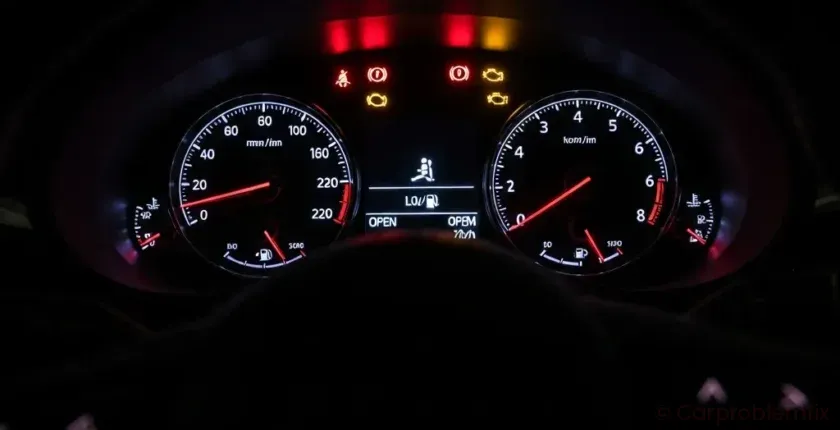
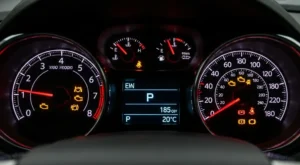
Modern cars use dashboard warning lights to tell you when something needs attention, from a loose gas cap to a serious brake or engine problem. The problem is, many drivers either ignore them or panic without knowing what to do.
- 1. How Dashboard Warning Lights Are Color-Coded
- 2. Red Warning Lights You Should Never Ignore
- 2.1. 1. Engine Temperature Warning (Overheating)
- 2.2. 2. Oil Pressure Warning Light
- 2.3. 3. Brake System Warning Light
- 2.4. 4. Battery/Charging System Warning Light
- 3. Important Yellow Warning Lights and What to Do
- 3.1. 5. Tire Pressure Monitoring System (TPMS) Light
- 3.2. 6. Stability Control / Traction Control Light
- 3.3. 7. Power Steering Warning Light
- 3.4. 8. Airbag / SRS Warning Light
- 4. Less-Serious Lights You Can Handle Later (But Shouldn’t Ignore)
- 5. What to Do When a Warning Light Comes On: A Simple Checklist
- 6. Common Myths About Dashboard Warning Lights
- 7. How to Prepare Before a Warning Light Ever Comes On
- 8. Summary and Next Steps
This beginner-friendly guide explains the most common dashboard warning lights, how to tell which ones are urgent, and clear steps for when you can keep driving, when you should slow down and head to a shop, and when you must pull over and stop immediately.
How Dashboard Warning Lights Are Color-Coded
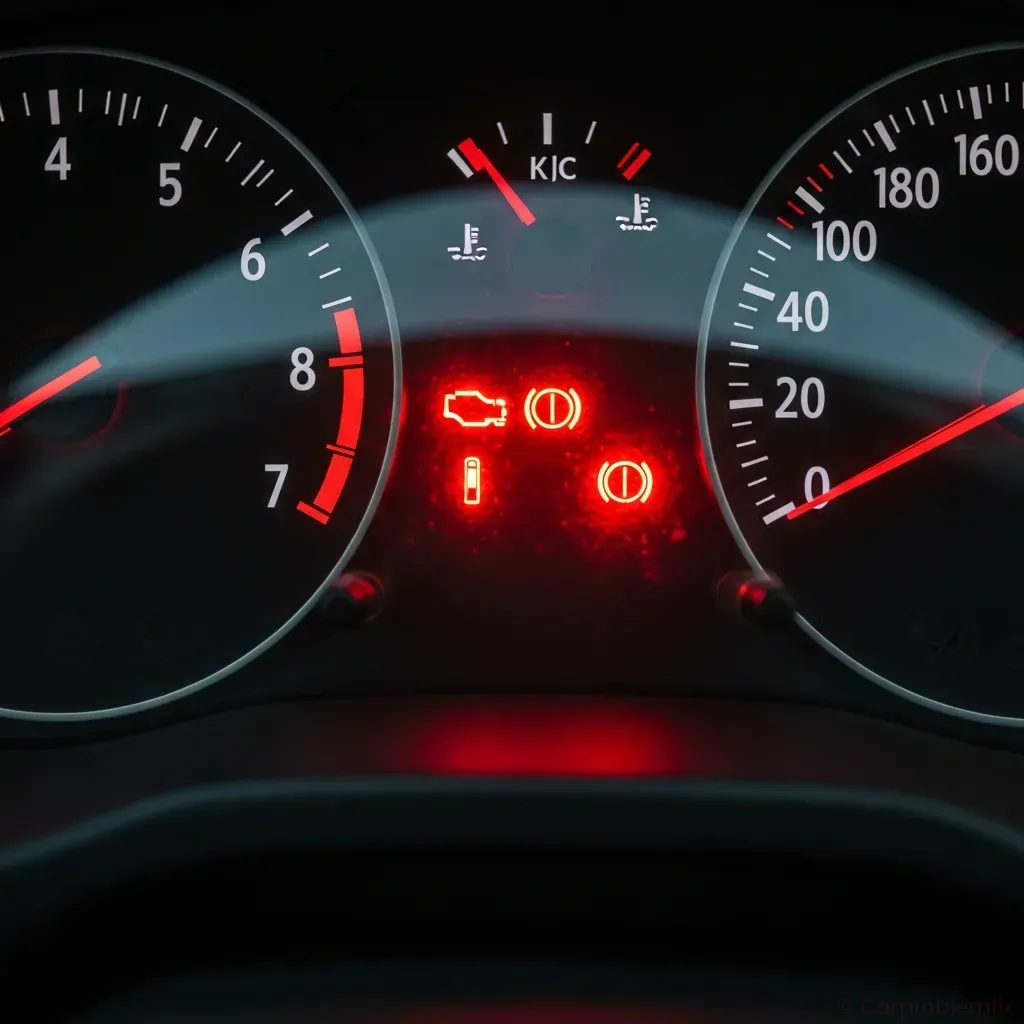
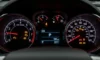
Before worrying about individual symbols, learn the basic color code most manufacturers use. This alone can help you decide how quickly you need to react.
- Green or blue lights: Information or status. These usually show something is on, like headlights or cruise control. They are not warnings.
- Yellow/amber/orange lights: Caution. Something needs attention soon. You can usually keep driving carefully, but you should diagnose and repair as soon as possible.
- Red lights: Stop as soon as it is safe. Red usually means a serious safety or damage risk, like brakes, engine temperature, or oil pressure.
Some cars also flash a light to show that the situation is more urgent. For example, a flashing engine light or flashing stability control light usually means you should slow down and get help immediately.
Red Warning Lights You Should Never Ignore
Red dashboard warning lights are the ones most likely to mean “stop driving.” If you remember only one rule from this guide, make it this: red usually means pull over safely and shut the car off.
1. Engine Temperature Warning (Overheating)
This light often looks like a thermometer in water or simply says “TEMP”. It means the engine is running too hot.
- What it usually means: Low coolant, coolant leak, failed water pump, stuck thermostat, or cooling fan problem.
- If it comes on solid: Turn off the A/C, turn the heater to hot with the fan on high to help pull heat from the engine, and watch the gauge. If the temperature keeps climbing, pull over and shut the engine off.
- If it flashes or the gauge is in the red: Pull over as soon as it is safe and shut the engine off. Do not keep driving; you can cause major engine damage.
Never open a hot radiator cap. Let the engine cool completely before checking coolant. If your car has already overheated while driving, read Car Overheating While Driving? Causes, Fixes & Repair Costs for more detailed next steps.
2. Oil Pressure Warning Light
This light usually looks like an old-fashioned oil can. It is one of the most serious warnings on your dashboard.
- What it usually means: Low oil level, oil pump failure, clogged pickup, or internal engine wear causing low oil pressure.
- What to do immediately: If this light comes on while driving, pull over and shut the engine off right away. Driving even a short distance with no oil pressure can destroy the engine.
- Basic check: After the engine cools, check the oil level with the dipstick. If it is very low, you may have a leak or burning oil issue.
If adding oil makes the light go off but it comes back later, you still need a mechanic. Low oil pressure is not a “wait and see” problem.
3. Brake System Warning Light
This light may show an exclamation mark in a circle, the word “BRAKE”, or a circle with brake shoes. It can mean different things depending on the car.
- What it usually means: Parking brake engaged, low brake fluid, worn brake pads, or a hydraulic brake system problem.
- First check: Make sure the parking brake is fully released. If the light stays on, do not ignore it.
- When to stop driving: If the pedal feels soft, sinks to the floor, or braking feels weak or uneven, pull over and call for a tow. You may be losing brake fluid or pressure.
Some cars have a separate ABS light for anti-lock braking issues, but the main red brake light is about basic stopping power. Treat it as a top priority.
4. Battery/Charging System Warning Light
This light looks like a car battery icon. It does not mean the battery is dead right now; it means the charging system is not working correctly.
- What it usually means: Alternator failure, broken or slipping belt, wiring issue, or battery problem.
- What happens if you keep driving: The car will run only until the battery is drained. Then it will stall and may not restart.
- What to do: Turn off non-essential electrical loads (A/C, heated seats, stereo) and drive to a shop if it is close. If the light comes on along with dimming lights or warning chimes, pull over before the car dies in traffic.
If your car repeatedly has charging or starting issues, see Car Battery Keeps Dying Overnight: Electrical Causes, Diagnosis & Fixes Before You Get Stranded for deeper troubleshooting.
Important Yellow Warning Lights and What to Do
Yellow (amber) warning lights signal issues that need attention soon but are not always an immediate emergency. However, ignoring them can lead to breakdowns, poor fuel economy, or safety risks.
5. Tire Pressure Monitoring System (TPMS) Light
This light looks like a horseshoe with an exclamation mark in the middle. It means one or more tires are underinflated or, less commonly, overinflated.
- What it usually means: Slow leak from a nail or screw, temperature-related pressure change, or a faulty TPMS sensor.
- What to do: As soon as possible, stop at a safe place and visually inspect all tires. Use a tire gauge to check pressures and inflate to the value listed on the driver’s door jamb sticker.
- When to stop driving: If a tire looks visibly low, bulged, or you hear air hissing, put on the spare or call roadside assistance. Driving on a very low tire can cause a blowout or damage the wheel.
After correcting pressures, the light may take a short drive to reset. If it stays on, you may have a persistent leak or sensor issue.
6. Stability Control / Traction Control Light
This light often shows a car with squiggly lines behind it, or says “ESC” or “TCS”. It is related to systems that help prevent skids and wheelspin.
- What it usually means when flashing: The system is actively working because the wheels are slipping (wet, icy, or loose surfaces). This is normal; ease off the throttle.
- What it means when solid: The stability or traction control system is disabled due to a fault or because it was manually turned off.
- What to do: Drive more carefully, especially in bad weather. Have the system checked, since stability control is a key safety feature.
Some cars also show this light when there is a problem with wheel speed sensors, which can also affect ABS function.
7. Power Steering Warning Light
This light may look like a steering wheel with an exclamation mark or say “EPS” for electric power steering.
- What it usually means: Electric power steering fault, low power steering fluid (on hydraulic systems), or a sensor issue.
- What you will feel: The steering wheel may become much heavier, especially at low speeds or when parking.
- What to do: You can usually still drive, but steering effort will be higher. Avoid tight parking maneuvers and have the system inspected soon.
If you also see a charging system light or other electrical warnings, you may have a broader electrical issue affecting multiple systems.
8. Airbag / SRS Warning Light
This light often shows a seated person with a circle (airbag) in front of them, or simply says “SRS”.
- What it usually means: A fault in the airbag or seatbelt pretensioner system. In a crash, some or all airbags may not deploy correctly.
- Is it safe to drive? The car will still drive normally, but your crash protection may be reduced.
- What to do: Schedule diagnosis as soon as possible. Airbag systems are complex and require proper tools and safety procedures.
Never attempt DIY airbag repairs unless you are trained; accidental deployment can cause serious injury.
Less-Serious Lights You Can Handle Later (But Shouldn’t Ignore)
Some dashboard lights are more about comfort or convenience than immediate safety. You do not need to pull over for these, but you should still address them.
- Washer fluid low: Usually a symbol of a windshield with spray. Refill washer fluid when convenient; driving without it in bad weather is unsafe.
- Bulb-out warning: Some cars show a symbol or message when an exterior bulb fails. Check brake lights, turn signals, and headlights and replace any that are out.
- Service reminder / wrench icon: Indicates scheduled maintenance is due based on mileage or time. It is not a failure warning, but regular maintenance helps prevent future problems.
While these are not emergencies, combining them with other ignored warnings can leave you with a car that is unsafe or unreliable.
What to Do When a Warning Light Comes On: A Simple Checklist
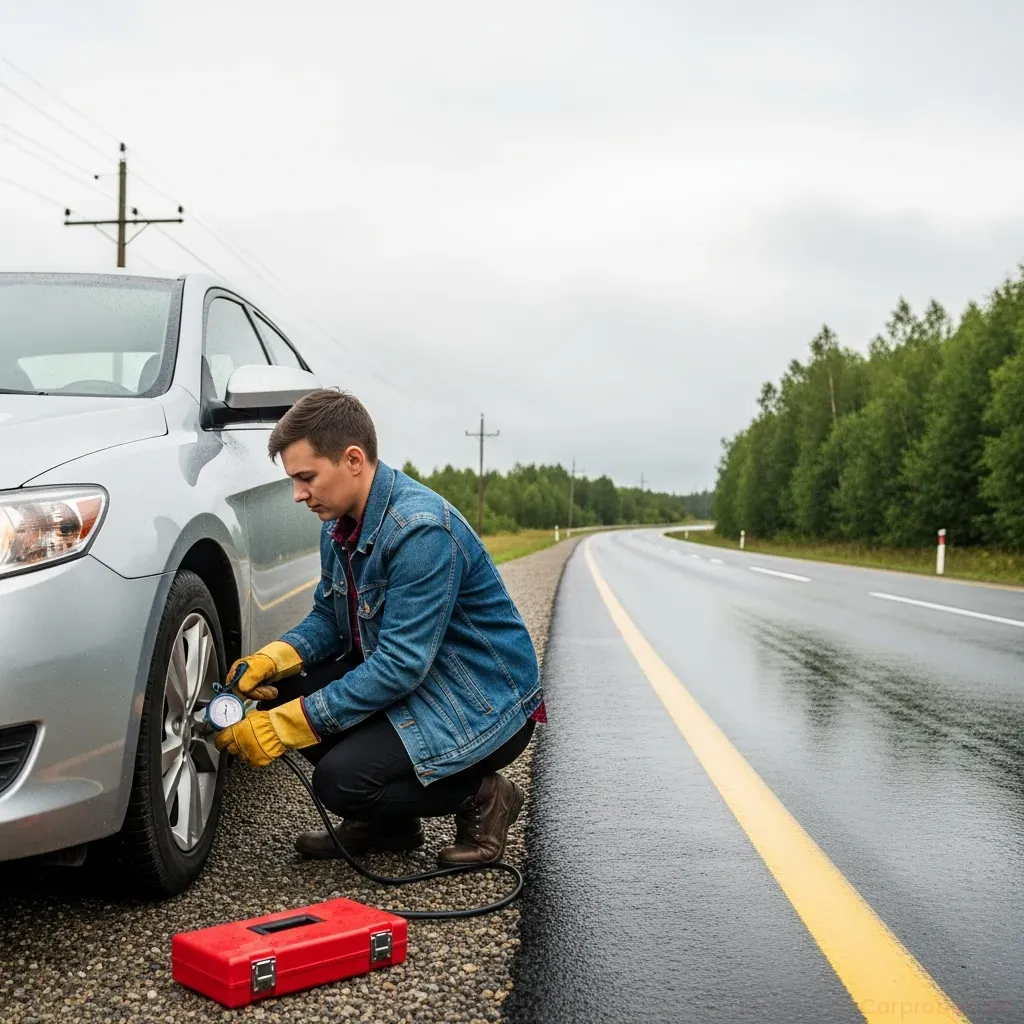
When any unfamiliar warning light appears, it is easy to either panic or ignore it. Use this simple step-by-step approach instead.
- Note the color and behavior.
- Is it red or yellow? Is it solid or flashing?
- Red or flashing usually means more urgent; yellow and solid is usually less urgent but still important.
- Check for changes in how the car feels.
- Is the steering heavier? Is the engine running rough? Do you smell something burning? Is there smoke or steam?
- Any major change in feel, smell, or sound means you should be more cautious.
- Decide whether to pull over immediately.
- Pull over now for red lights related to engine temperature, oil pressure, brakes, or anything accompanied by smoke, strong burning smells, or loss of power.
- Drive gently to a safe place or shop for yellow lights without obvious drivability issues.
- Consult your owner’s manual.
- Every car has slightly different symbols. The manual will show the exact icon and recommended actions.
- If you do not have a paper manual, many are available online from the manufacturer.
- Check basic items you can safely inspect.
- Look for obvious leaks under the car.
- Check tire pressures, oil level, and coolant level (only when the engine is cool).
- Confirm the parking brake is fully released if the brake light is on.
- Plan your next step.
- For minor issues, schedule a shop visit soon.
- For repeated electrical or starting problems, see Car Won’t Start But Battery Is Good – Causes & Fixes for related diagnosis tips.
- For heating or cooling complaints along with warning lights, Beginner’s Guide to Car Heater Problems and Car AC Only Blows on High can help you narrow down comfort system issues.
If you are unsure, it is always safer to call a trusted mechanic or roadside assistance and describe the light and symptoms.
Common Myths About Dashboard Warning Lights
Misunderstandings about warning lights cause many avoidable breakdowns and expensive repairs. Here are a few myths to ignore.
- “If the car still drives, it must be fine.” Many serious problems, like low coolant or charging issues, allow the car to drive for a short time before failing completely.
- “I can just clear the light and forget it.” Clearing a warning without fixing the cause is like taking the batteries out of a smoke alarm. The problem is still there.
- “All yellow lights are minor.” Some yellow lights, such as low tire pressure or stability control faults, can quickly turn into safety issues if ignored, especially in bad weather.
- “Dealers just want to sell me repairs when a light comes on.” While upselling can happen, many warning lights indicate real issues. Checking your owner’s manual and, when needed, getting a second opinion from an independent shop can help you balance safety and cost.
For a deeper understanding of how car testers evaluate safety and reliability, resources like Consumer Reports vehicle reliability guides can provide context on how often certain issues appear across models.
How to Prepare Before a Warning Light Ever Comes On
You can make warning lights far less stressful by doing a few simple things before anything goes wrong.
- Learn your car’s top 5–10 symbols. Spend 10 minutes with your owner’s manual and memorize the most important red and yellow icons.
- Keep a basic emergency kit. Include a tire gauge, small flashlight, work gloves, paper towels, and a quart of the correct engine oil for your car.
- Maintain regular service. Oil changes, coolant checks, and brake inspections greatly reduce the chance of sudden red warnings.
- Pay attention to how your car normally feels. If you know what “normal” is, you will notice early changes in steering, braking, or engine sound that often show up before a light even appears.
Being prepared turns a warning light from a crisis into a manageable problem you can handle calmly.
Summary and Next Steps
Dashboard warning lights are your car’s early warning system. Red lights, especially for brakes, oil pressure, and engine temperature, usually mean you should pull over and stop driving to avoid major damage or safety risks. Yellow lights give you a chance to fix issues before they become breakdowns.
Use the color, symbol, and how the car feels to decide whether to stop immediately or drive gently to a shop. When in doubt, check your owner’s manual and call a trusted mechanic or roadside assistance. Handling warning lights promptly is one of the simplest ways to keep your car safe, reliable, and far less stressful to own.
How do you rate this guide?

Related Posts
Comments have been disabled.