
Beginner’s Guide to Overheating Engines: Common Causes, Simple Checks, and How to Avoid Major Damage
If your temperature gauge is climbing or steam is coming from under the hood, your engine is overheating. Learn the most common causes, simple checks you can do safely, and how to prevent serious damage....

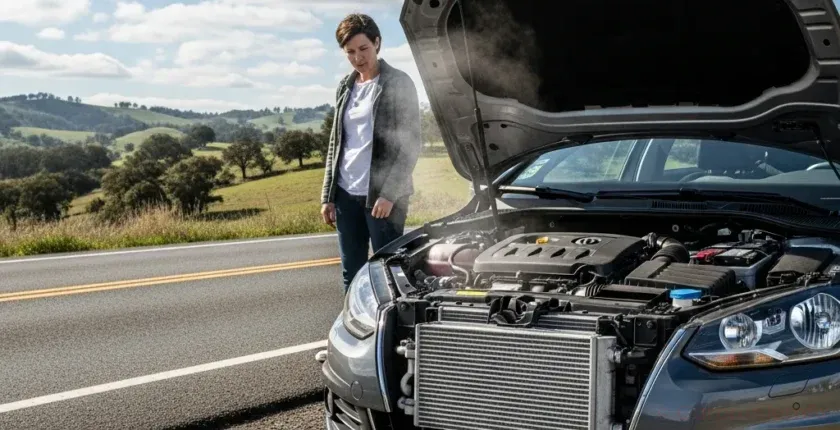
An overheating engine is one of the fastest ways to turn a running car into a very expensive repair. The good news: most overheating problems start with small, fixable issues that give you warning before anything catastrophic happens.
- 1. What “Overheating” Really Means (and Why It’s So Serious)
- 2. Immediate Steps if Your Engine Starts Overheating
- 3. Common Causes of an Overheating Engine
- 3.1. 1. Low or Contaminated Coolant
- 3.2. 2. Radiator Problems
- 3.3. 3. Thermostat Stuck Closed (or Partially Closed)
- 3.4. 4. Water Pump Failure
- 3.5. 5. Cooling Fan Issues (Electric or Belt-Driven)
- 3.6. 6. Air Pockets or Improper Bleeding
- 3.7. 7. Head Gasket or Internal Engine Problems
- 4. Beginner-Friendly Checks for an Overheating Engine
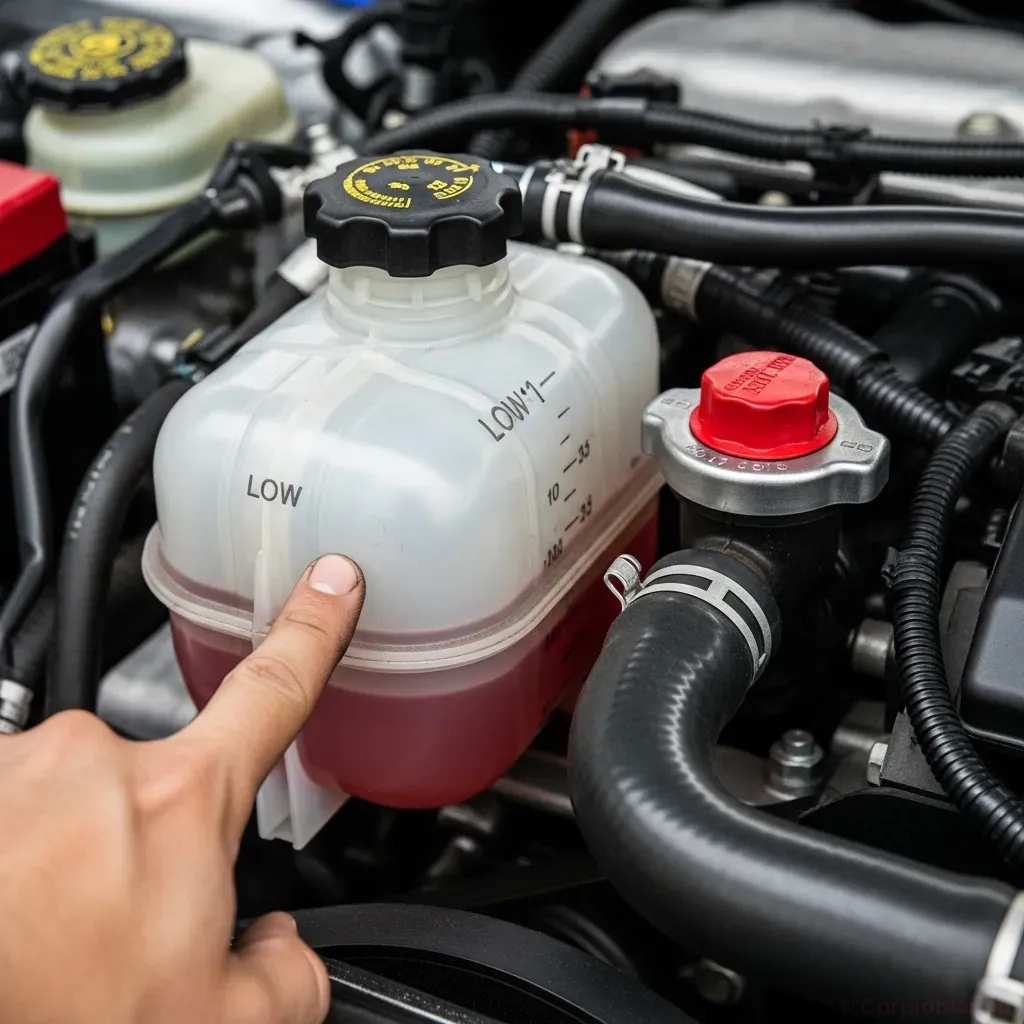
- 4.1. Step 1: Check Coolant Level Safely
- 4.2. Step 2: Look for External Leaks
- 4.3. Step 3: Check Cooling Fan Operation
- 4.4. Step 4: Feel the Radiator Hoses (Carefully)
- 4.5. Step 5: Watch for Related Symptoms
- 5. How to Prevent Overheating Before It Starts
- 5.1. 1. Maintain Coolant Level and Condition
- 5.2. 2. Inspect Hoses and Belts Regularly
- 5.3. 3. Keep the Radiator and Front Grille Clear
- 5.4. 4. Pay Attention to Early Warning Signs
- 5.5. 5. Be Extra Careful in Extreme Conditions
- 6. When You Should Stop Driving and Call a Mechanic
- 7. Summary and Next Steps
This beginner-friendly guide explains what overheating actually is, the most common causes, safe checks you can do yourself, and how to avoid major damage if your temperature gauge suddenly spikes.
What “Overheating” Really Means (and Why It’s So Serious)
Your engine creates a lot of heat every time it runs. The cooling system’s job is to carry that heat away and keep engine temperature in a safe range. When something in that system fails, heat builds up faster than it can be removed.
Most modern cars use a dashboard temperature gauge or a red temperature warning light. If the needle climbs into the red zone, or the red coolant/temperature light comes on, your engine is either overheating or very close to it.
Driving while overheating can cause:
- Warped cylinder head or blown head gasket
- Cracked engine block or cylinder head
- Burned valves, damaged pistons, or seized engine
Those repairs can easily cost more than the car is worth. That’s why knowing how to react quickly and safely is so important.
Immediate Steps if Your Engine Starts Overheating
If you notice the temperature climbing or see steam from the hood, your first goal is to protect the engine from damage and keep yourself safe.
- Turn off A/C and turn heater to HOT, fan on high. This can pull some heat away from the engine and buy you time. If the gauge keeps rising, move to the next steps.
- Safely pull over as soon as possible. Use your signals, move to the shoulder or a safe parking lot, and put the car in Park with the parking brake on.
- Let the engine idle for a minute, then shut it off. Idling briefly with the heater on can help pull heat out. If the temperature is still climbing or you see heavy steam, shut the engine off immediately.
- Do NOT open the radiator cap while hot. Pressurized, boiling coolant can erupt and cause serious burns. Wait at least 30–45 minutes before opening any cooling system cap.
- Visually check for leaks and obvious damage. Look under the car for puddles and around the engine bay (with the hood propped safely) for spraying coolant or broken hoses.
- Decide whether to drive or tow. If the gauge returns to normal and you find a minor issue (like low coolant) you may be able to limp home or to a shop. If it overheats again quickly, call for a tow. Repeated overheating can destroy the engine.
If the car will not restart after overheating, the problem may overlap with other no-start issues. For a broader diagnostic approach, see Car Won’t Start in Cold Weather: Causes, Diagnosis & Fixes for step-by-step starting checks that also apply in warm conditions.
Common Causes of an Overheating Engine
Most overheating problems come down to one of a few systems not doing its job. Understanding these helps you narrow down what to check first.
1. Low or Contaminated Coolant
Coolant (also called antifreeze) carries heat away from the engine and into the radiator. If the level is low, or the fluid is old and dirty, it can’t absorb and move heat effectively.
- Typical signs: Temperature climbs especially in traffic, heater may blow cold, visible low level in reservoir, possible sweet smell or colored puddle under car.
- Common causes: Small hose leaks, loose clamps, leaking radiator, leaking water pump, or a slow internal leak like a head gasket.
2. Radiator Problems
The radiator cools the hot coolant using air flow. If it’s clogged, damaged, or not getting enough air, coolant stays too hot.
- Typical signs: Overheats more at highway speeds if internal passages are clogged, or more in traffic if airflow is blocked.
- Common causes: Corrosion inside radiator, external fins bent or packed with dirt/bugs, leaking plastic tanks, or a stuck radiator cap that can’t hold pressure.
3. Thermostat Stuck Closed (or Partially Closed)
The thermostat is a temperature-controlled valve that opens to let coolant flow through the radiator. If it sticks closed, coolant can’t circulate properly.
- Typical signs: Engine warms up very quickly, gauge spikes into hot range, upper radiator hose stays relatively cool while engine is very hot.
- Common causes: Old age, poor-quality coolant, or contamination causing the thermostat to jam.
4. Water Pump Failure
The water pump is the heart of the cooling system, pushing coolant through the engine and radiator. When it fails, coolant flow drops or stops.
- Typical signs: Overheating at all speeds, possible coolant leak at front of engine, grinding or whining noise from pump area, wobbly pulley.
- Common causes: Worn bearings, failed seals, corroded impeller, or broken drive belt.
5. Cooling Fan Issues (Electric or Belt-Driven)
Cooling fans pull air through the radiator, especially at low speeds and in traffic. If they don’t run when needed, heat builds up quickly.
- Typical signs: Overheats mainly at idle or in slow traffic, but runs cooler at highway speeds when natural airflow increases.
- Common causes: Failed fan motor, bad fan relay, blown fuse, faulty temperature sensor, or worn fan clutch on older belt-driven fans.
6. Air Pockets or Improper Bleeding
Air trapped in the cooling system can block coolant flow and cause hot spots in the engine.
- Typical signs: Temperature gauge swings up and down, heater output changes from hot to cold, gurgling sounds behind the dash.
- Common causes: Coolant changed without proper bleeding, low coolant allowing air in, or leaks that suck air as the engine cools.
7. Head Gasket or Internal Engine Problems
This is the serious end of the spectrum. A failing head gasket can let combustion gases enter the cooling system or coolant enter the cylinders.
- Typical signs: Repeated overheating, pressurized hoses even when cold, white exhaust smoke, milky oil, unexplained coolant loss with no visible leaks.
- Common causes: Previous severe overheating, age, or manufacturing defects.
If you suspect a head gasket problem, it’s wise to stop driving and get a professional diagnosis. Persistent overheating combined with a check engine light and catalytic converter codes like P0420 (catalyst efficiency) can indicate long-term heat stress. For more on that, see OBD2 Code P0420: Catalyst System Efficiency Below Threshold – Causes, Diagnosis & Fixes.
Beginner-Friendly Checks for an Overheating Engine
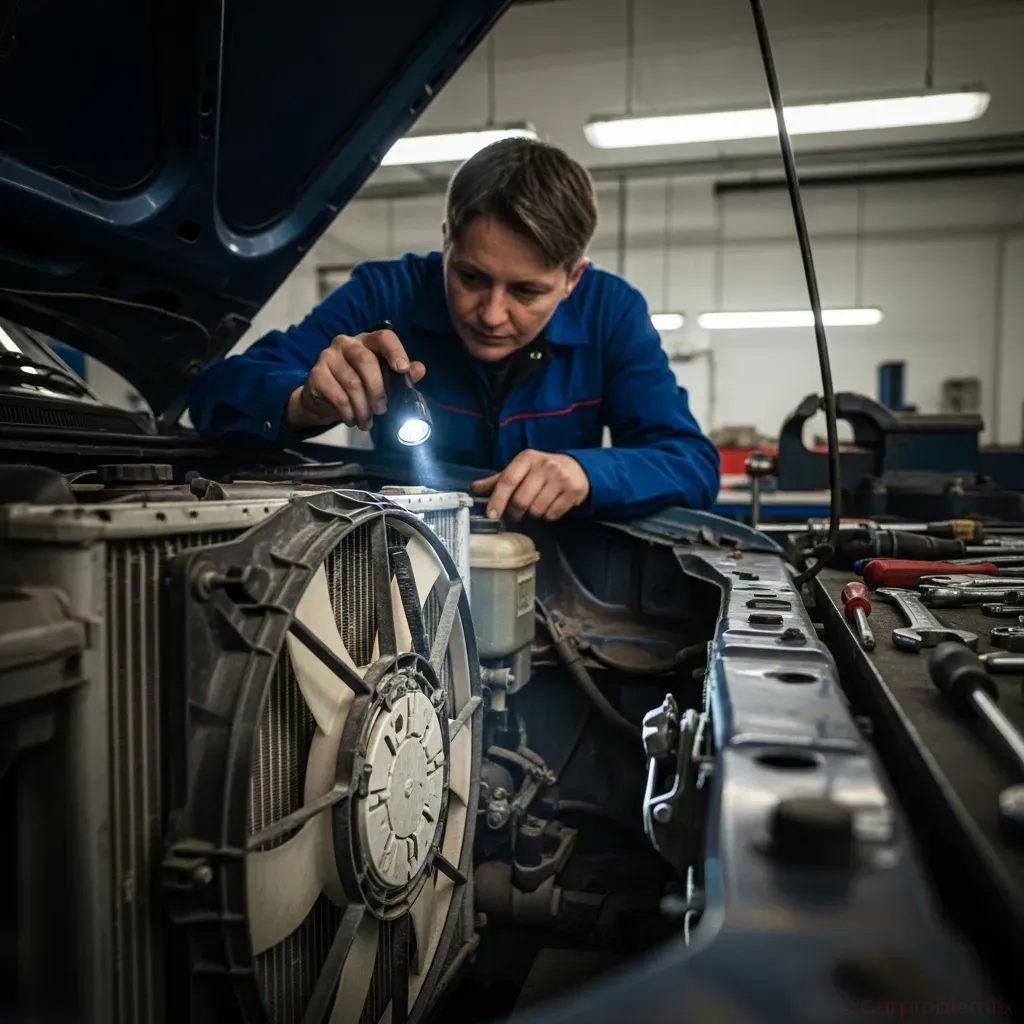
Once the engine has fully cooled (at least 30–60 minutes), you can do several simple checks without special tools. Never rush this step—hot coolant and steam can cause severe burns.
Step 1: Check Coolant Level Safely
- Confirm the engine is cold. The upper radiator hose should feel cool or just slightly warm to the touch.
- Locate the coolant reservoir. It’s usually a translucent plastic tank with “MIN” and “MAX” markings.
- Check the level against the marks. If it’s below MIN, you likely have a leak or the system was never filled properly.
- If low, top up with the correct coolant mix. Use the type specified in your owner’s manual. In an emergency, adding clean water is better than running dry, but plan to flush and refill later.
- Do NOT open the radiator cap while hot. If you need to open it, place a thick rag over the cap and loosen it slowly with the engine cold only.
If you repeatedly lose coolant after topping up, there is a leak somewhere that needs attention.
Step 2: Look for External Leaks
- Inspect the ground under the car. Look for colored puddles (green, orange, pink, or blue depending on coolant type). Water from the A/C drain is normal and clear; coolant has color and a sweet smell.
- Check hoses and connections. Look at the upper and lower radiator hoses, heater hoses going into the firewall, and small hoses around the reservoir for wet spots, crusty residue, or splits.
- Inspect the radiator. Look for wet fins, white or colored crust, or cracks in plastic end tanks.
- Check around the water pump. Often located at the front of the engine, it may have a small “weep hole” where coolant leaks when the internal seal fails.
Any visible leak should be addressed quickly. Even a small drip can eventually cause overheating and, if ignored, engine damage.
Step 3: Check Cooling Fan Operation
- Start the engine and let it warm up while parked. Keep an eye on the temperature gauge.
- Turn the A/C on. On many cars, this should trigger at least one cooling fan to run.
- Observe the fans behind the radiator. They should spin when the engine gets hot or when the A/C is on.
- If the gauge climbs but fans don’t run, you may have a bad fan motor, relay, fuse, or temperature sensor.
Checking fuses is usually beginner-friendly. Your owner’s manual will show the cooling fan fuse location. Replace any blown fuse with the same rating; if it blows again quickly, there’s likely a deeper electrical issue.
Step 4: Feel the Radiator Hoses (Carefully)
This simple test can give clues about thermostat and circulation problems.
- With the engine warm but not overheating, carefully feel the upper and lower radiator hoses.
- Both hoses should feel hot once the thermostat opens and coolant is circulating.
- If the upper hose is very hot and the lower is much cooler, the radiator may be restricted or the thermostat may be stuck.
- If both stay cool while the gauge reads hot, the thermostat may be stuck closed or there may be an air pocket.
Do not squeeze hoses if they feel rock-hard and very hot; that indicates high pressure and you could get burned if something fails.
Step 5: Watch for Related Symptoms
Overheating often comes with other clues that point to the root cause:
- Heater blows cold when idling but warm when revved: Possible low coolant or air in the system. For more heater-specific guidance, see Car Heater Not Blowing Hot Air: Causes, Diagnosis & Fixes for a Cold Cabin.
- Car vibrates or loses power when hot: Could be misfires or driveline issues made worse by heat. See Car Vibrates While Accelerating: Beginner’s Guide to Causes, Easy Checks and When to Worry for more on that symptom.
- Repeated overheating after topping coolant: Possible head gasket or major leak; stop driving and get it checked.
How to Prevent Overheating Before It Starts
Most overheating problems are preventable with a few simple habits and basic maintenance. You don’t need to be a mechanic to reduce your risk dramatically.
1. Maintain Coolant Level and Condition
- Check coolant level monthly. A quick glance at the reservoir can catch slow leaks early.
- Follow coolant change intervals. Old coolant loses corrosion protection and can clog passages. Your owner’s manual lists the recommended schedule.
- Use the correct coolant type. Mixing incompatible coolants can cause sludge and poor heat transfer.
2. Inspect Hoses and Belts Regularly
- Look for soft, swollen, or cracked hoses. Replace any that feel mushy, have bulges, or show surface cracks.
- Check drive belts for cracks or glazing. Many water pumps are driven by the serpentine belt; if the belt slips or breaks, coolant flow stops.
- Listen for squealing belts. That can indicate slipping, which reduces water pump and fan performance.
3. Keep the Radiator and Front Grille Clear
- Periodically inspect the radiator fins. Gently remove leaves, bugs, and debris using low-pressure water from the front side.
- Don’t block the grille with plates or accessories. Anything that restricts airflow can raise operating temperatures, especially in hot weather or when towing.
4. Pay Attention to Early Warning Signs
- Rising temperature gauge in traffic. This is an early sign of fan or airflow issues.
- Coolant smell or small drips. Address small leaks early before they become major failures.
- Heater performance changes. Sudden loss of heat can be an early warning of low coolant or air in the system.
Also, if you notice repeated battery drains or electrical issues, fix them promptly. Overworked alternators and electrical faults can indirectly stress the cooling system. For tracking down hidden draws, see Parasitic Battery Drain Diagnosis: Track Down Hidden Electrical Draws Before You Get Stranded.
5. Be Extra Careful in Extreme Conditions
- Hot weather and heavy loads (towing, mountain driving) put extra stress on the cooling system. Watch the gauge more often and avoid long, high-RPM climbs if the temperature starts to creep up.
- After refueling on very hot days, if the car struggles to restart or runs poorly, there may be combined fuel and heat issues. See Car Won’t Start After Getting Gas: Causes, Diagnosis & Fixes Before You’re Stuck at the Pump for that specific situation.
When You Should Stop Driving and Call a Mechanic
Some overheating situations are too risky to keep driving, even a short distance. In these cases, it’s safer and cheaper in the long run to get a tow.
- The temperature gauge is in the red or warning light is on and doesn’t drop quickly when you turn on the heater and reduce load.
- You see heavy steam or hear boiling from under the hood.
- Coolant level is very low and you can’t identify or temporarily fix the leak.
- There are signs of head gasket failure, such as milky oil, thick white exhaust smoke, or rapid pressurization of the cooling system.
- The car overheats again within a few minutes after cooling down and topping off coolant.
A professional mechanic can pressure-test the cooling system, check for combustion gases in the coolant, verify thermostat and fan operation, and inspect the radiator and water pump. These tests quickly pinpoint issues that are hard to confirm in a driveway.
Summary and Next Steps
An overheating engine is not something to ignore, but it also doesn’t have to mean a blown engine. Knowing how to react quickly, check coolant safely, and spot common issues like leaks, bad fans, or thermostat problems can save you from major damage.
Use the steps in this guide to do basic checks once the engine is cool, and pay attention to early warning signs like rising temperature in traffic or unexplained coolant loss. If the engine overheats repeatedly, shows signs of internal damage, or you’re unsure what you’re seeing, stop driving and call a trusted mechanic or tow service. Acting early is almost always cheaper than driving “just a bit farther” with an overheating engine.
How do you rate this guide?

Related Posts
Comments have been disabled.
