
How to Choose a Safe, Reliable Family Car in 2025: A Practical Buyer’s Guide
A detailed, practical guide to choosing a safe, reliable family car in 2025. Learn how to prioritize safety ratings, reliability, space, child-seat compatibility, and ownership costs before you buy....


Shopping for a family car in 2025 is more complicated than ever. Between SUVs, crossovers, minivans, hybrids, and EVs, it’s easy to get overwhelmed by marketing buzzwords and tech features that don’t actually matter to your daily life.
- 1. Step 1: Define What “Family Car” Really Means for You
- 1.1. Key Questions to Answer First
- 2. Step 2: Choose the Right Body Style for Your Family
- 2.1. Compact SUV / Crossover
- 2.2. Midsize SUV
- 2.3. Minivan
- 2.4. Wagon / Large Hatchback
- 3. Step 3: Prioritize Safety Features and Ratings
- 3.1. Crash Test Ratings to Check
- 3.2. Must-Have Active Safety Features in 2025
- 4. Step 4: Evaluate Child-Seat and Family-Friendliness
- 4.1. Child-Seat Compatibility Checklist
- 4.2. Everyday Family Convenience Features
- 5. Step 5: Balance Power, Fuel Economy, and Drivetrain
- 5.1. Gas, Hybrid, or Electric?
- 5.2. Engine and Drivetrain Tips
- 6. Step 6: Understand Reliability and Long-Term Costs
- 6.1. How to Research Reliability
- 6.2. Budgeting for Ownership Costs
- 7. Step 7: Test Drive Like a Parent, Not a Reviewer
- 7.1. What to Bring to the Test Drive
- 7.2. Test Drive Checklist
- 8. Step 8: Decide New vs Used for a Family Car
- 8.1. When a New Family Car Makes Sense
- 8.2. When a Used Family Car Makes Sense
- 9. Step 9: Avoid Common Family Car Buying Mistakes
- 9.1. Top Mistakes to Avoid
- 10. Step 10: Create a Shortlist and Compare
- 10.1. Comparison Criteria
- 11. Final Thoughts: Buy for the Life You Actually Live
This guide cuts through the noise. We’ll walk step-by-step through how to choose a safe, reliable family vehicle that fits your budget and lifestyle, and how to avoid common mistakes that leave many parents stuck with a thirsty, cramped, or high-maintenance car.
Step 1: Define What “Family Car” Really Means for You
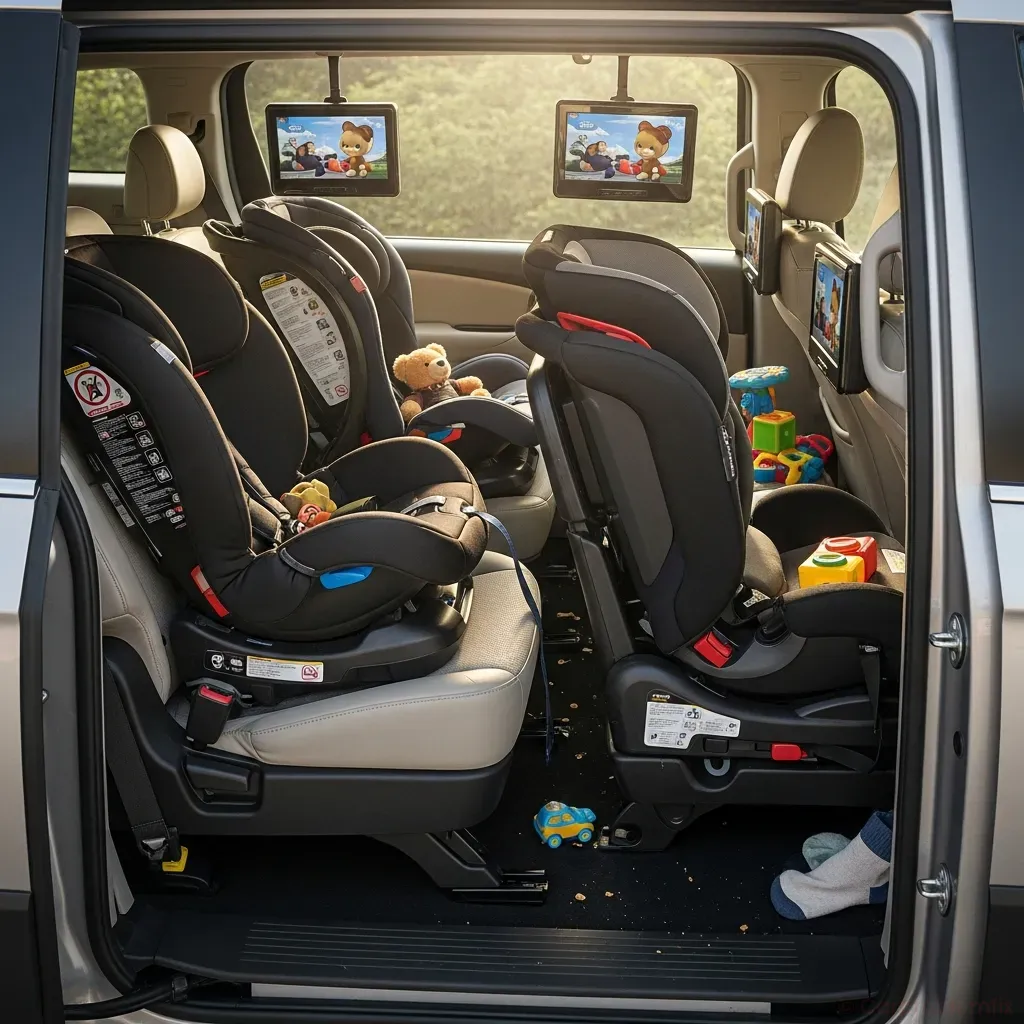

Before you look at brands or body styles, get clear on your needs. A family car for a couple with one toddler is very different from what a family of five with teenagers needs.
Key Questions to Answer First
- How many passengers regularly ride with you? Count kids, adults, and frequent carpool guests.
- How many child seats do you need? Rear-facing, forward-facing, boosters—each takes different space.
- Do you need a third row? Occasional vs. regular use matters for comfort and cargo space.
- What kind of driving do you do? Mostly city, highway, or mixed? Long road trips or short commutes?
- Weather conditions? Snow, ice, heavy rain may push you toward AWD and better ground clearance.
- Garage and parking constraints? Measure length, width, and height limits before you shop.
- Budget and ownership horizon? Are you keeping the car 3 years or 10+ years?
Write these answers down. They’ll help you filter out cars that simply don’t fit your reality, no matter how attractive the price or styling.
Step 2: Choose the Right Body Style for Your Family
Most family buyers in 2025 end up in one of four categories: compact SUV, midsize SUV, minivan, or wagon/hatchback. Each has trade-offs.
Compact SUV / Crossover
- Best for: Small families (1–2 kids), urban/suburban driving, light road trips.
- Pros: Easy to park, good visibility, better fuel economy than large SUVs, often available with AWD.
- Cons: Limited third-row options, tight cargo space with a stroller and luggage, can feel cramped with rear-facing seats.
Midsize SUV
- Best for: 2–3 kids, occasional third-row use, families who tow small trailers or boats.
- Pros: More power, more space, available third row, higher towing capacity.
- Cons: Higher fuel consumption, more expensive tires and maintenance, can be bulky in tight parking.
Minivan
- Best for: 3+ kids, frequent road trips, maximum practicality.
- Pros: Sliding doors, low step-in height, huge cargo space, excellent child-seat access, generally very comfortable.
- Cons: Image stigma for some buyers, fewer AWD options than SUVs, larger footprint.
Wagon / Large Hatchback
- Best for: Small families who prioritize driving dynamics and fuel economy over height and size.
- Pros: Car-like handling, good fuel economy, long cargo area, easier loading than sedans.
- Cons: Lower ride height (less visibility), limited third-row options, fewer choices in the U.S. market.
Don’t choose on looks alone. If you routinely carry multiple kids, strollers, and sports gear, a minivan or midsize SUV will usually be more livable than a compact SUV, even if the compact looks sleeker.
Step 3: Prioritize Safety Features and Ratings
For a family car, safety isn’t optional—it’s the main course. You’re not just protecting yourself; you’re protecting children who may be in car seats for years.
Crash Test Ratings to Check
- IIHS (Insurance Institute for Highway Safety): Look for Top Safety Pick or Top Safety Pick+. Pay special attention to small overlap front, side impact, and updated moderate overlap tests.
- NHTSA (National Highway Traffic Safety Administration): Aim for 5-star overall rating. Compare frontal, side, and rollover scores.
Don’t just glance at the overall score. Some vehicles perform well in frontal crashes but poorly in side impacts or rear-seat protection. If your kids ride in the back, rear-occupant safety is critical.
Must-Have Active Safety Features in 2025
Most modern family cars offer a suite of driver-assistance features. Some are genuinely helpful; others are nice-to-have. Focus on:
- Automatic Emergency Braking (AEB): Detects vehicles and often pedestrians/cyclists, can reduce severity of crashes or avoid them entirely.
- Forward Collision Warning: Alerts you before AEB kicks in, giving you time to react.
- Blind-Spot Monitoring: Especially important in SUVs with larger blind spots and for lane changes on busy highways.
- Rear Cross-Traffic Alert: Very useful when backing out of driveways or crowded parking lots with kids around.
- Lane Keeping Assist / Lane Departure Warning: Helps prevent unintentional lane drift on long drives.
- Adaptive Cruise Control: Reduces fatigue on road trips and heavy traffic commutes.
Be wary of over-relying on these systems. They assist; they don’t replace attentive driving. If you’re considering a hybrid or plug-in hybrid SUV, it’s also worth reading up on what happens when the hybrid system warning light turns on, so you understand the extra complexity involved.
Step 4: Evaluate Child-Seat and Family-Friendliness
A car can look huge on the outside and still be a nightmare for child seats. Bring your actual seats to the test drive if possible.
Child-Seat Compatibility Checklist
- LATCH anchor access: Are lower anchors easy to reach without digging into the seat cushions?
- Top tether locations: Essential for forward-facing seats; check how many there are and where they’re placed.
- Rear-facing clearance: Can you install a rear-facing seat behind a tall driver without crushing legroom?
- Third-row usability: If you need three rows, can you access the third row with child seats installed in the second row?
- Seat belt geometry: Some belts sit too far forward or too high for boosters; test with your child if possible.
Everyday Family Convenience Features
- Sliding rear doors (minivans): Huge advantage in tight parking lots and when loading kids in car seats.
- Hands-free tailgate: Very helpful when carrying kids, groceries, or strollers.
- Flat load floor: Makes loading strollers, bikes, and luggage easier.
- Rear climate controls: Keeps kids comfortable without freezing the driver.
- Durable interior materials: Leatherette or easy-clean cloth resists spills and crayons better than delicate materials.
Don’t underestimate how much time you’ll spend buckling and unbuckling kids. A slightly more expensive vehicle that makes this process easier can pay off in sanity over years of ownership.
Step 5: Balance Power, Fuel Economy, and Drivetrain
Family cars often carry extra weight—kids, gear, cargo. Underpowered engines can feel strained, while oversized engines waste fuel.
Gas, Hybrid, or Electric?
- Gasoline: Widest selection, lower upfront cost, easy refueling. Good choice if you drive moderate miles and don’t want complexity.
- Hybrid: Great for city driving and stop-and-go traffic. Lower fuel costs and often excellent reliability, but more complex systems. Make sure you understand what to do if a hybrid system warning light appears.
- Plug-in Hybrid (PHEV): Short electric-only trips with gas backup. Ideal if you have home charging and a predictable commute.
- Full EV: Quiet, quick, low running costs, but range and charging infrastructure must match your lifestyle, especially for road trips with kids.
Engine and Drivetrain Tips
- Avoid the absolute base engine in larger SUVs if you regularly carry a full load or tow; test acceleration on on-ramps and hills.
- AWD vs FWD: AWD improves traction in snow and rain but adds weight and cost. If you live in a mild climate and use good all-season or winter tires, FWD may be sufficient.
- Towing needs: If you plan to tow a camper, boat, or utility trailer, verify the actual tow rating and required equipment (tow package, transmission cooler, brake controller).
Check real-world fuel economy from owner forums and independent tests; window sticker ratings can be optimistic, especially for turbocharged engines in heavy vehicles.
Step 6: Understand Reliability and Long-Term Costs

A cheap purchase price can be wiped out by constant repairs, expensive tires, or high insurance premiums. Think in terms of total cost of ownership over 5–10 years.
How to Research Reliability
- Owner forums: Look for recurring issues (transmission problems, electrical gremlins, premature brake wear).
- Long-term reviews: Automotive outlets that run cars for 40,000–100,000 miles provide insight into real-world durability.
- Recalls and TSBs: Check for frequent recalls or technical service bulletins on the model you’re considering.
Pay attention to problem patterns like hard shifting, hybrid system faults, or steering and brake issues. For example, if a model is known for a steering wheel that shakes when braking, you may face premature rotor or suspension wear.
Budgeting for Ownership Costs
- Insurance: Get quotes for specific models before you buy; SUVs and performance trims can be surprisingly expensive.
- Maintenance: Compare service intervals and costs for items like timing belts vs chains, CVT vs traditional automatics, and hybrid battery warranties.
- Tires: Large wheels with low-profile tires look good but cost more and wear faster, especially on heavy SUVs.
- Fuel: Premium fuel requirements add up quickly over years of family driving.
Ask the dealer for a sample maintenance schedule and price list, or check online service menus. This will give you a realistic idea of annual costs.
Step 7: Test Drive Like a Parent, Not a Reviewer
Most test drives are too short and too focused on acceleration and gadgets. For a family car, you need to simulate real life.
What to Bring to the Test Drive
- Your stroller(s)
- Your child seats and boosters
- A typical load of bags or sports gear
- At least one other adult and, if possible, your kids
Test Drive Checklist
- Loading and unloading: How easy is it to get strollers and gear in and out? Do you have to remove the cargo cover?
- Car seat installation: Time how long it takes to install a seat properly. Check headroom and legroom with the seat installed.
- Visibility: Are there blind spots when backing out of a driveway or parking space?
- Ride comfort: Drive on rough roads and at highway speeds. Listen for wind and road noise—kids may be sleeping or watching a movie.
- Parking: Try parallel parking and tight spaces to see how manageable the vehicle feels.
- Controls: Can you adjust climate, audio, and navigation without digging through confusing menus?
Ask the dealer for an extended test drive or overnight loan if possible. A longer drive reveals more about seat comfort and ergonomics than a 10-minute loop around the block.
Step 8: Decide New vs Used for a Family Car
Both new and used vehicles can make excellent family cars. The best choice depends on your budget, risk tolerance, and how long you plan to keep the vehicle.
When a New Family Car Makes Sense
- You want the latest safety tech and crash protection.
- You plan to keep the vehicle 8–10+ years.
- You value a full warranty and predictable maintenance.
When a Used Family Car Makes Sense
- You want to avoid the steepest depreciation hit.
- You’re comfortable with some wear as long as safety and reliability are solid.
- You can invest in a thorough pre-purchase inspection.
With used vehicles, a professional inspection is non-negotiable. Ask the mechanic to check for accident damage, flood signs, suspension wear, brake condition, and any signs of neglected maintenance. If the seller mentions issues like hard starting after refueling, research potential problems such as those covered in cars that won’t start after getting gas.
Step 9: Avoid Common Family Car Buying Mistakes
Even experienced buyers fall into predictable traps when shopping for a family vehicle.
Top Mistakes to Avoid
- Buying too small: A compact SUV might work with one infant, but once you add a second child and gear, it can feel cramped. Think 5–10 years ahead.
- Overbuying on size and power: A massive three-row SUV with a big V8 may be unnecessary if you rarely use the third row or tow.
- Ignoring cargo space with all seats up: Many three-row SUVs have almost no usable cargo room when the third row is in use.
- Focusing on screens over ergonomics: Big touchscreens look modern but can be distracting and frustrating if basic functions are buried in menus.
- Skipping a real-world test: Not testing car seats, strollers, and parking in your actual environment can lead to daily annoyances.
Make a checklist of your must-haves and nice-to-haves before visiting dealerships. If a model fails your must-haves (safety, space, child-seat fit), walk away, no matter how good the deal looks.
Step 10: Create a Shortlist and Compare
Once you’ve done your homework, narrow your choices to 3–5 models. Then compare them directly.
Comparison Criteria
- Safety: Crash ratings, standard vs optional safety tech.
- Space: Rear-seat legroom, headroom, cargo volume with seats up and folded.
- Driving experience: Comfort, noise levels, power, braking feel.
- Ownership costs: Fuel, insurance, maintenance, tires.
- Family usability: Child-seat fit, access to third row, storage cubbies, cupholders.
Use a simple spreadsheet or checklist to score each vehicle in these categories. This structured approach makes it easier to choose rationally instead of being swayed by color, trim, or monthly payment alone.
Final Thoughts: Buy for the Life You Actually Live
The best family car in 2025 isn’t the one with the biggest screen or the most aggressive styling. It’s the one that quietly does its job every single day—getting your family where they need to go safely, comfortably, and affordably.
Focus on safety, space, reliability, and real-world usability. Bring your kids, seats, and gear to the test drive. Think about how your family will grow over the next decade. If you do that, you’ll end up with a family car that feels like a trusted tool, not a constant compromise.
How do you rate this guide?

Related Posts



Comments have been disabled.
