DIY Headlight Restoration: Clear Cloudy Lenses and Improve Night Visibility
Learn how to safely restore yellow, cloudy headlights at home with basic tools, improve night visibility, and avoid expensive replacements....

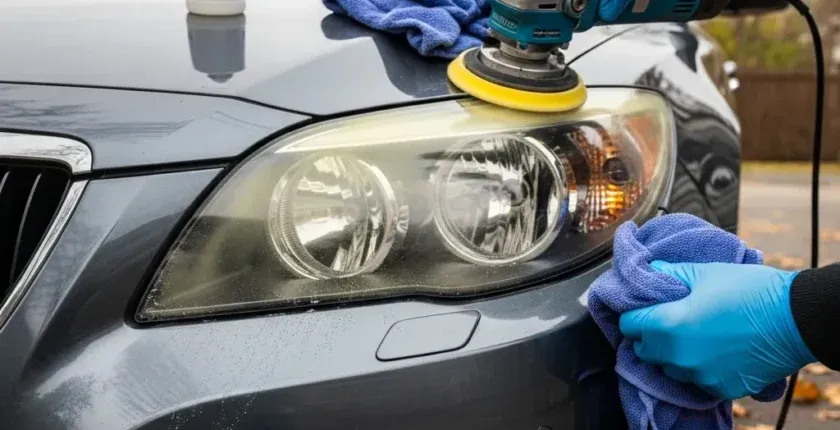
Cloudy, yellowed headlights don’t just make your car look old—they seriously cut down how far you can see at night. The good news: you usually don’t need new headlight assemblies. With a bit of time, a few inexpensive supplies, and some patience, you can restore your headlights at home and get most of that lost clarity back.
- 1. Why Do Headlights Turn Yellow and Cloudy?
- 2. Is DIY Headlight Restoration Right for You?
- 3. Tools and Materials You’ll Need
- 3.1. Required Supplies
- 3.2. Optional but Helpful
- 4. Safety and Preparation
- 5. Step-by-Step DIY Headlight Restoration
- 5.1. Step 1: Clean the Headlights Thoroughly
- 5.2. Step 2: Mask Off Surrounding Areas
- 5.3. Step 3: Wet Sand to Remove Oxidation
- 5.3.1. General Wet Sanding Tips
- 5.3.2. Grit Progression
- 5.4. Step 4: Polish the Lens to Restore Clarity
- 5.4.1. By Hand
- 5.4.2. With a Drill and Polishing Pad
- 5.5. Step 5: Apply a UV-Protective Clear Coat or Sealant
- 5.5.1. Surface Prep
- 5.5.2. Using a Wipe-On or Brush-On Headlight Coating
- 5.5.3. Using a Spray Clear Coat (Advanced)
- 6. How Long Will DIY Headlight Restoration Last?
- 7. Common Mistakes to Avoid
- 8. Maintenance Tips to Keep Headlights Clear
- 9. When to Replace Instead of Restore
- 10. Final Thoughts
This beginner-friendly guide walks you through why headlights get cloudy, how to choose the right DIY method, and a detailed step-by-step process to restore them safely and effectively.
Why Do Headlights Turn Yellow and Cloudy?
Modern headlight lenses are made from polycarbonate plastic. It’s tough and impact-resistant, but it doesn’t age gracefully without protection.
- UV damage: Sunlight breaks down the outer layer of plastic and the factory UV coating, causing yellowing and haziness.
- Oxidation: The plastic reacts with oxygen in the air, forming a dull, chalky layer.
- Road debris and sand: Tiny impacts create micro-scratches that scatter light.
- Chemicals and car washes: Harsh cleaners or automatic brushes can strip or damage the UV coating.
The result is a rough, cloudy surface that scatters light instead of letting it pass cleanly. You see less of the road, and oncoming drivers see a dimmer, more diffuse beam.
Is DIY Headlight Restoration Right for You?
DIY restoration is a great option if:
- The outside of the lens looks yellow, hazy, or chalky.
- You can feel roughness when you run your fingernail across the lens.
- The inside of the lens looks clean (no moisture or fogging inside the housing).
You may need professional help or replacement if:
- There is condensation or water inside the headlight.
- The lens is cracked, deeply gouged, or broken.
- The reflector or projector inside looks burned, flaking, or dull.
If the damage is mostly surface-level oxidation, a DIY restoration can dramatically improve clarity and night visibility for a fraction of the cost of new assemblies.
Tools and Materials You’ll Need
You can buy a complete headlight restoration kit, or gather your own supplies. Here’s what you’ll need for a thorough, long-lasting job.
Required Supplies
- Automotive masking tape (1″–2″ wide) to protect paint and trim.
- Spray bottle with clean water (optional: add a drop of dish soap).
- Microfiber towels (3–5 clean ones).
- Plastic-safe cleaner (glass cleaner without ammonia, or car wash soap solution).
- Sandpaper in multiple grits: typically 600, 800, 1000, 1500, 2000 (wet/dry type).
- Polishing compound (plastic or fine automotive polish).
- UV-resistant clear coat or sealant made for headlights or plastic.
Optional but Helpful
- Drill or cordless screwdriver with a foam polishing pad attachment.
- Nitrile gloves to keep chemicals off your skin.
- Painter’s paper or plastic sheeting to cover nearby panels.
- Isopropyl alcohol (70–90%) for final wipe before clear coat.
Safety and Preparation
Before you start sanding your headlights, take a few minutes to set up safely and avoid damage.
- Work in the shade: Direct sun can dry out sanding water and clear coat too quickly, causing streaks or uneven results.
- Cool surfaces only: Don’t work on hot lenses; let the car cool first.
- Protect your paint: Use masking tape around the headlight edges, and cover nearby panels if you’ll be spraying clear coat.
- Wear eye protection: Especially when using a drill or spraying chemicals.
Step-by-Step DIY Headlight Restoration
Step 1: Clean the Headlights Thoroughly
Start with a clean surface so you’re only sanding plastic, not dirt.
- Wash the headlights with car wash soap or a mild cleaner and water.
- Use a microfiber towel to remove bugs, road grime, and any wax or sealant.
- Dry completely with a clean microfiber towel.
Step 2: Mask Off Surrounding Areas
Protect paint, rubber, and trim from accidental sanding or polish.
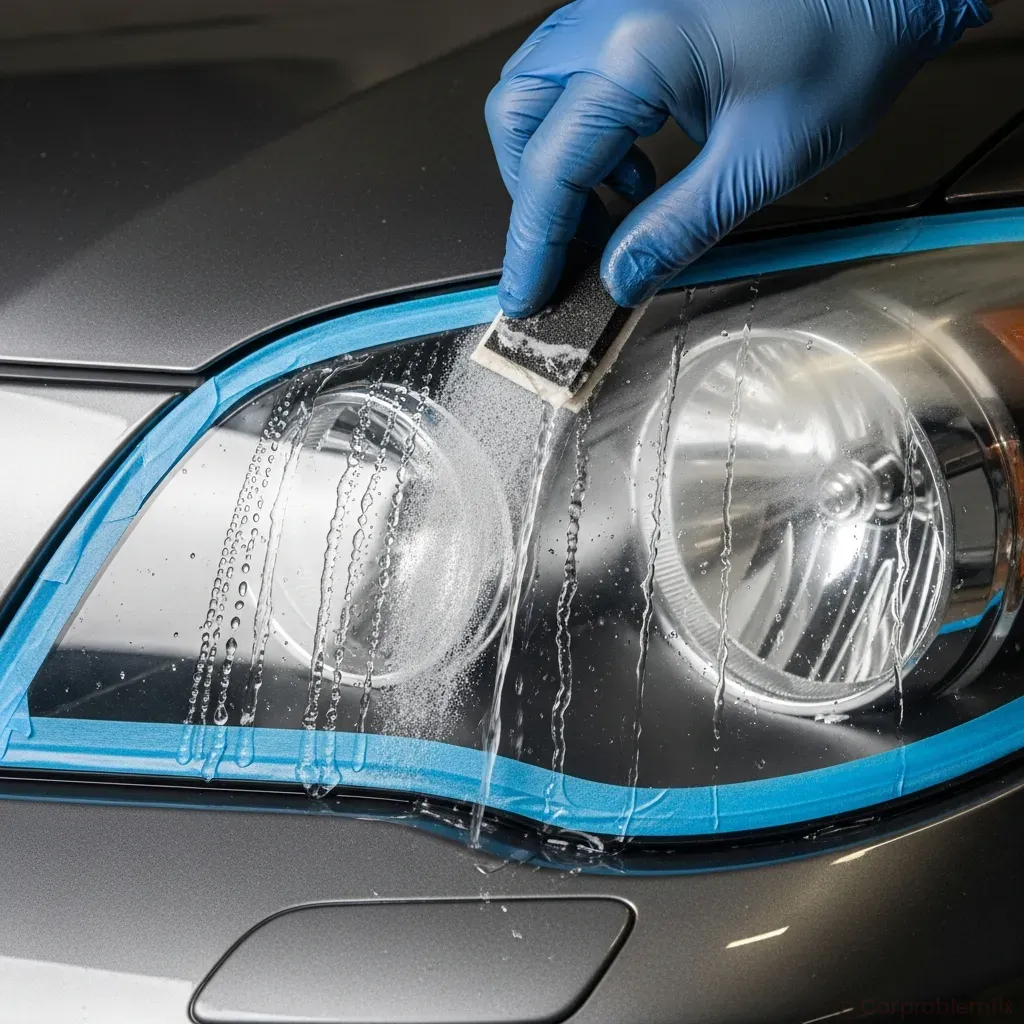
- Apply masking tape around the entire perimeter of the headlight.
- Use multiple layers if you’re new to sanding or using a drill.
- If you plan to spray clear coat, cover nearby panels with paper or plastic.
Step 3: Wet Sand to Remove Oxidation
This is where the real restoration happens. You’re leveling the damaged outer layer of plastic so light can pass through more cleanly.
General Wet Sanding Tips
- Always keep the lens and sandpaper wet. Dry sanding can overheat and scratch.
- Sand in straight, overlapping strokes, not circles. Change direction with each grit (horizontal, then vertical) to see when old scratches are gone.
- Use light to moderate pressure. Let the paper do the work.
Grit Progression
The exact grits may vary, but a common sequence is 600 → 800 → 1000 → 1500 → 2000. If your kit includes different grits, follow its instructions but keep the same idea: start coarser, finish finer.
- Coarse grit (around 600–800):
- Spray the lens and sandpaper with water.
- Sand evenly across the entire lens in one direction (e.g., side-to-side).
- You’ll see yellow or milky water—this is the oxidized layer coming off.
- Wipe, inspect, and continue until the lens looks evenly dull with no shiny spots.
- Medium grit (around 1000–1500):
- Switch to the next finer grit.
- Change sanding direction (e.g., now up-and-down).
- Keep everything wet and work until the previous sanding marks are replaced with finer, more uniform scratches.
- Fine grit (around 2000 or higher):
- Repeat the process with the finest grit.
- Alternate direction again and sand until the surface looks smooth and evenly frosted, with very fine scratches.
- Rinse and dry the lens. It should look uniformly cloudy, not patchy.
Don’t worry that the lens looks frosted at this stage—that’s normal. The next step will bring back the clarity.
Step 4: Polish the Lens to Restore Clarity
Polishing removes the fine sanding marks and brings the plastic back to a clear, glossy finish.
By Hand
- Apply a small amount of plastic or fine automotive polish to a clean microfiber or foam applicator pad.
- Work in small sections using firm, overlapping circular motions.
- Buff until the polish starts to dry and the lens begins to look clearer.
- Wipe off residue with a clean microfiber towel.
- Repeat 1–2 more times if needed until the lens looks as clear as possible.
With a Drill and Polishing Pad
- Attach a foam polishing pad to your drill or driver.
- Apply polish to the pad and dab it around the lens to avoid sling.
- Run the drill at a low to medium speed, keeping the pad moving constantly.
- Don’t press too hard or stay in one spot—you can overheat or distort the plastic.
- Wipe clean and inspect. Repeat if necessary.
Once you’re done polishing, the lens should look dramatically clearer, but you’re not finished yet. Without protection, it will re-oxidize quickly.
Step 5: Apply a UV-Protective Clear Coat or Sealant
This is the most important step for long-term results. You’ve removed the original UV coating, so you must replace it with a new protective layer.
Surface Prep
- Clean any remaining polish residue with a microfiber towel.
- Wipe the lens with isopropyl alcohol to remove oils and ensure good adhesion.
- Let it dry completely.
Using a Wipe-On or Brush-On Headlight Coating
- Follow the product instructions carefully—many kits include pre-soaked wipes.
- Apply in smooth, overlapping strokes from one side to the other.
- Avoid going back over areas that are already tacky; that can cause streaks.
- Allow the recommended drying/curing time before driving or getting the lenses wet.
Using a Spray Clear Coat (Advanced)
- Use only a plastic-safe, UV-resistant clear coat.
- Mask off surrounding paint thoroughly and work in a well-ventilated area.
- Apply multiple light coats, allowing flash time between them.
- Let the clear coat fully cure per the can’s instructions before washing the car.
A good UV coating can keep your headlights clear for a year or more. Skipping this step often means the lenses will start to yellow again within a few months.
How Long Will DIY Headlight Restoration Last?
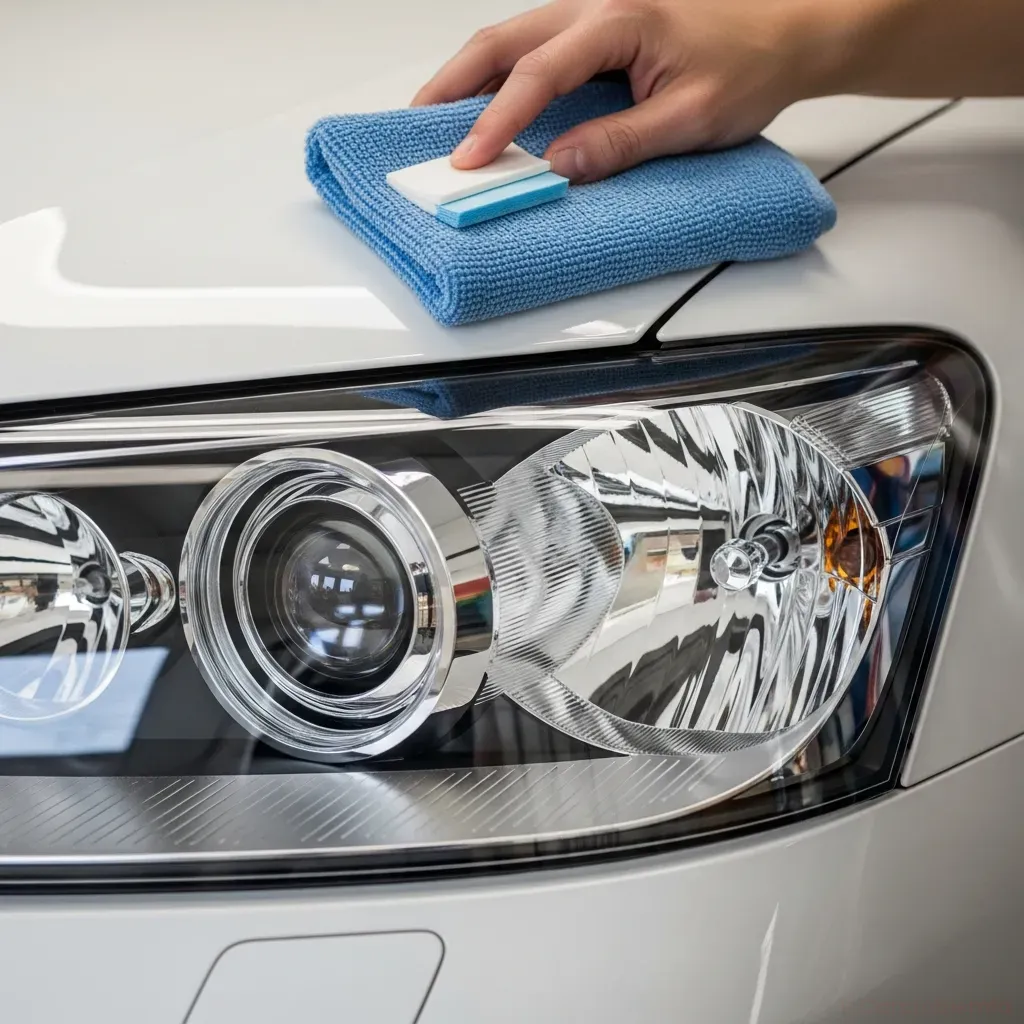
Longevity depends on your climate, how often the car sits in the sun, and the quality of the UV protection you apply.
- With a proper UV coating: Expect 1–3 years of good clarity in most conditions.
- With only polish or wax: You may see yellowing return in 3–6 months.
Signs it’s time for a touch-up:
- Subtle haziness or yellow tint returning on the outer surface.
- Reduced sharpness of the light beam at night.
Often you can do a light re-polish and re-coat without repeating the full sanding process, as long as the damage hasn’t gotten too deep.
Common Mistakes to Avoid
Headlight restoration is straightforward, but a few common errors can ruin the finish or shorten the life of your work.
- Skipping grits: Jumping from very coarse to very fine sandpaper leaves deep scratches that are hard to polish out.
- Not sanding evenly: Shiny spots mean you haven’t fully removed the oxidized layer, leading to patchy results.
- Dry sanding: This can overheat the plastic and cause deep scratches or even warping.
- Using household cleaners with ammonia or harsh solvents: These can damage plastic and strip protection.
- Skipping UV protection: You’ll get short-term clarity but fast re-yellowing.
- Overheating with a drill: High speed and heavy pressure can burn the plastic or create swirl marks.
Maintenance Tips to Keep Headlights Clear
Once you’ve restored your headlights, a few simple habits will help them stay clear longer.
- Wash regularly: Remove road film and bugs before they bake onto the lens.
- Apply a UV protectant: Use a plastic-safe UV sealant or even a quality synthetic wax on the lenses every few months.
- Park in the shade or a garage: Less sun exposure means slower UV damage.
- Avoid harsh chemicals: Don’t use strong degreasers or abrasive cleaners on the lenses.
When to Replace Instead of Restore
DIY restoration can’t fix every problem. Consider replacement if:
- The lens is cracked or broken.
- There is persistent moisture or fogging inside the housing.
- The internal reflector or projector is peeling, burned, or corroded.
- You’ve restored the lenses multiple times and clarity doesn’t improve much.
In those cases, new or quality aftermarket headlight assemblies may be the safest choice, especially if you do a lot of night driving.
Final Thoughts
DIY headlight restoration is one of the highest-value repairs you can do at home. With basic tools and a free afternoon, you can dramatically improve your car’s appearance and, more importantly, your night-time visibility and safety.
Take your time with the sanding stages, don’t skip the UV protection, and you’ll be rewarded with clear, bright headlights that make driving after dark safer and less stressful.
How do you rate this guide?

Related Posts
Comments have been disabled.