
DIY Flat Tire Repair for Beginners: How to Plug a Puncture and Safely Get Back on the Road
Learn how to safely plug a simple puncture in a tubeless tire, what damage you can and cannot repair at home, and how to get back on the road without ruining your wheel or risking a blowout....

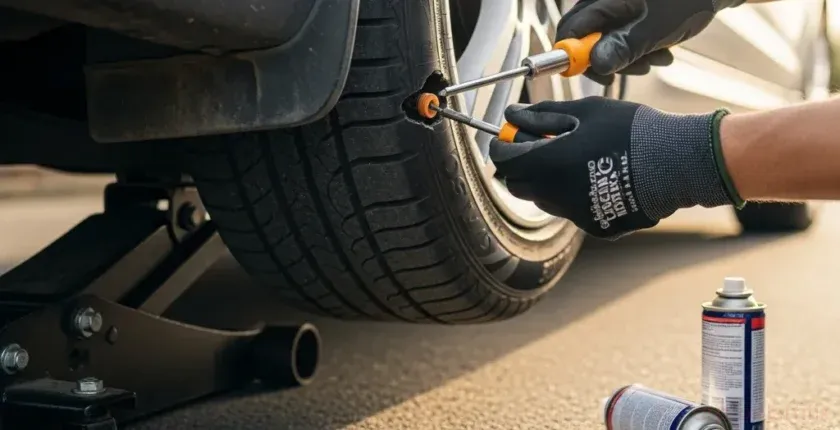
Finding a flat tire is frustrating, but many simple punctures can be safely repaired at home with basic tools. If you learn how to plug a tire correctly, you can avoid waiting for a tow truck and save money on emergency roadside service.
- 1. What Kind of Flat Tire Can You Safely Plug Yourself?
- 2. Tools and Supplies You Need to Plug a Tire
- 3. Step-by-Step: How to Plug a Tire Puncture
- 3.1. Step 1: Park Safely and Prepare the Vehicle
- 3.2. Step 2: Remove the Wheel (Recommended for Beginners)
- 3.3. Step 3: Find the Puncture and Check If It Is Repairable
- 3.4. Step 4: Remove the Object and Prepare the Hole
- 3.5. Step 5: Load the Plug into the Insertion Tool
- 3.6. Step 6: Insert the Plug into the Tire
- 3.7. Step 7: Trim the Plug and Check for Leaks
- 3.8. Step 8: Reinstall the Wheel and Tighten the Lug Nuts
- 4. How Long Can You Drive on a Plugged Tire?
- 5. Safety Tips and Common Plugging Mistakes to Avoid
- 6. What If You Cannot Plug the Tire on the Road?
- 7. Summary and Next Steps
This guide walks beginners through how to identify a repairable puncture, how to plug a tire step by step, and when you must stop and call a professional instead. We will focus on tubeless passenger car and light truck tires, which is what most modern vehicles use.
What Kind of Flat Tire Can You Safely Plug Yourself?
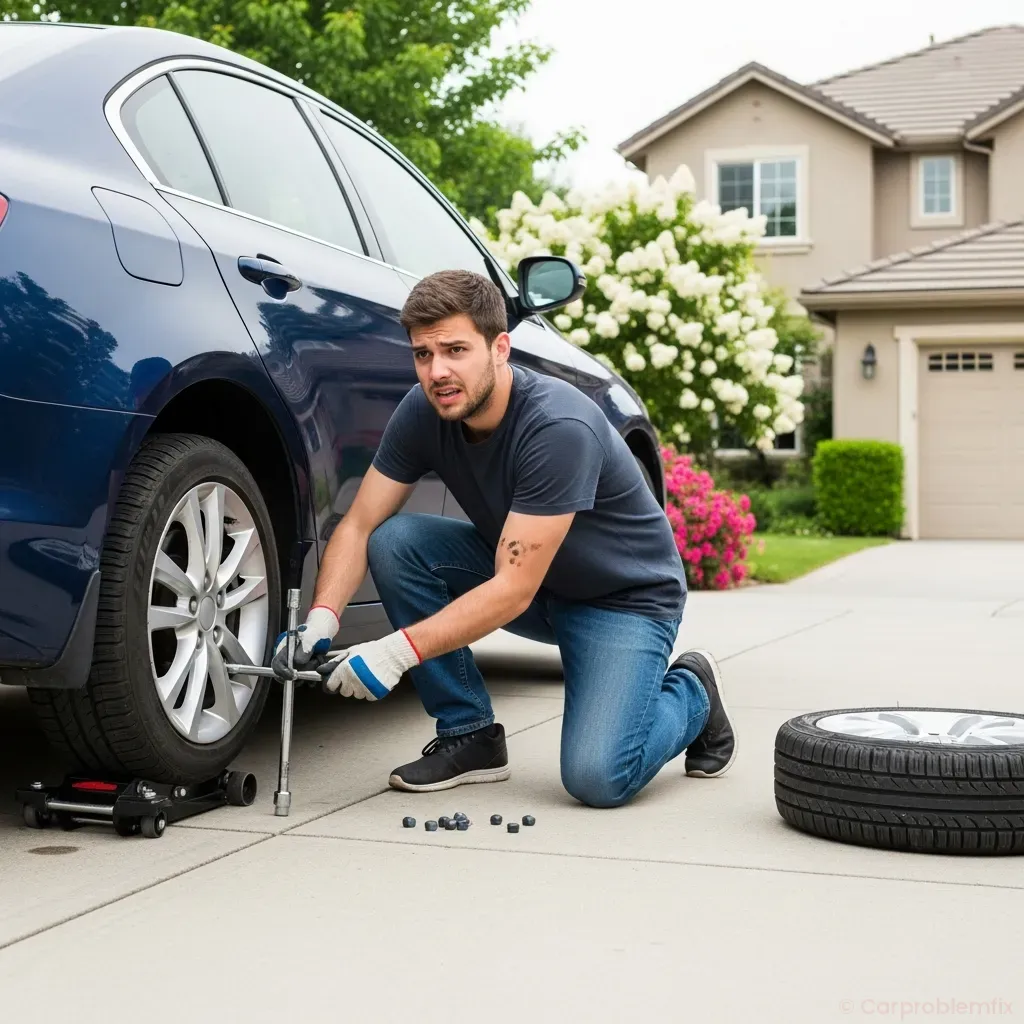

Not every flat tire is safe for a DIY plug repair. Before you reach for a plug kit, you need to decide whether the damage, tire condition, and situation are suitable for a temporary or semi-permanent fix.
Use this checklist before you start:
- Location of puncture: Only plug punctures in the tread area, away from the sidewall and shoulder.
- Size of puncture: Most plug kits are rated for holes up to about 1/4 inch (6 mm) in diameter.
- Type of damage: Plugs are for simple punctures from nails, screws, or small sharp objects, not for cuts, tears, or blowouts.
- Tire condition: The tire should not have severe dry rot, exposed cords, or bulges.
- Speed and load: Plugged tires should be driven moderately and inspected by a tire shop as soon as possible.
Do NOT attempt a DIY plug if:
- The damage is in or near the sidewall or shoulder (the curved area where tread meets sidewall).
- The hole is larger than the plug kit rating or is an irregular gash.
- The tire was driven flat for a long distance and the sidewalls look crushed, wrinkled, or overheated.
- You see cords, internal fabric, or a bulge in the sidewall.
In these cases, the tire is unsafe to repair at home. Have the tire inspected and replaced by a professional shop.
Tools and Supplies You Need to Plug a Tire
You do not need a full workshop to plug a tire, but having the right basic tools makes the job safer and faster. Many of these items can live in your trunk so you are prepared for roadside flats.
Minimum tools and supplies:
- Tire plug kit (plug strips, reamer tool, insertion tool)
- Tire pressure gauge
- Portable air compressor or access to an air pump
- Jack and lug wrench (usually supplied with the car)
- Wheel chocks or heavy blocks to secure the vehicle
- Work gloves and safety glasses
- Utility knife or side cutters to trim the plug
- Soapy water in a spray bottle (dish soap + water) to find leaks
Nice-to-have extras:
- Kneeling pad or old towel to protect your knees
- Flashlight or headlamp for night repairs
- Torque wrench to properly tighten lug nuts when reinstalling the wheel
- Valve stem tool and spare valve cores (if you suspect a leaking valve)
Most tire plug kits include instructions, but this guide will walk you through the process in more detail so you understand what each step does and how to avoid common mistakes.
Step-by-Step: How to Plug a Tire Puncture
These steps assume you have a simple puncture in the tread area of a tubeless tire. If you are on the side of the road, prioritize safety: get as far from traffic as possible, use hazard lights, and place warning triangles if you have them.
Step 1: Park Safely and Prepare the Vehicle
- Pull over to a safe, level area away from traffic. A parking lot or wide shoulder is best.
- Set the parking brake and put the car in Park (automatic) or in gear (manual).
- Turn on hazard lights so other drivers see you.
- Chock the wheels opposite the flat tire using wheel chocks, rocks, or wood blocks to prevent rolling.
- Gather your tools (jack, lug wrench, plug kit, compressor) and put on gloves and safety glasses.
Never crawl under a vehicle supported only by a jack. For a tire plug, you will only work beside the vehicle, not underneath it.
Step 2: Remove the Wheel (Recommended for Beginners)
You can plug some punctures with the wheel still on the car, but removing the wheel makes the job easier and safer for beginners. It lets you see the puncture clearly and apply more controlled force with the tools.
- Loosen lug nuts slightly (about one turn) while the tire is still on the ground. Do not remove them yet.
- Position the jack at the correct jacking point listed in your owner’s manual.
- Raise the vehicle until the flat tire is just off the ground.
- Remove the lug nuts completely and pull the wheel off the hub. Lay it flat on the ground with the outside of the wheel facing up.
If you are unsure about jacking points or safe lifting procedures, your owner’s manual is the best reference. If you are not comfortable lifting the car, it is safer to call roadside assistance.
Step 3: Find the Puncture and Check If It Is Repairable
- Visually inspect the tread for nails, screws, or other objects. Rotate the tire and look carefully between tread blocks.
- Use soapy water sprayed on the tread surface and around the suspected area. Look for steady bubbles that indicate air escaping.
- Mark the puncture with chalk or a marker so you do not lose track of it.
- Confirm the location: the puncture must be in the flat tread area, not on the shoulder or sidewall.
If the hole is near the edge of the tread, larger than your plug kit rating, or looks like a cut or tear instead of a clean puncture, do not plug it. Install your spare tire and drive to a tire shop instead.
Step 4: Remove the Object and Prepare the Hole
- Pull out the object (nail, screw, etc.) using pliers. Pull straight out to avoid enlarging the hole.
- Immediately insert the reamer tool (the rough, rasp-like tool from your kit) into the hole to keep air from escaping too quickly.
- Work the reamer in and out several times, twisting slightly. This cleans and roughens the hole so the plug can bond properly.
- Do not over-enlarge the hole. Use firm but controlled pressure. The reamer should be snug but not loose in the puncture.
This step can take some effort, especially on newer or stiff tires. Keep your other hand braced on the tire for stability and avoid slipping.
Step 5: Load the Plug into the Insertion Tool
- Take one plug strip from the kit and peel off any backing if present.
- Thread the plug through the eye of the insertion tool so it is centered, with equal length on both sides.
- Apply rubber cement or lubricant if your kit includes it. Coat the plug and the tip of the tool lightly. Some modern kits are designed to be used dry; follow your kit’s instructions.
The plug should look like a thick, sticky rope centered in the tool. This ensures it fills the puncture evenly when inserted.
Step 6: Insert the Plug into the Tire
- Remove the reamer from the hole while keeping track of the puncture location.
- Immediately push the loaded insertion tool into the hole, using firm, straight pressure. This may require significant force.
- Insert the plug until about 1/2 inch (1–2 cm) of plug material remains sticking out of the tread.
- Pull the tool straight out quickly. The plug should stay in the tire while the tool comes free.
You should now see two short ends of the plug sticking out of the tire surface. If the plug pulls out with the tool, reload a new plug and try again, making sure you are pushing deep enough before pulling the tool out.
Step 7: Trim the Plug and Check for Leaks
- Use a utility knife or side cutters to trim the plug ends nearly flush with the tread surface. Leave a small amount proud of the surface; it will wear down as you drive.
- Inflate the tire to the recommended pressure listed on the driver’s door jamb sticker, not the maximum pressure on the tire sidewall.
- Spray soapy water generously over the repaired area and surrounding tread.
- Watch for bubbles. A few tiny bubbles while the plug settles can be normal, but continuous bubbling indicates a leak and a failed repair.
If the plug still leaks after a second attempt, do not keep reaming and plugging the same hole. At that point, the tire needs an internal patch or replacement by a professional.
Step 8: Reinstall the Wheel and Tighten the Lug Nuts
- Place the wheel back on the hub and hand-thread the lug nuts.
- Lower the vehicle until the tire just touches the ground and cannot spin freely.
- Tighten the lug nuts in a star pattern using the lug wrench. If you have a torque wrench, tighten to the torque spec in your owner’s manual.
- Fully lower the vehicle and remove the jack and wheel chocks.
After driving 25–50 miles, it is good practice to recheck the lug nut tightness and confirm the tire is still holding pressure.
How Long Can You Drive on a Plugged Tire?
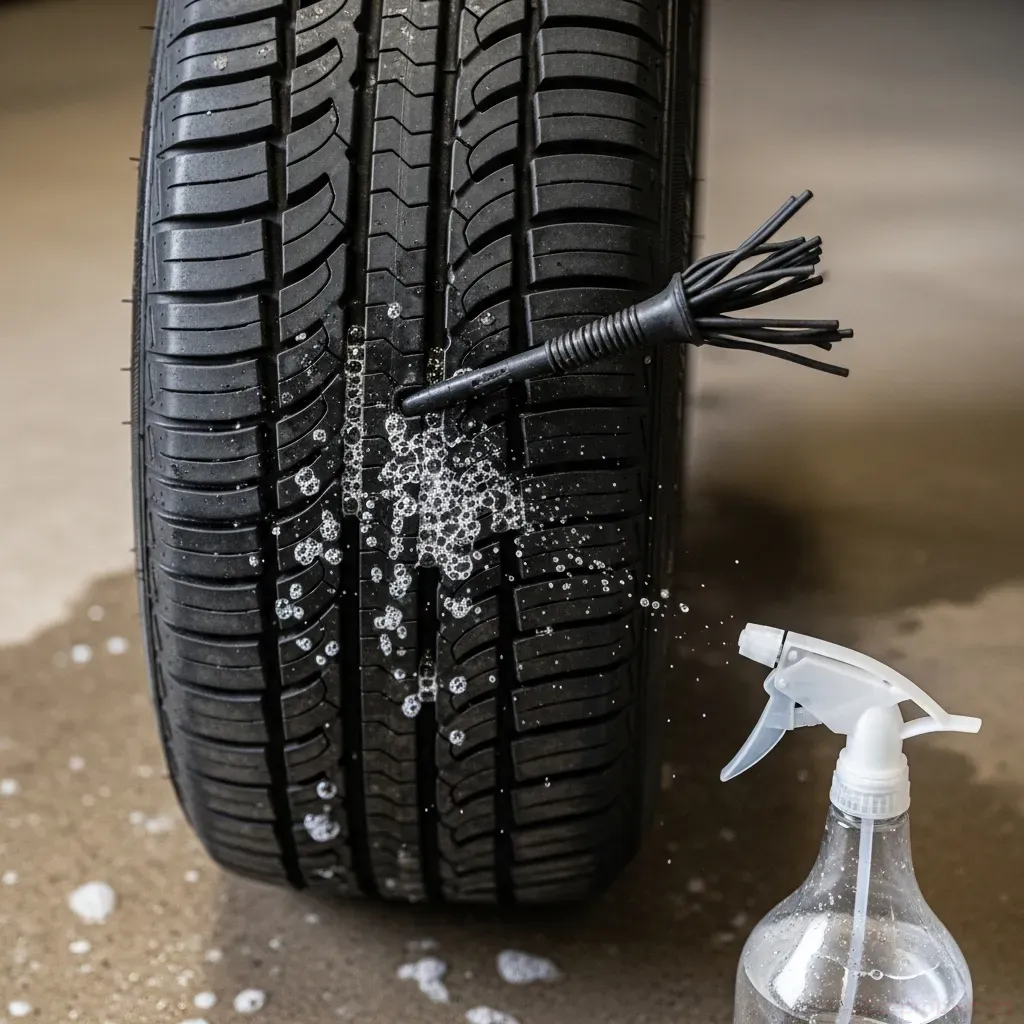
A properly installed plug in a small tread puncture can last a long time, but it is best to treat most DIY plug repairs as temporary until a tire shop can inspect the tire from the inside.
Keep these guidelines in mind:
- Drive at moderate speeds for the first 25–50 miles and avoid high-speed highway driving immediately after the repair.
- Check tire pressure at least once a day for the first few days, then weekly. If pressure drops, the repair may be failing.
- A plug alone is not ideal for long-term use; many shops prefer a plug-patch combination installed from inside the tire.
- Never plug the same hole multiple times. If it leaks again, the tire needs professional repair or replacement.
If your tire pressure warning light comes on after a repair, follow the steps in Tire Pressure Warning Light On: Causes, Safe-Driving Tips, Diagnosis & Fixes to confirm whether the plug is holding or if you have another leak.
Safety Tips and Common Plugging Mistakes to Avoid
Plugging a tire is straightforward, but there are a few mistakes that can turn a simple repair into a dangerous situation. Use this checklist to stay safe.
Do not plug these types of damage:
- Sidewall punctures, bubbles, or cuts
- Damage on or very near the shoulder of the tire
- Large gashes, slices, or holes bigger than your plug kit rating
- Tires with exposed steel belts or cords
Avoid these common errors:
- Skipping the reamer step: If you do not clean and roughen the hole, the plug may not seal properly.
- Not inserting the plug deep enough: The plug must fill the puncture path, not just sit on the surface.
- Driving on a nearly flat tire: This can destroy the sidewalls and make the tire unsafe to repair at all.
- Ignoring repeated pressure loss: If the tire keeps losing air, the repair has failed or there is another leak.
Also remember that a tire plug does not fix internal damage from driving on a flat. If you drove a long distance with the tire very low or completely flat, have a professional inspect the tire even if your plug seems to hold.
What If You Cannot Plug the Tire on the Road?
Sometimes the safest option is not to attempt a plug at all, especially if you are on a narrow shoulder, in heavy traffic, or in poor weather. In those cases, your priority is getting off the road safely.
Here are your options if a plug is not practical or safe:
- Install the spare tire (if you have a full-size or compact spare) and drive slowly to a shop.
- Use a tire sealant and inflator as a last resort, following the instructions carefully. Be aware that some sealants make later repairs messy or impossible.
- Call roadside assistance or a tow truck if you cannot safely change or repair the tire where you are.
If your flat tire is part of a bigger problem (for example, you also have starting issues or electrical problems), you may need broader diagnosis beyond just the tire. For no-start issues, see Car Won’t Start but the Battery Is Good: Electrical & Starter System Diagnosis Guide for step-by-step checks.
Summary and Next Steps
Plugging a simple tread puncture is a realistic DIY task for most beginners as long as you follow safe jacking procedures, verify the damage is repairable, and use a quality plug kit correctly. The key is knowing when a plug is appropriate and when a tire is too damaged or unsafe to fix at home.
After any DIY plug repair, monitor tire pressure closely and avoid aggressive driving until you are confident the repair is holding. For long-term peace of mind, have a tire shop remove the tire, inspect it from the inside, and install a professional plug-patch if the casing is still sound.
If you notice repeated pressure loss, vibration, or any new warning lights, stop driving at high speeds and have the tire and vehicle inspected. A cautious approach with tires is always cheaper than dealing with a blowout or loss of control later.
How do you rate this guide?

Related Posts



Comments have been disabled.
