DIY Brake Light Bulb Replacement for Beginners: Fix Warning Lights and Stay Safe in Minutes
Learn how to safely diagnose and replace a burnt-out brake light bulb in your driveway with basic tools, clear steps, and beginner-friendly tips....

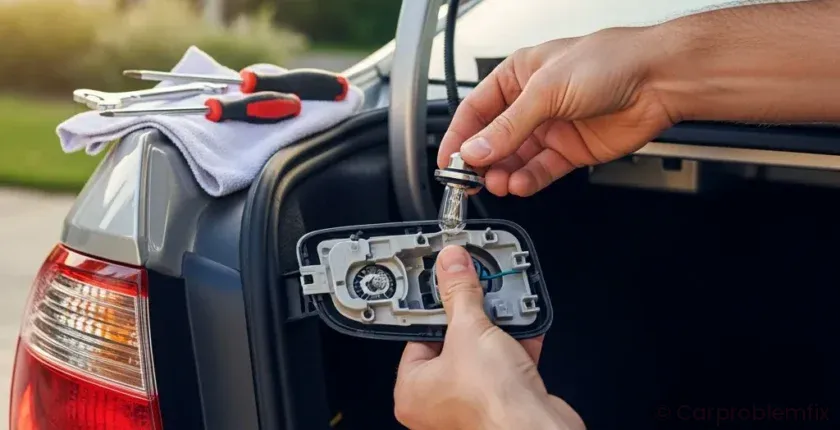
Brake lights are one of the simplest safety systems on your car, but they are also one of the easiest to ignore until something goes wrong. A burnt-out brake light bulb can get you a ticket, confuse drivers behind you, and increase your risk of a rear-end collision. The good news: replacing a brake light bulb is usually a quick DIY job that most beginners can handle in under 30 minutes.
- 1. How to Tell If Your Brake Light Bulb Is Bad
- 1.1. Quick checks without tools
- 1.2. When it might not be the bulb
- 2. What You Need Before You Start
- 2.1. Tools and supplies
- 3. Safety First: Preparing the Car
- 4. Step-by-Step: How to Replace a Brake Light Bulb
- 4.1. 1. Locate the correct brake light bulb
- 4.2. 2. Access the tail light assembly
- 4.3. 3. Remove the old brake light bulb
- 4.4. 4. Inspect and clean the socket
- 4.5. 5. Install the new brake light bulb
- 4.6. 6. Reassemble the tail light and trim
- 4.7. 7. Test the new brake light
- 5. Troubleshooting: Brake Light Still Not Working After Bulb Replacement
- 5.1. Step-by-step diagnostic checklist
- 6. Common Beginner Mistakes to Avoid
- 7. When to Consider Upgrades or Additional Repairs
- 8. Summary and Next Steps
This guide walks you through how to tell if your brake light is out, what parts you need, and step-by-step instructions to replace the bulb on most modern cars, SUVs, and trucks.
How to Tell If Your Brake Light Bulb Is Bad
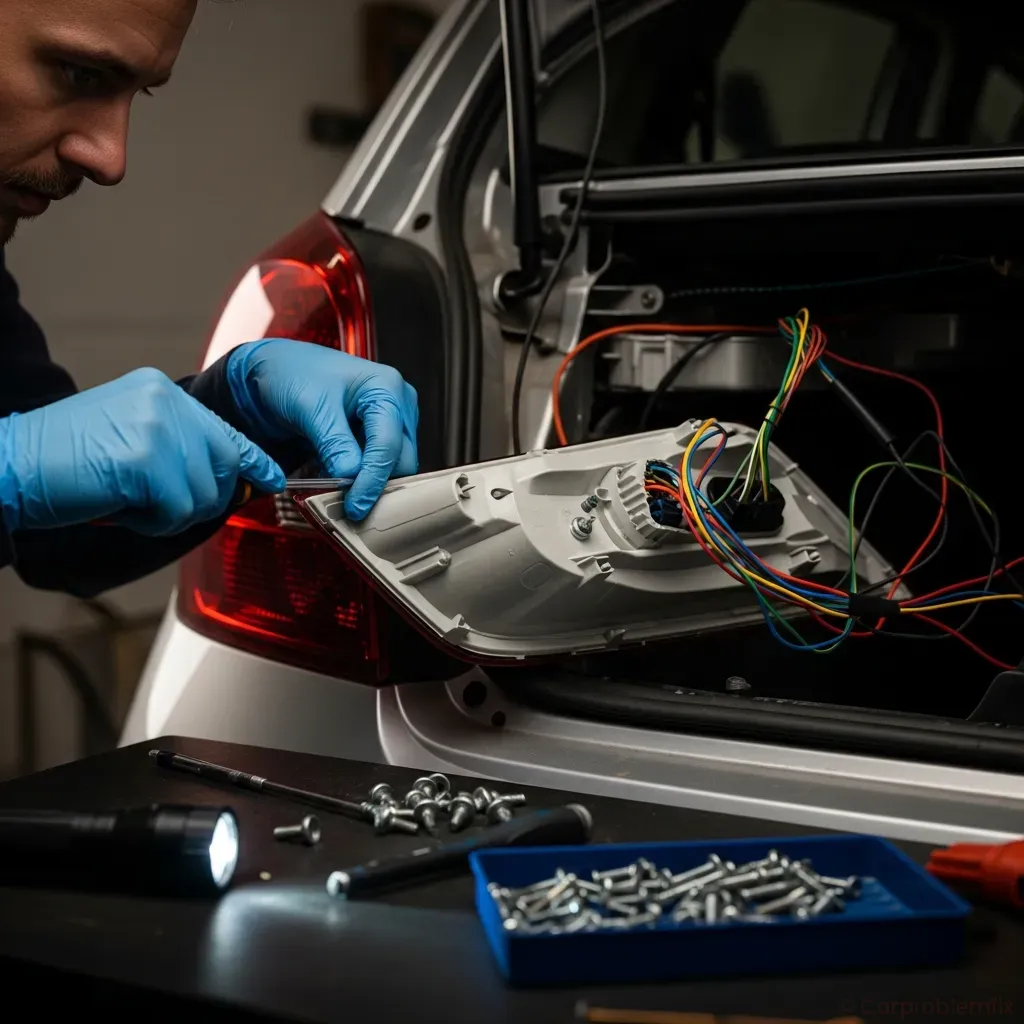

Before you grab tools, you need to confirm that the brake light bulb is actually the problem. Several issues can cause brake lights not to work, including bad switches, wiring faults, or blown fuses. Start with these simple checks.
Quick checks without tools
- Ask a helper: Have someone stand behind the car while you press the brake pedal. Ask them to check both left and right brake lights and the center high-mounted stop lamp (CHMSL) in the rear window or spoiler.
- Use a reflection: If you are alone, back up close to a garage door, wall, or store window at night. Press the brake pedal and look in your rearview mirror for missing or dim lights.
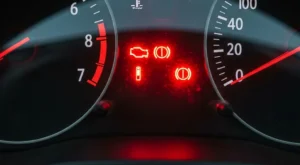
- Check the dash: Some newer cars show a warning icon or message such as “Brake lamp” or “Bulb failure” when a brake light burns out.
When it might not be the bulb
If all brake lights are out at the same time, the problem may not be a simple bulb. Use this quick checklist:
- All brake lights out: Likely causes include a blown fuse, failed brake light switch at the brake pedal, or wiring issue.
- Only one side out: Most likely a burnt-out bulb or corroded socket on that side.
- Center high brake light out only: Often a separate bulb or LED assembly; still usually DIY but may require different steps.
If you suspect a broader electrical problem, a basic code reader and the guidance from Beginner’s Guide to OBD2 Codes can help you rule out other faults, especially on newer vehicles that monitor lighting circuits.
What You Need Before You Start
Most brake light bulb replacements require only simple hand tools. Gather everything before you start so you are not hunting for tools with your trunk half apart.
Tools and supplies
- Replacement brake light bulb(s): Check your owner’s manual or the parts catalog at the auto parts store for the correct bulb number (e.g., 1157, 7443, P21W).
- Basic screwdriver set: Usually a Phillips and flathead screwdriver.
- Socket set or nut driver: Often 8mm or 10mm for tail light mounting nuts.
- Gloves: Thin nitrile or mechanic gloves to keep oil off the bulb and protect your hands.
- Dielectric grease (optional but recommended): Helps prevent corrosion in the bulb socket.
- Clean rag or paper towel: For wiping dirt off the housing and bulb area.
Some vehicles require removing interior trunk trim clips. A simple plastic trim tool or even a flathead screwdriver wrapped in tape can help pry clips without damaging them.
Safety First: Preparing the Car
Even though you are only working on lights, basic safety matters. You will be working around glass, plastic, and sometimes sharp edges inside the trunk or hatch.
- Park on a level surface. Put the car in Park (or in gear for manual transmissions) and set the parking brake.
- Turn off the engine and lights. Switch off the ignition and make sure all exterior lights are off to avoid shorts or hot bulbs.
- Open the trunk, hatch, or tailgate. Give yourself plenty of light. If you are working at night, use a work light or flashlight.
- Protect your eyes and hands. Wear gloves and avoid pressing hard on brittle plastic parts, especially on older vehicles.
According to safety-focused organizations, properly functioning exterior lighting is a key part of avoiding rear-end collisions, so treat this as more than just a minor annoyance.
Step-by-Step: How to Replace a Brake Light Bulb
Most vehicles fall into one of two designs: access from inside the trunk/hatch or access from outside by removing screws around the tail light. The basic steps are similar.
1. Locate the correct brake light bulb
- Identify the brake light section. On many cars, the brake light is the larger red section of the tail light assembly. On some, the brake and tail light share the same bulb (dual-filament).
- Check your manual. The owner’s manual often includes a diagram showing which bulb is which (brake, turn, reverse, tail).
- Compare left and right. If only one side is out, look at the working side to see which part lights up when the brake pedal is pressed.
2. Access the tail light assembly
How you access the bulbs depends on your vehicle style:
- Sedan with trunk: You usually remove a small interior access panel or part of the trunk liner behind the tail light.
- Hatchback or SUV: You may remove screws along the edge of the tail light visible when the hatch is open, then pull the assembly straight back.
- Pickup truck: Tail lights are often held by a couple of screws inside the bed opening.
- Remove interior panels or covers. Gently pry off any plastic covers or pull back the trunk liner to expose the back of the tail light.
- Remove mounting screws or nuts. Use a screwdriver or socket to remove the fasteners holding the tail light assembly, if needed.
- Carefully pull out the tail light assembly. Wiggle it straight back. Avoid forcing it; there may be hidden clips. Check for any additional fasteners if it won’t move.
3. Remove the old brake light bulb
- Find the brake light socket. On the back of the tail light, you’ll see multiple bulb sockets. The brake light socket is usually larger and aligned with the red lens section.
- Twist the socket. Grasp the socket and twist it about a quarter-turn counterclockwise, then pull it straight out.
- Remove the bulb. For most push-in bulbs, gently pull the bulb straight out of the socket. For some wedge-style bulbs, you may need to wiggle slightly while pulling.
- Inspect the old bulb. Look for a broken filament, dark or cloudy glass, or burn marks. If the bulb looks intact but did not light, there may be a socket or wiring issue.
4. Inspect and clean the socket
- Check for corrosion. Look inside the socket for green or white crust, rust, or melted plastic. Corrosion can cause intermittent or dead lights.
- Clean lightly if needed. If there is minor corrosion, you can gently clean the contacts with a small brush or a folded piece of fine sandpaper. Do not remove large amounts of metal.
- Use dielectric grease (optional). Apply a very small dab of dielectric grease to the contacts or base of the new bulb to help prevent future corrosion and moisture intrusion.
5. Install the new brake light bulb
- Match the new bulb. Compare the new bulb to the old one. The base type, pin locations, and size should match exactly.
- Install the bulb. Push the new bulb firmly into the socket until it seats fully. For dual-filament bulbs, make sure the pins align with the correct grooves.
- Reinsert the socket. Place the socket back into the tail light housing opening and twist it clockwise until it locks securely.
6. Reassemble the tail light and trim
- Reposition the tail light assembly. Align the tabs and guide pins, then push the assembly straight into place.
- Reinstall screws or nuts. Tighten them snugly but do not overtighten; plastic housings can crack.
- Reattach interior panels. Clip or screw any trunk liners, access panels, or trim pieces back into place.
7. Test the new brake light
- Turn the ignition to ON (if required). Some vehicles need the key in the ON position for brake lights to work.
- Press the brake pedal. Have a helper confirm that all brake lights now work, or use a wall/garage door reflection.
- Check from different angles. Make sure the light is bright and even, not dim or flickering.
If the new bulb does not light, do not assume the new bulb is bad. Use the troubleshooting section below to narrow down the cause.
Troubleshooting: Brake Light Still Not Working After Bulb Replacement
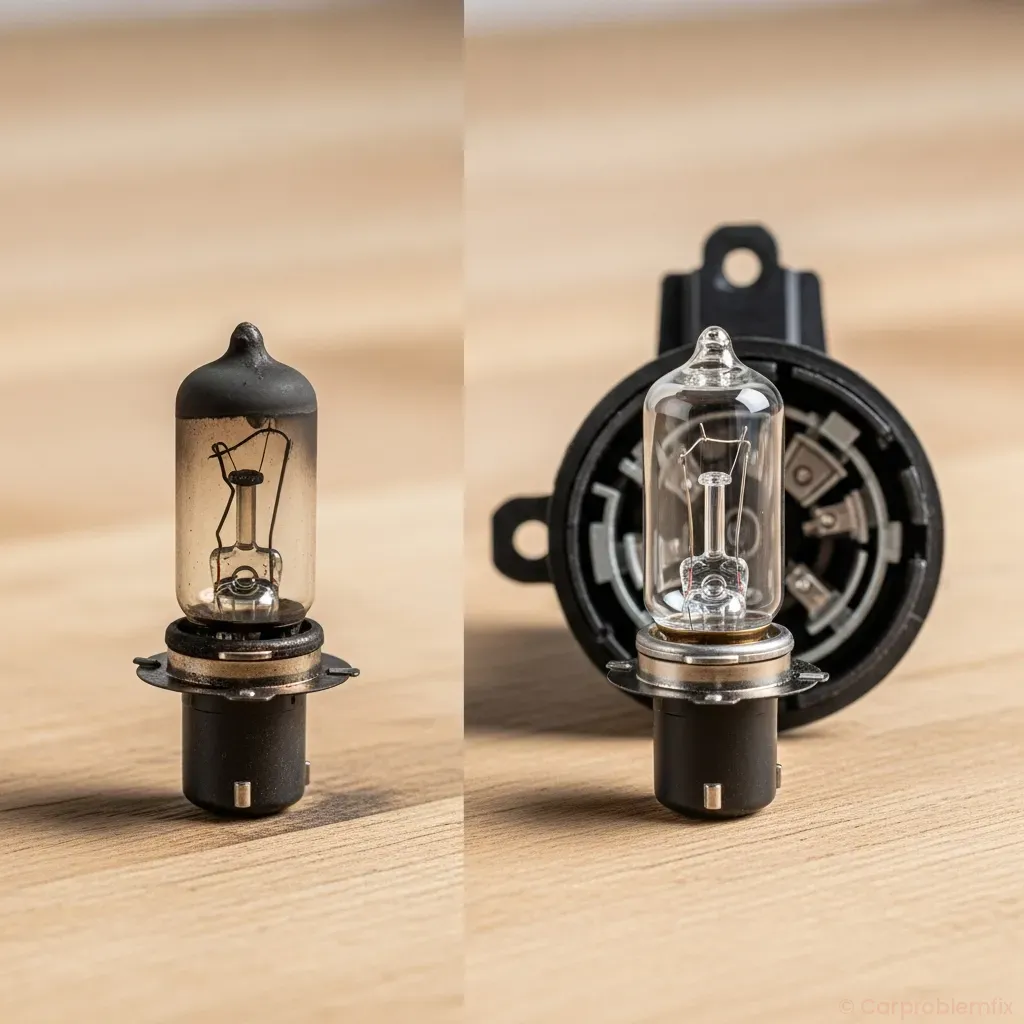
If you replaced the bulb and the brake light is still out, work through this structured checklist. It will help you decide whether it’s a simple fix or time for a professional.
Step-by-step diagnostic checklist
- Confirm the bulb is seated correctly.
- Remove the socket again and verify the bulb is fully pushed in.
- Check that the pins on the bulb are aligned with the grooves in the socket.
- Swap bulbs side to side.
- Move the new bulb to the working side (if the bulb type is the same) and see if it lights.
- If it works on the other side, the bulb is fine and the problem is with the socket or wiring.
- Inspect the socket and wiring.
- Look for broken wires, loose connectors, or melted plastic around the socket.
- Gently wiggle the wiring harness while the brake pedal is pressed (with a helper watching) to see if the light flickers.
- Check the fuse.
- Locate the fuse box and find the brake light or “stop lamp” fuse using the cover diagram or owner’s manual.
- If the fuse is blown, replace it with the same amperage. If it blows again quickly, there may be a short that needs professional diagnosis.
- Consider the brake light switch.
- If all brake lights are out and the fuse is good, the switch at the brake pedal may have failed.
- Replacing a brake light switch is still a DIY job for some owners, but access can be tight under the dash.
If you also notice other electrical problems, such as flickering dash lights or transmission issues that appear alongside lighting faults, review related guides like Automatic Transmission Slipping: Causes, Diagnosis & Fixes to rule out broader electrical or control problems.
Common Beginner Mistakes to Avoid
Brake light bulb replacement is simple, but a few common errors can cost you time or damage parts. Avoid these pitfalls:
- Using the wrong bulb type: A bulb that “almost fits” can cause dim lights, rapid failure, or even melt the housing. Always match the part number.
- Touching the glass on halogen bulbs: Oils from your skin can create hot spots and shorten bulb life. Use gloves or hold bulbs by the base.
- Forcing the tail light assembly: Many housings use hidden clips. Forcing them can crack the lens. Double-check for missed screws before pulling harder.
- Ignoring moisture inside the lens: Condensation or water inside the tail light can quickly kill new bulbs. If you see moisture, inspect seals and consider resealing or replacing the housing.
- Not checking all brake lights: When one bulb fails, others may be close behind. Test both sides and the center high-mounted brake light.
When to Consider Upgrades or Additional Repairs
While you are working on your brake lights, it may be a good time to think about small upgrades or preventative fixes.
- LED replacement bulbs: Many cars can use LED bulbs in place of incandescent ones. LEDs are brighter and last longer, but make sure they are compatible with your vehicle to avoid bulb-out warnings or hyper-flashing.
- New tail light housings: If your lenses are cracked, faded, or full of moisture, replacing the entire assembly can improve visibility and appearance.
- Check other rear lights: Test turn signals, reverse lights, and tail lights while you are there. Fixing them now saves another trip into the trunk later.
Good rear lighting also works together with your braking system. If you feel pulsations or shaking through the steering wheel when braking, pair this lighting fix with a brake system check and see Steering Wheel Vibration While Braking for guidance on when rotor or pad issues may be to blame.
Summary and Next Steps
Replacing a brake light bulb is one of the easiest DIY jobs you can do on your car, and it has a big impact on safety. With the right bulb, a few hand tools, and the step-by-step process above, most beginners can diagnose and fix a burnt-out brake light in minutes.
If your new bulb still does not work, or if multiple lights are out and fuses keep blowing, you are likely dealing with a deeper electrical or switch problem. In that case, schedule an appointment with a trusted mechanic or auto electrician. But for most drivers, this simple repair is an ideal first DIY project that saves money, avoids tickets, and keeps you safer on the road.
How do you rate this guide?

Related Posts
Comments have been disabled.