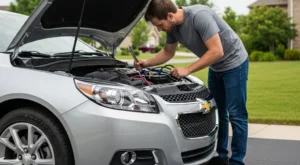
Delayed Engagement When Shifting Into Drive or Reverse: Causes, Diagnosis & Fixes Before Your Transmission Fails
If your automatic transmission hesitates or clunks when you shift into Drive or Reverse, don’t ignore it. Learn the real causes of delayed engagement, how to diagnose it at home, what repairs actually fix it, and when it’s time to see a transmission specialist before you face a complete failure....


Shift into Drive, hit the gas… and nothing happens for a second or two. Then the car suddenly lurches forward with a clunk. Or you select Reverse, wait, and wait, then feel a harsh bump as the gear finally engages. That pause is called delayed engagement, and it’s one of the most common early warning signs of automatic transmission trouble.
- 1. What Is Delayed Engagement in an Automatic Transmission?
- 2. Why Delayed Engagement Is a Serious Warning Sign
- 3. Common Causes of Delayed Engagement Into Drive or Reverse
- 3.1. 1. Low or Incorrect Transmission Fluid
- 3.2. 2. Worn Pump or Pressure Loss Inside the Transmission
- 3.3. 3. Valve Body Problems (Sticking Valves, Debris, Wear)
- 3.4. 4. Worn Clutches, Bands, or Drums
- 3.5. 5. Torque Converter Problems
- 3.6. 6. Electronic Control Issues (Solenoids, Sensors, TCM)
- 4. How to Diagnose Delayed Engagement at Home
- 4.1. Step 1: Pay Attention to When and How It Happens
- 4.2. Step 2: Check Transmission Fluid Level and Condition
- 4.3. Step 3: Scan for Diagnostic Trouble Codes (DTCs)
- 4.4. Step 4: Look for External Leaks and Mount Problems
- 4.5. Step 5: Simple Functional Tests (Without Special Tools)
- 5. Professional Diagnosis: What a Good Shop Will Do
- 6. Fixes for Delayed Engagement: From Simple to Serious
- 6.1. 1. Correcting Fluid Level or Type
- 6.2. 2. Valve Body Service or Replacement
- 6.3. 3. Electronic Repairs and Reprogramming
- 6.4. 4. Internal Repairs, Rebuild, or Replacement
- 7. When Is It Safe to Keep Driving With Delayed Engagement?
- 8. How to Prevent Delayed Engagement in the First Place
- 8.1. 1. Follow (or Improve On) the Fluid Service Schedule
- 8.2. 2. Avoid Heat and Abuse
- 8.3. 3. Fix Small Leaks and Issues Early
- 9. Cost Expectations: What You Might Pay
- 10. Key Takeaways
Ignoring it can turn a relatively simple fix into a full transmission rebuild. This guide explains what delayed engagement is, the most likely causes, how to diagnose it, and the smartest repair options so you can act before your transmission fails completely.
What Is Delayed Engagement in an Automatic Transmission?

Delayed engagement is the noticeable lag between moving the shifter into Drive (D), Reverse (R), or another gear and the moment the transmission actually engages and starts to move the car.
In a healthy automatic transmission, engagement is almost immediate—usually within a second and without a harsh jolt. When something is wrong, you may notice:
- 1–3 second delay when shifting from Park or Neutral into Drive or Reverse
- Engine revs but the car doesn’t move right away
- Harsh bump or clunk when the gear finally engages
- Longer delay when cold that improves slightly as the car warms up
- Delay only in one direction (for example, only into Reverse)
While a very slight delay (under a second) can be normal on some vehicles, especially in cold weather, any noticeable hesitation or harsh engagement is worth investigating.
Why Delayed Engagement Is a Serious Warning Sign
Delayed engagement usually means the transmission is struggling to build the hydraulic pressure it needs to apply clutches and bands. That’s a big deal because:
- Low pressure = slipping, which overheats and wears out internal parts
- Harsh engagement can damage mounts, axles, and internal components
- Problems that cause delayed engagement often lead to full transmission failure if ignored
Just like ignoring an engine that overheats in traffic, pretending a transmission problem will go away on its own usually makes the eventual repair much more expensive.
Common Causes of Delayed Engagement Into Drive or Reverse
Most delayed engagement issues fall into one of three categories: fluid-related problems, hydraulic/valve body issues, or internal wear and damage. In modern vehicles, electronic control problems can also play a big role.
1. Low or Incorrect Transmission Fluid
Transmission fluid is the lifeblood of an automatic transmission. It provides hydraulic pressure, lubrication, and cooling. If the level is low or the wrong type is used, the transmission may struggle to engage gears.
- Low fluid level allows air to enter the pump, causing aeration (foaming) and low pressure
- Wrong fluid type can change friction characteristics and pressure behavior
- Old, burnt fluid loses its ability to maintain pressure and protect components
Typical signs:
- Delayed engagement when cold that improves a bit when warm
- Whining or humming from the transmission
- Dark, burnt-smelling fluid on the dipstick (if equipped)
- Visible leaks under the car or on the transmission pan
2. Worn Pump or Pressure Loss Inside the Transmission
The transmission’s pump creates the hydraulic pressure needed to apply clutches and bands. Over time, the pump and internal seals can wear, leading to pressure loss.
- Worn pump gears or housing reduce pressure, especially at idle
- Leaking internal seals (for example, clutch piston seals) let pressure bleed off
- Worn valve body bores allow fluid to bypass valves instead of building pressure
Because pressure is lowest at idle, you’ll often notice delayed engagement most when shifting from Park or Neutral into gear at a stop.
3. Valve Body Problems (Sticking Valves, Debris, Wear)
The valve body is the brain of a hydraulic automatic transmission. It routes fluid to the correct clutches and bands based on vehicle speed, throttle position, and shifter position. If valves stick or passages are blocked, the right clutch may not apply quickly.
- Debris or varnish from old fluid causes valves to stick
- Worn valves or bores allow fluid to leak past instead of building pressure
- Check balls or separator plates can wear, causing internal leaks
Typical signs:
- Delayed engagement that may be worse in one direction (often Reverse)
- Other shifting issues: flares, harsh shifts, or inconsistent behavior
- Sometimes improved performance after fluid warms up
4. Worn Clutches, Bands, or Drums
Inside the transmission, clutch packs and bands hold certain components stationary to create each gear. When friction material wears out, the transmission may slip before it fully engages.
- Forward clutch wear can cause delayed engagement into Drive
- Reverse clutch or band wear can cause delayed engagement into Reverse
- Drum wear (where clutches/bands grab) can also cause slipping
By the time internal clutches are badly worn, you may also notice:
- Slipping in certain gears while driving
- Higher RPM than normal for the same road speed
- Burnt-smelling fluid with metallic or clutch material in the pan
5. Torque Converter Problems
The torque converter connects the engine to the transmission and multiplies torque. It also contains a lockup clutch in most modern vehicles. Issues here can contribute to delayed engagement.
- Worn or damaged converter clutch can cause shudder or delayed engagement
- Internal leaks can slow fluid fill when shifting into gear
- One-way clutch (sprag) failure can cause severe driveability issues
Torque converter problems often show up along with other symptoms like shudder at certain speeds, strange noises, or overheating, but they can also contribute to engagement delays.
6. Electronic Control Issues (Solenoids, Sensors, TCM)
Most modern automatics are controlled by a Transmission Control Module (TCM) or the engine computer. These systems use solenoids to control fluid flow and pressure.
- Sticking or failed shift solenoids can delay clutch application
- Pressure control solenoid (PCS) issues can cause low or erratic line pressure
- Faulty sensors (range sensor, speed sensors, temperature sensor) can confuse the TCM
- Software glitches or outdated calibration can cause odd engagement behavior
Electronic issues often trigger a Check Engine Light or a dedicated transmission warning. If your car also has starting issues, misfires, or other engine codes, you may want to address those first—problems like white exhaust smoke or hard starting after sitting overnight can complicate transmission diagnosis.
How to Diagnose Delayed Engagement at Home
You can’t rebuild a transmission in your driveway, but you can gather useful information before you see a shop. Here’s a step-by-step approach.
Step 1: Pay Attention to When and How It Happens
Before touching anything, note the pattern of the problem:
- Cold vs warm: Is the delay worse first thing in the morning? Does it improve after 10–15 minutes of driving?
- Direction-specific: Does it happen only when shifting into Drive, only Reverse, or both?
- Engine RPM: Does the engine rev up during the delay, or does it stay at idle?
- Noise: Any whining, grinding, or clunking when it engages?
- Other symptoms: Slipping while driving, harsh shifts, or warning lights?
Write this down—good notes help a technician pinpoint the cause much faster.
Step 2: Check Transmission Fluid Level and Condition
Always follow your owner’s manual, but the basic process on vehicles with a dipstick is:
- Warm the car up with a short drive
- Park on level ground, set the parking brake
- With the engine idling, move the shifter slowly through all gears, then leave it in Park
- Pull the dipstick, wipe it, reinsert, then pull again to check level
What to look for:
- Low level: Below the “HOT” or “FULL” mark can definitely cause delayed engagement
- Color: Healthy fluid is typically bright red or pink; dark brown or black is bad
- Smell: Burnt or acrid smell indicates overheating and internal wear
- Debris: Metallic flakes or clutch material on the dipstick are a red flag
If your vehicle has a “sealed” transmission with no dipstick, checking level and condition usually requires special tools and procedures. In that case, move on to the next steps or visit a qualified shop.
Step 3: Scan for Diagnostic Trouble Codes (DTCs)
Use an OBD2 scanner (even a basic one) to check for stored codes. Many transmission-related codes will start with P07xx or P17xx, but engine codes can also affect shifting.
Common categories include:
- Shift solenoid codes (e.g., P0750–P0770)
- Pressure control solenoid codes (e.g., P0745–P0749)
- Transmission range sensor codes (e.g., P0705)
- Gear ratio errors indicating slipping clutches
Even if the Check Engine Light isn’t on, there may be pending codes that provide clues.
Step 4: Look for External Leaks and Mount Problems
Safely raise the vehicle if needed and inspect:
- Transmission pan gasket and drain plug area for leaks
- Cooler lines running to the radiator or external cooler
- Axle seals where the CV axles enter the transmission
- Transmission and engine mounts for cracks or separation
Leaking fluid explains low level. Broken mounts can exaggerate the feeling of a harsh engagement, even if the internal problem is minor.
Step 5: Simple Functional Tests (Without Special Tools)
With the engine idling and the brake firmly applied:
- Shift from Park to Reverse, count “one-one-thousand, two-one-thousand” and note when you feel engagement
- Repeat from Park to Drive
- Compare cold vs fully warm behavior
If engagement consistently takes more than about 1.5–2 seconds, especially with a noticeable bump, it’s time for professional diagnosis.
Professional Diagnosis: What a Good Shop Will Do
A reputable transmission shop or well-equipped general repair shop will go beyond a quick test drive. Expect some or all of these steps:
- Road test to confirm symptoms and check for other shift issues
- Full scan with a professional scan tool to read live data and manufacturer-specific codes
- Line pressure test using a gauge to measure actual hydraulic pressure in different gears
- Stall test (on some vehicles) to evaluate torque converter and clutch holding power
- Pan inspection to check for metal, clutch material, and fluid condition
These tests help distinguish between external/electronic issues that may be repairable without opening the transmission and internal mechanical failure that requires a rebuild or replacement.
Fixes for Delayed Engagement: From Simple to Serious

The right fix depends entirely on what’s causing the delay. Here’s how common repairs line up with typical causes.
1. Correcting Fluid Level or Type
If the fluid is simply low and there’s no major internal damage yet:
- Top off with the exact specified fluid type (check the owner’s manual)
- Find and repair the leak (pan gasket, cooler line, axle seal, etc.)
If the fluid is old, dark, or burnt, a fluid exchange or service may help—but this is where things get tricky.
Important: On high-mileage transmissions that have been slipping for a while, a complete fluid flush can sometimes make things worse by washing away friction material that was the only thing keeping worn clutches working. In those cases, a shop may recommend a more conservative service or warn you that a rebuild is likely soon regardless.
2. Valve Body Service or Replacement
When diagnosis points to valve body problems, options include:
- Cleaning and reconditioning the existing valve body (removing debris, freeing stuck valves)
- Installing a remanufactured valve body with updated parts and bores
- Replacing solenoids or a solenoid pack if they’ve failed or are sticking
This can often be done without removing the entire transmission and may significantly improve delayed engagement if caught early.
3. Electronic Repairs and Reprogramming
If the problem is electronic:
- Replace faulty sensors (range sensor, speed sensors, temperature sensor)
- Replace or clean solenoids as needed
- Update TCM/PCM software if a manufacturer bulletin addresses engagement issues
These repairs are often less invasive and less expensive than internal mechanical work, but they only help if the root cause is truly electronic—not worn clutches or a weak pump.
4. Internal Repairs, Rebuild, or Replacement
When clutches, bands, drums, or the pump are worn or damaged, the only real fix is to remove and open the transmission. Options include:
- Rebuild your existing transmission with new clutches, seals, and any hard parts needed
- Install a remanufactured unit from a reputable supplier
- In some cases, install a good used transmission (higher risk, lower cost)
A proper rebuild or quality remanufactured transmission should address delayed engagement along with any other internal issues, and often comes with a warranty.
When Is It Safe to Keep Driving With Delayed Engagement?
Whether you can keep driving depends on severity and cause:
- Mild delay (under ~1.5 seconds) with no harsh clunk and clean fluid: You may have some time, but schedule diagnosis soon.
- Noticeable delay (2–3 seconds) with a bump: Limit driving, avoid heavy loads or aggressive driving, and get it checked immediately.
- Very long delay, severe clunk, or intermittent no-move condition: Tow the vehicle to a shop. Driving it can cause catastrophic failure.
Also consider safety: a car that hesitates before moving into traffic or backing out of a parking space can put you and others at risk.
How to Prevent Delayed Engagement in the First Place
While not every transmission failure is preventable, you can greatly reduce your risk with smart maintenance and driving habits.
1. Follow (or Improve On) the Fluid Service Schedule
- Change transmission fluid and filter at least as often as your manufacturer recommends
- If you tow, drive in hot climates, or sit in stop-and-go traffic often, consider more frequent service
- Always use the exact specified fluid type; modern transmissions are very sensitive to fluid chemistry
2. Avoid Heat and Abuse
- Don’t tow more than your vehicle is rated for
- Use an auxiliary transmission cooler if you tow or drive in extreme heat
- Avoid repeated full-throttle launches or hard shifting between Reverse and Drive
3. Fix Small Leaks and Issues Early
- Address any fluid leak as soon as you notice it
- Investigate new noises, vibrations, or shift changes promptly
- Don’t ignore warning lights or stored transmission-related codes
Cost Expectations: What You Might Pay
Costs vary widely by vehicle and region, but rough ranges look like this (parts and labor):
- Fluid top-off and leak repair: $150–$500, depending on what’s leaking
- Transmission service (fluid and filter): $150–$350
- Solenoid or sensor replacement: $200–$800
- Valve body repair or replacement: $500–$1,500
- Full rebuild or remanufactured transmission: $2,000–$5,000+ depending on vehicle
Spending a few hundred dollars early for diagnosis and minor repairs can easily save you thousands compared to waiting until the transmission fails completely.
Key Takeaways
- Delayed engagement into Drive or Reverse is not normal and usually signals low pressure, hydraulic issues, or internal wear.
- Check fluid level and condition first, scan for codes, and note when and how the delay occurs.
- Electronic and valve body issues are sometimes fixable without a full rebuild if caught early.
- Severe or worsening delay, especially with a harsh clunk, means you should limit driving and seek professional diagnosis immediately.
- Good maintenance and early attention to small changes in shifting feel are your best tools to avoid a multi-thousand-dollar transmission bill.
If your car is also showing other symptoms—like overheating in traffic, white smoke from the exhaust, or hard starting after sitting—address those in parallel. Engine and cooling system issues can accelerate transmission wear, and vice versa. Taking a holistic approach to diagnosis will give you the best chance of restoring smooth, immediate engagement and extending your vehicle’s life.
How do you rate this guide?

Related Posts
Comments have been disabled.