Check Engine Light Flashing? Causes, Fixes & How Serious It Really Is
When your Check Engine Light begins flashing—not just glowing steadily—it’s one of the most urgent warnings your car can give you. A flashing CEL almost always indicates an active engine misfire, meaning raw unburned fuel is entering the exhaust system. Left unchecked, this can destroy the catalytic converter, damage the...


- 1. 🔥 What Does a Flashing Check Engine Light Mean?
- 2. ⚙ Common Causes of a Flashing Check Engine Light
- 2.1. 🔧 1. Failing Ignition Coil (MOST Common)
- 2.1.1. Symptoms:
- 2.1.2. Fix:
- 2.1.3. Cost:
- 2.2. 🔧 2. Worn or Fouled Spark Plugs
- 2.2.1. Symptoms:
- 2.2.2. Fix:
- 2.2.3. Cost:
- 2.3. 🔧 3. Clogged or Failing Fuel Injectors
- 2.3.1. Symptoms:
- 2.3.2. Fix:
- 2.3.3. Cost:
- 2.4. 🔧 4. Vacuum Leak
- 2.4.1. Symptoms:
- 2.4.2. Fix:
- 2.4.3. Cost:
- 2.5. 🔧 5. Catalytic Converter Overheating (Critical)
- 2.5.1. Symptoms:
- 2.5.2. Fix:
- 2.5.3. Cost:
- 3. 🔍 Symptoms You’ll Notice With a Flashing CEL
- 4. 🔧 Step-by-Step Diagnosis (At Home)
- 4.1. 1. Scan for Trouble Codes
- 4.2. 2. Swap Ignition Coils
- 4.3. 3. Inspect Spark Plugs
- 4.4. 4. Check for Vacuum Leaks
- 4.5. 5. Check Fuel Pressure
- 5. ⚠ Is It Safe to Drive With a Flashing CEL?
- 6. 💵 Repair Cost Table
- 7. 🛡 Prevention Tips
- 8. 📝 Summary
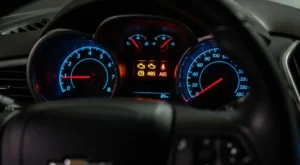
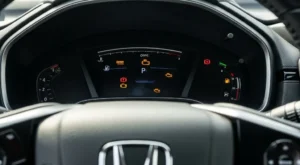
When your Check Engine Light begins flashing—not just glowing steadily—it’s one of the most urgent warnings your car can give you. A flashing CEL almost always indicates an active engine misfire, meaning raw unburned fuel is entering the exhaust system. Left unchecked, this can destroy the catalytic converter, damage the engine, and leave you stranded with a repair bill in the thousands.
This guide explains exactly what a flashing Check Engine Light means, the real causes behind it, how to diagnose it at home, the repair costs, and how dangerous it truly is.


🔥 What Does a Flashing Check Engine Light Mean?
A steady Check Engine Light means something needs attention soon.
A flashing Check Engine Light means something needs attention right now.
A flashing CEL indicates:
An active misfire occurring in one or more cylinders
Excess fuel entering the exhaust
Rapid overheating of the catalytic converter
Risk of severe engine damage if you keep driving
In simple terms:
👉 A flashing CEL = STOP driving immediately.
⚙ Common Causes of a Flashing Check Engine Light
Below are the problems most commonly responsible for a flashing CEL, listed from most likely to least likely.
🔧 1. Failing Ignition Coil (MOST Common)
The ignition coil provides the voltage necessary to fire the spark plug. When it starts failing, the spark becomes weak or inconsistent, causing a misfire.
Symptoms:
Shaking or jerking during acceleration
Engine runs rough
Flashing CEL under load
Sudden loss of power
Fix:
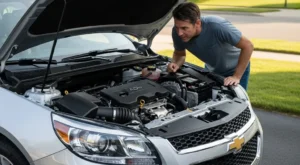
Scan the car with an OBD2 reader
Look for misfire codes (P0301–P0306)
Replace the coil on the affected cylinder
Cost:
$80–$180 per coil (parts + labor)
🔧 2. Worn or Fouled Spark Plugs
Spark plugs degrade over time, causing weak sparks, incomplete combustion, and persistent misfires.
Symptoms:
Hard starting
Poor fuel economy
Rough idle
CEL flashing during acceleration
Fix:
Replace all spark plugs
Check for oil or carbon deposits on the plug
Cost:
$50–$120
🔧 3. Clogged or Failing Fuel Injectors
If the injector can’t deliver the correct amount of fuel, the air-fuel mixture becomes unbalanced and the cylinder misfires.
Symptoms:
Hesitation when pressing the gas
Rough idle
CEL flashes under high load
Fix:
Perform injector cleaning
Replace faulty injectors if cleaning doesn’t help
Cost:
Cleaning: $40–$80
Replacement: $150–$350 each
🔧 4. Vacuum Leak
A vacuum leak lets unmetered air into the engine, creating a lean mixture and triggering misfires.
Symptoms:
High or unstable idle
Whistling or sucking sound
CEL flashes when accelerating
Fix:
Inspect hoses and intake connections
Replace cracked or leaking components
Cost:
$20–$150
🔧 5. Catalytic Converter Overheating (Critical)
A flashing CEL often signals imminent catalytic converter damage because unburned fuel burns inside the converter.
Symptoms:
Rotten egg smell
Loss of power
Excessive heat from under the car
Fix:
Fix the underlying misfire immediately
Replace the converter if damaged
Cost:
$700–$2000

🔍 Symptoms You’ll Notice With a Flashing CEL
A flashing CEL often comes with one or more of these signs:
Strong shaking or jerking
Reduced power
Engine stumbling during acceleration
Strong fuel smell
Rough idle
Backfiring or popping noises
Increased fuel consumption
These symptoms help confirm that you’re dealing with an active misfire.
🔧 Step-by-Step Diagnosis (At Home)
Here’s how to pinpoint the issue quickly without visiting a mechanic.
1. Scan for Trouble Codes
Use a basic OBD2 scanner and check for:
P0300 → Random misfire
P0301–P0306 → Misfire on a specific cylinder
P0316 → Misfire during startup
P0420 → Possible catalytic converter damage
2. Swap Ignition Coils
If the code shows a single-cylinder misfire, switch the coil to another cylinder:
If the misfire follows → faulty coil
If it doesn’t follow → spark plug or injector issue
3. Inspect Spark Plugs
Look for:
Oil on the plug
Carbon buildup
Cracked insulator
Replace if needed.
4. Check for Vacuum Leaks
Listen for hissing around:
Intake manifold
Vacuum hoses
Throttle body
A smoke test is ideal if available.
5. Check Fuel Pressure
Low fuel pressure can cause misfires under load.

⚠ Is It Safe to Drive With a Flashing CEL?
Absolutely not.
A flashing Check Engine Light means you risk:
Melting the catalytic converter
Damaging the pistons and valves
Flooding the exhaust with fuel
Breaking the O2 sensors
Complete engine failure
At most, drive a short distance at low speed to move the car to a safe spot—nothing more.
💵 Repair Cost Table
| Problem | Severity | Fix | Cost |
|---|---|---|---|
| Ignition coil failure | High | Replace coil | $80–$180 |
| Worn spark plugs | Medium | Replace plugs | $50–$120 |
| Fuel injector issue | High | Clean/replace | $40–$350 |
| Vacuum leak | Medium | Replace hose/seal | $20–$150 |
| Catalytic converter damage | Very High | Replace converter | $700–$2000 |
🛡 Prevention Tips
You can avoid most misfire-related CEL issues by:
Replacing spark plugs on schedule
Using high-quality fuel
Cleaning injectors regularly
Checking vacuum hoses yearly
Avoiding driving with low fuel levels
Addressing minor misfires early
📝 Summary
A flashing Check Engine Light is one of the most serious warnings your car can give. It signals an active misfire that can destroy your catalytic converter and cause thousands of dollars in engine damage. Most causes—including bad coils, worn spark plugs, clogged injectors, and vacuum leaks—are easy to identify with simple at-home diagnostics.
Don’t ignore a flashing CEL.
Diagnose it, fix it, and get your engine running safely again.