Most Common OBD2 Codes for Beginners: What They Mean, How Serious They Are, and Easy First Checks
Learn what the most common OBD2 codes actually mean, how serious they are, and the simple first checks you can do at home before heading to a shop.

Decode your vehicle’s OBD2 fault codes with easy-to-understand explanations and troubleshooting steps. Learn what each error code means, the symptoms it causes, common reasons behind it and how to diagnose basic engine, emission and sensor issues. Perfect for beginners using an OBD2 scanner for the first time.
Learn what the most common OBD2 codes actually mean, how serious they are, and the simple first checks you can do at home before heading to a shop.
New to OBD2 codes and scan tools? Learn how to read, interpret, and prioritize check engine faults so you can decide what to fix now, what can wait, and when to see a mechanic.
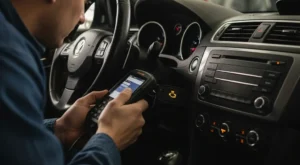
Learn what OBD2 code P0300 really means, how serious it is, common causes, and step‑by‑step DIY diagnosis and repair so you don’t ruin your engine or catalytic converter.

OBD2 code P0420 means your catalytic converter system isn’t working efficiently enough. Learn what P0420 really means, common causes, how to diagnose it at home, when you actually need a new catalytic converter, and how to avoid wasting money on guesswork repairs.

Learn what OBD2 code P0300 (random/multiple cylinder misfire) really means, the most common causes, how to diagnose it at home with a basic scan tool, and the repairs needed to protect your engine and catalytic converter.
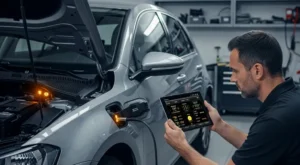
OBD2 readiness monitors tell you if your car’s self-diagnostic tests have completed. If they’re “not ready,” you can fail emissions, chase false codes, or waste time on parts. Learn what each monitor does, why it won’t set to ready, and how to fix readiness issues the right way.