
Car Vibrates While Accelerating: Beginner’s Guide to Causes, Easy Checks and When to Worry
If your car shakes or buzzes when you step on the gas, don’t ignore it. Learn the most common causes of vibration during acceleration, simple checks you can do at home, and when it’s time to see a mechanic....

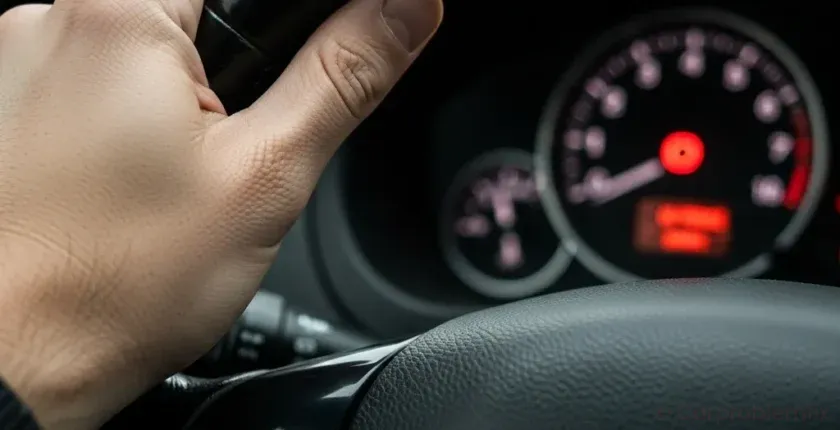
Feeling your car vibrate or shake when you accelerate is unsettling, especially if you are new to car ownership. Some causes are minor and inexpensive, while others can quickly become dangerous or very costly if you keep driving.
- 1. How to Describe the Vibration So You Can Diagnose It
- 2. Common Causes of Vibration While Accelerating
- 2.1. 1. Wheel and Tire Problems
- 2.2. 2. Engine Misfire or Rough Running Under Load
- 2.3. 3. Worn Engine or Transmission Mounts
- 2.4. 4. Driveshaft, CV Axle, and Drivetrain Issues
- 2.5. 5. Brake and Rotor Issues (Less Common, But Possible)
- 3. Simple At-Home Checks for Vibration While Accelerating
- 3.1. Step 1: Basic Safety and Visual Walk-Around
- 3.2. Step 2: Road Test to Narrow Down the Source
- 3.3. Step 3: Quick Engine and Mount Checks
- 4. How to Tell If It’s Safe to Keep Driving
- 4.1. Stop or Get Towed If You Notice:
- 4.2. Schedule Service Soon (But Not Emergency) If:
- 5. What a Mechanic Will Usually Check
- 6. Approximate Repair Priorities and Costs
- 7. DIY vs. Professional: What Beginners Should and Shouldn’t Attempt
- 8. Summary and Next Steps
This guide walks you through the most common reasons a car vibrates while accelerating, how to do basic checks at home, and how to decide whether it’s safe to keep driving or you should head straight to a shop.
How to Describe the Vibration So You Can Diagnose It
Before you can diagnose a vibration, you need to describe what it feels like. Pay attention to these details while driving on a safe, straight road:

- Speed range: Does it happen only from 20–40 mph, 40–60 mph, or at highway speeds?
- Throttle position: Does it vibrate only when you press the gas, or also when coasting?
- Location: Do you feel it mostly in the steering wheel, seat, floor, or the whole car?
- Sound: Is there a humming, buzzing, clunking, or grinding noise along with the vibration?
- Timing: Is it worse going uphill, turning, or with more passengers or cargo?
Write down what you notice. A mechanic will ask these questions, and your answers can point directly toward the right system: wheels/tires, drivetrain, engine, or exhaust.
Common Causes of Vibration While Accelerating
Most acceleration-related vibrations fall into a few major categories. Understanding each one will help you decide what to check first.
1. Wheel and Tire Problems
Wheel and tire issues are the most common and the easiest to check. Problems here usually cause vibration that changes with speed more than with how hard you press the gas, but they often feel worst when accelerating through certain speed ranges.
- Out-of-balance tires: If small weights have fallen off or a tire is uneven, you may feel a shake around 50–70 mph. It can feel like a buzzing in the steering wheel or seat.
- Bent wheel: Hitting a big pothole or curb can bend a rim. This often causes a rhythmic vibration and sometimes a visible wobble at low speeds.
- Tire defects or flat spots: A tire with a bulge, separated belt, or flat spot from sitting can cause a thump or shake that gets worse as speed increases.
These issues are urgent because a damaged tire or wheel can fail suddenly. If you see a bulge or severe damage, avoid highway speeds and get it inspected immediately.
2. Engine Misfire or Rough Running Under Load
If the engine isn’t firing smoothly, you can feel a shudder or hesitation when you step on the gas. This is usually more noticeable when accelerating up a hill or merging onto a highway.
- Spark issues: Worn spark plugs, bad ignition coils, or damaged plug wires can cause one or more cylinders to misfire under load.
- Fuel delivery problems: A clogged fuel filter or weak fuel pump can starve the engine of fuel during acceleration, causing jerking and vibration.
- Air intake problems: A very dirty engine air filter or intake leak can upset the air–fuel mixture, especially when you need more power.
Engine-related vibration is often accompanied by a loss of power, poor fuel economy, or a check engine light. If that light is on, you should prioritize diagnosis before continuing to drive hard.
3. Worn Engine or Transmission Mounts
Your engine and transmission are bolted to the car body through rubber mounts that absorb vibration. When these mounts crack, collapse, or break, you can feel the engine’s movement directly through the car.
- Symptoms: A thump or jerk when shifting from Park to Drive, a strong shudder when you first accelerate, or a vibration that’s worst at certain RPMs.
- Why it’s worse on acceleration: When you press the gas, the engine twists against the mounts. If a mount is weak, the engine moves too much and you feel it.
Mount problems are often misdiagnosed as “engine vibration” or “rough idle,” but the fix is very different. Replacing mounts is usually a moderate-cost repair that can dramatically improve comfort and reduce stress on other parts.
4. Driveshaft, CV Axle, and Drivetrain Issues
On front-wheel-drive and all-wheel-drive cars, CV axles transfer power to the wheels. On rear-wheel-drive vehicles, a driveshaft and universal joints (U-joints) do the job. Wear or damage here can cause strong vibration under acceleration.
- Worn CV joints: Often cause clicking when turning and can also cause shuddering when accelerating, especially in FWD cars.
- Damaged driveshaft or U-joints: A bent driveshaft or worn U-joint can cause a heavy, rhythmic vibration that gets worse as speed increases.
- Worn carrier bearing (center support bearing): On some RWD/AWD vehicles, this bearing supports the driveshaft. When it fails, you may feel a deep vibration or droning under your seat.
Drivetrain vibrations can become dangerous if parts fail completely, so don’t ignore loud clunks, metallic noises, or very strong shaking from underneath the car.
5. Brake and Rotor Issues (Less Common, But Possible)
Most brake problems show up when you brake, not when you accelerate. However, severely warped rotors or sticking calipers can cause a light vibration that you feel more as you speed up.
If you already know your brakes grind or pulsate when stopping, fix that first. For more detail on brake noises, see Car Makes Grinding Noise When Braking – Causes, Diagnosis & Fixes.
Simple At-Home Checks for Vibration While Accelerating
You don’t need to be a mechanic to do some basic checks. Use this step-by-step process to rule out simple issues before paying for diagnosis.
Step 1: Basic Safety and Visual Walk-Around
- Park on level ground. Engage the parking brake and turn off the engine.
- Check all four tires. Look for bulges, cuts, exposed cords, or objects stuck in the tread. If you see serious damage, do not drive at highway speeds.
- Check tire pressures. Use a gauge and inflate to the pressure listed on the driver’s door jamb sticker, not the tire sidewall.
- Look for obvious wheel damage. Check for bent rims, missing chunks, or cracks, especially if you recently hit a pothole or curb.
If you find a severely damaged tire or wheel, have the car towed or drive slowly to a nearby tire shop. A blowout at speed can be catastrophic.
Step 2: Road Test to Narrow Down the Source
- Choose a safe route. Use a straight, low-traffic road where you can safely vary speed.
- Accelerate gently from a stop. Note whether the vibration starts immediately or only after a certain speed.
- Hold a steady speed. Once you reach the speed where vibration starts, hold the throttle steady. If the vibration continues even when you ease off the gas, it may be more speed-related (tires/wheels) than engine-related.
- Try coasting in Neutral (automatic only, if safe). At a safe speed, briefly shift to Neutral. If the vibration remains, it’s likely related to wheels, tires, or drivetrain, not engine power.
- Note steering vs. seat vibration. Steering wheel shake often points to front wheels/tires or front suspension. Vibration in the seat or floor can suggest rear wheels/tires or drivetrain.
Write down your observations. This will help a shop avoid guesswork and can save you diagnostic time and money.
Step 3: Quick Engine and Mount Checks
- Check for warning lights. If the check engine light is on, there may be a misfire or other engine issue contributing to the vibration.
- Listen at idle. With the car in Park, does the engine feel smooth or does it shake? A rough idle suggests engine or mount issues.
- Power brake test (automatic only, use caution). With the parking brake firmly set and your foot on the brake, shift into Drive and gently raise RPM to about 1500–2000 for a second or two. If you feel a strong shudder or hear clunks, engine or transmission mounts may be worn. Do not hold high RPM in gear for more than a couple of seconds.
If you’re not comfortable with these checks, skip them and describe your symptoms to a professional. Safety always comes first.
How to Tell If It’s Safe to Keep Driving
Not every vibration means you must pull over immediately, but some do. Use this checklist to judge urgency.
Stop or Get Towed If You Notice:
- Strong, violent shaking that makes the car hard to control.
- Loud clunks, bangs, or metal-on-metal noises from underneath.
- A visible tire bulge, deep cut, or exposed cords.
- Burning rubber or hot metal smells along with vibration.
- Warning lights like ABS, traction control, or a flashing check engine light.
In these cases, slow down, move to a safe location, and consider a tow. Continuing to drive can cause a tire blowout, drivetrain failure, or engine damage.
Schedule Service Soon (But Not Emergency) If:
- The vibration is mild to moderate and consistent at certain speeds.
- You recently hit a pothole or curb and the car now shakes under acceleration.
- The steering wheel has a noticeable shimmy at highway speeds.
- You feel a shudder when accelerating from a stop, but it smooths out at higher speeds.
Driving gently for a short time is usually okay, but you should book an inspection soon to avoid extra wear on tires, suspension, and drivetrain parts.
What a Mechanic Will Usually Check
Knowing what a shop is likely to inspect can help you understand estimates and avoid unnecessary repairs.
- Wheels and tires: Spin balance, check for bent rims, measure tread wear, and inspect for internal tire damage.
- Suspension and steering: Ball joints, tie rods, control arm bushings, and wheel bearings for play or damage.
- Drivetrain: CV axles, U-joints, driveshaft, and carrier bearing for looseness, torn boots, or excessive play.
- Engine and transmission mounts: Look for cracked rubber, collapsed mounts, and excessive engine movement.
- Engine performance: Scan for misfire codes, check spark plugs and coils, fuel trims, and sometimes fuel pressure.
If your car also has electrical symptoms (dim lights, flickering dash, or battery warnings), that can complicate diagnosis. For those issues, see Battery Warning Light On While Driving: Causes, Safe-Driving Tips, Diagnosis & Fixes for a focused guide.
Approximate Repair Priorities and Costs
Every vehicle and shop is different, but here’s a rough idea of how common fixes rank in urgency and typical cost range (parts and labor):
- Tire balance and rotation: Low urgency unless severe vibration; relatively low cost. Good first step if tires are in good condition.
- Replace damaged tire or bent wheel: High urgency if structural damage is present; cost varies widely by tire and wheel type.
- Engine tune-up (plugs, coils as needed): Medium to high urgency if misfiring; moderate cost but critical to prevent engine damage.
- Engine or transmission mounts: Medium urgency; cost ranges from moderate to higher depending on how many mounts and labor access.
- CV axle or driveshaft replacement: High urgency if severe vibration or clunking; cost varies by drivetrain layout and parts quality.
Ask your shop to prioritize safety-critical items first and explain which repairs can safely wait if you’re on a budget.
DIY vs. Professional: What Beginners Should and Shouldn’t Attempt
If you’re mechanically inclined, some vibration-related tasks are realistic DIY projects. Others are better left to a pro.
- Reasonable DIY tasks for beginners: Checking tire pressure, inspecting tires visually, replacing an engine air filter, and sometimes replacing spark plugs (on accessible engines).
- Intermediate DIY tasks: Replacing a single CV axle, engine mounts, or suspension components on some vehicles. These require good tools, jack stands, and a repair manual or detailed guide.
- Best left to professionals: Driveshaft work, wheel bearing replacement, advanced engine diagnostics, and anything that requires specialized alignment or balancing equipment.
If you’re unsure, start with inspection and simple maintenance. When in doubt about safety-critical parts (wheels, brakes, steering, suspension), it’s wise to let a qualified shop handle the repair.
Summary and Next Steps
Vibration while accelerating is your car’s way of telling you something isn’t right. Common causes include wheel and tire issues, engine misfire under load, worn mounts, and drivetrain problems like bad CV axles or driveshaft components.
Begin with basic checks: tire condition and pressure, a careful road test, and watching for warning lights or rough idle. If the vibration is strong, accompanied by loud noises, or you see obvious tire damage, reduce speed and seek professional help immediately.
For mild to moderate shaking, schedule an inspection soon and share your notes about when and where you feel the vibration. Addressing the problem early usually saves money, improves comfort, and keeps you safer every time you press the gas.
How do you rate this guide?

Related Posts
Comments have been disabled.