Car Lights Dim While Driving: Electrical Causes, Diagnosis & Fixes
If your headlights and interior lights dim while driving, you’re seeing an early warning of electrical trouble. Learn the real causes—alternator, grounds, voltage drops, and more—plus how to diagnose and fix dim car lights before they leave you stranded....


- 1. Why Your Car Lights Dim While Driving (and Why You Shouldn’t Ignore It)
- 2. How Your Car’s Electrical System Is Supposed to Work
- 3. Common Symptoms When Car Lights Dim While Driving
- 4. Top Causes of Dimming Car Lights While Driving
- 4.1. 1. Failing Alternator
- 4.2. 2. Loose or Worn Serpentine Belt
- 4.3. 3. Weak or Sulfated Battery
- 4.4. 4. Corroded or Loose Battery Terminals
- 4.5. 5. Bad Engine or Chassis Grounds
- 4.6. 6. Voltage Drop in Headlight or Interior Light Circuits
- 4.7. 7. Overloaded Electrical System (Aftermarket Accessories)
- 4.8. 8. Failing Voltage Regulator or Smart Charging System
- 5. Step-by-Step DIY Diagnosis for Dimming Lights
- 5.1. Step 1: Observe When the Dimming Happens
- 5.2. Step 2: Check Battery Voltage
- 5.3. Step 3: Check Charging Voltage
- 5.4. Step 4: Inspect Belt and Connections
- 5.5. Step 5: Check for Voltage Drop to the Lights
- 6. Is It Safe to Drive When Your Lights Dim?
- 7. Repair Costs for Dimming Light Problems
- 8. Preventing Future Electrical Problems
- 9. When to See a Professional
- 10. Bottom Line
Why Your Car Lights Dim While Driving (and Why You Shouldn’t Ignore It)
Headlights or dash lights that dim while you’re driving are more than just an annoyance. They’re a live indicator of what’s happening inside your car’s electrical system. In many cases, dimming lights are the first symptom of a charging or wiring problem that can eventually lead to a no-start condition, stalling, or even damage to sensitive electronics.
This guide walks you through the most common causes of dim car lights, how to diagnose them at home with basic tools, and what to fix before you end up on the side of the road with a dead battery.

How Your Car’s Electrical System Is Supposed to Work
Understanding the basics makes it much easier to track down why your lights are dimming.
- Battery – Stores energy and provides power to crank the engine and support electronics when the alternator can’t keep up (idle, heavy loads, etc.).
- Alternator – Belt-driven generator that supplies power while the engine runs and recharges the battery. It should maintain roughly 13.8–14.6 volts at the battery terminals in most modern vehicles.
- Voltage regulator – Often built into the alternator; controls output voltage to prevent overcharging or undercharging.
- Wiring, grounds, and fuses – Carry power from the alternator and battery to every electrical consumer: headlights, fuel pump, ignition, HVAC, infotainment, etc.
When everything is healthy, voltage stays stable and your lights remain bright and steady. When something in this chain is weak, voltage drops under load—and your lights are the first thing you notice.
Common Symptoms When Car Lights Dim While Driving
Pay attention to how and when the dimming happens. That pattern is a powerful diagnostic clue.
- Lights dim at idle, brighten when revving – Classic sign of a weak alternator or poor alternator output at low RPM.
- Lights dim when you turn on accessories (AC, rear defogger, heated seats, audio system) – Possible alternator weakness, poor grounds, or undersized wiring.
- Lights dim when braking or turning the steering wheel – Voltage sag from power steering pump load (hydraulic) or electric power steering, or a weak battery/alternator.
- Lights dim randomly while driving – Intermittent alternator failure, loose belt, bad connections, or failing body control module (BCM) in newer cars.
- Lights dim and engine stumbles or accessories reset – More serious voltage drop; you’re close to stalling or losing electronics.
Top Causes of Dimming Car Lights While Driving
1. Failing Alternator
The alternator is the heart of the charging system. When it starts to fail, your battery becomes a temporary crutch until it’s drained.
Typical signs:
- Headlights dim at idle and brighten when you rev the engine.
- Battery warning light may flicker or stay on (but not always).
- Whining, grinding, or growling noise from the alternator area.
- Electrical accessories (radio, blower fan) weaken or cut out.
Why it causes dim lights: A weak alternator can’t maintain proper system voltage, especially at low RPM or under heavy electrical load. Voltage drops below the ideal 13.8–14.6 volts, and your lights dim accordingly.
DIY diagnosis:
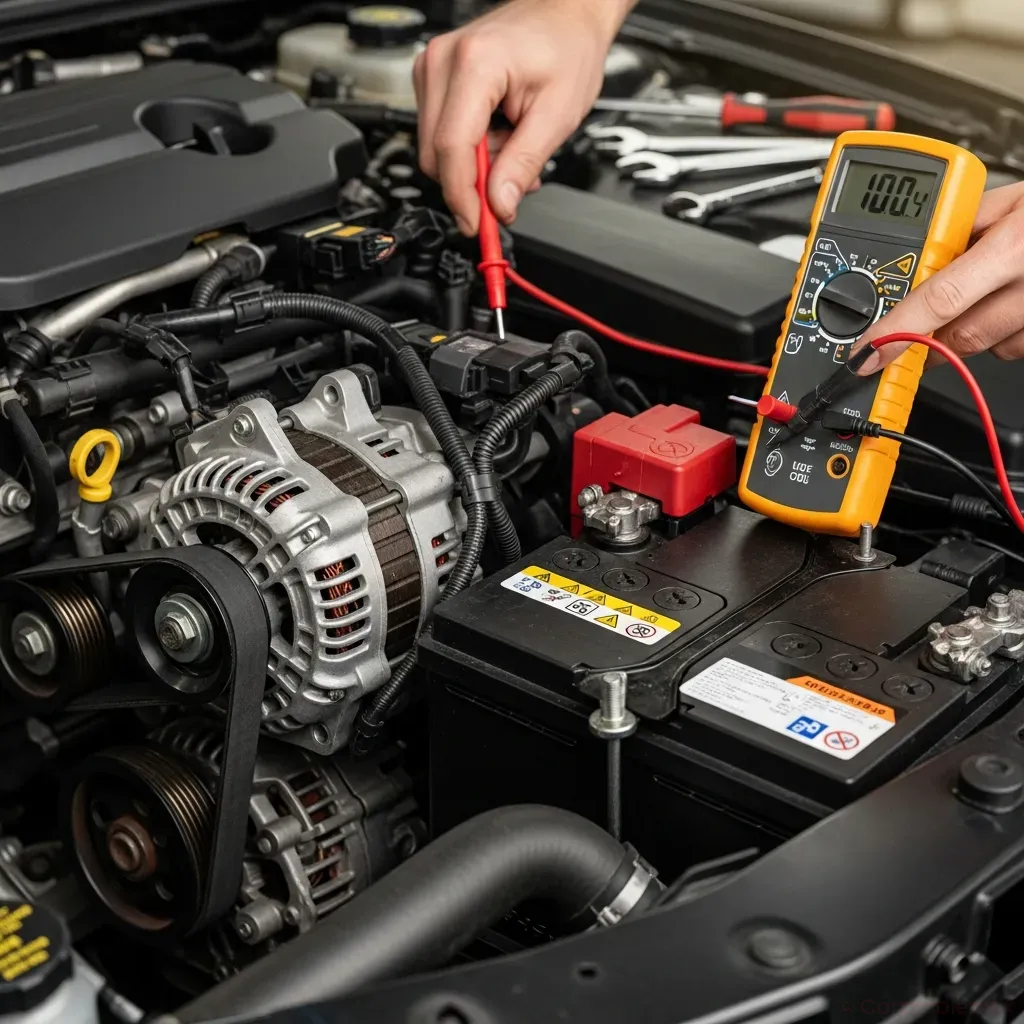
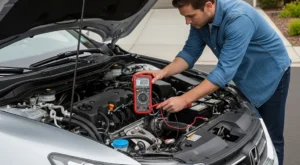
- Use a digital multimeter at the battery terminals.
- Engine off: A healthy, fully charged battery should read about 12.4–12.7 volts.
- Engine idling: Voltage should jump to around 13.8–14.6 volts. Anything under ~13.3 volts suggests a charging issue.
- Turn on headlights, rear defogger, and blower fan. If voltage drops significantly and lights dim, suspect the alternator.
Fix: Replace the alternator or have it rebuilt. Always test the battery afterward; repeated low-voltage operation can damage it.
2. Loose or Worn Serpentine Belt
The alternator is driven by the serpentine belt. If the belt slips, the alternator can’t spin fast enough to produce full output.
Typical signs:
- Lights dim mainly at low RPM or when you turn on multiple accessories.
- High-pitched squeal on startup or when accelerating.
- Cracks, glazing, or fraying on the belt.
Why it causes dim lights: A slipping belt means reduced alternator speed and output, especially at idle. The system voltage drops and your lights dim.
Fix: Replace the serpentine belt and inspect/replace the belt tensioner and idler pulleys. A weak tensioner can cause intermittent dimming even with a new belt.
3. Weak or Sulfated Battery
Even if your car starts, the battery may be weak or partially sulfated (sulfur buildup on plates), reducing its ability to buffer the electrical system.
Typical signs:
- Slow cranking, especially in the morning.
- Lights dim noticeably when cranking, then recover.
- Voltage drops quickly when you turn on multiple accessories with the engine off.
Why it causes dim lights: The battery acts as a stabilizer. When it’s weak, voltage sags more easily under load, causing lights to dim during heavy electrical demand or alternator transitions.
DIY diagnosis:
- Check resting voltage (engine off for at least 30 minutes): under 12.2 volts suggests a low or weak battery.
- Many parts stores will perform a free load test to confirm battery health.
Fix: Replace the battery if it fails a load test or is more than 4–6 years old and shows symptoms. If you’ve already experienced a no-start, review this detailed guide on car won’t start but battery is good for additional diagnostics.
4. Corroded or Loose Battery Terminals
Corrosion and loose connections at the battery are a very common and often overlooked cause of dim lights.
Typical signs:
- White, green, or blue crust on battery posts or cable ends.
- Intermittent electrical issues when hitting bumps.
- Lights flicker or dim when you wiggle the battery cables (engine off).
Why it causes dim lights: Corrosion increases resistance at the connection. Under load, the voltage drop across that resistance increases, leaving less voltage for lights and other systems.
Fix:
- Disconnect the negative terminal first, then the positive.
- Clean posts and terminals with a battery terminal brush and a baking soda/water solution.
- Reinstall tightly (do not overtighten) and apply a light coat of dielectric grease or anti-corrosion spray.
5. Bad Engine or Chassis Grounds
Ground cables connect the battery negative to the engine and chassis. If these are loose, corroded, or broken, current can’t flow properly.
Typical signs:
- Dim or flickering lights, especially when using high-current devices (starter, power steering, AC).
- Random electrical glitches: gauges jumping, radio cutting out, warning lights that come and go.
- Visible corrosion or frayed ground straps between engine and body.
Why it causes dim lights: A poor ground path forces current through smaller or unintended paths, creating voltage drop and unstable system voltage.
Fix:
- Locate main ground straps (battery to chassis, chassis to engine).
- Remove and clean contact points to bare metal; use a wire brush or sandpaper.
- Reinstall securely and protect with dielectric grease or anti-corrosion spray.
- Replace damaged or corroded ground straps and cables.
6. Voltage Drop in Headlight or Interior Light Circuits
Even if the charging system is healthy, your lights can dim because of voltage loss in the wiring, switches, or connectors feeding them.
Typical signs:
- Headlights are always dim compared to similar vehicles.
- One side is dimmer than the other.
- Lights brighten slightly if you wiggle the headlight connector or switch.
Why it causes dim lights: Old wiring, corroded connectors, and worn switches add resistance. The more resistance, the more voltage is lost before it reaches the bulb.
DIY voltage drop test (basic):
- With the engine running and headlights on, measure voltage at the battery: note the value.
- Measure voltage at the headlight connector (power to ground). If it’s more than about 0.5 volts lower than the battery, you have excessive voltage drop in the circuit.
Fix:
- Clean or replace corroded headlight connectors.
- Inspect and repair damaged wiring or splices.
- On older cars, consider a relay harness that feeds headlights directly from the battery through relays, reducing load on the factory switch and wiring.
7. Overloaded Electrical System (Aftermarket Accessories)
Modern vehicles are engineered with a specific electrical capacity. Adding high-draw accessories can push the system beyond what the alternator and wiring can comfortably support.
Typical culprits:
- High-power audio systems (amps, subwoofers).
- Multiple auxiliary LED light bars or off-road lighting.
- Winches, inverters, or other heavy 12V loads.
Typical signs:
- Lights dim or flicker in sync with bass hits or when using the winch.
- Voltage drops significantly when accessories are turned on.
Why it causes dim lights: The alternator is being asked to supply more current than it can produce, especially at idle. The battery makes up the difference until it’s partially discharged, and system voltage drops.
Fix:
- Accurately calculate total electrical load and compare it to alternator output.
- Upgrade to a higher-output alternator if necessary.
- Use proper gauge wiring and dedicated power/ground runs for high-draw accessories.
- In extreme builds, consider a secondary battery with an isolator.
8. Failing Voltage Regulator or Smart Charging System
Many modern vehicles use “smart” charging controlled by the engine control module (ECM) or body control module (BCM). Older cars often have a traditional voltage regulator (internal or external).
Typical signs:
- Voltage fluctuates noticeably while driving (seen on a scan tool or voltmeter).
- Lights brighten and dim without any change in engine speed or accessory load.
- Intermittent battery or charging system warning lights.
Why it causes dim lights: A malfunctioning regulator or control module fails to maintain stable voltage, so your lights mirror the ups and downs.
Fix:
- Scan the vehicle for diagnostic trouble codes (DTCs) related to the charging system.
- On many cars, the regulator is built into the alternator—replacing the alternator fixes the issue.
- For smart charging systems, software updates or control module diagnosis may be required; this is usually a job for a professional shop.
Step-by-Step DIY Diagnosis for Dimming Lights
You don’t need a full shop to narrow down the cause. A simple multimeter and basic hand tools can take you a long way.
Step 1: Observe When the Dimming Happens
- Only at idle – Suspect alternator output at low RPM, belt, or belt tensioner.
- When accessories turn on – Suspect alternator capacity, weak battery, or bad grounds.
- Randomly or over bumps – Suspect loose connections or wiring issues.
Step 2: Check Battery Voltage
- Engine off, after sitting: 12.4–12.7V is healthy; under 12.2V is low.
- If low, charge the battery fully and retest. If it won’t hold a charge, replace it.
Step 3: Check Charging Voltage
- Start the engine, measure at the battery: look for 13.8–14.6V.
- Turn on headlights, blower fan, and rear defogger. Voltage should remain above ~13.3V.
- If voltage is low or unstable, suspect alternator, belt, or regulator.
Step 4: Inspect Belt and Connections
- Visually inspect the serpentine belt for cracks, glazing, or contamination.
- Check belt tension; if you can easily twist it more than 90 degrees or push it deeply between pulleys, the tensioner may be weak.
- Inspect battery terminals and grounds for corrosion or looseness; clean and tighten as needed.
Step 5: Check for Voltage Drop to the Lights
- With engine running and lights on, compare voltage at the battery to voltage at the headlight connector.
- A drop greater than ~0.5V indicates wiring or connector issues in the lighting circuit.
Is It Safe to Drive When Your Lights Dim?
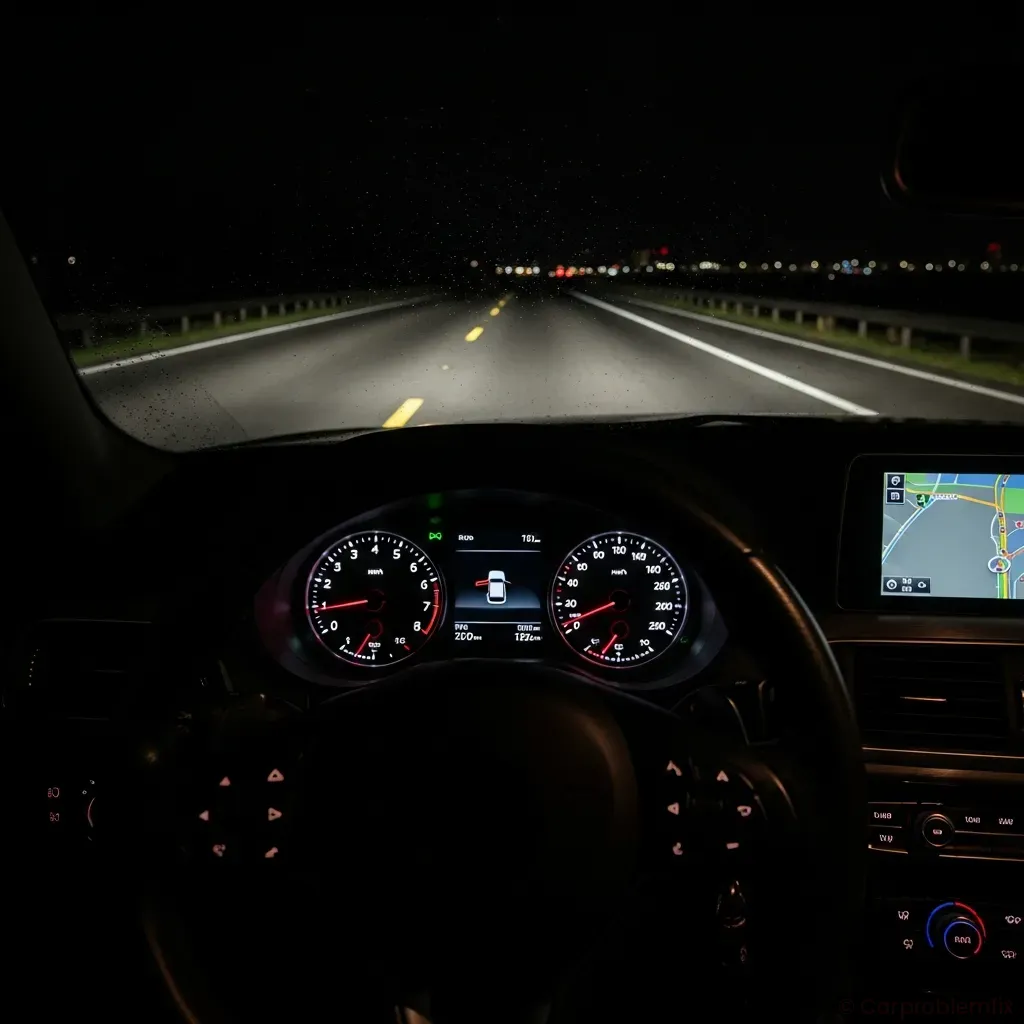
It depends on the severity and cause, but dimming lights are always a warning sign you should respect.
- Mild dimming only at idle – You may have some time, but schedule diagnosis soon. Night driving visibility is reduced, and the problem can worsen quickly.
- Frequent or severe dimming – Avoid long trips and night driving. You risk losing headlights, stalling, or draining the battery to the point the car won’t restart.
- Dimming plus other symptoms (engine stumbling, warning lights, electronics resetting) – Have the car inspected immediately. You’re close to a breakdown.
Repair Costs for Dimming Light Problems
Costs vary by vehicle and region, but these ballpark figures can help you plan:
- Battery terminal cleaning – DIY virtually free; shop: $30–$60.
- New battery – $120–$300 installed, depending on size and brand.
- Alternator replacement – $350–$900 parts and labor; more on some luxury or hybrid models.
- Serpentine belt & tensioner – $150–$400 installed.
- Ground strap repair/replacement – $80–$250 depending on accessibility.
- Headlight wiring repair – $100–$400 depending on the extent of damage.
Preventing Future Electrical Problems
Once you’ve fixed the cause of dim lights, a few simple habits can keep your electrical system healthy:
- Inspect the battery annually – Check age, terminals, and have it load-tested before winter.
- Listen to your belt – Squeals on startup or in wet weather are early warnings.
- Be realistic with accessories – Don’t overload the system with high-draw add-ons without upgrading the alternator and wiring.
- Address vibrations – Excessive vibration can loosen electrical connections over time. If your car shakes at speed, see this guide on car vibrates while driving.
- Fix new noises early – Clunks or thumps that change with speed can indicate issues that indirectly stress the electrical system; learn more in the guide on car makes thumping noise that speeds up with the car.
When to See a Professional
If you’ve checked the basics—battery, alternator voltage, belt, and visible connections—and your lights still dim while driving, it’s time for a professional diagnosis. Modern vehicles integrate the charging system with multiple control modules, and issues can involve:
- Body control module (BCM) faults.
- CAN bus communication problems.
- Smart alternator control circuits.
- Hidden corrosion in harnesses or junction blocks.
A shop with proper scan tools and wiring diagrams can save you hours of guesswork and prevent unnecessary parts replacement.
Bottom Line
Car lights that dim while driving are your early warning that something in the electrical system isn’t right. In many cases, the fix is straightforward—an alternator, belt, battery, or simple connection issue. The key is to diagnose it promptly, before voltage drops start causing no-start conditions, stalling, or damage to sensitive electronics.
Use the steps in this guide to narrow down the cause, tackle the easy checks yourself, and don’t hesitate to bring in a professional if the problem persists. Your lights—and your safety—depend on a healthy electrical system.
How do you rate this guide?

Related Posts
Comments have been disabled.