Car Leaking Oil When Parked: Causes, Diagnosis & Fixes
Car Leaking Oil When Parked – Causes, Diagnosis & Fixes Finding an oil spot under your parked car is one of the most common issues drivers face — yet it is often ignored until the problem becomes serious. Engine oil leaks can start as small drips but quickly develop into...

- 1. Car Leaking Oil When Parked – Causes, Diagnosis & Fixes
- 2. 1. Why Cars Leak Oil When Parked
- 3. 2. The Most Common Causes of Oil Leaking When Parked
- 3.1. 1. Worn or Damaged Oil Pan Gasket
- 3.2. 2. Loose or Damaged Oil Drain Plug
- 3.3. 3. Oil Filter Not Sealed Properly
- 3.4. 4. Valve Cover Gasket Leak
- 3.5. 5. Rear Main Seal Leak (Serious)
- 3.6. 6. Cracked or Damaged Oil Pan
- 3.7. 7. PCV System Problems
- 3.8. 8. Camshaft or Crankshaft Seal Leaks
- 4. 3. How to Confirm the Source of the Oil Leak
- 4.0.1. 1. Check the oil color
- 4.0.2. 2. Identify the location of the puddle
- 4.0.3. 3. Use UV dye
- 4.0.4. 4. Wipe and monitor
- 5. 4. Repair Costs Summary
- 6. 5. Is It Safe to Keep Driving With an Oil Leak?
- 6.0.1. Safe for short distances if:
- 6.0.2. DO NOT DRIVE if:
- 7. Conclusion
Car Leaking Oil When Parked – Causes, Diagnosis & Fixes
Finding an oil spot under your parked car is one of the most common issues drivers face — yet it is often ignored until the problem becomes serious. Engine oil leaks can start as small drips but quickly develop into major failures if left untreated. An oil leak can damage engine components, lower lubrication levels, and even lead to engine failure from overheating or excessive friction.
This guide explains why your car leaks oil when parked, how to identify the source, what the repair costs typically are, and when you should stop driving immediately.
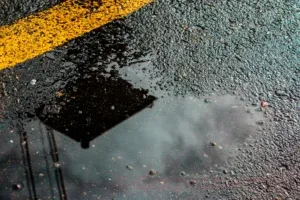
1. Why Cars Leak Oil When Parked
Leaks usually become noticeable when the vehicle has been stationary for several hours because the oil settles at the lowest points of the engine. Gravity then pulls it through any damaged seals, gaskets, or cracks. While some leaks are minor, others indicate serious mechanical issues that need immediate attention.
Oil leaks typically form under:
The engine
The transmission
The oil filter
The front or rear main seals
The valve cover
Understanding the exact location of the leak is the first step toward diagnosing it accurately.
2. The Most Common Causes of Oil Leaking When Parked
Below are the leading causes, symptoms, and repair methods.
1. Worn or Damaged Oil Pan Gasket
The oil pan gasket seals the oil pan to the bottom of the engine. Over time, heat cycles and vibrations can cause it to crack or deteriorate.
Symptoms:
Oil puddle directly under the engine
Slow drip that increases over time
Burning oil smell if leaking onto exhaust components
Fix: Replace the oil pan gasket
Cost: $150–$400
2. Loose or Damaged Oil Drain Plug
If the oil drain plug was not tightened properly after an oil change, or if its washer is worn, the engine may leak oil when parked.
Symptoms:
Fresh oil around the drain bolt
Rapid oil drips
Leak immediately after recent oil change
Fix: Tighten or replace the plug/washer
Cost: $10–$50
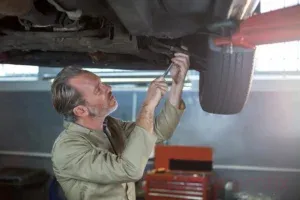
3. Oil Filter Not Sealed Properly
A double gasket, cross-threaded filter, or overly tight filter can cause leaks around the filter area.
Symptoms:
Circular drip pattern under the engine
Oil visible around the filter housing
Fix: Replace oil filter and ensure proper sealing
Cost: $20–$50
4. Valve Cover Gasket Leak
The valve cover gasket sits on top of the engine and commonly leaks due to heat exposure and aging.
Symptoms:
Oil dripping on exhaust → burning smell
Oil smell inside cabin
Oil on top or sides of the engine
Visible smoke
Fix: Replace valve cover gasket
Cost: $100–$300
5. Rear Main Seal Leak (Serious)
This seal is located where the engine meets the transmission. When it fails, it causes heavy leaks.
Symptoms:
Large puddles
Oil dripping between engine & transmission
Requires frequent oil top-ups
Fix: Remove transmission to replace seal
Cost: $600–$1,200+
6. Cracked or Damaged Oil Pan
The oil pan can crack from road debris, curbs, or impact. A cracked pan leaks quickly and heavily when the car is parked.
Symptoms:
Large puddle forming fast
Fresh oil at the bottom of the oil pan
Damage visible from underneath
Fix: Replace oil pan
Cost: $250–$700
7. PCV System Problems
A clogged PCV valve increases crankcase pressure, forcing oil out of gaskets and seals.
Symptoms:
Multiple small leaks
Blue exhaust smoke
Rough idle
Fix: Replace PCV valve
Cost: $20–$80
8. Camshaft or Crankshaft Seal Leaks
These seals prevent oil from leaking around the rotating shafts. When they fail, oil drips down the side of the engine.
Symptoms:
Oil accumulation around timing area
Belt contamination
Gradual dripping when parked
Fix: Replace seals
Cost: $200–$600
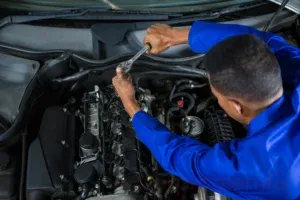
3. How to Confirm the Source of the Oil Leak
1. Check the oil color
Amber–brown → engine oil
Reddish → transmission fluid
Dark brown & thick → gear oil
2. Identify the location of the puddle
Front: engine gasket, filter, pan
Middle: transmission
Rear: differential or rear main seal
3. Use UV dye
You can add leak detection dye to the oil and trace leaks with a UV flashlight.
4. Wipe and monitor
Clean the area, drive shortly, and check where new oil appears.
4. Repair Costs Summary
| Issue | Cost |
|---|---|
| Oil pan gasket | $150–$400 |
| Drain plug | $10–$50 |
| Oil filter | $20–$50 |
| Valve cover gasket | $100–$300 |
| Rear main seal | $600–$1,200+ |
| Oil pan replacement | $250–$700 |
| PCV valve | $20–$80 |
| Cam/crank seals | $200–$600 |
5. Is It Safe to Keep Driving With an Oil Leak?
It depends on the severity:
Safe for short distances if:
Leak is small
Oil level remains above minimum
No burning smell or smoke
DO NOT DRIVE if:
Oil is dripping rapidly
You see smoke from engine bay
Oil level drops quickly
Rear main seal leak suspected
Driving with low oil can destroy the engine within minutes.
Conclusion
An oil leak when parked can come from something as simple as a loose drain plug or as serious as a failing rear main seal. Identifying the leak early prevents expensive repairs and protects your engine from severe damage. Use this guide to narrow down the cause, diagnose the leak, and take action before it worsens.