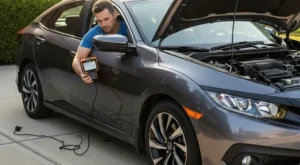
Car Heater Blowing Cold Air: Causes, Diagnosis & Fixes Before Winter Freezes You Out
If your car heater only blows cold air on a freezing day, you don’t have to guess. Learn the most common causes, how to diagnose them at home, and when to call a pro....

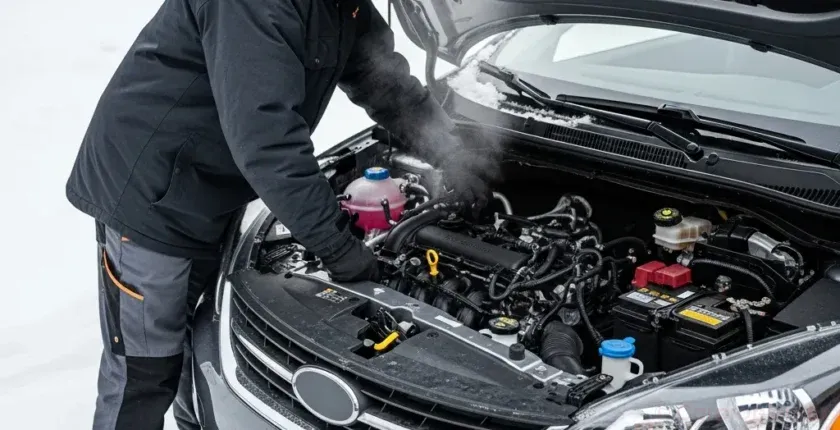
Few things are more miserable than starting your car on a cold morning, cranking the heat, and getting nothing but icy air from the vents. Your engine is warming up, the temperature gauge looks normal, but inside the cabin it still feels like a refrigerator.
- 1. How Your Car Heater Actually Works (In Plain English)
- 2. Common Symptoms When the Heater Blows Cold
- 3. Top Causes of a Car Heater Blowing Cold Air
- 3.1. 1. Low Coolant Level
- 3.2. 2. Stuck-Open Thermostat
- 3.3. 3. Air Pockets or Improperly Bled Cooling System
- 3.4. 4. Clogged or Restricted Heater Core
- 3.5. 5. Blend Door or Heater Control Problems
- 3.6. 6. Heater Control Valve Issues
- 3.7. 7. Water Pump or Flow Problems
- 4. Step-by-Step DIY Diagnosis: Why Is My Car Heater Blowing Cold?
- 4.1. Step 1: Verify the Engine Reaches Normal Temperature
- 4.2. Step 2: Check Coolant Level (Properly)
- 4.3. Step 3: Feel the Heater Hoses
- 4.4. Step 4: Listen and Watch the Controls
- 4.5. Step 5: Scan for Trouble Codes (If Equipped)
- 5. Common Fixes for a Heater That Blows Cold
- 5.1. 1. Top Up Coolant and Fix Leaks
- 5.2. 2. Replace a Stuck-Open Thermostat
- 5.3. 3. Bleed Air From the Cooling System
- 5.4. 4. Flush a Clogged Heater Core
- 5.5. 5. Repair Blend Door or Actuator Problems
- 5.6. 6. Replace a Faulty Heater Control Valve
- 6. When to DIY and When to See a Professional
- 7. Preventing Future Heater Problems
- 8. Stay Warm and Protect Your Engine
The good news: a heater that blows cold air is usually fixable without replacing the entire HVAC system. In many cases, you can diagnose the problem at home with basic tools and a bit of patience.
This guide walks you through how your car’s heater works, the most common causes of no-heat or weak-heat problems, step-by-step DIY checks, and when it’s smarter to let a professional take over.

How Your Car Heater Actually Works (In Plain English)
Understanding the basics makes troubleshooting much easier. Your car’s heater is really a small radiator called a heater core mounted inside the dashboard.
- Engine coolant (antifreeze mixed with water) circulates through the engine to absorb heat.
- Hot coolant is routed through the heater core.
- A blower fan pushes cabin air across the hot heater core.
- That air picks up heat and comes out the vents as warm air.
Temperature is controlled by a blend door and/or a heater control valve that regulates how much hot coolant or hot air is allowed into the system.
So when you get cold air instead of hot, the problem usually comes down to one of these areas:
- Coolant isn’t hot enough or isn’t flowing through the heater core.
- The heater core is clogged or restricted.
- Doors or valves that direct hot air are stuck or broken.
- The climate control system is giving the wrong commands.
Common Symptoms When the Heater Blows Cold
Pay attention to the exact behavior. It often points straight to the cause.
- Only cold air at all settings: Often low coolant, stuck-open thermostat, air pocket, or blend door problem.
- Heat at high RPM, cold at idle: Weak water pump, partially clogged heater core, or low coolant level.
- Passenger side warm, driver side cold (or vice versa): Dual-zone blend door or actuator issue, partially clogged heater core.
- Heat comes and goes randomly: Air in the cooling system, sticky thermostat, intermittent electrical or actuator fault.
- No blower at all (no air movement): Blower motor, fuse, resistor, or switch problem (different from a heater-core issue).
Top Causes of a Car Heater Blowing Cold Air
1. Low Coolant Level
This is one of the most common and most overlooked causes.
If the coolant level is low, there may not be enough hot coolant reaching the heater core. Air pockets can form in the system, and the heater core may be partially or completely full of air instead of coolant.
Other clues:
- Temperature gauge fluctuates or runs hotter than normal.
- Coolant warning light on some vehicles.
- Heater works only sometimes, or only at higher engine speeds.
Why it’s serious: Low coolant usually means you have a leak somewhere, and running low can overheat and damage the engine.
2. Stuck-Open Thermostat
The thermostat is a temperature-controlled valve that keeps coolant in the engine until it warms up, then opens to send coolant through the radiator.
If it sticks open:
- Coolant constantly flows through the radiator.
- The engine takes a long time to warm up or never reaches full operating temperature.
- The heater blows lukewarm or cool air, especially in very cold weather.
Check your temperature gauge: if it stays unusually low even after 10–15 minutes of driving, a stuck-open thermostat is a prime suspect.
3. Air Pockets or Improperly Bled Cooling System
Any time the cooling system is opened (for a radiator, hose, or water pump replacement), air can get trapped inside. If the system isn’t properly bled, air can collect in the heater core.
Air doesn’t transfer heat like coolant does, so the heater blows cold or inconsistent air.
Other signs:
- Gurgling or sloshing sounds behind the dashboard.
- Temperature gauge swings up and down.
4. Clogged or Restricted Heater Core
Over time, coolant can break down, and rust or debris can build up inside the heater core’s tiny passages. If they clog, hot coolant can’t flow properly.
Typical symptoms:
- Weak heat even when the engine is fully warm.
- One side of the cabin warmer than the other.
- Heater hoses at the firewall: one is hot, the other is significantly cooler.
In severe cases, the heater core may need to be flushed or replaced.
5. Blend Door or Heater Control Problems
Inside the HVAC box under your dash are several blend doors that direct air through the heater core, evaporator, or both. These doors are controlled by cables, vacuum actuators, or small electric motors (actuators).
If a blend door sticks or an actuator fails, the system may stay stuck in the “cold” position even when you select hot.
Clues:
- Clicking, ticking, or knocking behind the dash when changing temperature settings.
- Temperature changes only on one side (dual-zone systems).
- Knob or slider feels loose or has no effect.
6. Heater Control Valve Issues
Some vehicles use a heater control valve in the engine bay to regulate coolant flow to the heater core. It may be cable-operated, vacuum-controlled, or electric.
If it’s stuck closed, coolant never reaches the heater core, so you get cold air no matter what you set on the dash.
7. Water Pump or Flow Problems
The water pump circulates coolant through the engine, heater core, and radiator. If it’s weak or its impeller is damaged, coolant flow may be poor, especially at idle.
Typical behavior:
- Little or no heat at idle.
- Heat improves when you rev the engine or drive at speed.
- Possible overheating under load or at higher speeds.
Step-by-Step DIY Diagnosis: Why Is My Car Heater Blowing Cold?
Always work on a cold engine when opening the cooling system. Hot coolant is under pressure and can cause serious burns.
Step 1: Verify the Engine Reaches Normal Temperature
- Start the car and let it idle.
- Turn the heater off for now.
- Watch the temperature gauge as you drive gently for 10–15 minutes.
Normal behavior: The gauge gradually rises to the middle and stays there.
If it never warms up: Suspect a stuck-open thermostat.
If it overheats: You have a bigger cooling system problem that must be fixed before worrying about the heater.
Step 2: Check Coolant Level (Properly)
- Let the engine cool completely (at least 30–60 minutes after driving).
- Check the coolant reservoir (overflow tank). The level should be between the MIN and MAX marks.
- If it’s low, top up with the correct coolant mixture for your vehicle.
- On some cars, you may also need to check the level in the radiator itself (only when cold, and only if your system allows it).
If the coolant was low, refill it, then:
- Run the engine with the heater on HOT and fan on medium.
- Watch for the level to drop again (indicating air working its way out).
- Top up as needed, following your vehicle’s bleeding procedure if specified.
If the level keeps dropping over days or weeks, you have a leak that needs to be found and repaired.
Step 3: Feel the Heater Hoses
This simple test can tell you a lot about coolant flow through the heater core.
- Warm the engine fully until the temperature gauge is at normal.
- Set the heater to HOT and the fan to medium.
- With the engine running, open the hood and locate the two heater hoses going into the firewall (usually 5/8″ or 3/4″ hoses side by side).
- Carefully feel both hoses. They should both be hot (but not scalding if you touch briefly).
What the results mean:
- Both hoses hot: Coolant is flowing through the heater core. The problem is likely inside the dash (blend door, actuator, or air distribution).
- One hose hot, one cool or cold: Restricted heater core or a heater control valve that isn’t opening.
- Both hoses cool or just warm: Engine may not be reaching temperature, coolant level may be low, or flow is restricted before the heater core.
Step 4: Listen and Watch the Controls
Now focus on the HVAC controls inside the cabin.
- Move the temperature knob or buttons from cold to hot.
- Switch modes (floor, dash vents, defrost).
Pay attention to:
- Any clicking or knocking behind the dash when changing settings (often a failing blend door actuator).
- Whether air direction changes correctly (if not, a mode door or actuator may be stuck).
- Whether the temperature changes on only one side (dual-zone actuator or door issue).
Step 5: Scan for Trouble Codes (If Equipped)
Many modern vehicles store HVAC-related trouble codes that a basic OBD2 scanner can’t always read, but it’s still worth checking.
- Plug in an OBD2 scanner and check for codes.
- If you see codes related to coolant temperature sensors, thermostat performance, or HVAC actuators, address those first.
Some vehicles also have built-in HVAC self-tests you can trigger with specific button combinations—check a service manual or reputable online forum for your model.
Common Fixes for a Heater That Blows Cold
Once you’ve narrowed down the cause, here are typical repair paths, from simplest to more advanced.
1. Top Up Coolant and Fix Leaks
If the coolant was low, simply topping it off may restore heat temporarily, but you must find and fix the leak to avoid engine damage.
- Inspect radiator, hoses, clamps, water pump area, and heater hoses for wet spots or crusty residue.
- Check inside the cabin for damp carpet or a sweet coolant smell (could indicate a leaking heater core).
- Use a cooling system pressure tester if needed to pinpoint slow leaks.
2. Replace a Stuck-Open Thermostat
Thermostats are relatively inexpensive parts. On many engines, they’re straightforward to replace with basic tools; on others, they’re buried and more complex.
General steps:
- Drain enough coolant to drop the level below the thermostat housing.
- Remove the housing, swap the thermostat and gasket, and reassemble.
- Refill and bleed the cooling system per the manufacturer’s procedure.
If you’re not comfortable opening the cooling system, a shop can usually handle this in about an hour or two of labor.
3. Bleed Air From the Cooling System
Some systems are self-bleeding; others have specific bleed screws or procedures.
- Park on a slight incline with the front of the car higher.
- With the engine cool, open the radiator cap or bleed screw if equipped.
- Start the engine, turn the heater to HOT, and let it idle.
- Watch for bubbles escaping and top up coolant as needed.
Always follow your vehicle’s service manual—some engines are sensitive to improper bleeding and can overheat easily.
4. Flush a Clogged Heater Core
If one heater hose is hot and the other is cool, a heater core flush may restore flow.
- Let the engine cool and relieve any pressure.
- Disconnect both heater hoses at the firewall (have a drain pan ready).
- Use a garden hose to gently flush water through the heater core in one direction, then the other.
- Continue until the water runs clear.
- Reconnect hoses, refill coolant, and bleed the system.
Be gentle—heater cores are delicate. If flushing doesn’t help, the core may be too clogged or corroded and need replacement (a bigger job that often requires dash disassembly).
5. Repair Blend Door or Actuator Problems
This is where things get more involved, because many blend doors and actuators are buried behind the dashboard.
- Use a repair manual or online guide for your specific vehicle to locate actuators.
- Sometimes you can access and replace a faulty actuator by removing the glove box or lower dash panels.
- If the actual plastic door is broken inside the HVAC box, the dash may need to come out—a labor-intensive job best left to a professional.
6. Replace a Faulty Heater Control Valve
If your vehicle uses a heater control valve and it’s stuck closed or leaking, replacement is usually straightforward:
- Identify the valve in the heater hose circuit.
- Clamp or drain coolant as needed, remove the old valve, and install the new one with fresh clamps.
- Refill and bleed the cooling system.
When to DIY and When to See a Professional
Good DIY candidates:
- Checking and topping off coolant.
- Inspecting for obvious leaks.
- Feeling heater hoses and doing basic hose flushing.
- Replacing an accessible thermostat or heater control valve.
Better for a shop:
- Persistent overheating or rapid coolant loss.
- Suspected internal engine problems (head gasket failure, oil in coolant).
- Heater core replacement that requires dash removal.
- Complex dual-zone climate control or CAN-bus controlled HVAC systems.
Preventing Future Heater Problems
A little maintenance goes a long way toward keeping your heater working when you need it most.
- Change coolant on schedule: Old coolant becomes acidic and forms deposits that clog heater cores.
- Fix small leaks early: Topping off coolant every few weeks is a warning sign, not a long-term solution.
- Use the correct coolant type: Mixing incompatible coolants can cause sludge and corrosion.
- Run the heater occasionally in warmer months: This keeps valves and blend doors from sticking.
Stay Warm and Protect Your Engine
A car heater that only blows cold air is more than just an inconvenience—it’s often your first warning that something is wrong with the cooling system. Ignoring it can lead to overheating, breakdowns, and expensive engine repairs.
By understanding how the system works, checking coolant level and hose temperatures, and listening for clues behind the dash, you can usually narrow down the cause quickly. Handle the simple fixes yourself, and don’t hesitate to bring in a professional for deeper HVAC or engine cooling issues.
Get the problem handled now, and you’ll stay comfortable all winter while keeping your engine healthy for the long haul.
How do you rate this guide?

Related Posts
Comments have been disabled.