
Beginner’s Guide to Small SUV Reliability: The Most Dependable Models and What Fails on Each
New to car shopping and want a small SUV that won’t constantly be in the shop? This guide explains which compact SUVs are most reliable, what typically fails on each, and how to avoid expensive surprises....


If you are shopping for a small SUV and reliability is your top concern, you are not alone. Compact crossovers have replaced sedans for many families, but not all of them age gracefully. Some run for 200,000+ miles with basic maintenance, while others eat transmissions, turbos, or electronics long before that.
- 1. How to Think About Small SUV Reliability as a Beginner
- 2. Checklist: How to Judge a Small SUV’s Reliability Before You Buy
- 3. Most Reliable Small SUVs: Models and Their Typical Weak Spots
- 3.1. Toyota RAV4 (2013–2018): Strong Drivetrain, Some Minor Annoyances
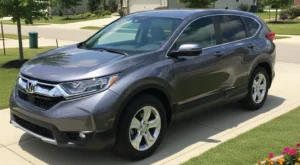
- 3.2. Honda CR-V (2015–2019): Efficient and Durable, But Watch the Engine and AC
- 3.3. Mazda CX-5 (2014–2020): Fun to Drive and Generally Solid
- 3.4. Subaru Forester (2016–2018): Great in Bad Weather, But Watch for Oil Use
- 3.5. Hyundai Tucson and Kia Sportage (2016–2019): Good Value with Some Engine Caveats
- 4. Common Failure Types on Small SUVs and What They Mean for You
- 5. Simple Reliability Checks You Can Do Yourself
- 6. Should You Avoid CVTs, Turbos, or Direct Injection for Reliability?
- 7. Summary and Next Steps
This beginner-friendly guide walks you through how to think about small SUV reliability, then highlights several of the most dependable models and the common problems to watch for on each. You will learn what tends to fail, what is usually cheap to fix, and which issues can turn into budget-killing repairs.
How to Think About Small SUV Reliability as a Beginner


Reliability is more than just “does it start every morning.” It is about how often things break, how serious those failures are, and how expensive they are to repair. A reliable small SUV should have predictable maintenance needs and no major weak spots that regularly destroy engines, transmissions, or electronics.
When evaluating reliability, focus on these areas:
- Powertrain: Engine and transmission design, known failures, and how they behave at higher mileage.
- Fluids and maintenance: Whether the SUV needs strict fluid changes (like CVT or turbo engines) and if previous owners likely followed them.
- Electronics: Infotainment, sensors, cameras, and safety systems that can be costly to diagnose and repair.
- Rust and body: In some regions, rust can kill a vehicle before the engine ever gives up.
As a beginner, you do not need to memorize every technical detail. Instead, learn the common patterns for the specific models you are considering and use a simple checklist when shopping.
Checklist: How to Judge a Small SUV’s Reliability Before You Buy
Use this simple, decision-based checklist when you are looking at a compact SUV, especially a used one.
- Research the specific year and engine: The same model can be reliable in one year and problematic in another. Search for the year, engine size, and words like “transmission problems” or “engine failure” to spot patterns.
- Check for transmission type: Some small SUVs use conventional automatics, others use CVTs. CVTs can be reliable if serviced correctly, but they are more sensitive to neglect. If you are considering a CVT, also read about CVT transmission shudder, drone & hesitation so you know what warning signs feel like on a test drive.
- Look for maintenance records: Oil changes, transmission fluid changes, coolant, and brake fluid history matter. A well-documented SUV is usually a safer bet than a mystery vehicle, even if the mileage is a bit higher.
- Scan for warning lights and drivability issues: On a test drive, watch for check engine lights, ABS lights, or transmission warning messages. If the engine feels rough, it may need basic work like plugs and coils. For example, rough running can sometimes be fixed with the sort of work covered in DIY spark plug replacement, but repeated misfires can also signal deeper engine issues.
- Inspect for leaks and rust: Look underneath for oil, coolant, or transmission fluid leaks. Check wheel arches, door bottoms, and the rear hatch for rust, especially in snowy or coastal regions.
- Budget for known weak spots: Once you know a model’s common failures (covered below), set aside a small repair fund. A reliable SUV is not one that never needs repairs; it is one where those repairs are predictable and manageable.
Most Reliable Small SUVs: Models and Their Typical Weak Spots
Below are several small SUVs that have generally strong reliability records. None are perfect, so for each one you will also see the most common failures to watch for. This list focuses on mainstream, widely available models that beginners are likely to find on the used market.
Toyota RAV4 (2013–2018): Strong Drivetrain, Some Minor Annoyances
The 2013–2018 Toyota RAV4 is one of the safest bets in the small SUV world. It uses a simple, naturally aspirated 4-cylinder engine and a conventional automatic transmission, both of which are known to go high mileage with basic maintenance.
Why it is considered reliable:
- Proven 2.5L 4-cylinder engine with no widespread catastrophic failures.
- Conventional 6-speed automatic transmission with generally low failure rates.
- Parts are easy to find and most independent shops know these vehicles well.
Common RAV4 problems to watch for:
- Suspension wear: Struts, sway bar links, and bushings can wear out around 80,000–120,000 miles, causing clunks or loose handling. These are usually not dangerous if addressed promptly and are relatively affordable to replace.
- Interior rattles and trim issues: Some owners report squeaks and rattles from the dash or cargo area. Annoying, but not a reliability deal-breaker.
- Minor oil seepage: Valve cover gaskets and oil pan gaskets can seep with age. Light sweating is common and often just needs monitoring, but active drips should be inspected.
Beginner tip: On a test drive, listen for suspension noises over bumps and check for any fluid spots under the vehicle after it has been parked for a few minutes.
Honda CR-V (2015–2019): Efficient and Durable, But Watch the Engine and AC
The Honda CR-V is another popular small SUV with a reputation for long life. The 2015–2016 models use a 2.4L engine, while many 2017–2019 models use a 1.5L turbo engine. Both can be reliable if maintained, but each has its own quirks.
Why it is considered reliable:
- Engines are generally long-lived if oil changes are done on time.
- Honda’s engineering focus on efficiency means good fuel economy and solid daily drivability.
- Many CR-Vs make it well past 150,000 miles with only routine maintenance.
Common CR-V problems to watch for:
- 1.5L turbo oil dilution (2017–2018 especially in cold climates): Fuel can mix with engine oil, thinning it and potentially causing long-term wear. Many vehicles had software updates and other fixes. When shopping, ask if these updates were done and check the oil level and smell (strong fuel odor is a red flag).
- Air conditioning failures: Some CR-Vs have AC compressor or condenser issues, which can be expensive. Test the AC thoroughly on a warm day and make sure it cools quickly and consistently.
- CVT behavior: Many CR-Vs use a CVT transmission. They can be reliable, but fluid changes are important. On a test drive, feel for shudder, hesitation, or droning noises under light acceleration, similar to the symptoms described in the CVT transmission shudder, drone & hesitation guide.
Beginner tip: If you are nervous about turbo engines or CVTs, consider a 2015–2016 CR-V with the 2.4L engine and confirm the transmission type; some buyers prefer the simpler setup.
Mazda CX-5 (2014–2020): Fun to Drive and Generally Solid
The Mazda CX-5 is a good choice if you want a small SUV that feels more engaging to drive. It balances reliability with sharper steering and a more connected feel than many competitors.
Why it is considered reliable:
- Skyactiv-G 2.0L and 2.5L engines are known for durability and efficiency.
- Conventional automatic transmissions with relatively low failure rates.
- Rust resistance is better than older Mazdas, especially in later years.
Common CX-5 problems to watch for:
- Infotainment glitches: Freezing screens, slow response, or random reboots. Software updates can help, but occasionally the head unit may need repair or replacement.
- Brake wear: Some owners report faster-than-expected brake pad and rotor wear. This is not catastrophic, but you should budget for brake work more often, especially if you do a lot of city driving.
- Minor oil consumption: A small number of early CX-5s can use more oil between changes. Check the oil level and look for blue smoke on startup or heavy acceleration.
Beginner tip: On a test drive, spend a few minutes using the infotainment system and check that all steering wheel buttons, backup camera, and Bluetooth functions work smoothly.
Subaru Forester (2016–2018): Great in Bad Weather, But Watch for Oil Use
The Subaru Forester is popular in snowy and rural areas thanks to its standard all-wheel drive and good visibility. For many buyers, it is a practical, safe-feeling small SUV that can handle rougher conditions.
Why it is considered reliable:
- Simple, naturally aspirated 2.5L engines in many trims.
- All-wheel drive system is robust and proven over many generations.
- Interior space and visibility make it easy to live with daily.
Common Forester problems to watch for:
- Oil consumption: Some engines use more oil than expected. Always check the dipstick and ask the owner or dealer how often they top up between oil changes.
- CVT concerns: Many Foresters use a CVT. While many last a long time, neglected fluid changes or heavy towing can shorten their life. On a test drive, feel for jerking, slipping, or loud whining from the transmission.
- Wind noise and minor rattles: Not a major reliability issue, but some owners notice more wind noise at highway speeds compared to competitors.
Beginner tip: If you buy a Forester, make checking the oil level a habit, especially before long trips. This simple step can prevent serious engine damage.
Hyundai Tucson and Kia Sportage (2016–2019): Good Value with Some Engine Caveats
The Hyundai Tucson and Kia Sportage share many components and offer strong value, long warranties (for original owners), and a good feature set. Reliability has improved over the years, but there are some engine-related concerns you should know.
Why they are considered reasonably reliable:
- Later models have improved build quality and better rust protection.
- Many owners experience only routine maintenance issues.
- Parts availability and independent shop familiarity have improved.
Common Tucson/Sportage problems to watch for:
- Engine bearing and knock issues (certain 2.0L and 2.4L engines): Some engines have had recalls or extended warranties due to potential bearing wear that can lead to knocking and engine failure. When shopping, check recall history and listen carefully for knocking or ticking noises from the engine, especially when warm.
- Transmission shifting quirks: Some dual-clutch and automatic transmissions can feel jerky at low speeds. This is not always a failure, but harsh or slipping shifts should be checked by a mechanic.
- Electrical accessories: Window switches, door locks, and backup cameras can occasionally act up. Test every switch, window, and lock during your inspection.
Beginner tip: If you find a Tucson or Sportage you like, run the VIN through a dealer or online recall tool to confirm that all engine-related recalls and software updates have been completed.
Common Failure Types on Small SUVs and What They Mean for You

Even the most reliable small SUVs have patterns of failure. Understanding the type of failure matters more than the number of complaints you see online.
- Wear-and-tear failures: Brakes, suspension, belts, and hoses wear out on every vehicle. These are normal and usually affordable. A reliable SUV will mostly have this type of failure.
- Design-related failures: Chronic transmission issues, engine defects, or widespread electronics failures are more serious. Avoid models and years where these are common unless you get a great price and are prepared for potential big repairs.
- Maintenance-sensitive systems: Turbocharged engines, CVTs, and direct-injection systems can be reliable if serviced correctly, but they punish neglect. If you cannot confirm good maintenance history, be cautious.
When reading about problems, ask yourself: “Is this a normal wear item, or a design flaw that could cost thousands?” That question will help you separate minor annoyances from deal-breakers.
Simple Reliability Checks You Can Do Yourself
You do not need to be a mechanic to catch many reliability red flags on a small SUV. Use these simple checks before paying for a pre-purchase inspection.
- Cold start test: Ask to start the SUV when the engine is completely cold. Listen for rattling, knocking, or long cranking before it starts. A healthy engine should start quickly and settle into a smooth idle.
- Fluid checks: With the engine off and cool, check the oil level and look at its color. Very dark, sludgy oil or a burnt smell suggests poor maintenance. If possible, check coolant level and look for oil floating in the coolant or thick sludge under the oil cap.
- Transmission behavior: On the test drive, shift from Park to Drive and Reverse. It should engage smoothly without long delays or harsh clunks. If you notice delayed engagement, harsh shifts, or the vehicle refusing to move, that is a serious red flag; issues like this are similar to those described in automatic transmission won’t shift out of park problems and can be expensive.
- Steering and braking feel: The steering wheel should track straight with no strong pull to one side. Braking should be smooth without vibration or grinding noises. Vibrations can indicate worn suspension or brake components.
- Warning lights and messages: Turn the key to the “on” position and confirm that warning lights (check engine, ABS, airbag) come on, then go off after starting. Lights that stay on or never come on at all both indicate potential issues.
- Smells and smoke: Burnt oil, coolant, or fuel smells under the hood or inside the cabin are red flags. Blue smoke from the exhaust suggests oil burning; white smoke that persists after warm-up can indicate coolant burning.
If a small SUV passes these basic checks, it is worth paying a trusted mechanic for a full pre-purchase inspection before you commit.
Should You Avoid CVTs, Turbos, or Direct Injection for Reliability?
Many modern small SUVs use CVT transmissions, turbocharged engines, or direct injection to improve fuel economy. These technologies are not automatically unreliable, but they do change how you should think about maintenance and risk.
- CVT transmissions: Smooth and efficient, but sensitive to fluid quality. If you choose a CVT-equipped SUV, confirm fluid changes were done on schedule and pay close attention for shudder or hesitation on the test drive.
- Turbocharged engines: Offer more power from a small engine. They need regular oil changes with the correct oil grade. Neglect can lead to turbo failure or internal engine wear.
- Direct injection: Improves efficiency but can lead to carbon buildup on intake valves over time. Some engines handle this better than others. Occasional cleaning or using quality fuel can help.
If you prefer the lowest-risk option as a beginner, a naturally aspirated engine with a conventional automatic transmission is usually the safest bet. However, if you are willing to follow maintenance schedules carefully and verify service history, a modern turbo or CVT small SUV can still be a solid choice.
Summary and Next Steps
Choosing a reliable small SUV does not require expert-level mechanical knowledge, but it does require a bit of homework. Focus on models with strong track records like the Toyota RAV4, Honda CR-V, Mazda CX-5, Subaru Forester, and certain Hyundai Tucson/Kia Sportage years, then learn the specific weak spots for the exact year and engine you are considering.
Use the simple checklists in this guide to screen vehicles yourself, then invest in a professional pre-purchase inspection before buying. If you notice serious transmission issues, heavy oil consumption, or unresolved recalls, walk away and keep shopping. A little patience now can save you thousands in repairs and give you a small SUV that stays dependable for years.
How do you rate this guide?

Related Posts


Comments have been disabled.
