Beginner’s Guide to Reliable First Cars: Affordable Models, Common Problems and What to Avoid
Choosing a first car is stressful when you don’t know what’s reliable and what’s a money pit. This guide walks you through smart choices, common problems and specific models to consider or avoid....

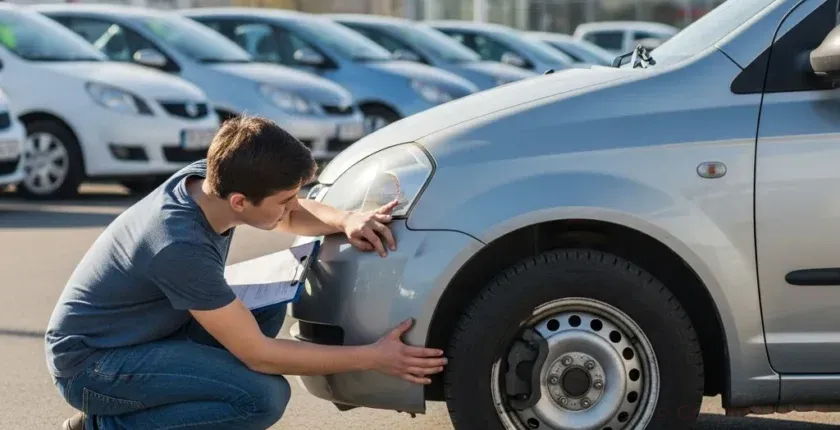
Buying your first car can feel overwhelming. You want something cheap to buy, cheap to run and, most importantly, reliable enough that it doesn’t live at the repair shop. This guide breaks down what actually makes a good first car, which models tend to be dependable, the common problems to watch for and what you should avoid so you don’t get stuck with a headache on wheels.
- 1. What Makes a Good First Car?
- 2. How to Choose a Reliable First Car: Step-by-Step
- 3. Reliable First Car Types and Example Models
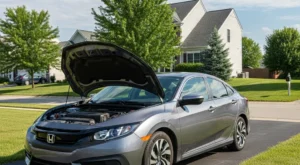
- 3.1. Compact Sedans and Hatchbacks
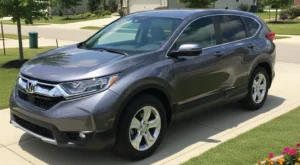
- 3.2. Small, Non-Luxury SUVs
- 3.3. Why Luxury and Performance Cars Are Bad First Cars
- 4. Common Problems in Popular First Cars (and How to Spot Them)
- 4.1. 1. Automatic Transmission Issues
- 4.2. 2. Neglected Oil Changes and Engine Wear
- 4.3. 3. Worn Brakes and Suspension
- 4.4. 4. Rust and Body Damage
- 5. What to Avoid When Buying Your First Car
- 6. Pre-Purchase Inspection Checklist for First-Time Buyers
- 7. Summary and Next Steps
What Makes a Good First Car?
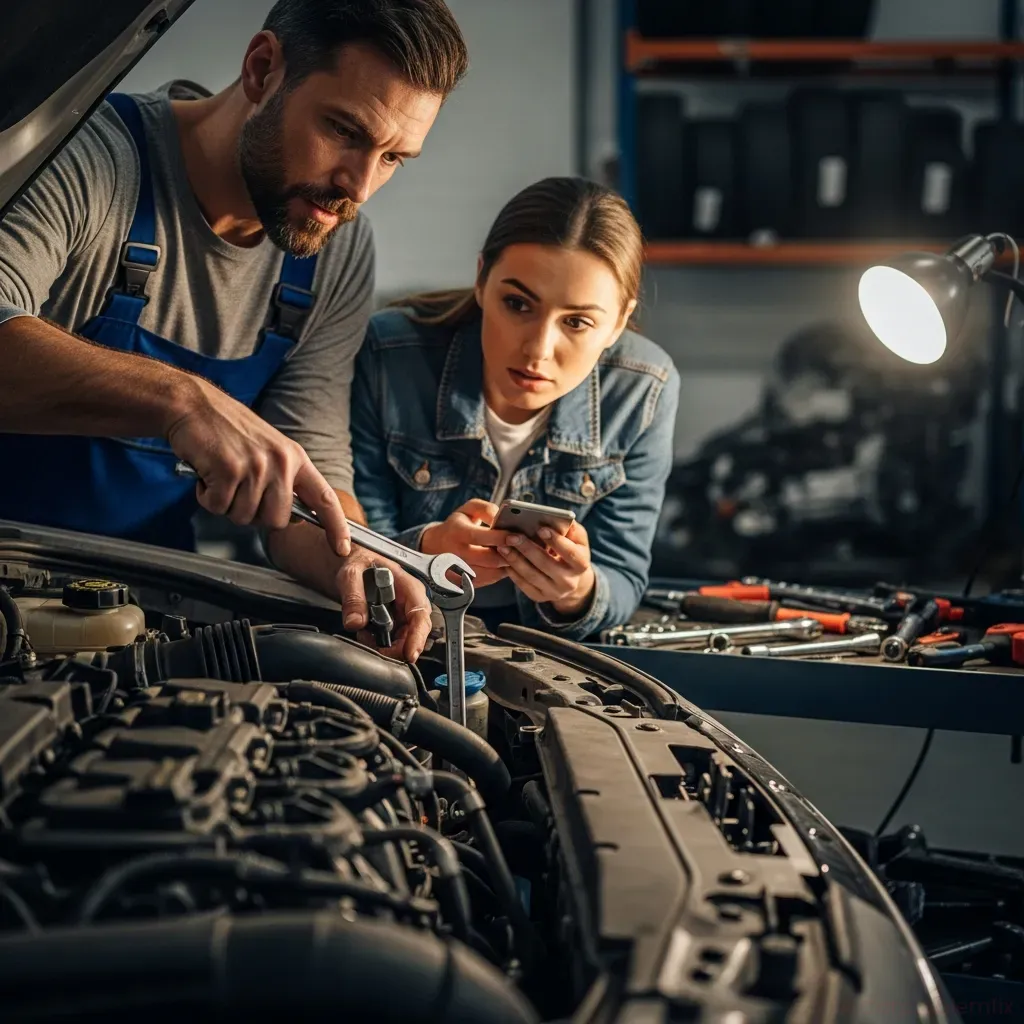
Before you look at specific models, it helps to know what really matters for a first car. Shiny paint and a loud exhaust might be tempting, but they don’t keep you safe or on the road.

- Reliability over style: You want a car with a track record of going 150,000+ miles with basic maintenance, not a high-strung performance model that eats parts.
- Simple, proven technology: Fewer turbos, air suspensions and complex electronics usually means fewer expensive surprises.
- Affordable parts and labor: Common brands and models are cheaper to fix because parts are everywhere and every shop knows how to work on them.
- Good safety ratings: Look for solid crash-test scores and basic safety features like ABS, stability control and multiple airbags.
- Reasonable fuel economy: A first car should be easy to feed. Compact sedans and hatchbacks are usually a sweet spot.
Think of your first car as a tool, not a trophy. Your goal is to learn to drive, maintain a vehicle and avoid big repair bills while you build experience.
How to Choose a Reliable First Car: Step-by-Step
Use this simple process to narrow down choices and avoid emotional, rushed decisions.
- Set a realistic total budget. Include purchase price, tax, registration, insurance, an immediate maintenance fund and a pre-purchase inspection. A good rule: keep 10–20% of your budget aside for initial repairs and maintenance.
- Decide your must-haves. List non-negotiables like four doors, automatic transmission, Bluetooth, or enough cargo space for school or work gear. This keeps you from being distracted by cars that don’t fit your life.
- Stick to mainstream brands and models. For a first car, it’s usually safer to choose common compact sedans and hatchbacks from major brands. Parts are cheaper, and online DIY support is plentiful.
- Research reliability and known issues. Look up owner forums and long-term reviews for the model and year you’re considering. You’re looking for patterns: recurring transmission failures, oil consumption, or electrical gremlins.
- Check insurance costs before you fall in love. Sporty trims and turbo engines can dramatically raise insurance, even if the purchase price is low.
- Inspect the specific car, not just the model. A reliable model that’s been abused is worse than a less-famous model that’s been well cared for. Service records matter.
- Always get a pre-purchase inspection. A trusted independent mechanic should inspect any used car before you buy. The cost is small compared to one major repair you might avoid.
Once you’ve narrowed your list, compare how each candidate scores on reliability, safety, running costs and condition. The "best deal" is usually the car that needs the least catch-up maintenance, not the lowest price on the windshield.
Reliable First Car Types and Example Models
There’s no single perfect first car, but certain types and models consistently work well for beginners. Below are general categories and example models you can research; availability and pricing will vary by region and year.
Compact Sedans and Hatchbacks
Compact cars are often the sweet spot for first-time buyers. They’re easy to park, economical and usually cheaper to insure than SUVs or trucks.
- Non-turbo Japanese compacts: Base or mid-trim compact sedans and hatchbacks with naturally aspirated (non-turbo) engines are often very durable, especially when maintained with regular oil changes and fluid services. You can learn basic maintenance using guides like DIY Oil Change for Beginners.
- Older, well-kept compact hatchbacks: A 7–10-year-old hatchback with low to moderate mileage and full service history can be a great value, as long as major maintenance (like timing belt or spark plugs) has been done.
- Fleet and rental return sedans: Ex-rental compact sedans sometimes get a bad reputation, but many have consistent maintenance records and relatively low miles. A thorough inspection is still essential.
When evaluating a compact car, pay close attention to transmission behavior, engine noises and any warning lights. A smooth-shifting, quiet compact with clean fluid and no leaks is a strong candidate.
Small, Non-Luxury SUVs
If you need more space or drive in bad weather, a small SUV can work as a first car, but you must be more careful about fuel economy and maintenance costs.
- Non-turbo, front-wheel-drive models: These are usually cheaper to maintain than all-wheel-drive or turbocharged versions, and they still offer good space and visibility.
- Avoid oversized wheels and off-road packages: Big wheels mean expensive tires, and off-road packages can add complexity you don’t need.
- Check for rust underneath: SUVs often see more winter and rough-road use. Inspect the frame, suspension mounting points and brake lines for corrosion.
Small SUVs can be a good fit if you regularly carry passengers or gear, but they’re not automatically "safer" than a well-rated sedan. Always compare actual crash-test scores.
Why Luxury and Performance Cars Are Bad First Cars
Used luxury sedans and performance cars can look like bargains because their resale value drops hard. For a first-time owner, they’re usually a trap.
- High parts and labor costs: Even simple repairs like brakes or suspension can cost two to three times more than on a basic compact car.
- Complex electronics: Features like adaptive suspensions, advanced infotainment and driver aids are great when new but expensive to fix out of warranty.
- Performance models are hard on consumables: Bigger brakes, wider tires and more powerful engines all mean higher running costs. Insurance is usually much higher too.
Unless you have a strong budget and mechanical experience, it’s smarter to start with something simple and upgrade later when you know exactly what you’re getting into.
Common Problems in Popular First Cars (and How to Spot Them)
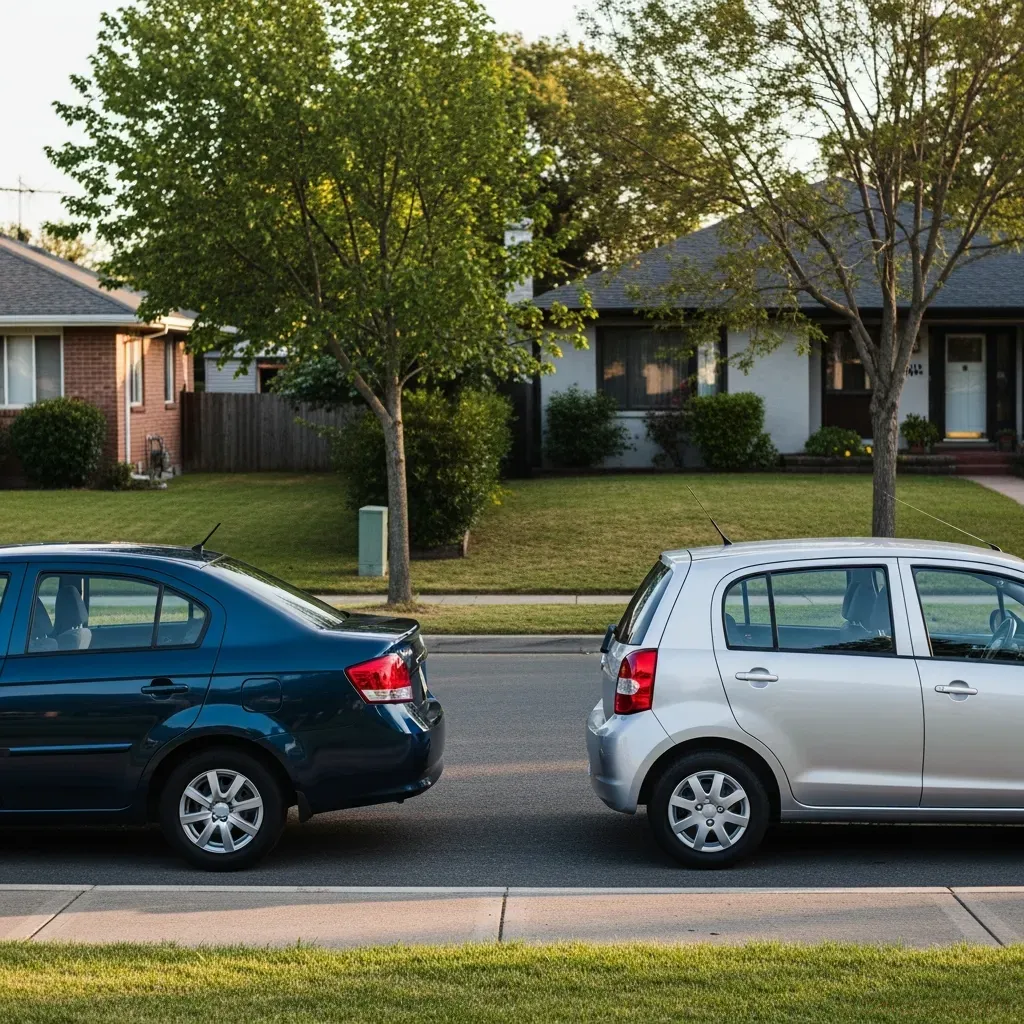
Even reliable models have weak spots. Knowing the common issues helps you inspect smarter and avoid cars that are about to need expensive work.
1. Automatic Transmission Issues
Many first-time buyers prefer automatics, but neglected fluid changes and design flaws can lead to early failures.
- What to watch for on a test drive:
- Harsh or delayed shifts when accelerating or slowing down.
- Shuddering or slipping when going up hills or merging.
- Warning lights or messages related to the transmission.
- Quick checks before buying:
- Look for transmission fluid leaks under the car and around the transmission pan.
- Ask when the fluid was last changed and what type was used.
- Be cautious of "sealed for life" claims; many still benefit from periodic fluid changes.
If a car shows any signs of overheating or slipping, walk away. Transmission repairs can easily exceed the car’s value. For more detail on how heat kills transmissions, see Transmission Overheating: Causes, Symptoms, Diagnosis & Fixes.
2. Neglected Oil Changes and Engine Wear
Engines can last a very long time if they get regular oil changes. Many first cars on the market were owned by people who skipped maintenance.
- Warning signs:
- Thick sludge under the oil cap or on the dipstick.
- Knocking, ticking or rattling noises from the engine, especially when cold.
- Blue smoke from the exhaust (burning oil) or a strong burnt-oil smell.
- Questions to ask the seller:
- How often was the oil changed, and what type of oil was used?
- Do they have receipts or a log of services?
- Has the "check engine" light ever been on for engine-related codes?
If the seller can’t show any proof of oil changes over several years, assume you’re taking on extra risk. You can reduce future problems by learning basic maintenance yourself, starting with a proper oil change schedule.
3. Worn Brakes and Suspension
Brakes and suspension parts are consumables, but they’re also critical for safety. Many sellers try to offload a car right before these items need replacement.
- Signs of worn brakes:
- Squealing or grinding noises when braking.
- Pulsation or vibration in the pedal or steering wheel under braking.
- Spongy or low brake pedal feel.
- Signs of tired suspension:
- Clunking or knocking over bumps.
- Uneven tire wear or a car that "pulls" to one side.
- Excessive bouncing after going over a speed bump.
Brake and suspension work is common and not always a deal-breaker if the car is otherwise solid. Use the needed repairs as a negotiation point, and read guides like the Complete Guide to Preventive Brake Maintenance so you know what to expect.
4. Rust and Body Damage
Rust is more than cosmetic. Structural rust can make a car unsafe and nearly impossible to repair economically.
- Where to look:
- Under the doors and along the rocker panels.
- Wheel arches and the bottoms of fenders.
- Underneath the car: frame rails, suspension mounting points and brake lines.
- Red flags:
- Soft, flaky metal you can poke through with a screwdriver.
- Fresh undercoating or paint that looks like it’s hiding something.
- Misaligned body panels or inconsistent gaps suggesting accident repairs.
Surface rust on older cars can be manageable, but structural rust is a strong reason to walk away, especially for a first-time owner without welding or bodywork experience.
What to Avoid When Buying Your First Car
Knowing what not to buy is just as important as knowing what to look for. These are common traps that turn "good deals" into money pits.
- Heavily modified cars: Lowered suspensions, loud exhausts, big turbos and aftermarket tunes usually mean the car has been driven hard. Insurance can also be more complicated.
- Salvage or rebuilt titles: These cars were once totaled by an insurance company. Even if repaired, hidden damage can haunt you, and resale value is poor.
- Flood or water-damaged vehicles: Water damage leads to long-term electrical and corrosion issues. Musty smells, rust on seat rails and inconsistent electronics are warning signs.
- Cars with no service history: A stack of receipts is worth real money. A car with zero records is a gamble, even if it looks clean.
- High-performance trims of otherwise reliable models: A basic compact sedan might be reliable, but the turbocharged, sport-tuned version can have very different running costs and reliability.
As a first-time buyer, it’s usually smarter to be "boring" and pick a plain, well-maintained car than to chase something exciting with a sketchy past.
Pre-Purchase Inspection Checklist for First-Time Buyers
Use this structured checklist when you go to see a car. It won’t replace a professional inspection, but it will help you filter out bad candidates before you pay a mechanic.
- Before you go:
- Ask for the VIN and run a vehicle history report if possible.
- Confirm the title status (no salvage, rebuilt or flood branding).
- Ask for photos of service records or a maintenance log.
- Exterior walk-around:
- Check for mismatched paint, panel gaps and overspray (possible accident repairs).
- Look at all four tires for even tread wear and age (check the DOT date code).
- Inspect for visible rust, especially under doors, wheel arches and underbody.
- Interior and basic functions:
- Test all windows, locks, lights, wipers, horn, heater and AC.
- Look for water stains, moldy smells or damp carpets (possible leaks or flood damage).
- Check that all warning lights illuminate at key-on and then go out after starting.
- Under the hood:
- Check oil level and color; avoid cars with thick sludge or metallic glitter in the oil.
- Look for coolant leaks, cracked hoses and swollen or corroded battery terminals.
- Inspect belts for cracks or fraying.
- Test drive:
- Start from cold if possible; listen for rattles, knocks or long cranking.
- Drive at city and highway speeds; note any vibrations, pulling or noises.
- Test braking from different speeds; watch for pulling, pulsation or grinding.
- Check transmission behavior in all gears and during gentle and firm acceleration.
- After the drive:
- Look under the car for fresh leaks.
- Smell for burnt oil, coolant or transmission fluid.
- Review any dashboard messages or warning lights that appeared.
If the car passes your checklist, schedule a professional pre-purchase inspection. If the seller refuses, that’s your cue to walk away.
Summary and Next Steps
A reliable first car is less about the badge on the hood and more about simple design, solid maintenance history and a clean inspection. Focus on mainstream, non-luxury models with proven reliability, avoid heavily modified or branded-title cars and pay close attention to signs of transmission, engine, brake and rust issues.
Use a structured process: set your budget, research reliability, inspect carefully and always get a professional pre-purchase inspection. Once you buy, protect your investment with regular maintenance and by learning basic DIY tasks. That way, your first car becomes a low-stress tool that builds your confidence instead of draining your wallet.
How do you rate this guide?

Related Posts

Comments have been disabled.