
ABS Warning Light On: Causes, Diagnosis & Safe-Driving Guide Before Your Brakes Let You Down
ABS light on and wondering if your car is still safe to drive? Learn what the ABS warning light really means, the most common causes, how to diagnose issues at home, when to stop driving immediately, and the smartest repair options before your braking system lets you down in an...

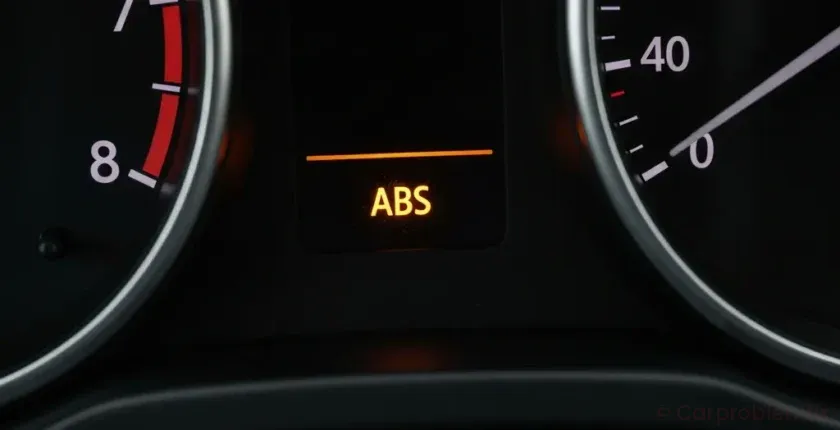
When your ABS warning light pops on, it’s easy to ignore it if the car still seems to stop normally. But that glowing amber light is telling you something important: your car may not be able to help you steer and stop safely in a panic situation or on a slick road.
- 1. What the ABS Warning Light Really Means
- 1.1. ABS Light vs. Brake Warning Light
- 1.2. Is It Safe to Drive With the ABS Light On?
- 2. How ABS Works (and Why It Matters When the Light Is On)
- 3. Most Common Causes of an ABS Warning Light
- 3.1. 1. Faulty Wheel Speed Sensor
- 3.2. 2. Damaged Tone Ring or Wheel Bearing with Integrated Encoder
- 3.3. 3. Low Brake Fluid or Hydraulic Issues
- 3.4. 4. Blown ABS Fuse or Relay Failure
- 3.5. 5. ABS Pump or Hydraulic Modulator Failure
- 3.6. 6. ABS Control Module (Computer) Failure
- 3.7. 7. Incorrect Tire Size or Mismatched Tires
- 3.8. 8. Aftermarket Modifications or Poor Repairs
- 4. Step-by-Step: How to Diagnose an ABS Warning Light at Home
- 4.1. Step 1: Note Any Other Symptoms or Warning Lights
- 4.2. Step 2: Check Brake Fluid Level
- 4.3. Step 3: Inspect Wheel Speed Sensor Wiring
- 4.4. Step 4: Scan for ABS Trouble Codes
- 4.5. Step 5: Visual Check of Tone Rings and Wheel Bearings
- 4.6. Step 6: Check Fuses and Relays
- 5. Common ABS Repairs and What They Typically Cost
- 5.1. Wheel Speed Sensor Replacement
- 5.2. Tone Ring or Wheel Bearing with Encoder
- 5.3. ABS Pump/Modulator Assembly
- 5.4. ABS Control Module
- 6. When You Should Stop Driving Immediately
- 7. Driving Tips If Your ABS Light Is On
- 8. ABS Light That Comes and Goes: What It Means
- 9. Preventing ABS Problems in the First Place
- 10. DIY vs. Professional Help: Where to Draw the Line
- 11. Key Takeaways: Don’t Ignore Your ABS Warning Light
This guide breaks down what the ABS light really means, the most common causes, how to diagnose it at home, when it’s still safe to drive, and when you should park the car before your brakes let you down.
What the ABS Warning Light Really Means
ABS stands for Anti-lock Braking System. It’s an electronic safety system that prevents your wheels from locking up under hard braking so you can steer while braking and maintain as much control as possible.
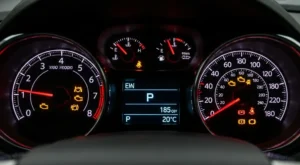
On most cars, the ABS light is amber/yellow and shows either the letters ABS or a circle with “ABS” inside.
ABS Light vs. Brake Warning Light
- ABS light ON, red brake light OFF: Your base brakes (hydraulic system) usually still work, but ABS is disabled. The car can still stop, but may skid or lose steering control in an emergency or on slippery surfaces.
- ABS light ON + red brake warning light ON: This is more serious. It can indicate low brake fluid, hydraulic problems, or parking brake engaged. Treat this as urgent and avoid driving until inspected.
Is It Safe to Drive With the ABS Light On?
It depends:
- Only ABS light on, car stops normally: Short, careful trips may be okay to get to a shop, but avoid high speeds, tailgating, and wet/icy roads. Your car may not help you steer during a panic stop.
- ABS light + red brake light, soft pedal, or poor stopping: Do not drive. Have the car towed. You may have a serious hydraulic brake problem.
- ABS light after a skid or emergency stop: The system may have detected a fault during activation. It still needs to be checked.
How ABS Works (and Why It Matters When the Light Is On)
Understanding the basics helps you diagnose problems smarter.
- Wheel speed sensors at each wheel monitor how fast each wheel is turning.
- An ABS control module (computer) compares wheel speeds and looks for a wheel that’s about to lock up.
- A hydraulic modulator rapidly pulses brake pressure to that wheel to prevent lockup.
When the ABS light is on, the system has detected a fault and usually disables ABS to avoid unsafe or unpredictable operation. Your brakes revert to old-school, non-ABS behavior.
Most Common Causes of an ABS Warning Light
While a scan tool is the best way to know for sure, these are the most frequent culprits:
1. Faulty Wheel Speed Sensor
This is by far the most common cause.
- Each wheel has a sensor that reads a toothed ring or magnetic encoder.
- Road debris, rust, or impact damage can break or contaminate the sensor.
- Broken wires near the wheel (from flexing or corrosion) are also common.
Typical symptoms:
- ABS light on constantly.
- Sometimes traction control or stability control lights also come on.
- No obvious change in normal braking, but ABS may not activate on slippery roads.
2. Damaged Tone Ring or Wheel Bearing with Integrated Encoder
The sensor needs a clean, accurate signal from a tone ring (reluctor ring) or magnetic encoder built into the wheel bearing.
- Rust can crack or swell a metal tone ring.
- Rocks or road debris can chip teeth off.
- On newer cars, the encoder is built into the wheel bearing; a failing bearing can cause a bad signal.
This often shows up after suspension or brake work if parts were bumped or incorrectly installed. If you’ve recently done a DIY brake pad and rotor replacement, double-check that no sensor wires were stretched or pinched.
3. Low Brake Fluid or Hydraulic Issues
Some vehicles will trigger the ABS light if brake fluid is low or if there’s a hydraulic imbalance.
- Low fluid often means worn brake pads or a leak.
- Air in the lines or a failing master cylinder can also confuse the ABS module.
If the red brake warning light is also on, this is urgent.
4. Blown ABS Fuse or Relay Failure
The ABS system is powered by one or more fuses and a relay.
- A blown fuse may indicate a shorted pump motor or wiring issue.
- A failing relay can cause intermittent ABS operation and random warning lights.
5. ABS Pump or Hydraulic Modulator Failure
The ABS pump and modulator assembly is the heart of the system. Over time, internal valves can stick, or the pump motor can fail.
- Often sets specific ABS codes (e.g., pump motor circuit, valve stuck).
- Repairs can be expensive; sometimes used or remanufactured units are cost-effective.
6. ABS Control Module (Computer) Failure
Heat, vibration, and moisture can cause internal solder joints to crack or circuits to fail.
- May cause intermittent ABS light that comes and goes.
- Sometimes affects other systems like traction or stability control.
- Often requires module repair or replacement and coding.
7. Incorrect Tire Size or Mismatched Tires
ABS expects all four wheels to be turning at similar speeds.
- One tire significantly different in diameter can trigger false ABS faults.
- Mixing worn and new tires on the same axle can confuse the system.
8. Aftermarket Modifications or Poor Repairs
- Lift kits or lowering springs installed without correcting wheel speed sensor wiring can cause issues.
- Improperly routed sensor wires after brake or suspension work can rub through and short out.
- Cheap wheel bearings without proper encoder rings can cause constant ABS faults.
Step-by-Step: How to Diagnose an ABS Warning Light at Home
You can often narrow down the problem without expensive tools. Here’s a logical approach.
Step 1: Note Any Other Symptoms or Warning Lights
- Is the red brake warning light also on?
- Is the traction control or stability control light on?
- Do you feel any pulsation in the pedal during normal braking?
- Does the car vibrate at idle or only when driving? (If it only vibrates at idle, that’s a separate issue; see Car Vibrates at Idle but Smooths Out While Driving.)
Step 2: Check Brake Fluid Level
- Locate the brake fluid reservoir under the hood.
- Make sure the fluid is between the MIN and MAX marks.
- If it’s low, inspect for leaks at calipers, lines, and master cylinder.
Warning: Do not just top off low fluid without checking for leaks. Low fluid can indicate worn pads or a dangerous leak.
Step 3: Inspect Wheel Speed Sensor Wiring
You don’t need to remove wheels for a basic inspection on many cars.
- Turn the steering wheel fully left and right to expose front wheel wells.
- Look for a small electrical wire running to each wheel hub or knuckle.
- Check for:
- Broken or frayed wires.
- Connectors that are loose, corroded, or unplugged.
- Wires rubbing on the tire or suspension.
- For the rear, look behind the wheels or under the car near the axle or trailing arms.
Step 4: Scan for ABS Trouble Codes
Many basic OBD2 scanners only read engine codes. You need a scanner that can read ABS codes for your vehicle.
- Plug the scanner into the OBD2 port (usually under the dash).
- Turn the key to ON (engine off) and select ABS from the menu.
- Note any codes, such as:
- Wheel speed sensor circuit (often identifies which wheel).
- ABS pump motor or valve faults.
- Communication or module internal errors.
Write the codes down before clearing anything. Codes are your roadmap.
Step 5: Visual Check of Tone Rings and Wheel Bearings
If a specific wheel sensor code appears, inspect that wheel more closely.
- Safely jack up the car and support it with jack stands.
- Remove the wheel if needed for access.
- Look for:
- Cracked or rusty tone rings.
- Debris stuck between the sensor and ring.
- Excessive play in the wheel bearing (grab the tire at 12 and 6 o’clock and rock it).
Step 6: Check Fuses and Relays
- Consult your owner’s manual for ABS fuse and relay locations.
- Pull the fuse and visually inspect it or test with a multimeter.
- Swap relays with an identical one (like the horn relay) to see if the problem follows.
Common ABS Repairs and What They Typically Cost
Costs vary by vehicle, but here’s a general idea of what to expect.
Wheel Speed Sensor Replacement
- Parts: $30–$150 per sensor (OEM typically higher).
- Labor: 0.5–1.5 hours per wheel.
- DIY difficulty: Moderate. Often just a bolt and connector, but rust can make removal tricky.
Tone Ring or Wheel Bearing with Encoder
- Parts: $50–$300 per bearing assembly; $10–$50 for a separate tone ring.
- Labor: 1–3 hours per wheel depending on design.
- DIY difficulty: Medium to high. May require a press or special tools.
ABS Pump/Modulator Assembly
- Parts: $300–$1,200+ new; less for remanufactured.
- Labor: 2–5 hours, plus brake bleeding.
- DIY difficulty: High. Often best left to a pro due to bleeding procedures and possible programming.
ABS Control Module
- Parts: $200–$800+; some can be rebuilt for less.
- Labor: 1–2 hours plus programming/coding.
- DIY difficulty: Medium. Physical replacement can be easy, but coding usually requires dealer-level tools.
When You Should Stop Driving Immediately
Park the car and arrange a tow if you notice any of the following along with an ABS light:
- Red brake warning light is on.
- Brake pedal sinks to the floor or feels very soft.
- The car pulls hard to one side when braking.
- You hear grinding from the brakes or smell burning.
- The ABS pump runs constantly or you hear loud buzzing even when not braking.
These symptoms point to a base brake system problem, not just ABS. Continuing to drive can be extremely dangerous.
Driving Tips If Your ABS Light Is On
If you must drive with the ABS light on (and the base brakes are working properly), adjust your driving style:
- Increase following distance so you have more time to stop.
- Slow down, especially in rain, snow, or on gravel.
- Brake earlier and more gently to avoid wheel lockup.
- In an emergency stop, be prepared to pump the brakes yourself if they start to lock (older driving technique before ABS existed).
ABS Light That Comes and Goes: What It Means
An intermittent ABS light can be even more confusing than one that stays on constantly.
- Light comes on at highway speeds only: Could be a weak wheel speed sensor signal or wheel bearing play that shows up at higher speeds.
- Light comes on over bumps: Likely a loose connector or damaged wire that moves with suspension travel.
- Lights flicker along with other dash lights: You may have a broader electrical issue or charging system problem. If multiple lights flicker, see Dashboard Lights Flickering While Driving – Causes, Diagnosis & Fixes.
Even if the light goes off, the ABS module usually stores a history code that a capable scanner can read. Don’t ignore it.
Preventing ABS Problems in the First Place
You can’t prevent every failure, but you can reduce your chances of ABS issues with a few habits:
- Avoid pressure washing directly at wheel speed sensors and connectors.
- Use quality parts for brake and wheel bearing replacements.
- Secure sensor wires away from moving parts after any brake or suspension work.
- Flush brake fluid at recommended intervals to reduce internal corrosion in the ABS modulator.
- Address vibrations and suspension issues early; excessive vibration can shorten the life of sensors and modules.
DIY vs. Professional Help: Where to Draw the Line
Many ABS issues are DIY-friendly if you’re comfortable working on brakes and suspension, but know your limits.
- Good DIY candidates:
- Replacing a clearly damaged wheel speed sensor.
- Repairing or rerouting chafed sensor wiring.
- Cleaning debris from tone rings.
- Best left to a pro:
- ABS pump or modulator replacement.
- Module coding or programming.
- Complex hydraulic issues or repeated air in the system.
If you’re already comfortable with jobs like pads and rotors, you’re ahead of the game. If not, start by reading a detailed guide like DIY Brake Pad and Rotor Replacement: Step‑by‑Step Guide to Safe, Quiet Brakes to build your skills before tackling ABS-related repairs.
Key Takeaways: Don’t Ignore Your ABS Warning Light
- The ABS light means your anti-lock system is disabled; your car may still stop, but you lose an important safety net.
- If the red brake warning light is also on or the pedal feels abnormal, stop driving and get the car inspected immediately.
- Most ABS issues are caused by wheel speed sensors, wiring, or tone rings, which are often fixable without replacing the entire system.
- A capable ABS scan tool is the fastest way to pinpoint the problem.
- Driving with the ABS light on increases your risk in emergencies and on slippery roads—diagnose and repair it as soon as possible.
Treat that amber ABS light as an early warning, not a suggestion. Fixing it now is almost always cheaper—and far safer—than discovering you don’t have ABS when you need it most.
How do you rate this guide?

Related Posts
Comments have been disabled.
