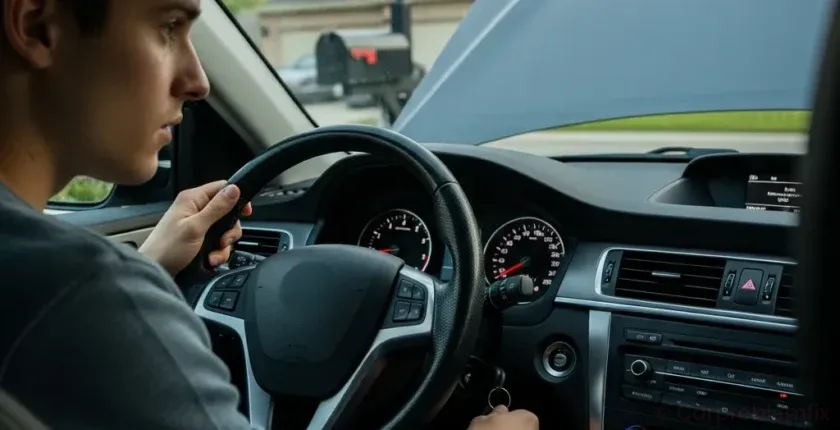
This guide focuses on 2021 Chevrolet Silverado 2500HD and uses that model/year for all checks and tips. Turning the key or pressing the start button and getting total silence is frustrating and stressful. No cranking, no clicking, no dash dimming—just nothing. The good news is that many “silent ignition” problems come from simple issues you can check in your driveway with basic tools.
- 1. What “Silent Ignition” Really Means
- 2. Safety First: Before You Touch Anything
- 3. Step 1: Confirm the Car Really Has No Power to Start
- 4. Step 2: Quick Checks for a Dead or Disconnected Battery
- 4.1. Visual Battery and Cable Inspection
- 4.2. Simple Battery Checks You Can Do
- 5. Step 3: Make Sure the Car “Thinks” It Can Start
- 5.1. Shifter Position (Park/Neutral Switch)
- 5.2. Brake or Clutch Pedal Switch
- 5.3. Immobilizer and Key/Fob Issues
- 6. Step 4: Check Fuses and Relays Related to Starting
- 6.1. Finding the Right Fuses
- 6.2. Relays and When to Leave Them Alone
- 7. Step 5: Signs the Starter Motor or Ignition Switch May Be Bad
- 7.1. Basic Starter Circuit Clues
- 7.2. When the Ignition Switch Is Suspect
- 8. Quick Diagnostic Checklist: Silent Ignition
- 9. Related Electrical Symptoms to Watch For
- 10. How to Avoid Getting Stranded Next Time
- 11. Summary and Next Steps
This beginner-friendly guide focuses on a car that won’t start at all—no crank, no click. You’ll learn how to quickly narrow down the cause, what you can safely test yourself, and when it’s smarter to stop and call a professional.
What “Silent Ignition” Really Means
For this guide, we’re talking about a very specific symptom: you try to start the car and the engine does not turn over at all. You don’t hear the usual rapid cranking sound, and you may not even hear a single click.
That’s different from a car that does crank but won’t fire up. If your engine spins but doesn’t start, you’ll want a different troubleshooting path than this one. If you hear repeated clicking when you try to start, see the dedicated guide on Car Makes Clicking Noise but Won’t Start.
With a silent ignition, the problem is usually in one of these areas:
- No or low electrical power (battery, connections, or main fuses).
- The car doesn’t “think” it’s allowed to start (shifter position, brake or clutch switch, immobilizer).
- A failed starter circuit (ignition switch, starter relay, or starter motor).
Safety First: Before You Touch Anything
Working around a car’s electrical system is usually safe if you’re careful, but there are a few rules you should follow.
- Park safely. Make sure the car is in Park (automatic) or Neutral (manual) with the parking brake set. Avoid working on a hill if you can.
- Turn off accessories. Switch off headlights, blower fan, and infotainment to reduce electrical load while you test.
- Avoid metal jewelry. Rings, watches, and bracelets can short across battery terminals if you’re careless.
- Don’t bypass safety systems. Never jump wires at the starter or fuse box unless you fully understand the circuit. You can damage electronics or cause a fire.
If you ever smell burning plastic, see smoke, or feel a cable getting hot, stop immediately and get professional help.
Step 1: Confirm the Car Really Has No Power to Start
Before assuming something major is broken, confirm what does and doesn’t work. This helps you decide whether you’re dealing with a dead battery, a control issue, or a starter problem.
- Check the interior lights and dash.
- Open the door: do dome lights come on normally, dimly, or not at all?
- Turn the key to ON (or press the start button without pressing the brake): do the dashboard warning lights illuminate?
- Try the headlights.
- Turn on the headlights and walk in front of the car.
- Are they bright, dim, or completely off?
- Attempt a start while watching the lights.
- Have someone watch the headlights while you turn the key or press the start button.
- If the lights go very dim or out, that suggests a weak battery or bad connection.
- If the lights stay bright and nothing happens, the battery may be okay and the problem is further down the starting circuit.
What this tells you:
- No lights or very dim lights everywhere: likely dead battery, poor battery connection, or a main fuse issue.
- Normal lights but no response when starting: likely starter control, safety switch, or starter motor problem.
Step 2: Quick Checks for a Dead or Disconnected Battery
The most common reason for a car that won’t start at all is a weak or dead battery. Even if some electronics still work, the battery may not have enough power to run the starter.
Visual Battery and Cable Inspection
- Locate the battery.
- Most are under the hood; some are in the trunk or under a seat. Check your owner’s manual if you’re unsure.
- Inspect the terminals.
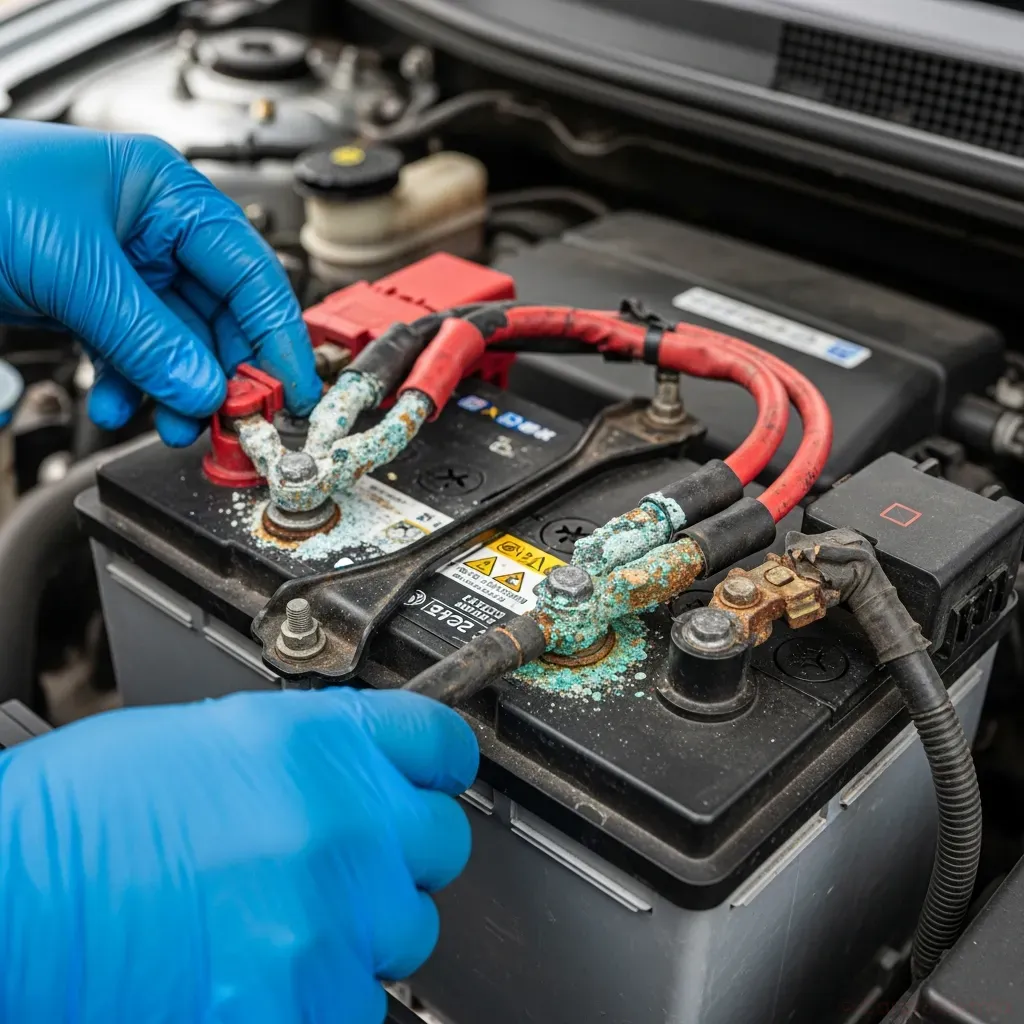
- Look for white, green, or blue crust on the battery posts or clamps (corrosion).
- Check that the clamps are fully seated and not loose or wiggling.
- Look for damage.
- Check for cracked plastic on the battery case, swollen sides, or leaking fluid.
- Inspect the cables for fraying, broken insulation, or obvious breaks.
If you see severe corrosion or damage, avoid touching bare metal parts with your hands. This is a good time to call a professional or roadside service.
Simple Battery Checks You Can Do
- Try a different key position or cycle.
- Turn everything off, remove the key, wait 30 seconds, then try again.
- On push-button cars, press the start button without the brake to cycle power, then try starting.
- Test with a jump start (if safe and you’re comfortable).
- Use proper jumper cables and a known-good vehicle or a quality jump pack.
- Follow the connection order in your owner’s manual to avoid sparks and damage.
- If the car starts with a jump, the battery is weak or dead, or the charging system isn’t working.
If your car starts after a jump but then dies again later, you may have a charging issue or an aging battery. Regular battery checks are covered in more depth in battery maintenance and engine oil guides like the Beginner’s Guide to Choosing the Right Engine Oil, which also discusses basic under-hood inspections.
Step 3: Make Sure the Car “Thinks” It Can Start
Modern cars have several safety interlocks that prevent the starter from engaging unless certain conditions are met. If any of these systems misread the situation, you’ll get a silent ignition even with a healthy battery.
Shifter Position (Park/Neutral Switch)
- Confirm the gear selector.
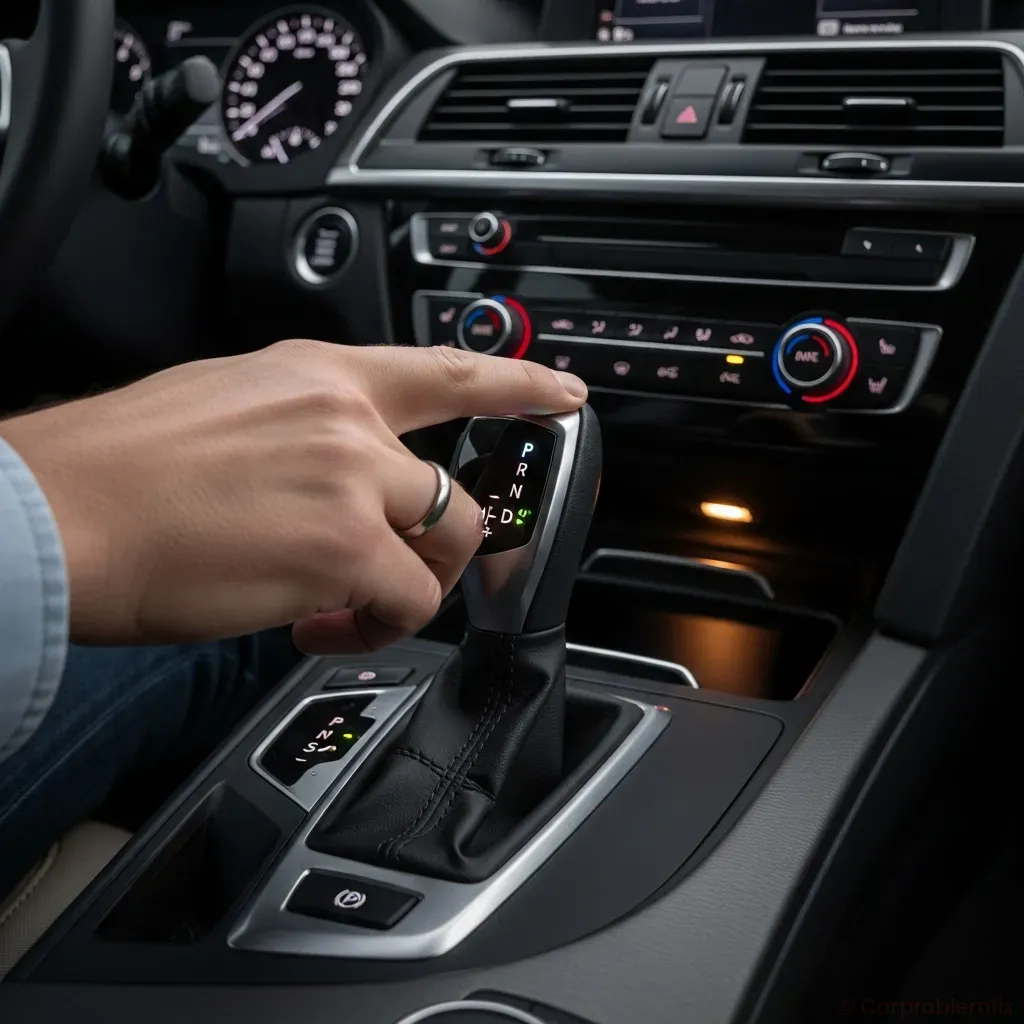
- For automatics, make sure the shifter is firmly in P (Park).
- Move the shifter slowly from Park to Neutral and back while holding the brake.
- Try starting in Neutral.
- Hold the brake, move the shifter to N (Neutral), and try to start.
- If it starts in Neutral but not in Park, the Park/Neutral safety switch may be misaligned or failing.
Brake or Clutch Pedal Switch
Push-button start cars usually require the brake pedal to be pressed. Manual transmissions usually require the clutch pedal to be fully depressed.
- Press the pedal firmly.
- Make sure you’re pressing the brake or clutch all the way to the floor.
- Try a few times with deliberate, firm pressure.
- Watch for indicator lights.
- Some cars show a message like “Step on brake” or “Depress clutch” if the switch isn’t detected.
- If you see that message even when pressing the pedal, the switch or its wiring may be faulty.
Immobilizer and Key/Fob Issues
Anti-theft systems can also prevent the starter from engaging. If the car doesn’t recognize the key or fob, it may allow accessories but block the start command.
- Look for security indicators.
- Check the dash for a key symbol, padlock icon, or “Security” light that stays on or flashes rapidly.
- Try a different key or fob.
- If you have a spare key or fob, try starting with that one.
- Replace the key fob battery if it’s old or weak.
- Hold the fob close to the start button.
- Some cars have a backup antenna near the start button or steering column.
- Hold the fob directly against that area and try starting again.
If the security light won’t go out or you recently had key or alarm work done, you may need dealer-level tools to reprogram the immobilizer.
Step 4: Check Fuses and Relays Related to Starting
If the battery and safety interlocks seem fine, the next easy DIY step is to inspect fuses and, if you’re comfortable, starter-related relays.
Finding the Right Fuses
- Locate the fuse boxes.
- Most cars have one in the engine bay and another inside the cabin.
- Your owner’s manual will show the exact locations and diagrams.
- Identify starter and ignition fuses.
- Look for labels like “IGN”, “START”, “ECM”, “PCM”, or “MAIN” in the diagram.
- Some vehicles have a specific “Starter” or “Crank” fuse.
- Visually inspect fuses.
- With the car off, gently pull the suspect fuse using the provided puller or needle-nose pliers.
- Hold it up to the light: the thin metal strip inside should be continuous. If it’s broken or burned, the fuse is blown.
Important: If you replace a blown fuse and it blows again immediately, stop. There’s likely a deeper electrical fault that needs professional diagnosis.
Relays and When to Leave Them Alone
Starter relays are small cubes in the fuse box that act like heavy-duty switches. Swapping relays around without understanding them can cause new problems, so be cautious.
- If your manual clearly shows a starter relay that’s identical to a non-critical relay (like a horn relay), you can temporarily swap them as a test.
- If the car starts after swapping, the original relay is likely bad. Replace it with a new one rather than leaving them swapped long-term.
If you’re not comfortable identifying relays, it’s perfectly fine to skip this step and move on to professional help.
Step 5: Signs the Starter Motor or Ignition Switch May Be Bad
Once you’ve ruled out battery, safety switches, and fuses, the problem often lies with the starter motor itself or the ignition switch (or push-button start module) that sends power to it.
Basic Starter Circuit Clues
- Total silence, normal lights, and no click: can point to a failed ignition switch, starter relay, or wiring issue.
- Single faint click from under the hood but no crank: more often a weak battery or bad connection, but can also be a failing starter solenoid.
Because the starter draws a lot of current, testing it directly usually requires a multimeter and safe access under the car. This is where many DIYers should stop and consider a tow to a trusted shop.
When the Ignition Switch Is Suspect
The ignition switch (or electronic equivalent in push-button cars) tells the starter when to engage. Signs it may be failing include:
- Accessories work in ACC position, but nothing happens in START.
- Wiggling the key slightly while turning to START sometimes makes the car respond.
- The key feels unusually loose or rough when turned.
Ignition switch replacement often involves removing trim around the steering column and sometimes dealing with airbag components. This is best left to a professional unless you have solid mechanical experience.
Quick Diagnostic Checklist: Silent Ignition
Use this checklist to summarize what you’ve found and decide on next steps.
- Do any lights work?
- No lights at all: likely dead battery, loose connection, or main fuse. Try a jump start only if you’re sure the battery isn’t physically damaged.
- Lights are dim: battery likely weak. Consider a jump start and battery test.
- Lights are normal: move on to safety switches and starter circuit.
- Does the shifter position change anything?
- Try starting in Park and Neutral.
- If it starts in one but not the other, suspect the Park/Neutral switch.
- Is the brake or clutch recognized?
- Look for dash messages about pressing the brake or clutch.
- If the message appears even when you press the pedal, the switch may be faulty.
- Any security or immobilizer warnings?
- Check for flashing key or lock icons.
- Try a spare key or fob and replace the fob battery if needed.
- Have you checked starter-related fuses?
- Inspect and replace any clearly blown fuses with the correct rating.
- If they blow again, stop and seek professional help.
If you’ve gone through this list and still have a silent ignition, the issue is likely beyond basic DIY—such as a failed starter, damaged wiring, or a deeper control-module problem.
Related Electrical Symptoms to Watch For
Sometimes a car that won’t start at all is part of a bigger electrical issue. Pay attention to other odd behaviors:
- Dashboard lights flickering or going crazy while driving or when trying to start.
- Random warning lights that appear and disappear.
- Accessories cutting out or resetting.
If you’ve noticed those kinds of symptoms, the problem may involve the charging system, loose grounds, or failing modules. For more on that, see the guide on Dashboard Lights Flickering While Driving – Causes, Diagnosis & Fixes.
How to Avoid Getting Stranded Next Time
While you can’t prevent every no-start, you can greatly reduce your chances of a surprise silent ignition with a few habits:
- Test your battery annually. Many parts stores will test it for free. Replace it proactively if it’s weak or more than 4–5 years old in harsh climates.
- Inspect battery terminals twice a year. Clean light corrosion with a battery-cleaning brush and baking soda solution (wear gloves and eye protection).
- Pay attention to slow cranking. If the engine has been cranking slower than usual, that’s early warning of battery or starter trouble.
- Be cautious with used cars. Electrical issues are common on neglected vehicles. When shopping used, follow a structured inspection like the Beginner’s Guide to Buying a Used Car: Simple Checks to Avoid Expensive Mistakes.
Summary and Next Steps
A car that won’t start at all—with a completely silent ignition—usually comes down to power supply, safety interlocks, or the starter circuit. By checking lights, battery condition, shifter position, pedals, fuses, and security indicators, you can often pinpoint the problem or at least rule out simple causes.
If your checks suggest a dead battery, damaged cables, blown main fuses, or immobilizer issues, it’s wise to involve a professional rather than guessing. When you suspect a bad starter, ignition switch, or deeper wiring fault, arrange a tow to a trusted shop instead of repeated start attempts. Careful, methodical checks now can save you from bigger repair bills and keep you safer on the road.