
This guide focuses on 2020 Toyota Highlander and uses that model/year for all checks and tips. Feeling your steering wheel shake can be unnerving, especially if you are new to diagnosing car problems. Some steering wheel vibrations are minor and easy to fix, while others are serious safety issues that can lead to loss of control if ignored.
- 1. What Steering Wheel Vibrations Are Telling You
- 2. Common Causes of Steering Wheel Vibrations
- 2.1. 1. Wheel and Tire Problems
- 2.2. 2. Brake System Issues
- 2.3. 3. Suspension and Steering Component Wear
- 2.4. 4. Wheel Alignment Problems
- 2.5. 5. Wheel Bearings and Hubs
- 3. Simple Checks for Steering Wheel Vibrations (Beginner-Friendly)
- 3.1. Step 1: Note Exactly When the Vibration Happens
- 3.2. Step 2: Visually Inspect Tires and Wheels
- 3.3. Step 3: Feel for Heat and Smell After a Drive
- 3.4. Step 4: Check for Obvious Suspension and Steering Play
- 3.5. Step 5: Consider Wheel Balance and Alignment
- 4. When Steering Wheel Vibrations Are Not Safe to Ignore
- 5. Basic Fixes You Can Request or Plan For
- 6. How Steering Wheel Vibrations Connect to Other Car Problems
- 7. Summary and Next Steps
This beginner-friendly guide walks you through the most common causes of steering wheel vibrations, simple checks you can do at home, and clear signs that it is not safe to keep driving.
What Steering Wheel Vibrations Are Telling You


The steering wheel is directly connected to your front wheels and suspension. When something in that system is out of balance, loose, or damaged, you often feel it first through your hands.
Vibrations can show up only at certain speeds, only while braking, or all the time. Paying attention to when and how the vibration happens is the first step in figuring out what is wrong.
- Vibration only at higher speeds (50–75 mph): Often related to tire balance, tire damage, or wheel issues.
- Vibration mainly while braking: Commonly caused by warped brake rotors or brake hardware problems.
- Vibration at low speeds or while turning: Can point to suspension, steering, or wheel bearing issues.
- Vibration that suddenly appears and feels severe: Could indicate a serious tire, wheel, or suspension failure. This may not be safe to drive.
Before you start checking things, try to notice and write down when the vibration happens, how strong it feels, and whether it is getting worse over time.
Common Causes of Steering Wheel Vibrations
Most steering wheel vibrations come from a short list of common problems. Understanding these will help you decide what you can safely check yourself and what needs a professional.
1. Wheel and Tire Problems
Issues with your front wheels and tires are the most common cause of steering wheel shake. Because the steering wheel is connected to the front wheels, you feel these problems directly.
- Out-of-balance tires: Small weights on the wheel keep the tire balanced. If they fall off or the tire wears unevenly, you feel a shake at certain speeds, usually 50–75 mph.
- Bent wheel: Hitting a pothole or curb can bend a rim. This often causes a constant vibration that may get worse with speed.
- Tire damage or broken belts: A tire with an internal belt separation or bulge can cause a wobble, thump, or shake that often gets worse the faster you go.
- Uneven or cupped tire wear: Worn suspension or poor alignment can cause the tire tread to wear in a wavy pattern, leading to vibrations.
If your car also makes a thumping noise that speeds up with the car, that is another strong sign of tire or wheel problems.
2. Brake System Issues
If your steering wheel mainly vibrates when you step on the brake pedal, the problem is usually in the front brakes.
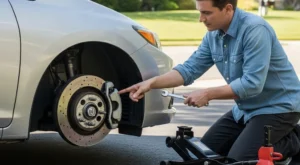
- Warped front brake rotors: Rotors can become uneven from overheating or improper lug nut tightening. When you brake, the pads grab the uneven surface and send pulses up to the steering wheel.
- Sticking caliper: A brake caliper that does not slide freely can cause uneven braking, pulling, and vibration.
- Loose or worn brake hardware: Missing clips or worn slide pins can let parts move around and cause shaking under braking.
Brake-related vibrations are not just annoying; they can increase stopping distance and cause the car to pull to one side.
3. Suspension and Steering Component Wear
Your suspension and steering system keep the wheels pointed in the right direction and absorb bumps. When parts wear out or loosen, vibrations can travel straight to the steering wheel.
- Tie rod ends (inner and outer): These connect the steering rack to the wheels. Worn tie rods can cause play in the steering, clunks over bumps, and vibration, especially while turning.
- Ball joints: These pivot points allow the suspension to move. Excessive play can cause wandering steering, uneven tire wear, and shaking.
- Control arm bushings: Rubber bushings isolate vibration. When they crack or tear, you may feel more vibration and hear clunks.
- Worn struts or shocks: Weak dampers allow the wheels to bounce, which can cause a steering wheel shimmy, especially over rough roads.
Suspension and steering problems are safety-critical because they affect how well you can control the car and how it responds in an emergency.
4. Wheel Alignment Problems
Wheel alignment refers to the angles of your wheels relative to the car and the road. When alignment is off, the tires do not roll straight.
- Toe misalignment: If the front of the tires point in or out too much, the car may wander, the steering wheel may feel nervous, and tires can wear quickly.
- Camber or caster issues: Incorrect angles can cause pulling, uneven tire wear, and sometimes vibration.
Alignment problems often show up along with other issues, such as uneven tire wear or a steering wheel that is off-center when driving straight.
5. Wheel Bearings and Hubs
Wheel bearings allow the wheels to spin smoothly. When they wear out, they can cause noise and vibration.
- Worn front wheel bearing: Often causes a humming or growling noise that changes with speed and may get louder when turning. In advanced cases, you may feel vibration in the steering wheel.
- Loose hub or bearing play: Excessive play can cause wobble and, in extreme cases, loss of the wheel.
Bad wheel bearings are a serious safety concern and should be addressed quickly.
Simple Checks for Steering Wheel Vibrations (Beginner-Friendly)
Many basic checks can be done at home with minimal tools. Use this step-by-step process to narrow down the cause of your steering wheel vibration.
Step 1: Note Exactly When the Vibration Happens
- Find a safe, straight road. Drive at different speeds and pay attention to when the steering wheel starts and stops vibrating.
- Test light and firm braking. If safe, gently apply the brakes at different speeds. Notice if the vibration appears or gets worse when braking.
- Try gentle lane changes. If the road is clear, make small steering inputs and note whether turning slightly left or right changes the vibration.
- Write down your observations. Record speed ranges, braking behavior, and whether the vibration is constant or comes and goes.
This information will help you choose the right checks and will be valuable if you visit a mechanic.
Step 2: Visually Inspect Tires and Wheels
- Park on level ground. Set the parking brake and turn the steering wheel fully left, then fully right, to see the front tires.
- Check tire tread. Look for uneven wear, bald spots, or wavy/cupped patterns. Run your hand lightly over the tread (when the tire is cool) to feel for high and low spots.
- Look for sidewall damage. Check for bulges, cuts, or bubbles on the side of each tire. A bulge is a red-flag safety issue.
- Inspect wheels (rims). Look for bends, cracks, or heavy curb rash. Spin each wheel slightly if you can and watch for wobble.
- Check tire pressure. Use a tire gauge to compare each tire to the recommended pressure on the driver’s door sticker.
If you find a bulging tire, severe sidewall damage, or a cracked wheel, do not continue driving at highway speeds. Have the vehicle towed or the wheel changed before further use.
Step 3: Feel for Heat and Smell After a Drive
- Take a short test drive. Drive for 5–10 minutes, including some gentle braking.
- Carefully check wheel temperature. Park safely, then, without touching hot metal or brakes directly, hover your hand near each wheel. One wheel much hotter than the others can indicate a sticking brake caliper.
- Smell for burning odors. A sharp, burning smell near one wheel may also point to brake problems.
Do not touch the brake rotors or calipers directly after driving; they can be extremely hot.
Step 4: Check for Obvious Suspension and Steering Play
This step is easier with the front of the car lifted, but you can do some basic checks even with the car on the ground.
- With wheels on the ground, rock the steering wheel. With the engine off, gently rock the steering wheel left and right. Excess free play before the wheels start to move can suggest worn steering components.
- Listen for clunks. Have a helper rock the steering wheel while you stand near the front wheels and listen for clunks or knocks.
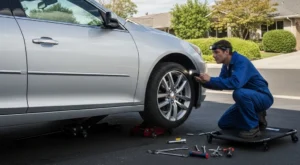
- If you have a jack and stands: Safely lift the front end and support it on jack stands. Grab each front wheel at 3 and 9 o’clock and try to rock it. Excess movement can indicate tie rod or steering issues. Rock at 12 and 6 o’clock for possible ball joint or bearing play.
If you are not comfortable lifting the car, you can skip the last part and let a shop check for suspension play during an inspection.
Step 5: Consider Wheel Balance and Alignment
Wheel balance and alignment require shop equipment, but your observations can point strongly in that direction.
- Vibration mainly at highway speeds, smooth at low speeds: Strong sign of wheel balance issues or a bent rim. A tire shop can rebalance the wheels and inspect for bends.
- Car pulls to one side and steering wheel is off-center: Likely alignment-related. An alignment shop can measure and adjust the angles.
If your car vibrates only at highway speeds, that article can give you more detail on high-speed vibration causes and fixes.
When Steering Wheel Vibrations Are Not Safe to Ignore
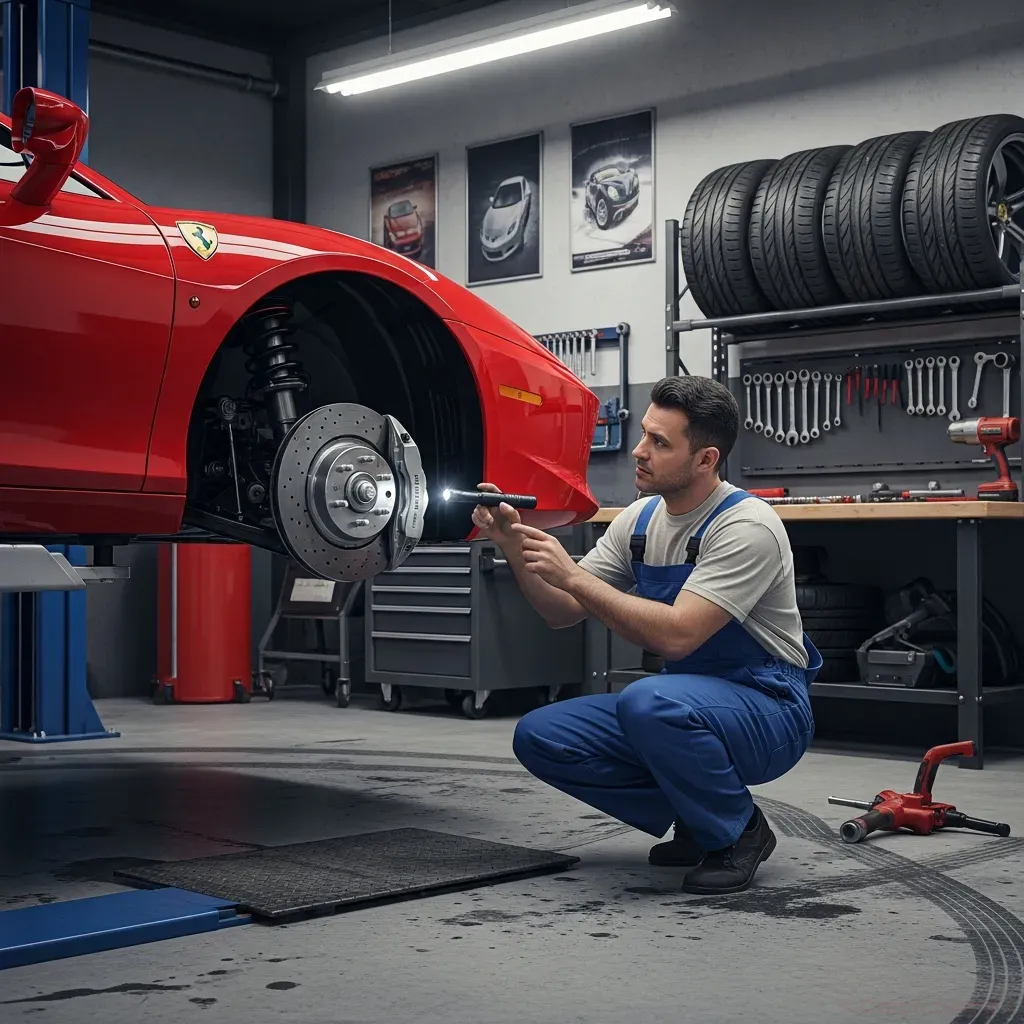
Some steering wheel vibrations are more than just annoying; they are warning signs that it may not be safe to continue driving. Use this checklist to decide when to slow down, pull over, or call for help.
- Sudden, severe vibration: If the steering wheel suddenly starts shaking violently, especially after hitting something, slow down smoothly and pull over as soon as it is safe. You may have a tire or suspension failure.
- Visible tire bulge or damaged wheel: Do not drive at speed on a tire with a bulge or a cracked wheel. Use a spare or have the car towed.
- Steering feels loose or delayed: If you turn the wheel and the car responds late or wanders, you may have serious steering or suspension wear. This is unsafe at highway speeds.
- Grinding or growling with vibration: Noise plus vibration from the front end can indicate a failing wheel bearing or brake problem. Avoid long trips and high speeds until inspected.
- Strong vibration under braking with pulling: If the car pulls hard to one side or the steering wheel jerks while braking, have the brakes checked immediately.
If the vibration is mild, consistent, and you have already scheduled a repair, short, low-speed trips may be acceptable. But if you are unsure, it is always safer to drive slower, leave extra following distance, and avoid highways until the issue is diagnosed.
Basic Fixes You Can Request or Plan For
Many steering wheel vibration problems are fixed with common services. Knowing the likely fix helps you talk confidently with a mechanic and budget for repairs.
- Tire rotation and balance: Often the first and least expensive step. This can correct minor vibrations from tire wear or lost wheel weights.
- Wheel replacement or repair: Needed if a rim is bent or cracked. Sometimes a wheel repair shop can straighten a bent wheel.
- Tire replacement: Required for tires with bulges, severe uneven wear, or internal damage.
- Brake rotor and pad replacement: Common fix for vibration during braking due to warped rotors.
- Suspension and steering component replacement: Tie rods, ball joints, control arm bushings, and shocks/struts wear over time and may need replacement to restore proper handling.
- Wheel alignment: Often done after suspension work or tire replacement to keep the car tracking straight and reduce future vibration and tire wear.
If you are already using an OBD2 scanner for other issues, such as checking misfire codes like OBD2 Code P0300, remember that most steering wheel vibration problems will not trigger a check engine light. They are mechanical, not electronic, so you will not see a code for them.
How Steering Wheel Vibrations Connect to Other Car Problems
Steering wheel vibrations rarely happen in isolation. They often appear alongside other symptoms that can help you spot related issues.
- Vibration plus strange starting behavior: If you also notice problems like the car struggling to start after refueling, see Car Won’t Start After Getting Gas for a separate set of checks. These are usually unrelated to steering vibrations.
- Vibration plus general car shake: If the whole car shakes, not just the steering wheel, you might have engine or drivetrain issues in addition to wheel or suspension problems.
- Vibration plus clunking over bumps: This combination strongly suggests worn suspension or steering components, not just tire balance.
When shopping for a used or family car, a test drive that includes checking for steering wheel vibrations at different speeds can help you avoid hidden suspension or tire problems. Guides like How to Choose a Safe, Reliable Family Car in 2025 can help you plan a more thorough test drive checklist.
Summary and Next Steps
Steering wheel vibrations are your car’s way of telling you something is wrong with the wheels, tires, brakes, or suspension. By paying attention to when the vibration happens and doing a few simple checks, you can often narrow down the cause and avoid bigger problems.
If you find tire bulges, cracked wheels, severe brake vibration, or loose steering, it is not safe to keep driving at normal speeds. Slow down, avoid highways, and schedule a professional inspection as soon as possible.
For mild, long-standing vibrations, plan on tire balancing, alignment, and a suspension check during your next service. Addressing steering wheel shake early not only makes driving more comfortable, it also protects your tires, brakes, and—most importantly—your safety.