
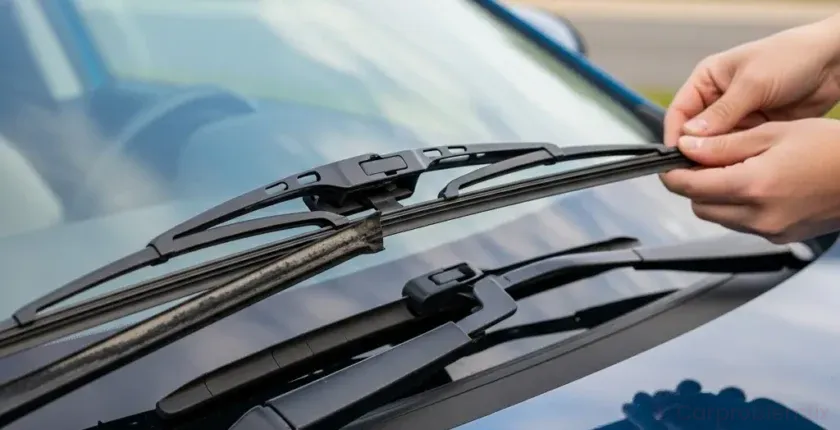
Good wiper blades are a safety item, not a luxury. If your windshield streaks, chatters, or leaves blind spots in the rain, it is time to replace the blades. The good news: changing your own wiper blades is one of the easiest DIY car jobs you can do, and it usually takes less than 10 minutes.
- 1. Why Wiper Blades Matter More Than You Think
- 2. Tools and Supplies You Need
- 3. How to Choose the Right Wiper Blades
- 3.1. 1. Find the Correct Size for Your Vehicle
- 3.2. 2. Choose a Blade Type (Conventional, Beam, or Hybrid)
- 3.3. 3. Match the Connector Style
- 4. Step-by-Step: How to Change Your Own Wiper Blades
- 4.1. Step 1: Park Safely and Turn Off the Wipers
- 4.2. Step 2: Lift the Wiper Arm Carefully
- 4.3. Step 3: Release and Remove the Old Blade
- 4.4. Step 4: Attach the New Wiper Blade
- 4.5. Step 5: Lower the Arm and Repeat on the Other Side
- 4.6. Step 6: Test the New Wiper Blades
- 5. Common Mistakes to Avoid When Changing Wiper Blades
- 6. How to Keep Your New Wiper Blades Working Longer
- 7. When Wiper Problems Mean Something Else Is Wrong
- 8. Summary and Next Steps
This beginner-friendly guide walks you through how to choose the right blades, remove the old ones, install the new ones correctly, and avoid common mistakes that can scratch your glass or damage the wiper arms.
Why Wiper Blades Matter More Than You Think

Wiper blades harden and crack over time from sun, heat, cold, and road grime. Even if they still move across the glass, worn rubber cannot clear water evenly, which reduces your visibility in bad weather.
Most manufacturers recommend replacing wiper blades about every 6–12 months, but your climate and driving conditions matter. If you park outside, drive in dusty areas, or see snow and ice, you may need to replace them more often.
- Streaks and smears: Film left on the glass can make oncoming headlights and streetlights glare badly at night.
- Chattering or skipping: The blade is not making even contact with the windshield, often due to hardened rubber.
- Cracks or missing chunks: The blade can scratch the glass or leave large uncleared areas.
- Noisy operation: Squeaks or scraping sounds usually mean the rubber is worn or the blade is contaminated.
If you are already dealing with poor visibility or vibration while driving, also consider reading Car Vibrates While Driving – Causes, Diagnosis & Fixes to rule out other safety concerns.
Tools and Supplies You Need
Most wiper blade replacements do not require any tools, but having a few basics ready will make the job smoother and safer.
- New wiper blades: Correct size and connector type for your vehicle (front pair, and rear if equipped).
- Clean rag or paper towels: To wipe the windshield and wiper arms.
- Glass cleaner or mild soapy water: Optional but helpful for cleaning the windshield before testing.
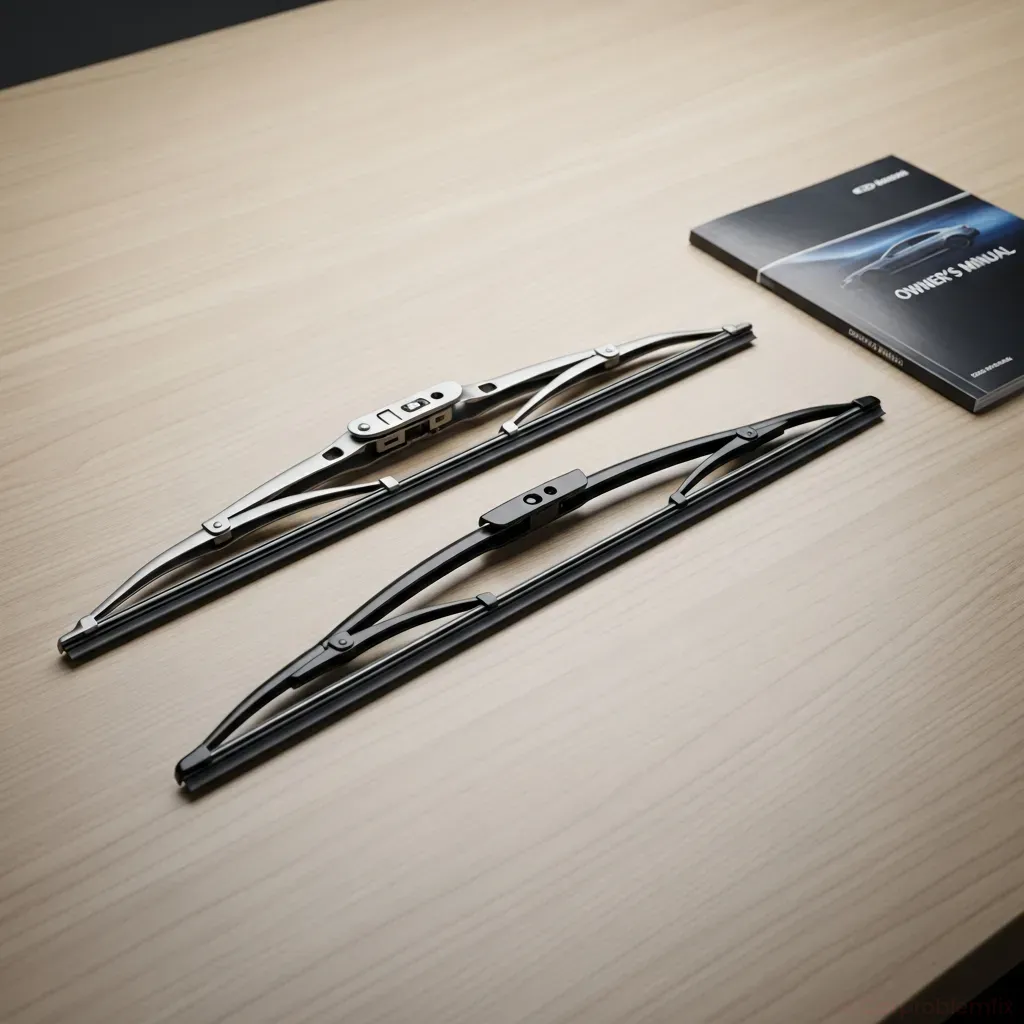
- Owner’s manual: For factory blade sizes and any special instructions.
Most auto parts stores and big-box retailers have in-store guides or digital kiosks that help you select the correct blades by entering your vehicle’s year, make, and model.
How to Choose the Right Wiper Blades
Before you can change your own wiper blades, you need to buy the right ones. Using the wrong length or connector can cause poor wiping, noise, or even blade detachment in heavy rain.
1. Find the Correct Size for Your Vehicle
- Check your owner’s manual. There is usually a section listing the correct wiper blade lengths for the driver’s side, passenger’s side, and rear window (if equipped).
- Use an in-store or online fit guide. At parts stores, look up your car by year, make, and model. Online retailers often have the same feature.
- Do not guess or “eyeball” it. Driver and passenger blades are often different lengths. Using the wrong size can cause the blade to hit the windshield trim or miss part of the glass.
2. Choose a Blade Type (Conventional, Beam, or Hybrid)
You will typically see three main types of wiper blades:
- Conventional (frame-style): Metal frame with multiple pressure points and a rubber insert. Affordable and widely available.
- Beam (frameless): One-piece curved design that hugs the windshield better, especially on modern curved glass. Often quieter and better in snow.
- Hybrid: A conventional frame with an aerodynamic cover. Designed to combine the benefits of both types.
Any type that fits your car properly is acceptable. Beam or hybrid blades often perform better in heavy rain and snow but may cost more.
3. Match the Connector Style
The connector is the small plastic or metal piece that locks the blade to the wiper arm. Common types include:
- Hook (J-hook): The most common style; the arm has a curved hook at the end.
- Pin or bayonet: Straight arm with a small pin or flat tab that slides into the blade.
- Side lock or top lock: Often found on newer vehicles; uses a locking tab or button.
Most new blades include several adapters in the package. The instructions on the box show which adapter to use for your arm style. Take a moment to compare your old blade’s connector to the new one before removing anything.
Step-by-Step: How to Change Your Own Wiper Blades
These steps cover the most common J-hook style, but the general process is similar for other connector types. Always refer to the instructions included with your new blades for any connector-specific details.
Step 1: Park Safely and Turn Off the Wipers
- Park on a level surface. Put the car in Park (or in gear for a manual) and set the parking brake.
- Turn off the ignition and wipers. Make sure the wipers are in their resting position at the bottom of the windshield.
- Remove the key or switch off the push-button ignition. This prevents the wipers from moving accidentally while you work.
Step 2: Lift the Wiper Arm Carefully
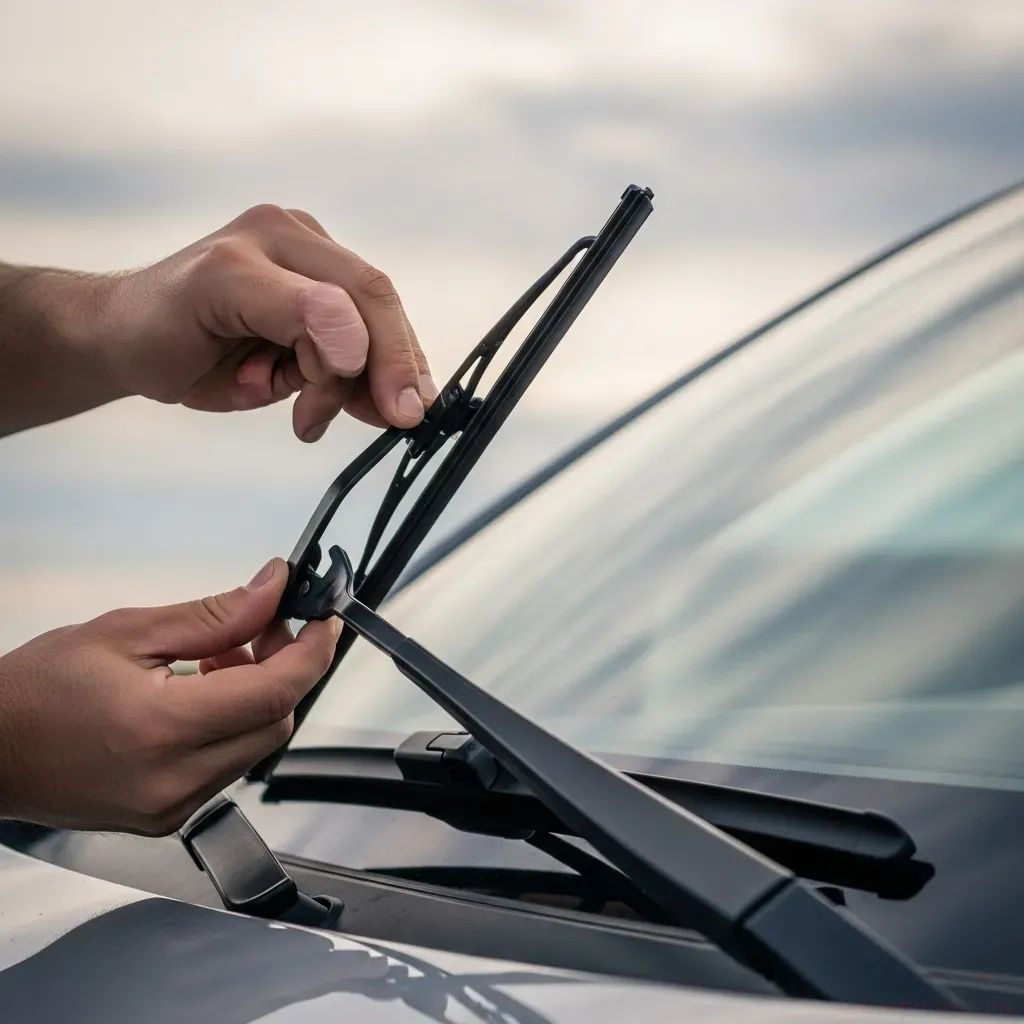
- Gently pull the wiper arm away from the windshield. It should pivot at the base and lock in a raised position on most cars.
- Support the arm with one hand. The arm is spring-loaded. If it snaps back without a blade attached, it can crack your windshield.
- Lay a towel on the glass under the arm (optional but smart). This adds a layer of protection in case the arm slips.
Step 3: Release and Remove the Old Blade
- Locate the release tab or button. On J-hook arms, this is usually a small plastic tab where the blade meets the hook.
- Press or pull the tab as directed on the old blade. While holding the tab, slide the blade down toward the base of the arm to unhook it.
- Rotate and slide the blade off the hook. Once it clears the hook, the blade will come free from the arm.
- Set the bare arm gently back on the towel or hold it upright. Do not let it snap against the glass.
If your connector is different (side lock, pin, or bayonet), follow the diagram on the new blade’s packaging. The idea is the same: release the locking mechanism, then slide or pivot the blade off.
Step 4: Attach the New Wiper Blade
- Confirm you have the correct blade for that side. Many cars use different lengths on the driver and passenger sides. Check the labels on the packaging.
- Align the new blade with the arm. For a J-hook, you will slide the hook through the opening in the adapter.
- Pull the blade up into the hook until it clicks. You should feel or hear a solid “click” when it locks into place.
- Gently tug on the blade. Give it a light pull to confirm it is securely attached and will not slide off.
If your blade came with multiple adapters, make sure you are using the one that matches your arm style. The instruction sheet or small icons on the packaging will show which adapter is correct.
Step 5: Lower the Arm and Repeat on the Other Side
- Carefully lower the wiper arm back onto the windshield. Do not drop it; guide it down gently.
- Repeat the process for the other front wiper. Follow the same steps: lift, release, remove, attach, and lower.
- Replace the rear wiper blade if equipped. The rear arm is usually smaller but works similarly. Some rear arms have a plastic cover you must lift or pop open first.
Step 6: Test the New Wiper Blades
- Clean the windshield. Use glass cleaner or mild soapy water and a clean rag to remove film and dirt. This helps the new blades work smoothly.
- Turn on the ignition and washer. Spray washer fluid and run the wipers on low speed.
- Watch for smooth, quiet operation. The blades should clear water evenly without streaks, skipping, or chatter.
- Check that the blades park correctly. They should return to the bottom of the windshield without hitting the trim or each other.
If you notice major streaking or noise right away, double-check that the blades are the correct size, properly locked in place, and that the windshield is clean.
Common Mistakes to Avoid When Changing Wiper Blades
Changing your own wiper blades is simple, but a few common mistakes can lead to poor performance or even damage.
- Letting the bare arm snap onto the glass: This can chip or crack the windshield. Always control the arm and use a towel as a backup.
- Mixing up blade lengths: Installing the longer blade on the wrong side can cause the blades to collide or hit the windshield trim.
- Not fully locking the connector: If the blade is not clicked in, it can detach in heavy rain. Always tug-test after installation.
- Ignoring a bent wiper arm: If the arm is bent from ice scraping or car washes, new blades may still streak. A bent arm may need replacement.
- Reusing very old adapters: If your new blades come with fresh adapters, use them. Old plastic can be brittle and may not hold securely.
How to Keep Your New Wiper Blades Working Longer
Good maintenance can significantly extend the life of your new wiper blades and keep your visibility clear in bad weather.
- Clean the rubber regularly. Every few weeks, wipe the blade edge with a damp cloth to remove dirt, bug residue, and road film.
- Do not use wipers on dry glass. Always use washer fluid first. Running blades on a dry windshield increases wear and noise.
- Lift blades in ice and snow. In freezing weather, lift the blades off the glass when parked to prevent them from freezing down and tearing when you start the car.
- Defrost before using wipers. Let the defroster melt ice and snow before turning on the wipers to avoid overloading the motor and tearing the blades.
- Inspect monthly. During your regular checks, look for cracks, missing chunks, or uneven wear. For a broader checklist, see the Beginner’s Guide to Basic Car Maintenance: Simple Monthly Checks.
When Wiper Problems Mean Something Else Is Wrong
Sometimes, installing new blades does not fix poor wiping. In that case, the issue may be with the wiper arms, linkage, or motor.
- Uneven contact or one side not wiping well: The arm spring may be weak or the arm may be bent. You may need a new arm assembly.
- Wipers stop mid-swipe or move slowly: This can indicate a failing wiper motor, worn linkage, or electrical issue.
- Wipers do not move at all: Check the wiper fuse and relay. If those are good, the motor or switch may be failing.
- Wipers only work on one speed: Often a sign of a failing switch or motor internal resistor.
If your car also has trouble starting after sitting, that is a separate issue. For that situation, see Car Won’t Start After Sitting: Beginner-Friendly Checks to Get It Running Again for step-by-step guidance.
Summary and Next Steps
Changing your own wiper blades is a quick, low-cost DIY job that dramatically improves safety in bad weather. With the right size blades, a basic understanding of your connector type, and a few minutes of careful work, you can restore clear vision without visiting a shop.
If new blades still leave streaks, skip, or fail to move correctly, inspect the wiper arms and consider possible motor or linkage issues. In those cases, or if you feel unsure about any step, it is wise to have a trusted mechanic take a look. Keeping your wipers in good shape is one of the simplest ways to stay safe and confident behind the wheel.