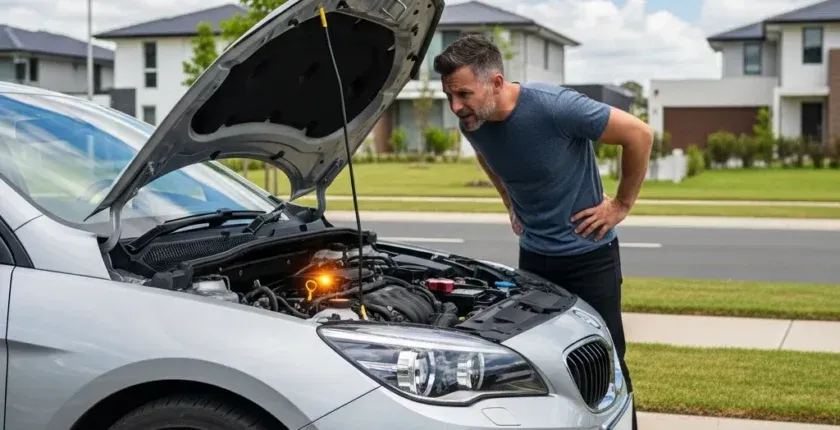
When your engine misfires, the car suddenly feels rough, weak, or shaky, and a check engine light often follows. Many drivers keep going, hoping it will “clear up” on its own. That can be a costly mistake.
- 1. What Is an Engine Misfire in Simple Terms?
- 2. Common Symptoms of Engine Misfires
- 2.1. 1. Rough Idle and Shaking at a Stop
- 2.2. 2. Hesitation, Jerking, or Stumbling While Accelerating
- 2.3. 3. Check Engine Light On or Flashing
- 2.4. 4. Poor Fuel Economy and Exhaust Smell
- 2.5. 5. Hard Starting or Stalling
- 3. Most Common Causes of Engine Misfires
- 3.1. 1. Ignition System Problems
- 3.2. 2. Fuel Delivery Problems
- 3.3. 3. Air and Vacuum Leaks
- 3.4. 4. Sensor and Computer Issues
- 3.5. 5. Mechanical Engine Problems
- 4. Simple Checks You Can Do at Home for an Engine Misfire
- 4.1. Step 1: Observe How and When the Misfire Happens
- 4.2. Step 2: Check for Obvious Ignition Problems
- 4.3. Step 3: Look for Simple Vacuum Hose Issues
- 4.4. Step 4: Check Basic Maintenance Items
- 5. When an Engine Misfire Means You Should Stop Driving
- 5.1. Stop Driving Immediately If You Notice Any of These
- 5.2. Okay to Drive Briefly, With Caution, If You Notice These
- 6. How a Mechanic Diagnoses Engine Misfires
- 7. Summary and Next Steps
This beginner-friendly guide explains what an engine misfire is, the most common symptoms, simple checks you can do at home, and when a misfire is serious enough that you should stop driving and call for help.
What Is an Engine Misfire in Simple Terms?
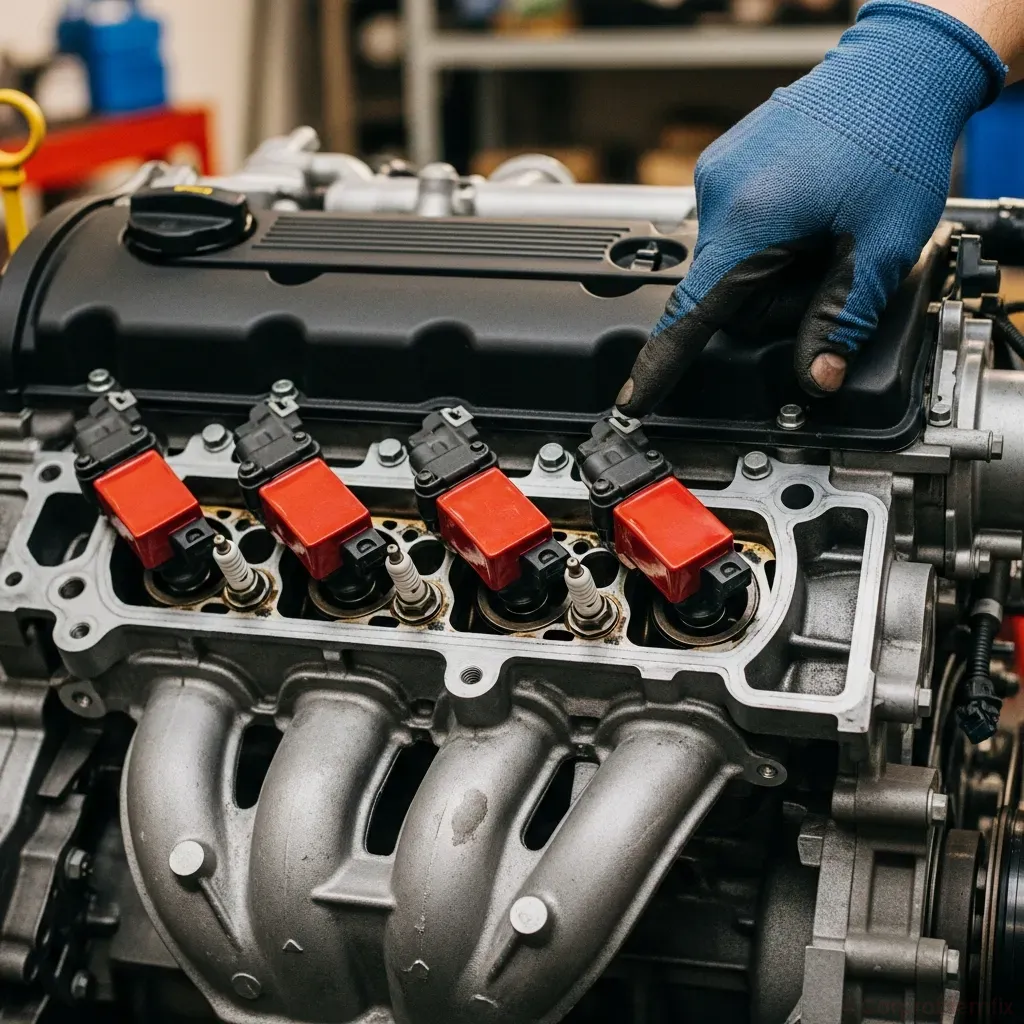
Your engine works by burning a precise mixture of air and fuel in each cylinder. A spark plug lights that mixture at the right moment, pushing the piston down and turning the crankshaft. This happens many times per second.
An engine misfire is when one or more cylinders fail to fire correctly. That cylinder either fires late, weakly, or not at all. The result is a stumble, shake, or loss of power you can feel from the driver’s seat.
Misfires are often logged by the car’s computer and stored as trouble codes. If the misfire is bad enough, the check engine light may flash, which is a strong warning that continuing to drive can damage the catalytic converter. For more about how the converter is affected, see OBD2 Code P0420: Catalyst System Efficiency Below Threshold – Causes, Diagnosis & Fixes.
Common Symptoms of Engine Misfires
Misfires can show up in different ways depending on engine speed, load, and how many cylinders are affected. Here are the most common symptoms you may notice.
1. Rough Idle and Shaking at a Stop
One of the easiest misfire symptoms to feel is a rough idle. When you’re stopped in gear (at a light or in traffic), the steering wheel, seat, or dashboard may vibrate more than usual.
- Engine speed (RPM) may bounce up and down slightly.
- The exhaust note may sound uneven or “puttering.”
- You may feel the whole car gently rocking or shuddering.
If the shaking smooths out as you accelerate, the misfire may be limited to low RPM or light load, which often points to ignition or vacuum issues.
2. Hesitation, Jerking, or Stumbling While Accelerating
Another classic misfire symptom is hesitation when you press the gas pedal. Instead of smooth acceleration, the car may:
- Surge forward, then fall flat, then surge again.
- Feel like it “cuts out” briefly and then comes back.
- Vibrate or shudder under moderate to heavy throttle.
This can be especially noticeable when merging onto a highway or climbing a hill. Misfires under load often point toward weak ignition components, fuel delivery problems, or serious mechanical issues.
3. Check Engine Light On or Flashing
Most modern cars will turn on the check engine light when misfires are detected. The light may behave in two ways:
- Solid check engine light: The computer has detected misfires or other issues, but they are not currently severe enough to demand immediate shutdown.
- Flashing check engine light: Active, serious misfires are happening right now. This can quickly overheat and damage the catalytic converter, and you should treat it as urgent.
Even if the car still feels drivable, a flashing light means you should reduce speed, avoid hard acceleration, and plan to stop safely as soon as possible.
4. Poor Fuel Economy and Exhaust Smell
Misfires waste fuel. Unburned fuel can exit the cylinder and end up in the exhaust, where it may burn in the catalytic converter or not at all.
- You may notice your fuel gauge dropping faster than usual.
- The exhaust may smell strongly of raw gasoline.
- You might see a dark, sooty tailpipe from rich running.
Over time, this extra fuel load can overheat and damage the catalytic converter, leading to expensive repairs and possible emissions test failure.
5. Hard Starting or Stalling
In more severe cases, misfires can make the engine hard to start or cause it to stall at idle or when coming to a stop.
- The engine may crank for a long time before catching.
- It might start, run roughly for a few seconds, and then die.
- Stalling when shifting into gear or stopping at lights may occur.
These symptoms can overlap with other engine and electrical problems. If you also have issues like dead batteries or blown fuses, see the Beginner’s Guide to Car Electrical Problems: Simple Checks for Lights, Fuses, and Power Drains.
Most Common Causes of Engine Misfires
While professional diagnosis is sometimes needed, most misfires fall into a few broad categories. Understanding these helps you decide what to check first.
1. Ignition System Problems
The ignition system creates and delivers the spark that ignites the air-fuel mixture. Common ignition-related misfire causes include:
- Worn or fouled spark plugs: Oil, carbon, or worn electrodes weaken the spark.
- Failing ignition coils: Coils can break down under heat and load, causing intermittent misfires.
- Damaged plug wires or boots: On older systems, cracked wires can leak spark to ground instead of the plug.
Ignition issues are among the most common and relatively affordable misfire causes to fix.
2. Fuel Delivery Problems
The engine needs the right amount of fuel at the right time. When fuel delivery is off, misfires can result.
- Clogged fuel injectors: Dirt or deposits can restrict flow to a cylinder.
- Weak fuel pump or clogged filter: Low fuel pressure can cause misfires under load.
- Bad fuel or water in fuel: Contaminated gasoline can cause random misfires.
Fuel problems often show up more under acceleration or heavy load than at idle.
3. Air and Vacuum Leaks
Your engine’s computer expects a certain amount of air based on sensor readings. Extra, unmetered air sneaking in can make the mixture too lean and cause misfires.
- Cracked vacuum hoses: Small rubber hoses can split with age and heat.
- Leaking intake manifold gaskets: Air can leak at the cylinder head or throttle body.
- PCV system leaks: A stuck PCV valve or broken hose can upset the air-fuel balance.
Vacuum leaks often cause rough idle, higher-than-normal idle speed, and lean mixture codes in addition to misfires.
4. Sensor and Computer Issues
Modern engines rely on sensors to time spark and control fuel. When these sensors send bad data, misfires can follow.
- Faulty crankshaft or camshaft position sensors: Incorrect timing signals can cause misfires or no-start.
- Bad mass airflow (MAF) or manifold pressure (MAP) sensor: Wrong airflow readings lead to poor fueling.
- Engine control module (ECM/PCM) issues: Rare, but possible, especially after water intrusion or poor-quality tuning.
These problems often trigger multiple codes and may require professional diagnostic tools to confirm.
5. Mechanical Engine Problems
Less common but more serious are mechanical issues that physically prevent a cylinder from sealing or operating correctly.
- Low compression: Worn piston rings, damaged valves, or head gasket leaks reduce cylinder pressure.
- Timing chain or belt problems: Incorrect valve timing can cause misfires and engine damage.
- Broken valve springs or rocker arms: Valves may not open or close properly.
Mechanical misfires usually require in-depth diagnosis and can be expensive to repair. Continuing to drive with these issues can lead to catastrophic engine failure.
Simple Checks You Can Do at Home for an Engine Misfire
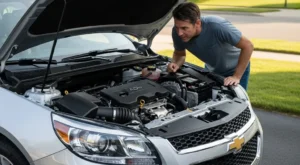
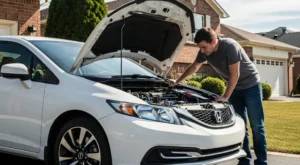
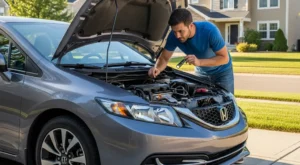
If your car is still running and the misfire is mild, there are several basic checks you can safely do in your driveway. Always work on a cool engine when touching under-hood components.
Step 1: Observe How and When the Misfire Happens
- Note the conditions. Does the misfire happen only at idle, only under acceleration, or all the time?
- Watch the check engine light. Is it solid, flashing, or off?
- Listen and feel. Pay attention to any ticking, knocking, or hissing sounds, and how strong the vibration is.
This information is extremely helpful if you end up at a repair shop. It also helps narrow down likely causes.
Step 2: Check for Obvious Ignition Problems
- Locate the ignition components. On most modern engines, each cylinder has its own ignition coil sitting on top of the spark plug.
- Look for loose connectors. With the engine off, gently tug on each coil connector to ensure it is fully seated.
- Inspect for visible damage. Look for cracked coils, broken wires, or oil in the spark plug wells.
- Listen for arcing at night. In a dark area, with the engine idling, you may sometimes see or hear spark jumping from a damaged wire or coil to metal.
If you see a clearly damaged coil or wire, replacing that part may solve the misfire. If you’re not comfortable doing this, a shop can handle it quickly.
Step 3: Look for Simple Vacuum Hose Issues
- Visually inspect hoses. With the engine off, follow small rubber hoses from the intake manifold and throttle body. Look for cracks, splits, or hoses that have come loose.
- Listen for hissing. With the engine idling, listen closely for a steady hissing sound that changes when you move hoses slightly.
- Gently move suspect hoses. If the idle changes when you move a hose, you may have found a leak.
Replacing a cracked vacuum hose is usually inexpensive and can immediately smooth out a mild misfire caused by a small air leak.
Step 4: Check Basic Maintenance Items
- Review your maintenance history. When were the spark plugs last changed? Are you overdue based on the owner’s manual?
- Check the air filter. A severely clogged air filter can contribute to poor running. If it’s filthy, replacing it is an easy win.
- Consider fuel quality. If the misfire started right after refueling, you may have gotten bad gas. Filling up at a different station and adding a quality fuel system cleaner may help mild cases.
These basic checks won’t solve every misfire, but they can catch simple, low-cost issues that many owners can handle themselves.
When an Engine Misfire Means You Should Stop Driving
Not all misfires are equal. Some can wait for an appointment, while others demand immediate action to avoid major damage or unsafe driving conditions.
Stop Driving Immediately If You Notice Any of These
- Flashing check engine light: This usually means active, severe misfires that can quickly damage the catalytic converter.
- Strong fuel smell or visible smoke: Raw fuel in the exhaust or heavy smoke can signal a dangerous condition.
- Loud banging or knocking noises: Backfires or metallic knocking can indicate serious internal problems. For other noise-related issues, see the Beginner’s Guide to Clunking and Knocking Noises While Driving: Simple Checks Before the Repair Shop.
- Severe loss of power: If the car struggles to maintain speed or accelerate safely, pull over as soon as it’s safe.
- Overheating or warning smells: Burning smells, overheating gauges, or steam under the hood combined with a misfire are red flags.
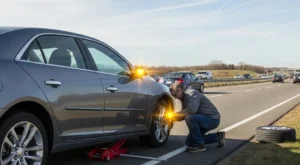
In these situations, it’s safer to pull over, shut the engine off, and arrange for a tow. According to NHTSA safety guidance, you should always prioritize getting your vehicle to a safe location off the roadway if it suddenly loses power.
Okay to Drive Briefly, With Caution, If You Notice These
In some mild cases, you may be able to drive a short distance to a shop or home, but you should still schedule diagnosis soon.
- Mild, occasional stumble at idle only: No flashing light, no strong fuel smell, and normal power at speed.
- Check engine light on solid, but car feels mostly normal: Still needs attention, but not usually an emergency.
- Misfire only when cold: If it smooths out after a minute or two and doesn’t return, you can usually drive carefully to a repair facility.
Even in these cases, avoid heavy acceleration, towing, or high-speed driving until the problem is diagnosed and repaired.
How a Mechanic Diagnoses Engine Misfires
Understanding what a shop will likely do can make you a more informed customer and help you describe your symptoms clearly.
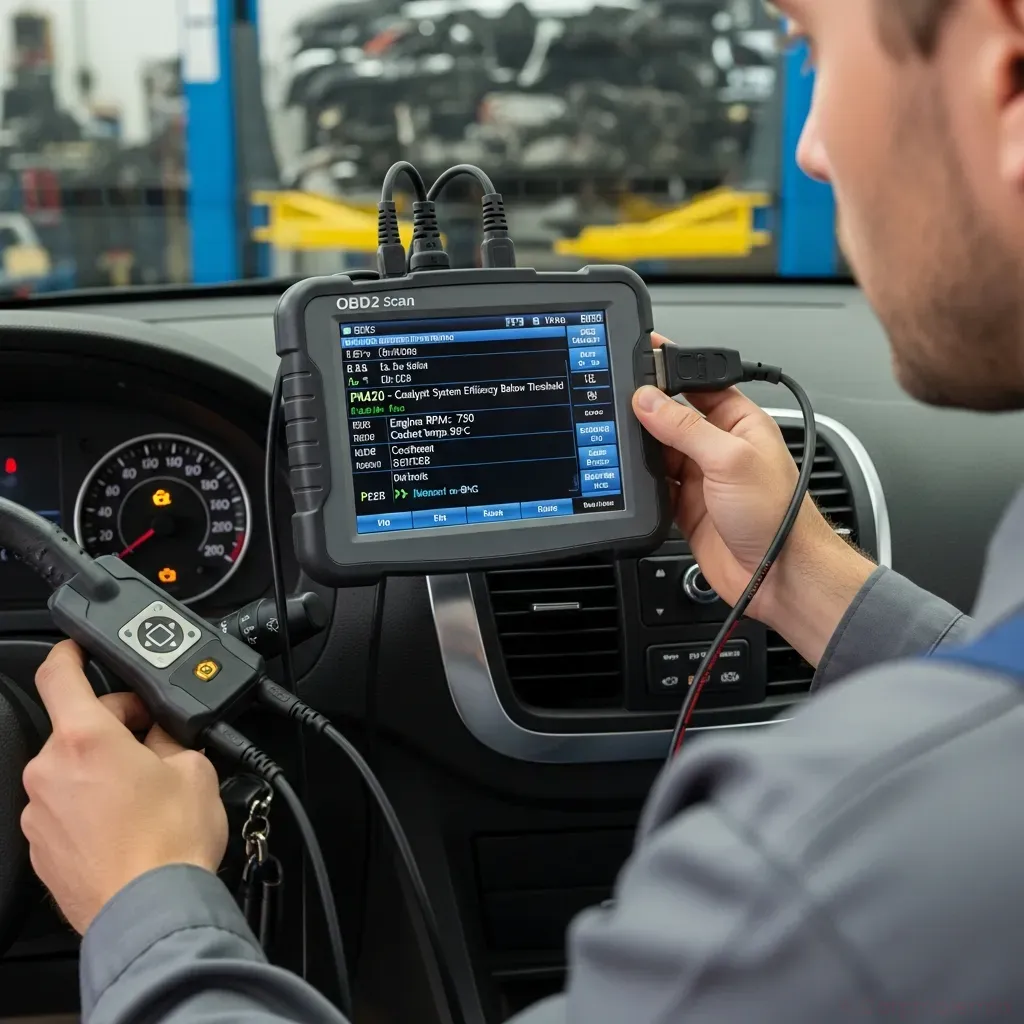
- Scan for codes: The technician will connect a scan tool to read misfire and related codes. Codes like P0301–P0304 indicate misfires on specific cylinders.
- Check live data: They may watch misfire counters, fuel trims, and sensor readings while the engine runs.
- Perform basic tests: Swapping coils or plugs between cylinders, checking fuel pressure, or performing a compression test helps isolate the cause.
- Inspect mechanical condition: If basic checks don’t reveal the issue, they may perform more in-depth tests like leak-down testing or borescope inspection.
Good shops will explain their findings and show you worn or failed parts when possible. Don’t hesitate to ask for a clear explanation of what failed and why.
Summary and Next Steps
Engine misfires are common and range from minor ignition issues to serious mechanical failures. Learning the key symptoms and doing a few simple checks can help you catch problems early and avoid expensive damage.
If you notice a flashing check engine light, strong fuel smell, or major loss of power, stop driving and arrange for a tow. For milder misfires, schedule diagnosis soon and share detailed information about when the problem occurs. Addressing misfires promptly protects your engine, your catalytic converter, and your safety on the road.