Small SUVs have exploded in popularity because they promise car-like fuel economy with extra space and all-weather confidence. But if you are planning to keep one well past 100,000 miles, reliability matters more than touchscreen size or ambient lighting. This guide walks you through how dependable small SUVs really are, what usually breaks, and how to keep repair costs under control as the miles add up.
- 1. How Reliable Are Small SUVs Compared with Cars and Trucks?
- 2. Key Reliability Factors to Consider Before 100,000 Miles
- 2.1. 1. Engine Type and Maintenance History
- 2.2. 2. Transmission Type and Driving Style
- 2.3. 3. Electronics and Driver-Assistance Systems
- 3. Common Small SUV Issues Before and After 100,000 Miles
- 3.1. Suspension and Steering Wear
- 3.2. Brakes and Wheel Bearings
- 3.3. Engine-Related but Not Engine-Killer Problems
- 3.4. HVAC and Interior Components
- 4. What to Expect from a Small SUV After 100,000 Miles
- 4.1. Typical Wear and Tear Between 100,000 and 150,000 Miles
- 4.2. When a High-Mileage Small SUV Becomes a Money Pit
- 5. Pre-Purchase Checklist for a Used Small SUV
- 5.1. Step 1: Research Model-Specific Reliability
- 5.2. Step 2: Inspect Maintenance Records
- 5.3. Step 3: Physical and Test-Drive Checks
- 5.4. Step 4: Professional Pre-Purchase Inspection
- 6. Maintenance Habits That Make Small SUVs Last Longer
- 7. Summary and Next Steps
We will focus on beginner-friendly, practical advice you can use whether you are shopping for a used small SUV or already own one and want it to last.
How Reliable Are Small SUVs Compared with Cars and Trucks?
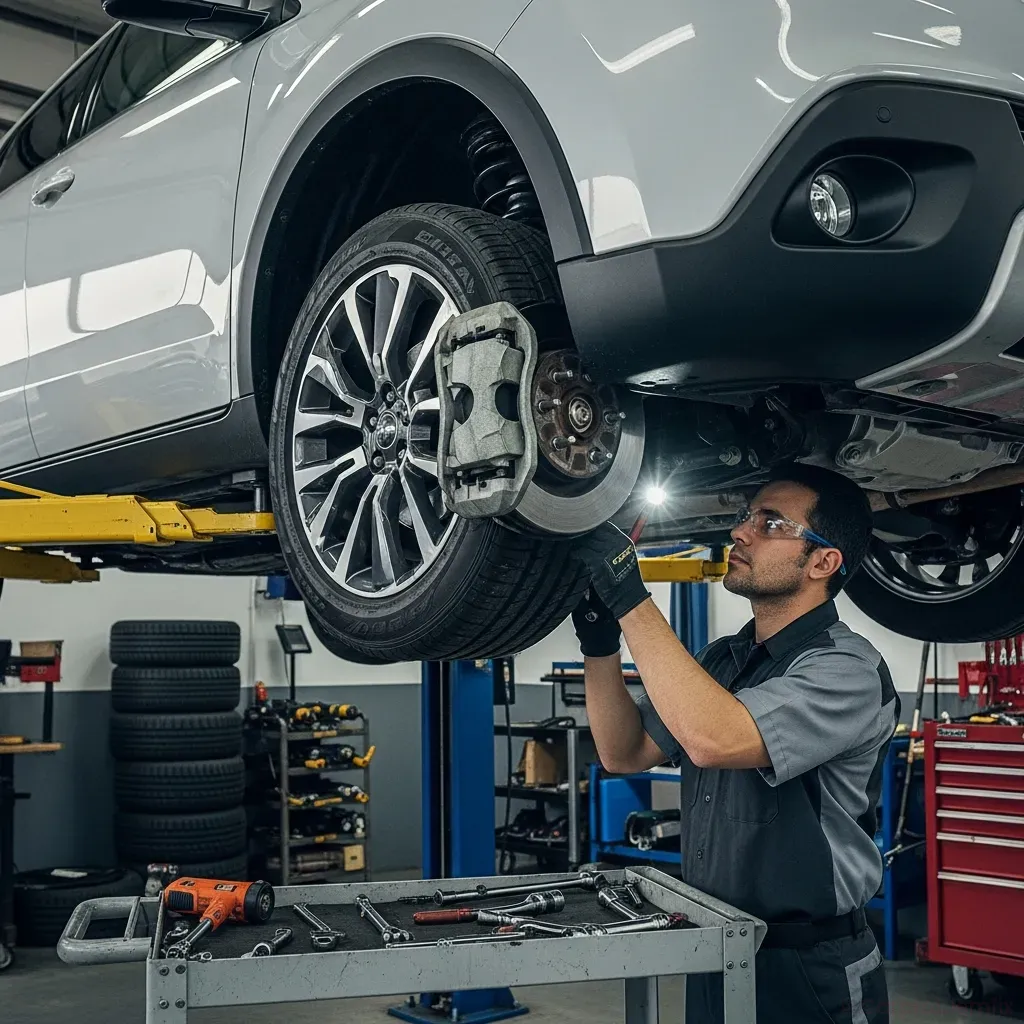

Modern small SUVs are generally as reliable as compact cars and often more reliable than large SUVs and trucks. They share many parts with compact cars, which keeps weight and complexity down. Less weight and simpler drivetrains usually mean fewer big-ticket failures.
Independent testing from sources like Car and Driver long-term reviews shows that many small SUVs can reach 150,000–200,000 miles with only routine maintenance and a few wear-item repairs. However, reliability varies widely between brands and even between engines within the same model line.
In broad terms, naturally aspirated (non-turbo) four-cylinder engines paired with conventional automatic transmissions or well-tuned CVTs tend to be the most durable setups in this class. Turbocharged engines and dual-clutch transmissions can be reliable, but they are more sensitive to maintenance and driving style.
Key Reliability Factors to Consider Before 100,000 Miles
If you are shopping for a small SUV or evaluating the one you already own, pay attention to these core reliability factors. They have the biggest impact on how the vehicle behaves as it approaches and passes 100,000 miles.
1. Engine Type and Maintenance History
The engine is usually not the first thing to fail on a modern small SUV, but neglect can shorten its life dramatically. Look at:
- Engine design: Simple, non-turbo engines with timing chains and port fuel injection are typically the most robust. Turbo engines can be fine if oil changes are done on time.
- Oil change records: Long gaps or unknown history are red flags. Sludge buildup can cause timing chain wear, oil consumption, and misfires.
- Cooling system maintenance: Old coolant and neglected water pumps can lead to overheating, which is one of the fastest ways to kill an otherwise healthy engine.
If you notice misfires, jerking on acceleration, or hesitation, it may not be the engine itself but related systems like ignition or fuel delivery. For drivability issues, see the detailed guide on Car Jerks When Accelerating – Causes, Diagnosis & Fixes.
2. Transmission Type and Driving Style
Small SUVs use several transmission types: traditional automatics, CVTs, and occasionally dual-clutch units. Each has its own reliability profile.
- Conventional automatic (torque converter): Often the most durable if fluid is changed on schedule and the vehicle is not constantly towing or overloaded.
- CVT (continuously variable transmission): Common in small SUVs. Reliable when maintained, but fluid changes are critical. Ignoring CVT service can lead to shuddering, slipping, or failure.
- Dual-clutch: Offers quick shifts but can be jerky in traffic and more expensive to repair. Clutch wear is a common high-mileage issue.
Harsh shifting, delayed engagement, or difficulty getting out of Park are early warning signs. If your SUV is stuck in Park or refuses to shift, the troubleshooting steps in Automatic Transmission Won’t Shift Out of Park: Causes, Diagnosis & Fixes are a good starting point.
3. Electronics and Driver-Assistance Systems
Electronics are a growing reliability concern in small SUVs. Touchscreens, digital dashboards, and advanced driver-assistance systems (ADAS) add comfort and safety, but they also add more things that can fail.
- Infotainment glitches: Frozen screens, Bluetooth issues, and backup camera failures are common but usually not safety-critical.
- Sensors and modules: Parking sensors, radar units, and lane-keep cameras can fail or become misaligned, triggering warning lights.
- Battery and charging system: Weak batteries and alternators can cause random warning lights and no-start conditions. If your battery light comes on while driving, see Battery Light On While Driving: Causes, Fixes & Repair Costs.
As small SUVs age, electrical gremlins often appear before major mechanical failures. Good battery health and clean, tight grounds can prevent many of these issues.
Common Small SUV Issues Before and After 100,000 Miles
While every model is different, certain patterns show up repeatedly across many small SUVs. Knowing what usually fails helps you budget and plan repairs instead of being surprised.
Suspension and Steering Wear
Small SUVs carry more weight and sit higher than compact cars, which puts extra stress on suspension parts. Around 60,000–120,000 miles, you may see:
- Worn struts and shocks: Symptoms include bouncing over bumps, nose-diving when braking, and a generally loose, unsettled ride.
- Control arm bushings and ball joints: These can cause clunks over bumps, vague steering, and uneven tire wear.
- Tie rod ends and steering components: Worn parts here can make the steering feel loose and may cause alignment issues.
Ignoring suspension wear can lead to poor handling and faster tire wear. If your small SUV vibrates at highway speeds, it may be related to wheels, tires, or suspension. The guide on Car Vibrates Only at Highway Speeds: Causes, Diagnosis & Fixes explains how to narrow it down.
Brakes and Wheel Bearings
Brakes are wear items, but how quickly they wear depends on driving style and terrain. In small SUVs, you can expect:
- Brake pads and rotors: Many last 40,000–70,000 miles, but city driving or towing can shorten that. Warped rotors can cause steering wheel vibration under braking.
- Caliper issues: Sticking calipers can cause uneven pad wear, pulling to one side, or overheating smells.
- Wheel bearings: Often last well past 100,000 miles, but when they fail you will hear a humming or growling noise that changes with speed.
Regular brake inspections and addressing noises early can prevent more expensive repairs, like damaged rotors or ABS components.
Engine-Related but Not Engine-Killer Problems
Many small SUV owners worry that any engine-related symptom means the engine is “done.” In reality, most issues are peripheral and fixable if caught early.
- Ignition coils and spark plugs: Misfires, rough running, and poor fuel economy are common symptoms. These are typical maintenance items around 60,000–120,000 miles.
- Oil leaks: Valve cover gaskets and oil pan gaskets can seep with age. Small leaks are common but should be monitored and repaired before they worsen.
- PCV system and intake deposits: Especially on direct-injection engines, carbon buildup can cause rough idle and power loss. Periodic cleaning or catch cans can help.
Check-engine lights and misfires should not be ignored. Early diagnosis is cheaper than waiting until a minor issue damages the catalytic converter or other expensive parts.
HVAC and Interior Components
Comfort features also show their age as the odometer climbs.
- Blower motors and resistors: Symptoms include the fan only working on certain speeds or not at all.
- Blend door actuators: Clicking noises behind the dash or inability to change temperature or vent mode are typical signs.
- Window regulators and door locks: Frequent use in family duty can wear these out, especially in the rear doors.
These issues are usually annoying rather than dangerous, but they can be labor-intensive to fix. Budget some money for interior and HVAC repairs on any older small SUV.
What to Expect from a Small SUV After 100,000 Miles
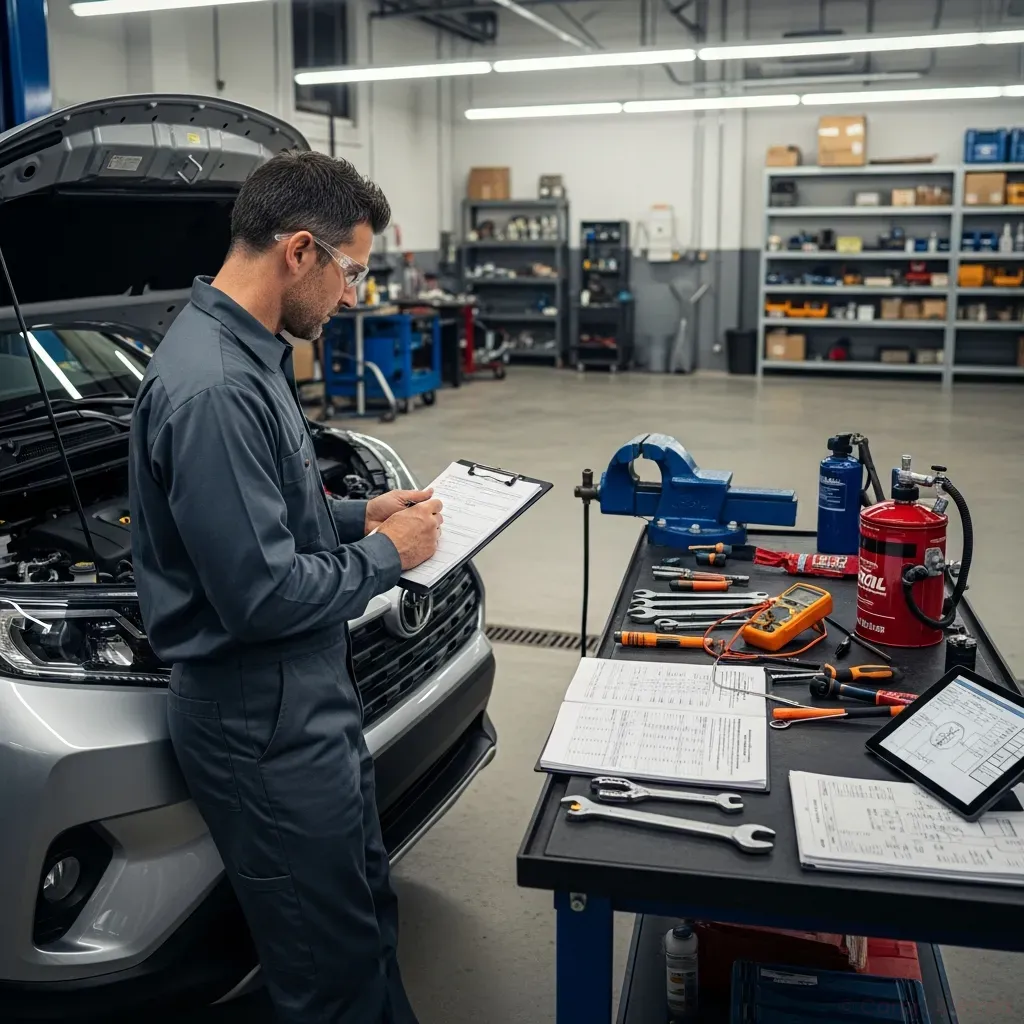
Reaching 100,000 miles is no longer a big milestone for most small SUVs. With proper care, many can go another 50,000–100,000 miles. However, the character of ownership changes after this point.
Typical Wear and Tear Between 100,000 and 150,000 Miles
Here is what many owners can expect in that mileage window, assuming normal use and decent maintenance:
- More frequent suspension work: Second sets of struts, shocks, and bushings are common.
- Exhaust system repairs: Rusted hangers, mufflers, or flex pipes may need attention, especially in rust-prone climates.
- Cooling system refresh: Radiators, hoses, and water pumps often start to show their age.
- Accessory components: Alternators, starters, and power steering pumps may fail, leading to no-start or drivability issues.
None of these automatically mean the SUV is worn out. They are normal aging components that can be replaced to keep the vehicle on the road.
When a High-Mileage Small SUV Becomes a Money Pit
At some point, repair costs may exceed the value or your patience. Warning signs that your small SUV is nearing the end of its cost-effective life include:
- Multiple major systems failing close together: For example, transmission issues, engine oil consumption, and major rust all appearing within a year.
- Structural rust: Rust on subframes, suspension mounting points, or brake lines can be safety-critical and expensive to fix.
- Chronic electrical issues: Repeated module failures, wiring problems, or water leaks into the cabin that cause intermittent faults.
If you are facing a large repair bill, compare it to the value of the SUV and the cost of a replacement. Sometimes investing in a big repair makes sense; other times, it is the right moment to move on.
Pre-Purchase Checklist for a Used Small SUV
If you are shopping for a used small SUV, especially one near or above 100,000 miles, a structured checklist will help you avoid buying someone else’s problems. Use this simple, beginner-friendly process.
Step 1: Research Model-Specific Reliability
- Look up long-term tests and owner reviews: Resources like Car and Driver long-term tests can reveal recurring issues for specific models.
- Check for recalls and service bulletins: See if the SUV you are considering has open recalls or known problems that were addressed under warranty.
- Compare with compact car options: If you are flexible, read the Beginner’s Guide to Compact Car Reliability to see if a compact car might fit your needs with lower long-term costs.
Step 2: Inspect Maintenance Records
- Verify oil change intervals: Ideally every 5,000–7,500 miles, or as specified by the manufacturer. Long gaps are a concern.
- Check transmission and differential services: Fluid changes at recommended intervals are a strong sign of a careful owner.
- Look for major repairs: Timing chain, water pump, or gasket replacements can be a positive sign if done properly.
Step 3: Physical and Test-Drive Checks
- Cold start: Listen for rattles, knocks, or long cranking. Hard starting can hint at battery, fuel, or engine wear issues. If it cranks but will not start, the guide on Car Won’t Start But Battery Is Good – Causes & Fixes outlines common causes.
- Idle and acceleration: The engine should idle smoothly and accelerate without hesitation, jerks, or surging.
- Transmission behavior: Shifts should be smooth and predictable. No slipping, banging, or long delays when shifting from Park to Drive.
- Steering and suspension: Drive over bumps and at highway speeds. Listen for clunks, rattles, or humming noises.
- Braking: Brakes should feel firm and consistent, with no pulling to one side or vibration in the pedal or steering wheel.
Step 4: Professional Pre-Purchase Inspection
- Have a trusted mechanic inspect the SUV: A lift inspection can reveal leaks, rust, and worn suspension parts you will not see from the ground.
- Request a scan for stored codes: Even if the check-engine light is off, stored codes can reveal intermittent issues.
- Ask for a written estimate: Use the inspection report to estimate near-term repair costs and negotiate the price.
A pre-purchase inspection is cheap insurance, especially on high-mileage small SUVs where one hidden issue can erase any savings from a low purchase price.
Maintenance Habits That Make Small SUVs Last Longer
Reliability is not just about the badge on the grille; it is heavily influenced by how the vehicle is maintained and driven. These habits will significantly improve your odds of a trouble-free small SUV past 100,000 miles.
- Follow (or slightly exceed) the maintenance schedule: Do not stretch oil changes or skip fluid services, especially for CVTs and all-wheel-drive systems.
- Use quality filters and fluids: High-quality engine air filters and cabin filters from reputable brands such as K&N can help protect your engine and HVAC system.
- Address warning lights early: ABS, airbag, and check-engine lights should not be ignored. Early diagnosis is almost always cheaper.
- Rotate tires and align regularly: This reduces suspension stress and keeps handling predictable.
- Drive smoothly: Gentle acceleration and braking reduce wear on the engine, transmission, and brakes.
With these habits, many small SUVs can deliver another decade of service even after crossing the 100,000-mile mark.
Summary and Next Steps
Small SUVs can be very reliable long-term vehicles if you choose the right powertrain, verify maintenance history, and stay ahead of wear items. Expect suspension, brakes, and some electronics to need attention as you pass 100,000 miles, but catastrophic failures are not inevitable.
If you are shopping, use a structured checklist and invest in a professional inspection before buying. If you already own a small SUV, focus on fluid services, early diagnosis of warning lights, and timely suspension and brake repairs. When repairs start stacking up, compare costs realistically to the value of the vehicle so you know when it is smarter to repair and when it is time to replace.