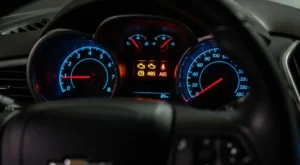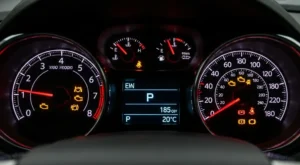
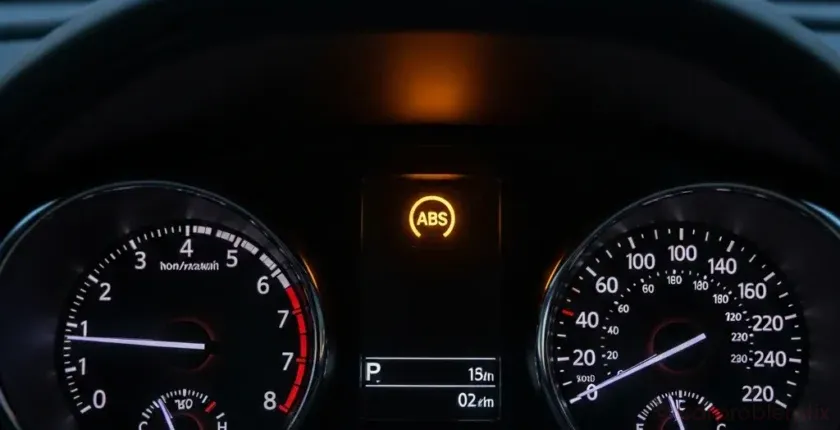
The ABS warning light is one of those dashboard symbols that many drivers ignore until it stays on. That small amber light is tied directly to your car’s ability to stop safely in an emergency. Understanding what it means, how to react, and what you can check at home can help you avoid a dangerous situation and an unnecessary repair bill.
- 1. What the ABS Warning Light Actually Means
- 2. Common ABS Light Scenarios and What They Mean
- 2.1. 1. ABS Light Comes On Briefly, Then Goes Off
- 2.2. 2. ABS Light Comes On While Driving and Stays On
- 2.3. 3. ABS Light and Red Brake Light On Together
- 2.4. 4. ABS Light After Driving Through Deep Water or Snow
- 3. Is It Safe to Drive With the ABS Light On?
- 4. Simple Checks You Can Do When the ABS Light Comes On
- 4.1. Step 1: Confirm Which Lights Are On
- 4.2. Step 2: Check Brake Fluid Level
- 4.3. Step 3: Inspect the Wheel Speed Sensor Areas (Basic Visual Check)
- 4.4. Step 4: Check for Obvious Debris or Packed Mud
- 4.5. Step 5: Scan for ABS Trouble Codes (If You Have a Scanner)
- 5. Common ABS Problems and What Repairs Typically Involve
- 5.1. Dirty or Failed Wheel Speed Sensor
- 5.2. Damaged Sensor Wiring or Connector
- 5.3. ABS Module or Pump Failure
- 5.4. Low Brake Fluid and Worn Pads
- 6. How ABS Interacts With Traction and Stability Control
- 7. When to See a Mechanic (and What to Tell Them)
- 8. Summary and Next Steps
This beginner-friendly guide explains how ABS works, what different ABS light behaviors mean, safe driving tips when the light is on, and simple checks you can do before visiting a shop.
What the ABS Warning Light Actually Means
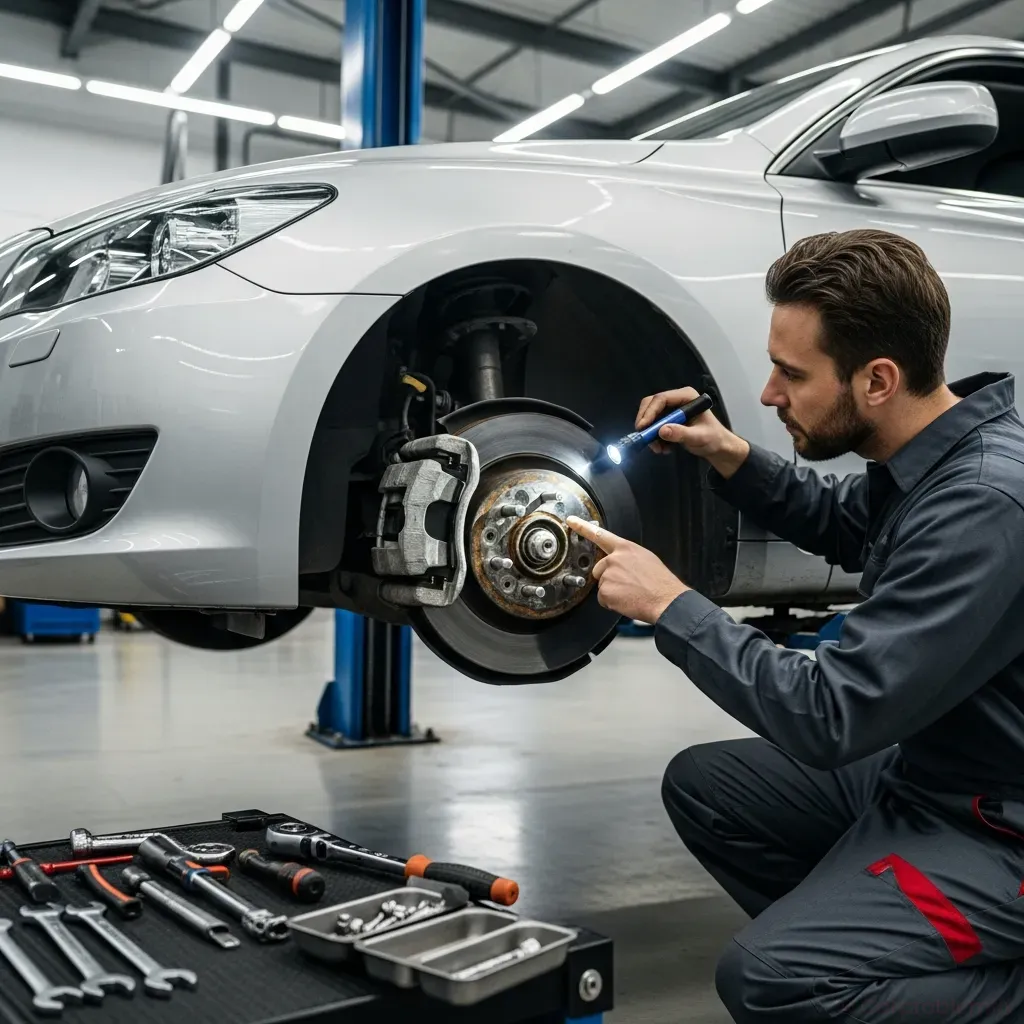
ABS stands for Anti-lock Braking System. It prevents your wheels from locking up during hard braking so you can maintain steering control and reduce stopping distance on slippery roads.
When the ABS light comes on, it means the car’s computer has detected a fault in the ABS system. In most cars, your regular brakes still work, but the anti-lock function may be disabled. That means in a panic stop, your wheels can lock and the car may skid instead of allowing you to steer around an obstacle.
Most cars have two separate lights:
- ABS light (usually amber) – related to the anti-lock system only.
- Brake warning light (usually red) – related to hydraulic brake problems, parking brake, or very low brake fluid.
If the ABS light is on by itself, you usually still have basic braking, just without anti-lock assistance. If the red brake light is also on, treat it as urgent: your overall braking system may be compromised.
Common ABS Light Scenarios and What They Mean
The ABS light doesn’t always behave the same way. How it comes on can give you clues about the problem’s severity.
1. ABS Light Comes On Briefly, Then Goes Off
Modern cars run a quick self-check of the ABS system every time you start the engine and begin moving. It’s normal to see the ABS light come on for a few seconds with the other warning lights, then go off.
If the ABS light stays off while driving, the system passed its self-test and is working normally. No action is needed.
2. ABS Light Comes On While Driving and Stays On
This is the most common scenario. The system detected a fault after the self-check, usually once the car is moving.
Likely causes include:
- Dirty or failed wheel speed sensor at one of the wheels.
- Damaged sensor wiring from road debris, corrosion, or previous repairs.
- Cracked or rusty tone ring (the toothed ring the sensor reads).
- Low brake fluid or fluid sloshing during braking or cornering.
- Internal ABS module fault (less common but more expensive).
In this situation, your regular brakes usually still work, but ABS may not activate in an emergency stop.
3. ABS Light and Red Brake Light On Together
When both the ABS light and the red brake warning light are on, your car is telling you the braking system needs immediate attention.
Possible causes include:
- Very low brake fluid from leaks or severely worn pads.
- Parking brake partially engaged or a faulty parking brake switch.
- Hydraulic brake failure or master cylinder problem.
- Serious ABS module or pump failure.
If both lights are on, avoid driving if possible. If you must move the car, drive slowly, leave extra stopping distance, and head straight to a shop.
4. ABS Light After Driving Through Deep Water or Snow
Sometimes the ABS light appears after driving through deep puddles, slush, or heavy snow. Moisture, mud, or packed snow can interfere with wheel speed sensors or wiring.
In mild cases, the light may turn off on its own after the sensors dry out and the system passes its next self-test. If it stays on for more than a few trips, plan to inspect the wheel areas or have a mechanic check it.
Is It Safe to Drive With the ABS Light On?
Whether it’s safe to keep driving depends on which lights are on and how the car feels.
- ABS light on alone, brakes feel normal: The car usually remains drivable in dry conditions at moderate speeds. However, your stopping distance may increase on wet, icy, or gravel roads.
- ABS light and red brake light on: Avoid driving. You may have reduced braking power or uneven braking.
- ABS light on and pedal feels soft, spongy, or sinks: This is a red flag. Pull over safely and consider a tow.
When the ABS light is on, adjust your driving:
- Increase following distance.
- Slow down before curves and intersections.
- Avoid aggressive braking and high speeds.
- Be extra cautious in rain, snow, or on gravel.
If the ABS light appears along with other symptoms like hesitation, rough running, or stalling, you may also have engine-related trouble codes. In that case, a scan and a guide like Most Common OBD2 Codes for Beginners can help you understand what else is going on.
Simple Checks You Can Do When the ABS Light Comes On
You can’t fix every ABS problem in your driveway, but you can safely perform a few basic checks that sometimes reveal an easy cause. Always park on a level surface, set the parking brake, and let hot components cool before working around the wheels.
Step 1: Confirm Which Lights Are On
- Turn the key to ON (or press the start button without pressing the brake) and watch the dash lights.
- Note whether the ABS light, red brake light, or both stay on after the initial bulb check.
- If the red brake light is on, do not ignore it. Plan for immediate diagnosis.
Understanding exactly which lights are lit will help you and your mechanic narrow down the problem faster.
Step 2: Check Brake Fluid Level
- Open the hood and locate the brake fluid reservoir (usually near the driver’s side firewall).
- Look for the MIN and MAX marks on the side of the reservoir.
- If the fluid is below MIN, you may have a leak or severely worn brake pads.
- Top up only with the correct brake fluid type listed in your owner’s manual (commonly DOT 3, DOT 4, or DOT 5.1).
If the fluid was very low, have the brake system inspected as soon as possible. Low fluid can trigger both ABS and brake warning lights.
Step 3: Inspect the Wheel Speed Sensor Areas (Basic Visual Check)
Each wheel typically has a speed sensor that tells the ABS computer how fast that wheel is turning. Dirt, rust, or damage here can trigger the ABS light.
- Turn the steering wheel fully to one side to expose the back of the front wheel and brake assembly.
- Look behind the wheel for a small sensor and wire near the brake rotor or hub.
- Check for obvious damage: broken wires, loose connectors, or heavy rust around the sensor mounting area.
- Repeat on the other front wheel. Rear sensors may be harder to see without removing the wheel, especially on some small SUVs (see our Beginner’s Guide to Small SUV Reliability for platform-specific quirks).
If you see a wire hanging, broken, or chewed (rodents sometimes chew wiring), that’s a likely cause of the ABS light. Repairing or replacing that harness is usually a job for a shop, but at least you know what to expect.
Step 4: Check for Obvious Debris or Packed Mud
- If you recently drove through deep mud, gravel, or snow, inspect the wheel wells and brake areas for packed debris.
- Use a plastic tool or gloved hand to gently remove large chunks of mud or ice from around the sensor area and tone ring.
- Avoid spraying high-pressure water directly at electrical connectors; use a gentle stream if you rinse.
After cleaning, drive normally for a few trips. If the ABS light was caused by temporary interference, it may go out once the system passes its self-check again.
Step 5: Scan for ABS Trouble Codes (If You Have a Scanner)
Many basic OBD2 scanners only read engine codes, but some mid-range tools can read ABS codes as well. If you have one that supports ABS:
- Connect the scanner to the OBD2 port under the dash.
- Turn the key to ON (engine off) and follow the scanner prompts.
- Select the ABS or Brake module and read stored codes.
- Write down the codes and any “pending” or “history” notes.
Codes like “right front wheel speed sensor circuit” or “ABS pump motor circuit” give clear direction on what’s wrong. If you’re already familiar with engine codes, you’ll find the ABS side similar in concept to what you may have seen in guides like Most Common OBD2 Codes for Beginners.
Common ABS Problems and What Repairs Typically Involve
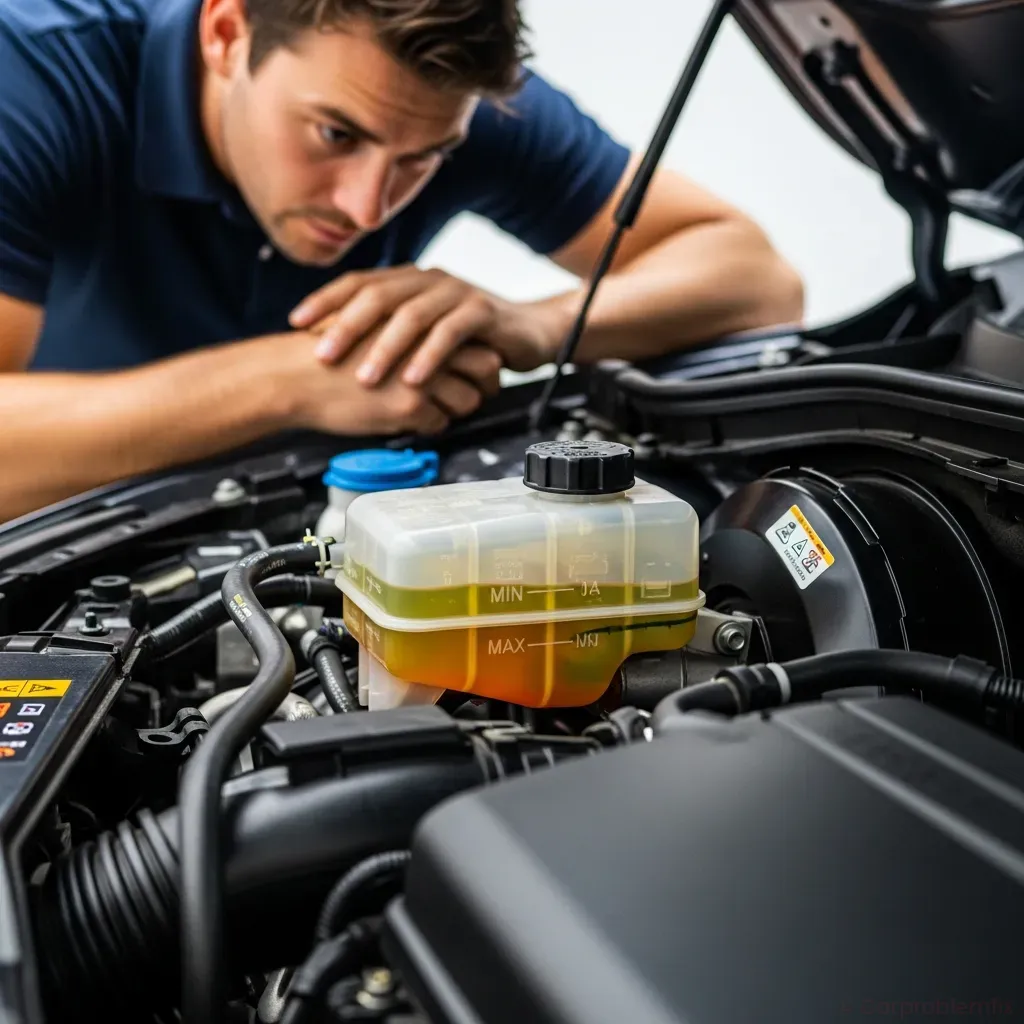
Once you’ve done basic checks, you’ll likely need a professional diagnosis to confirm the exact fault. Here are some of the most common ABS issues and what they usually take to fix.
Dirty or Failed Wheel Speed Sensor
Symptoms: ABS light on, sometimes traction control light on, no noticeable change in normal braking during gentle stops.
Cause: Sensor tip contaminated with rust or metal shavings, internal sensor failure, or damage from road debris.
Typical fix: Cleaning the sensor and tone ring if contamination is mild, or replacing the sensor if it has failed. On many cars, this is a straightforward job; on others, rust can make sensors difficult to remove.
Damaged Sensor Wiring or Connector
Symptoms: ABS light on, may be intermittent (on in wet weather, off when dry), sometimes triggered by turning or hitting bumps.
Cause: Broken or corroded wires, loose connectors, or rodent damage.
Typical fix: Repairing or replacing the affected harness or connector. A shop may solder and heat-shrink new wire sections or install a new pigtail connector.
ABS Module or Pump Failure
Symptoms: ABS light on, sometimes red brake light on, possible buzzing or clicking noises from the ABS unit, ABS may activate unexpectedly or not at all.
Cause: Internal electronic failure, corroded module pins, or pump motor failure.
Typical fix: Replacing or rebuilding the ABS module/pump assembly. This is usually more expensive and may require programming with factory-level tools. For safety-critical systems like this, DIY repairs are not recommended unless you have advanced skills and equipment.
Low Brake Fluid and Worn Pads
Symptoms: ABS light and red brake light on, longer stopping distances, possible squealing from worn pads.
Cause: As pads wear down, caliper pistons extend further, lowering the fluid level. Leaks can also lower fluid and introduce air into the system.
Typical fix: Inspecting for leaks, replacing worn pads and possibly rotors, topping up and bleeding the brake system. Addressing pad wear early can prevent damage to rotors and calipers.
How ABS Interacts With Traction and Stability Control
On many modern vehicles, the ABS system shares sensors and control modules with traction control and electronic stability control (ESC). That’s why you may see multiple lights when there’s a problem.
- If a wheel speed sensor fails, the car may disable ABS, traction control, and stability control together.
- You might see lights like “TRAC OFF,” “ESP,” or a skidding car icon along with the ABS light.
- Even if the car still drives normally, you’ve lost several layers of electronic safety assistance.
Because these systems are integrated, fixing an ABS issue often restores traction and stability control at the same time.
When to See a Mechanic (and What to Tell Them)
While you can do basic checks at home, there are clear points where professional help is the safest choice.
- Immediately if the red brake light is on, the pedal feels soft or sinks, or the car pulls strongly to one side when braking.
- Soon if the ABS light is on steadily and doesn’t clear after a few trips, even if the brakes feel normal.
- Anytime the ABS light is accompanied by unusual noises, grinding, or strong vibrations when braking.
When you arrive at the shop, share:
- Exactly when the light comes on (at start-up, after moving, only in rain, etc.).
- Any recent work done near the wheels (brakes, suspension, tires).
- Whether you’ve noticed changes in braking feel or stopping distance.
- Any codes you read with your own scanner.
This information helps the technician zero in on the problem faster, which can save you diagnostic time and cost.
Summary and Next Steps
The ABS warning light means your car’s anti-lock braking safety net may not be available, even though basic braking often still works. Treat it as an early warning, not something to ignore.
Start with simple checks: confirm which lights are on, inspect brake fluid, and look for obvious sensor or wiring issues. If the red brake light is on, the pedal feels abnormal, or the ABS light stays on despite your checks, schedule a professional diagnosis as soon as possible.
Staying ahead of ABS and brake issues not only keeps you safer but can also prevent more expensive repairs down the road. Combine these basics with regular maintenance and attention to other drivability symptoms—like those covered in guides such as Car Hesitates When Accelerating From a Stop—to keep your car predictable and safe in everyday driving and emergencies.