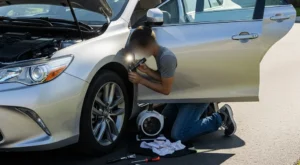

If your car AC smells musty, moldy, or like dirty socks every time you turn it on, you are not alone. Smelly vents are one of the most common comfort complaints drivers have, and they can usually be improved with simple DIY steps if you know where to start.
- 1. Common Types of Car AC Smells and What They Mean
- 2. Why Your Car AC Smells Musty or Moldy
- 3. Safety First: When AC Smells Are More Than Just Annoying
- 4. Step-by-Step: Simple DIY Fixes for Musty Car AC Smells
- 4.1. Step 1: Check for Obvious Moisture Problems
- 4.2. Step 2: Replace the Cabin Air Filter
- 4.3. Step 3: Clean and Disinfect the Air Intake and Vents
- 4.4. Step 4: Dry Out the Evaporator Core
- 4.5. Step 5: Use an Evaporator Foam Cleaner (If Accessible)
- 5. Preventing Car AC Smells from Coming Back
- 6. When to See a Mechanic for AC Smells
- 7. Summary and Next Steps
This beginner-friendly guide explains what causes car AC smells, how to tell harmless odors from health or safety concerns, and step-by-step methods to clean and prevent them. You do not need special tools, and most checks can be done in under an hour.
Common Types of Car AC Smells and What They Mean

Different smells often point to different problems. Paying attention to when the odor appears and what it smells like will help you narrow things down.
- Musty or moldy smell: Often described as “old basement” or “dirty socks.” Usually caused by mold or mildew in the AC evaporator box or vents.
- Damp or wet carpet smell: May indicate a clogged AC drain or water leak soaking the carpet or insulation.
- Vinegar or sour smell: Can be bacterial growth on the evaporator or in the cabin filter area.
- Burning or electrical smell: More serious; could be an electrical issue, slipping belt, or debris on a hot component. If strong, shut things down and have it inspected.
- Exhaust or fuel smell: Potentially dangerous; may indicate an exhaust leak or fuel issue. Do not ignore this and seek professional help quickly.
This guide focuses on musty, moldy, and damp smells from the AC system itself. If you notice burning, fuel, or exhaust odors, prioritize safety and consider professional diagnosis. For broader electrical issues like flickering dash lights, see Dashboard Lights Flickering While Driving: Electrical Causes, Diagnosis & Fixes.
Why Your Car AC Smells Musty or Moldy
Understanding how your AC works makes it easier to see why odors show up. Your AC system cools air by running it over a cold evaporator coil inside a plastic box under the dash. As warm, humid air hits that cold surface, condensation forms and should drain out under the car.
Several things can go wrong and lead to smells:
- Moisture left in the evaporator box: If the system stays damp, mold and mildew can grow on the coil and surrounding foam.
- Clogged AC drain: If the drain tube plugs, water pools in the box and can soak into insulation, creating a long-lasting musty odor.
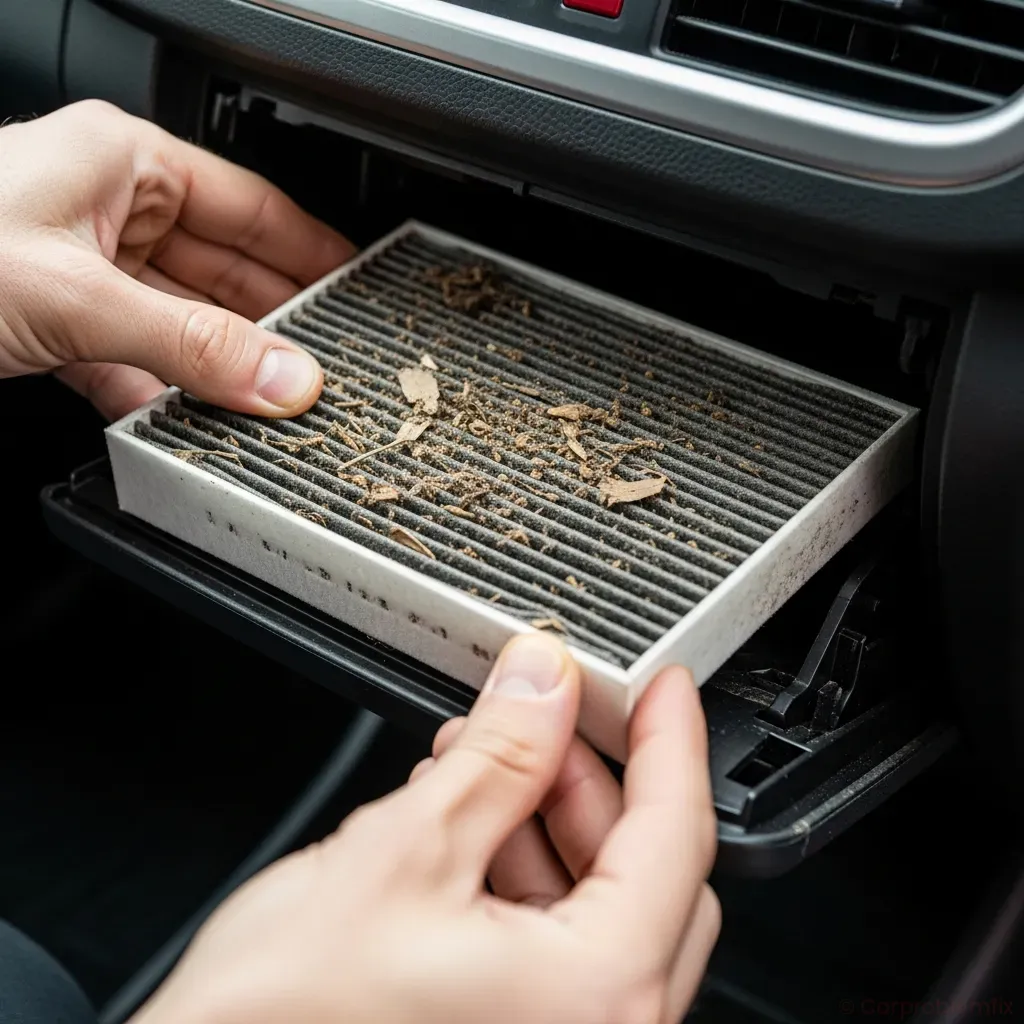
- Dirty or wet cabin air filter: A neglected filter can trap moisture, leaves, and dirt, becoming a breeding ground for bacteria and mold.
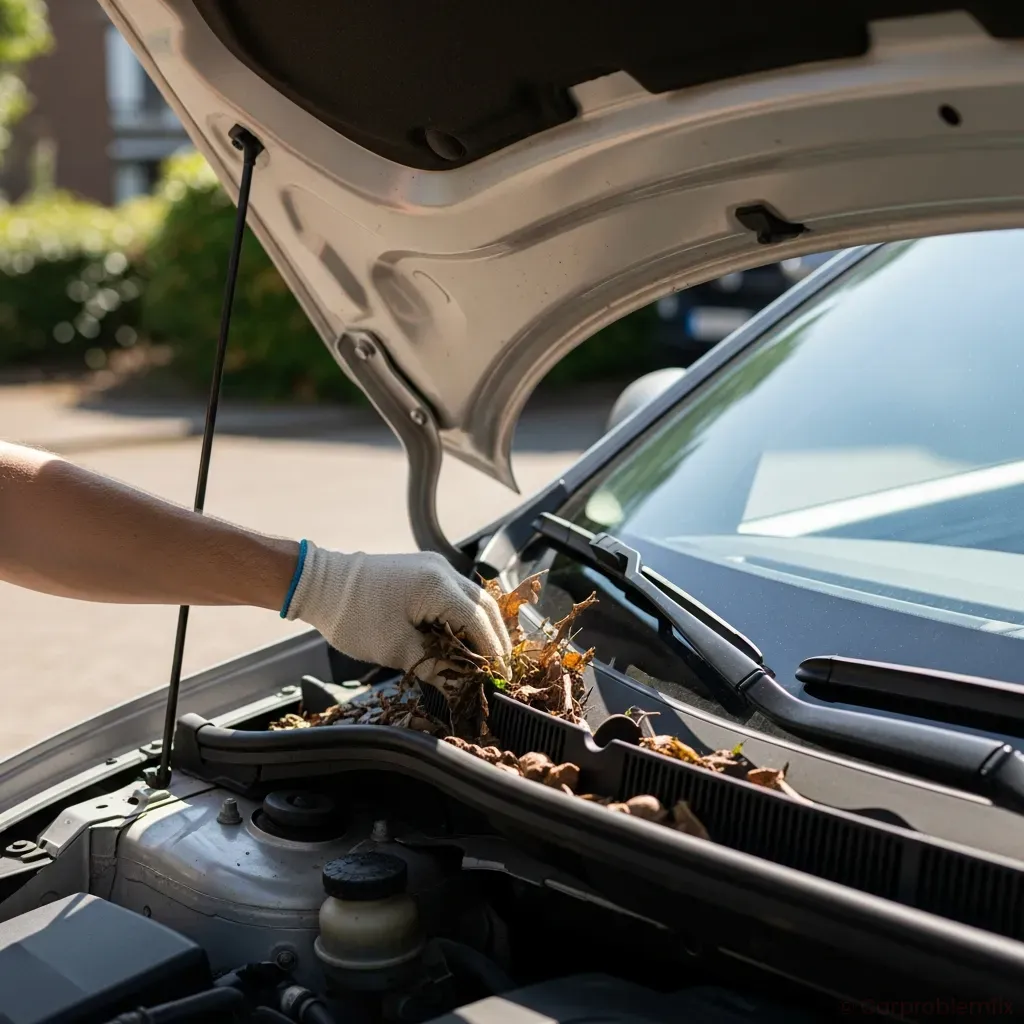
- Debris in the cowl area: Leaves and organic material near the fresh air intake can rot and send odors into the cabin.
- Short trips and instant shutdown: Turning the car off immediately after using the AC on high often leaves the evaporator wet and dark, perfect for growth.
The good news is that most of these causes can be improved with cleaning, better airflow, and a few simple habit changes.
Safety First: When AC Smells Are More Than Just Annoying
Most musty AC smells are more gross than dangerous, but there are times when you should take extra care.
- Respiratory issues or allergies: If you or passengers have asthma, allergies, or breathing problems, mold and bacteria in the vents can make symptoms worse. Take musty smells seriously and clean thoroughly.
- Visible mold or standing water: If you see mold on carpets, under floor mats, or around the HVAC area, you may need deeper cleaning or professional help.
- Strong exhaust or fuel smell with AC on: This can be a sign of an exhaust leak or fuel system problem. Open windows, turn off recirculation, and have the car inspected promptly.
- Burning plastic or electrical smell: Turn off the AC and blower fan. If the smell persists, shut the car off and seek professional diagnosis.
If you are dealing only with a mild musty or moldy odor that appears when the AC starts, the DIY steps below are a reasonable place to begin.
Step-by-Step: Simple DIY Fixes for Musty Car AC Smells
Work through these steps in order. Often, just replacing the cabin filter and drying the system properly will make a big difference.
Step 1: Check for Obvious Moisture Problems
- Inspect the front carpets.
- Feel the carpet on both front footwells, especially on the passenger side where the evaporator drain usually exits.
- If it is damp or wet, you may have a clogged AC drain or a leak.
- Check under floor mats.
- Lift rubber or fabric mats and feel the carpet underneath.
- Look for dark stains or a musty smell concentrated in one area.
- Look under the car after using AC.
- Park on a dry surface, run the AC on cold for 10–15 minutes, then shut the car off.
- After a few minutes, check under the passenger side of the firewall area. You should see a small puddle of clear water from the AC drain.
- If there is no water and the carpets are damp, the drain may be clogged and needs attention from a shop.
If you find soaked carpet or no water dripping from the AC drain, you can still do the cleaning steps below, but plan to have a mechanic clear the drain and check for leaks.
Step 2: Replace the Cabin Air Filter
A dirty or wet cabin filter is one of the easiest and most effective things to fix. Many owners never change it, and it can become a moldy sponge.
- Locate the filter.
- Most cars have the cabin filter behind the glove box or under the cowl at the base of the windshield.
- Check your owner’s manual for the exact location and replacement interval.
- Remove the old filter.
- Open the access panel and slide the filter out slowly to avoid dumping debris into the housing.
- Inspect it for leaves, dirt, and any signs of mold or dampness.
- Clean the housing.
- Use a vacuum with a narrow attachment to remove leaves and dust from the filter slot and surrounding area.
- If the housing is visibly dirty, wipe it gently with a slightly damp cloth and let it dry.
- Install a new filter.
- Make sure the airflow arrows on the new filter point in the correct direction (usually toward the cabin).
- Slide it in carefully and close the access panel securely.
Replacing the cabin filter every 12–15 months (or as recommended) is a simple way to prevent odors and improve air quality. For more simple preventative checks, see the Beginner’s Guide to Basic Car Maintenance.
Step 3: Clean and Disinfect the Air Intake and Vents
Once the filter is fresh, the next step is to clean where the air comes from and where it exits.
- Clean the cowl intake area.
- With the engine off, open the hood and look at the plastic panel at the base of the windshield (the cowl).
- Remove leaves, twigs, and dirt by hand or with a vacuum. This is often where outside air enters the HVAC system.
- Use an AC-safe disinfectant or cleaner.
- Choose a product designed for automotive HVAC systems (often labeled AC evaporator cleaner or HVAC sanitizer).
- Avoid harsh household chemicals that can damage plastics or leave strong chemical smells.
- Run the blower on fresh air.
- Start the car, set the fan to medium-high, temperature to cool, and select fresh air (not recirculation).
- Roll down the windows slightly.
- Apply cleaner at the intake.
- Spray the AC-safe cleaner into the cowl intake area on the passenger side (or where your fresh air intake is located) while the fan is running.
- Follow the product instructions for how long to spray and how long to let it circulate.
- Target the vents.
- Turn the fan to low and gently spray a small amount of cleaner toward the dash vents (do not soak them).
- Let the system run for 5–10 minutes to distribute the cleaner through the ductwork.
This process helps kill mold and bacteria on surfaces the air passes over, reducing musty odors at the source.
Step 4: Dry Out the Evaporator Core
Even after cleaning, if the evaporator stays damp, smells may return. Drying it out regularly is one of the best habits you can build.
- Turn off the AC but leave the fan on.
- Near the end of your drive (last 5–10 minutes), switch off the AC button but keep the blower fan running on medium.
- Set the temperature to warm or ambient, not full cold.
- Use fresh air mode.
- Make sure the system is set to bring in outside air, not recirculate.
- This helps dry the evaporator and ducts by pushing drier air through the system.
- Do this consistently.
- Making this a habit after each drive in hot, humid weather can greatly reduce moisture buildup and mold growth.
If your car has automatic climate control, you may need to manually override the settings near the end of your trip to achieve this drying effect.
Step 5: Use an Evaporator Foam Cleaner (If Accessible)
Some vehicles allow direct access to the evaporator box for deeper cleaning using a foaming cleaner. This is a bit more advanced but still doable for many beginners.
- Locate the evaporator access point.
- Often this is a small drain tube under the car or a service port under the dash.
- Check your owner’s manual or a repair guide specific to your model.
- Follow the product instructions.
- Most foaming cleaners come with a long hose that you insert into the drain tube or service port.
- You fill the evaporator box with foam, let it sit to break down mold and dirt, then allow it to drain out.
- Run the system afterward.
- After the recommended soak time, run the blower on fresh air to help dry the box.
- Expect some cleaner and water to drip under the car; that is normal.
If you are uncomfortable accessing the evaporator or cannot find a safe access point, skip this step and consider a professional AC service instead.
Preventing Car AC Smells from Coming Back
Once you have cleared the odor, a few simple habits and maintenance steps can keep the system fresher for the long term.
- Change the cabin filter regularly: Replace it at least once a year or as recommended. More often if you drive in dusty or humid environments.
- Dry the system before shutting off: Turn off the AC but leave the fan running for a few minutes at the end of your drive, especially in humid weather.
- Avoid long-term recirculation: Recirculate is great for fast cooling, but using it constantly can trap moisture and stale air.
- Keep the cowl area clean: Periodically remove leaves and debris from the base of the windshield and around the fresh air intake.
- Address water leaks quickly: If you notice damp carpets or foggy windows that do not clear, investigate for leaks or a clogged drain.
- Run the AC regularly: Even in cooler months, running the AC briefly helps keep seals lubricated and reduces mold buildup.
These small steps fit well into a basic maintenance routine and can save you from recurring smells and potential HVAC repairs.
When to See a Mechanic for AC Smells
DIY cleaning and better habits solve most mild AC odor problems, but there are times when professional help is the smarter move.
- Persistent strong odor after cleaning: If you have replaced the cabin filter, cleaned the intake and vents, and used an AC-safe disinfectant but the smell returns quickly, there may be deeper contamination or soaked insulation.
- Wet carpets with no visible AC drain drip: This often means a clogged drain tube or a leak in the heater core or body seams. These issues usually require tools and access most beginners do not have.
- Signs of mold in hidden areas: If you see mold under the dash, behind trim panels, or in insulation, professional remediation is recommended for health reasons.
- Unusual noises with AC on: Clicking, grinding, or squealing from the blower or under the dash may indicate a failing blower motor, debris in the fan, or other mechanical issues. For other odd noises, see Car Makes Noise When Turning the Steering Wheel: Causes, Diagnosis & Fixes.
- Electrical issues while using AC: If lights dim, flicker, or warning lights appear when you turn on the AC, there may be an electrical or charging system problem that needs diagnosis.
When in doubt, mention the smell, any damp areas, and what DIY steps you have already tried. This helps the shop focus on the most likely causes and can save diagnostic time.
Summary and Next Steps
Musty or moldy car AC smells are usually caused by moisture, dirt, and organic growth in the evaporator box, vents, or cabin filter. By checking for damp carpets, replacing the cabin filter, cleaning the air intake and vents, and drying the system regularly, most drivers can significantly reduce or eliminate odors at home.
If the smell is strong, persistent, or paired with wet carpets, exhaust odors, or electrical issues, it is time to involve a professional. Addressing AC smells early not only makes your car more pleasant to drive, it can also prevent bigger HVAC and interior damage down the road.