Driving a manual transmission can be fun and engaging, but it also adds a few extra parts that can wear out or go out of adjustment. When something feels off with the clutch pedal, gear lever, or the way the car moves, it can be hard for a beginner to know what is normal and what could be a serious transmission problem.
- 1. How a Manual Transmission and Clutch Work (Beginner Overview)
- 2. Common Manual Transmission Symptoms and What They Usually Mean
- 2.1. 1. Clutch Pedal Problems
- 2.2. 2. Gear Engagement and Shifting Problems
- 2.3. 3. Vehicle Movement and Power Problems
- 2.4. 4. Noises Related to Clutch and Manual Transmission
- 3. Simple Checks for Manual Transmission Clutch Issues
- 3.1. Step 1: Check Clutch Pedal Free Play and Engagement Point
- 3.2. Step 2: Inspect Clutch Fluid (Hydraulic Systems)
- 3.3. Step 3: Basic Clutch Slip Test
- 4. Diagnosing Hard Shifting and Gear Engagement Problems
- 4.1. Checklist: When It Is Hard to Get Into Gear
- 4.2. Step-by-Step: Simple Checks for Hard Shifting
- 5. When Manual Transmission Problems Become Emergencies
- 5.1. Stop Driving and Call for Help If You Notice:
- 6. Basic Maintenance to Prevent Manual Transmission Problems
- 6.1. Good Driving Habits
- 6.2. Routine Service Items
- 7. Summary and Next Steps
This guide walks you through the most common manual transmission problems, especially clutch issues and hard shifting. You will learn what each symptom usually means, simple checks you can do at home, and when it is time to stop driving and call a professional.
How a Manual Transmission and Clutch Work (Beginner Overview)
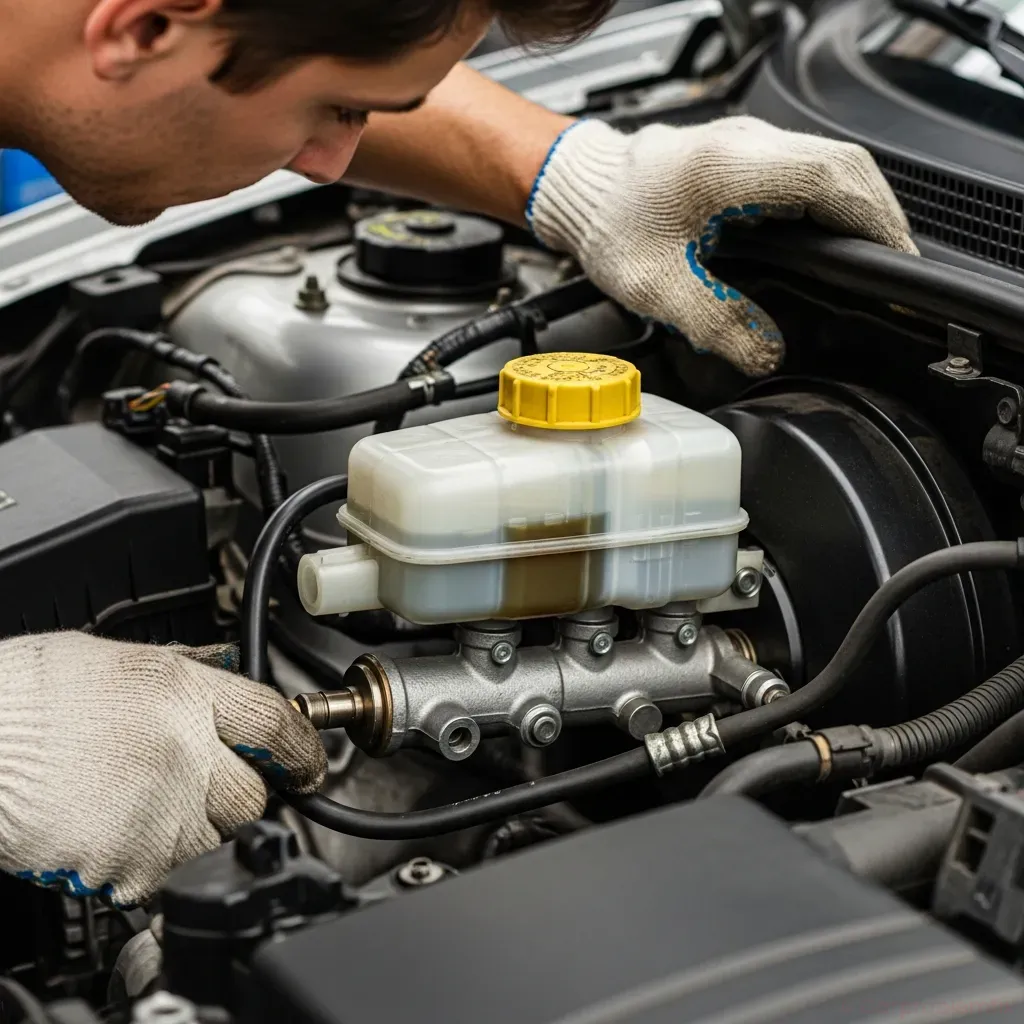
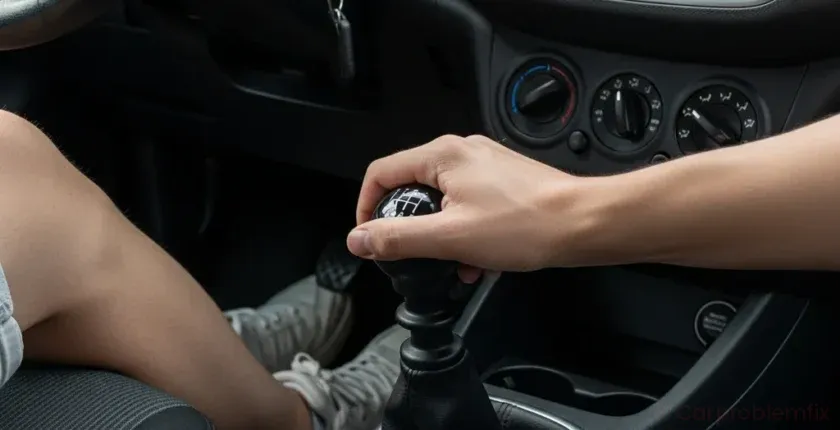
Understanding the basics makes it much easier to diagnose manual transmission problems. A manual transmission has three main parts you interact with: the clutch pedal, the gear shifter, and the transmission itself.
- Clutch pedal and clutch assembly: The pedal you press with your left foot operates the clutch, which connects and disconnects the engine from the transmission.
- Gear shifter: The lever you move to select gears. Inside the transmission, it moves shift forks and synchronizers that engage different gear sets.
- Linkage or cables: Mechanical parts that connect the shifter to the transmission.
When you press the clutch pedal, the clutch disc separates from the engine flywheel, letting you change gears without grinding. When you release the pedal, the clutch re-engages and transfers power to the wheels. Most modern manuals use a hydraulic system (master and slave cylinders) to move the clutch, similar to how the brakes use fluid.
Because there are several moving parts, manual transmission problems often show up first as changes in pedal feel, gear engagement, or noises. Catching these early can prevent a full transmission rebuild.
Common Manual Transmission Symptoms and What They Usually Mean
Before diving into checks, match what you are feeling or hearing with these common symptoms. This helps you focus on the most likely cause.
1. Clutch Pedal Problems
- Soft or spongy clutch pedal: Pedal sinks easily, may not return fully, or feels like it has air in it. Often points to low clutch fluid, air in the hydraulic system, or a failing master/slave cylinder.
- Very stiff clutch pedal: Requires a lot of leg effort. Could mean a worn or binding clutch release mechanism, worn clutch pressure plate, or issues with the cable/linkage on older cars.
- Clutch pedal stuck to the floor: Pedal does not come back up on its own. Often a sign of a failed hydraulic component, broken return spring, or severe fluid leak.
2. Gear Engagement and Shifting Problems
- Hard to get into gear: You have to force the shifter, especially into first or reverse. Could be clutch not fully disengaging, low transmission fluid, worn synchronizers, or shifter linkage issues.
- Grinding when shifting: A crunching or grinding sound when you move the shifter. Usually means the gears are still spinning because the clutch is not fully disengaging, or the synchronizers are worn.
- Gear pops out while driving: The shifter jumps out of gear into neutral on its own. Often a sign of internal wear (worn gear teeth, shift forks, or detents) and usually requires professional repair.
3. Vehicle Movement and Power Problems
- Engine revs but car does not accelerate: You press the gas, RPMs climb, but speed does not match. Classic sign of a slipping clutch.
- Jerky or shuddering starts: The car shakes or vibrates when you let the clutch out from a stop. Could be clutch chatter, oil contamination on the clutch, or worn engine/transmission mounts. If the vibration happens at speed, see Car Vibrates While Driving – Causes, Diagnosis & Fixes.
- Burning smell after stop-and-go driving: A sharp, acrid odor, especially after slipping the clutch on hills or in traffic. Often indicates clutch overheating and wear.
4. Noises Related to Clutch and Manual Transmission
- Noise only when clutch pedal is pressed: A whirring or grinding that appears when you press the pedal and disappears when released. Often a worn release (throwout) bearing.
- Noise only when clutch pedal is released in neutral: A rattling or growling that stops when you press the clutch. Could be an input shaft bearing or internal transmission wear.
- Clunk when changing gears: Loud clunks can indicate worn mounts, excessive driveline play, or aggressive clutch engagement.
If you also see warning lights while these symptoms appear, use Dashboard Warning Lights Explained for Beginners to understand whether another system (engine, ABS, battery) is involved.
Simple Checks for Manual Transmission Clutch Issues
Many clutch-related problems can be narrowed down with basic inspections that do not require special tools. These checks are safe for beginners as long as you work on a cool, parked car with the engine off unless otherwise noted.
Step 1: Check Clutch Pedal Free Play and Engagement Point
- Park safely: Park on level ground, set the parking brake, and turn the engine off.
- Press the clutch pedal by hand: Gently push the pedal down and notice how far it moves before you feel resistance. This is the free play.
- Compare to normal feel: Most cars have a small amount of free play (a few millimeters to about an inch). If there is no free play or the pedal feels loose for a large portion of its travel, the clutch may be out of adjustment or the hydraulics may be failing.
- Test engagement point: Start the engine, press the clutch fully, select first gear, and slowly release the pedal in a safe open area. Notice where the car starts to move.
- Interpret the results:
- Engages near the floor: Often a sign of air in the system, low fluid, or worn hydraulics.
- Engages near the top: Can indicate a worn clutch disc that is nearing the end of its life.
Step 2: Inspect Clutch Fluid (Hydraulic Systems)
Most modern manuals use a hydraulic clutch system that shares brake fluid type (DOT 3/4), but often has its own small reservoir.
- Locate the reservoir: Look near the brake master cylinder for a small plastic reservoir labeled “clutch” or check your owner’s manual or an online owner portal like Hyundai owner resources or BMW owner support for the exact location.
- Check the fluid level: The fluid should be between the “MIN” and “MAX” marks. If it is low, you may have a leak.
- Inspect fluid condition: Clean fluid is usually clear to light amber. Very dark, dirty fluid can indicate neglect and possible internal wear.
- Look for leaks: Check around the clutch master cylinder (at the firewall), the slave cylinder (on the transmission), and the lines in between for wetness or drips.
- What low fluid means: Low fluid with a soft pedal often points to a leaking master or slave cylinder. These parts usually need replacement, not just a top-off.
Step 3: Basic Clutch Slip Test
This test helps you confirm if the clutch is slipping under load.
- Warm up normally: Drive the car for a few minutes so everything reaches normal temperature.
- Select a higher gear at low speed: On a flat, safe road, drive about 25–30 mph (40–50 km/h) and shift into fourth or fifth gear.
- Press the gas firmly: Give the engine moderate to strong throttle without flooring it.
- Watch the tachometer and speed: If the RPMs climb quickly but the car does not accelerate in sync, the clutch is slipping.
- Stop the test if slipping is obvious: Do not keep driving like this; it will overheat and damage the clutch further.
If you smell a strong burning odor after this test, your clutch is likely worn or overheated and should be inspected by a mechanic soon.
Diagnosing Hard Shifting and Gear Engagement Problems
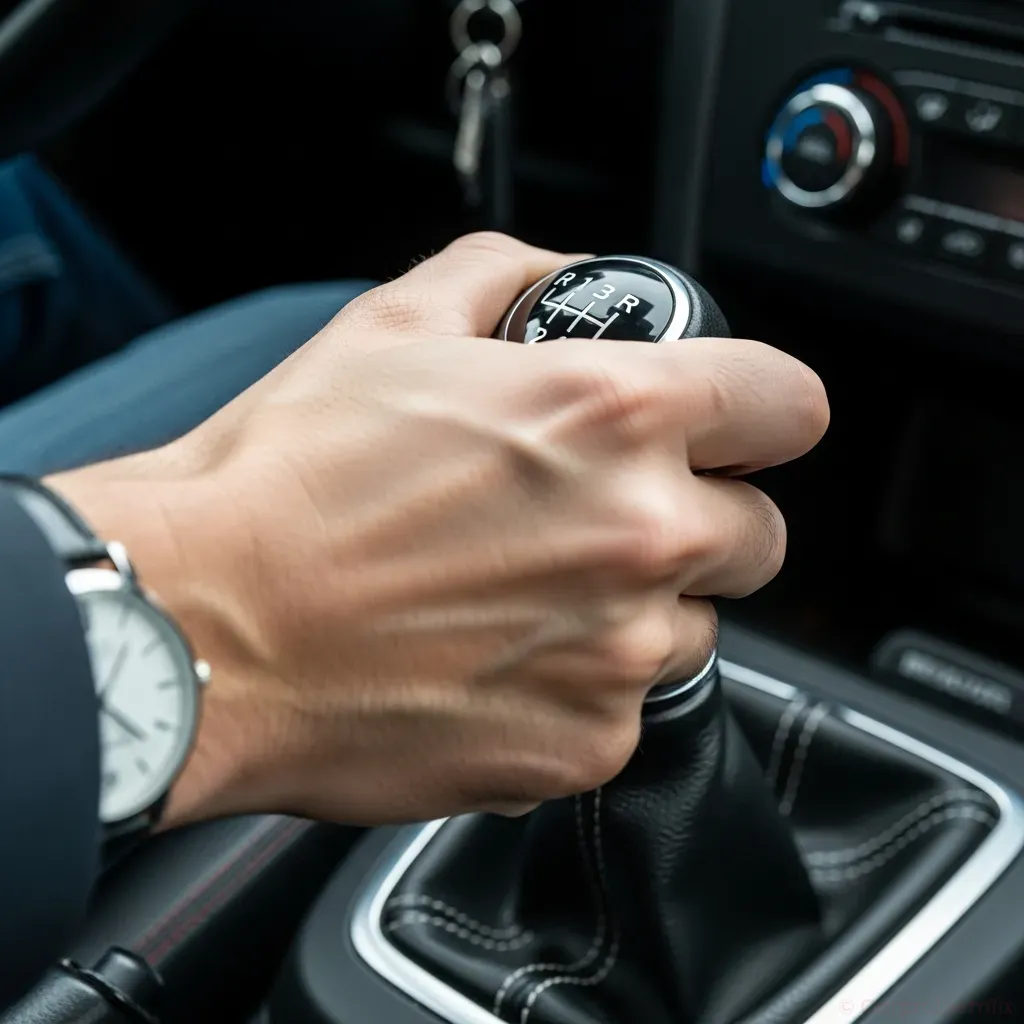
Hard shifting can come from the clutch, the transmission internals, or the shifter linkage. Use this structured approach to narrow it down.
Checklist: When It Is Hard to Get Into Gear
- Does it happen only with the engine running?
- Yes: Often clutch-related. The gears are still spinning because the clutch is not fully disengaging.
- No (even with engine off): More likely a shifter linkage, cable, or internal transmission issue.
- Is first gear and reverse the worst?
- Yes: That is common with clutch drag or worn synchronizers for low gears.
- All gears equally hard: Could be low or wrong transmission fluid, or a problem with the shifter mechanism itself.
- Does double-clutching help?
- If yes: Worn synchronizers are likely. Double-clutching manually matches gear speeds and helps the worn parts.
- If no: The clutch may not be fully releasing, or the linkage may be binding.
Step-by-Step: Simple Checks for Hard Shifting
- Check clutch pedal travel: Make sure you are pressing the pedal all the way to the floor. Worn floor mats or poor seating position can prevent full travel.
- Inspect clutch fluid and leaks: As covered earlier, low or contaminated fluid can prevent full clutch release.
- Test shifting with engine off: With the engine off, press the clutch and shift through all gears.
- Smooth with engine off but hard with engine on: Points to clutch not fully disengaging.
- Hard even with engine off: Could be linkage, cable, or internal mechanical issues.
- Listen for grinding: If you hear grinding going into gear, especially first or reverse, the clutch may be dragging. Avoid forcing it; that damages gears.
- Check for external obstructions: On some cars, debris or worn bushings around the shifter can cause stiffness. Gently move the shifter boot and check for foreign objects or broken plastic pieces.
If you also feel vibration or clunks while shifting at speed, combine these checks with the guidance in Car Vibrates While Driving – Causes, Diagnosis & Fixes to rule out engine or driveline mount problems.
When Manual Transmission Problems Become Emergencies
Some manual transmission issues are annoying but safe for short trips. Others can leave you stranded or cause further damage if you keep driving.
Stop Driving and Call for Help If You Notice:
- Clutch pedal stays on the floor and you cannot change gears or get into neutral easily.
- Strong burning smell plus obvious clutch slip, especially on hills or in traffic.
- Loud grinding or banging noises from the transmission area that appear suddenly.
- Gear pops out repeatedly under load and you cannot keep it in gear.
- Fluid leaking rapidly from the transmission or clutch hydraulics, leaving puddles under the car.
If you are unsure whether the car is safe to drive, it is usually cheaper to pay for a tow than to risk a destroyed transmission or clutch assembly. If other systems are involved, such as overheating or electrical issues, use guides like Car Overheating While Driving? Causes, Fixes & Repair Costs and Battery Light On While Driving: Causes, Fixes & Repair Costs to decide your next move.
Basic Maintenance to Prevent Manual Transmission Problems
Manual transmissions are generally durable, but they still need basic care. A few simple habits and maintenance items can dramatically extend clutch and gearbox life.
Good Driving Habits
- Do not ride the clutch: Keep your foot off the pedal when cruising. Resting your foot lightly on the pedal can partially disengage the clutch and wear it out.
- Avoid holding on hills with the clutch: Use the handbrake or foot brake instead of slipping the clutch to stay in place.
- Shift smoothly: Avoid aggressive, rushed shifts that slam the driveline. Smooth, deliberate movements reduce wear on synchronizers and gears.
- Come to a full stop before reverse: Shifting into reverse while the car is still rolling can cause grinding and internal damage.
Routine Service Items
- Change manual transmission fluid: Many owners forget this. Check your maintenance schedule; some cars recommend changes every 30,000–60,000 miles. Fresh fluid protects gears and synchronizers.
- Flush clutch fluid (if hydraulic): Old, moisture-contaminated fluid can corrode internal parts and cause a spongy pedal. Flushing it periodically keeps the system healthy.
- Inspect mounts and linkage: Worn engine or transmission mounts can cause misalignment and harsh shifting. Ask your mechanic to inspect them during routine service.
- Address small problems early: A slight grind or occasional hard shift is your early warning. Use a guide like Beginner’s Guide to Common Transmission Problems to compare symptoms and avoid waiting until a minor issue becomes a major repair.
Summary and Next Steps
Manual transmission problems usually start with small changes in clutch feel, shifting effort, or noises. By paying attention to symptoms like clutch slip, hard shifting, and grinding, and by doing simple checks such as fluid inspection and basic clutch tests, you can catch issues early and avoid expensive failures.
If your clutch pedal is soft, gears grind regularly, or the car revs without accelerating, schedule a visit with a trusted mechanic soon. For sudden loss of gears, burning smells, or loud new noises, stop driving and arrange a tow. With good driving habits and basic maintenance, a manual transmission can last well beyond 150,000 miles while staying smooth and reliable.