Hybrids used to scare buyers: expensive batteries, strange drivetrains, and unknown long-term reliability. Today, millions of hybrid cars have passed 100,000 miles and beyond, and we have real data on what actually fails and what quietly keeps working.
- 1. How Hybrid Cars Work in Simple Terms
- 2. What Typically Lasts a Long Time on Hybrids
- 2.1. 1. Hybrid Battery Packs (When Properly Cooled)
- 2.2. 2. Electric Motors and Power Electronics
- 2.3. 3. Brakes and Engine Wear
- 3. What Commonly Fails on Hybrids (and When)
- 3.1. 1. High-Voltage Battery Degradation and Failure
- 3.2. 2. Inverter and Power Electronics Issues
- 3.3. 3. Hybrid-Specific Transmission Problems
- 3.4. 4. Cooling System and Auxiliary Components
- 4. Real-World Hybrid Ownership Costs
- 4.1. 1. Fuel Savings vs. Purchase Price
- 4.2. 2. Routine Maintenance Costs
- 4.3. 3. Big-Ticket Repair Risk
- 5. How to Evaluate a Used Hybrid’s Reliability
- 5.1. Step 1: Check the Paper Trail
- 5.2. Step 2: Inspect for Hybrid-Specific Red Flags
- 5.3. Step 3: Test Drive With a Plan
- 5.4. Step 4: Get a Hybrid-Savvy Pre-Purchase Inspection
- 6. Simple Habits to Maximize Hybrid Reliability
- 7. Summary and Next Steps
This beginner-friendly guide walks through hybrid car reliability in plain language. You will learn what parts are different from a regular gas car, which components tend to last a long time, what commonly goes wrong, and how much hybrid ownership really costs over the long run.
How Hybrid Cars Work in Simple Terms
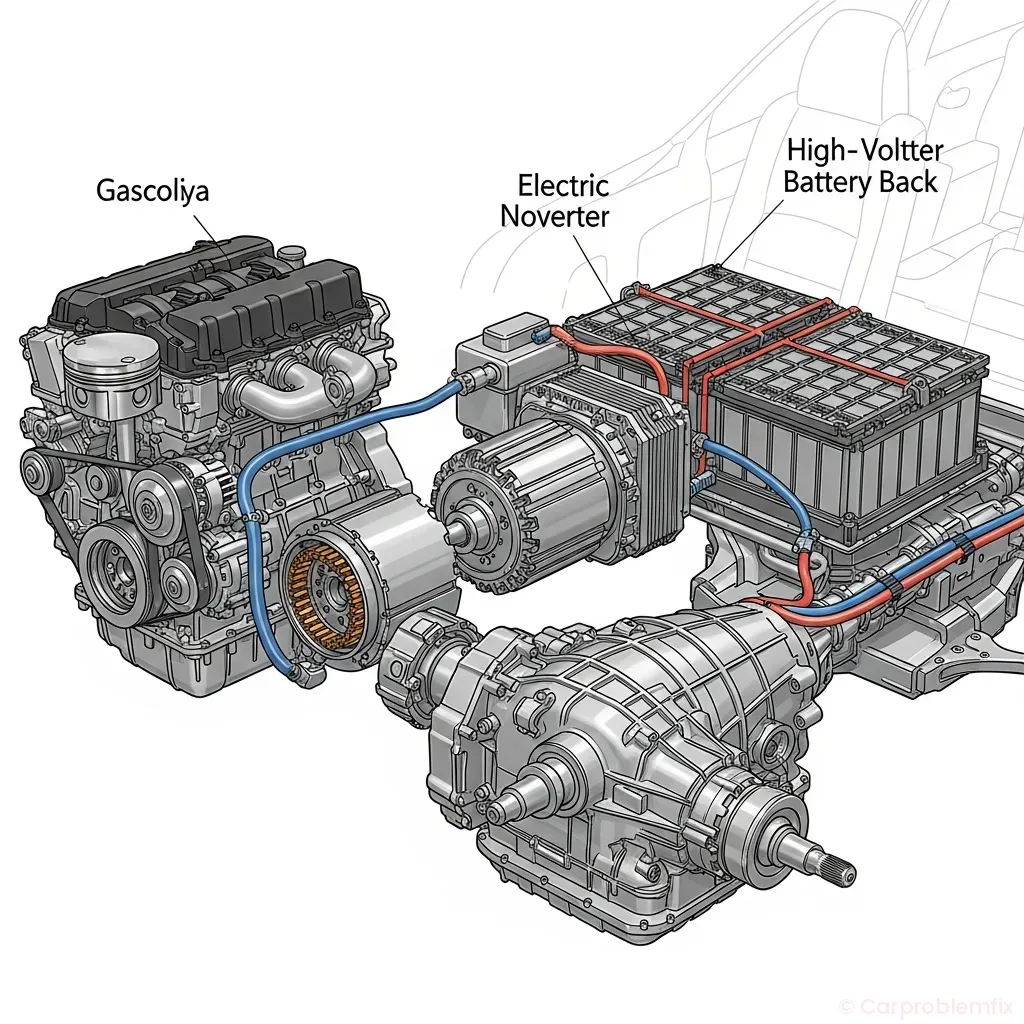
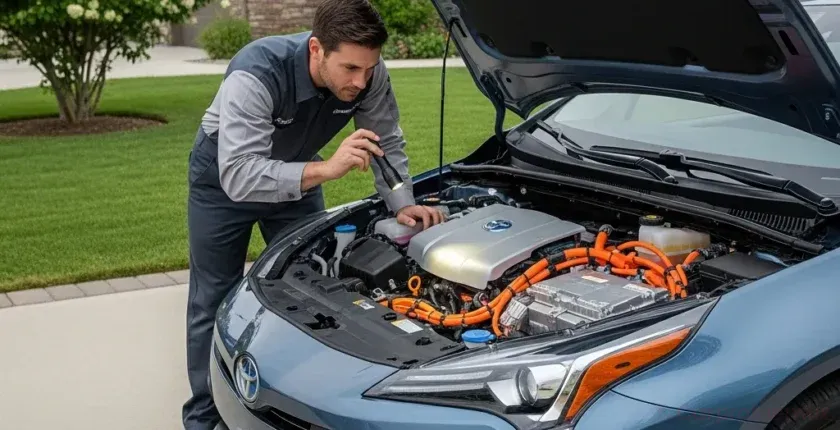
To understand hybrid reliability, you first need a basic picture of what is under the hood. A typical hybrid combines three main systems:
- Gasoline engine – Similar to a regular car, but often smaller and tuned for efficiency.
- Electric motor(s) – Provide extra power for acceleration and can move the car at low speeds.
- High-voltage battery pack – Stores energy for the electric motor and recaptures energy from braking.
These parts are tied together by a hybrid control system and, in many models, an electronically controlled transmission. Unlike a plug-in hybrid or full EV, a standard hybrid does not need to be plugged in; it charges itself while driving and braking.
From a reliability standpoint, this means you have more components than a traditional gas car, but some of them actually reduce wear and tear on the engine and brakes. The key is knowing which parts are proven and which can be expensive if they fail.
What Typically Lasts a Long Time on Hybrids
Despite the extra technology, many hybrid components are surprisingly durable. In some cases, they outlast their counterparts in regular cars.
1. Hybrid Battery Packs (When Properly Cooled)
High-voltage battery packs are the number one fear for new hybrid shoppers. In reality, most modern hybrid batteries are designed to last the life of the vehicle under normal use.
- Many hybrids routinely reach 150,000–200,000 miles on the original battery.
- Battery management systems keep charge levels between roughly 30–80% to reduce stress.
- Cooling fans and ducts help keep pack temperature under control.
Failures do happen, but they are less common than most people think. Heat, age, and neglect (such as blocked cooling vents) are the main enemies. If you live in a very hot climate and never clean the battery cooling intake, your risk of early failure goes up.
2. Electric Motors and Power Electronics
Electric motors in hybrids have very few moving parts and are usually extremely reliable. They do not need oil changes, spark plugs, or timing belts.
- Motor failures are rare compared with engine or transmission failures in traditional cars.
- Power electronics (inverters, DC-DC converters) are solid-state devices with no internal wear surfaces.
- Most issues here are related to overheating, coolant leaks into the inverter, or manufacturing defects.
In many long-term hybrid ownership reports, the electric side of the drivetrain is not the weak link. When problems do occur, they can be expensive, but they are not common on well-designed systems.
3. Brakes and Engine Wear
Hybrids use regenerative braking, which means the electric motor helps slow the car and recovers energy, reducing how often the friction brakes are used.
- Brake pads and rotors on hybrids often last significantly longer than on similar non-hybrid models.
- The gasoline engine frequently shuts off at stops and low loads, reducing total engine run time.
- Less idling and smoother power delivery can mean less wear on internal engine parts.
This is one reason hybrids can be excellent high-mileage commuters. With regular basic maintenance, the engine and brakes often age more slowly than in a comparable gas-only car. For simple monthly checks that apply to any car, see the Beginner’s Guide to Basic Car Maintenance.
What Commonly Fails on Hybrids (and When)
No car is perfect, and hybrids bring their own set of common failure points. Knowing these in advance helps you budget and choose the right model year.
1. High-Voltage Battery Degradation and Failure
While most hybrid batteries last a long time, they do not last forever. Typical patterns include:
- Gradual capacity loss – The car still works, but electric-only range and fuel economy drop.
- Weak cell blocks – The battery control unit detects one or more weak modules and triggers a warning light.
- Complete pack failure – The car may enter limp mode or refuse to start.
Warning signs include reduced fuel economy, the engine running more often than before, and dashboard warnings related to the hybrid system. If you see a Hybrid System Warning Light, follow guidance similar to the Hybrid System Warning Light On: Causes, Diagnosis & Safe-Driving Guide article: drive gently, avoid long trips, and schedule diagnosis soon.
Replacement options vary:
- New OEM pack – Most expensive but longest-lasting option.
- Remanufactured pack – Rebuilt from used modules; cheaper but may not last as long.
- Module-level repair – Replacing only bad modules; lowest cost, but can be a short-term fix.
Costs range widely depending on model, but many owners overestimate the price. In some popular hybrids, remanufactured packs can be comparable to a major transmission repair on a non-hybrid.
2. Inverter and Power Electronics Issues
The inverter converts high-voltage DC from the battery into AC power for the electric motor and back again. It is a critical and expensive component.
- Overheating from clogged cooling passages or low coolant can damage the inverter.
- Coolant leaks into the inverter on some designs can cause electrical failure.
- Software or sensor issues can trigger limp mode or warning lights.
Symptoms often include a loss of power, warning lights, and the engine running more than usual. Because of the high voltage involved, diagnosis and repair should be left to a hybrid-trained technician.
3. Hybrid-Specific Transmission Problems
Many hybrids use an electronically controlled continuously variable transmission (eCVT) or a complex power-split device. Others use a conventional automatic with an integrated electric motor.
- eCVTs are generally robust but can fail if fluid changes are neglected or if the car tows beyond its rating.
- Conventional automatics in some hybrids share the same weak points as non-hybrid versions.
- Shudder, drone, or hesitation under acceleration can indicate transmission or hybrid drive issues.
If you notice vibration or hesitation when accelerating, review guidance similar to the CVT Transmission Shudder, Drone & Hesitation article and have the fluid condition checked. Catching problems early can prevent a full transmission replacement.
4. Cooling System and Auxiliary Components
Hybrids often have more than one cooling loop: one for the engine, one for the inverter, and sometimes one for the battery.
- Extra hoses, pumps, and valves mean more potential leak points.
- Battery cooling fans can clog with dust, pet hair, or debris, especially in cars used for ride-sharing.
- Thermostats and sensors are critical; incorrect readings can trigger limp mode.
Regular coolant changes and inspections are especially important on hybrids. If you see coolant leaks or overheating warnings, do not keep driving; overheating can damage both the engine and hybrid electronics.
Real-World Hybrid Ownership Costs
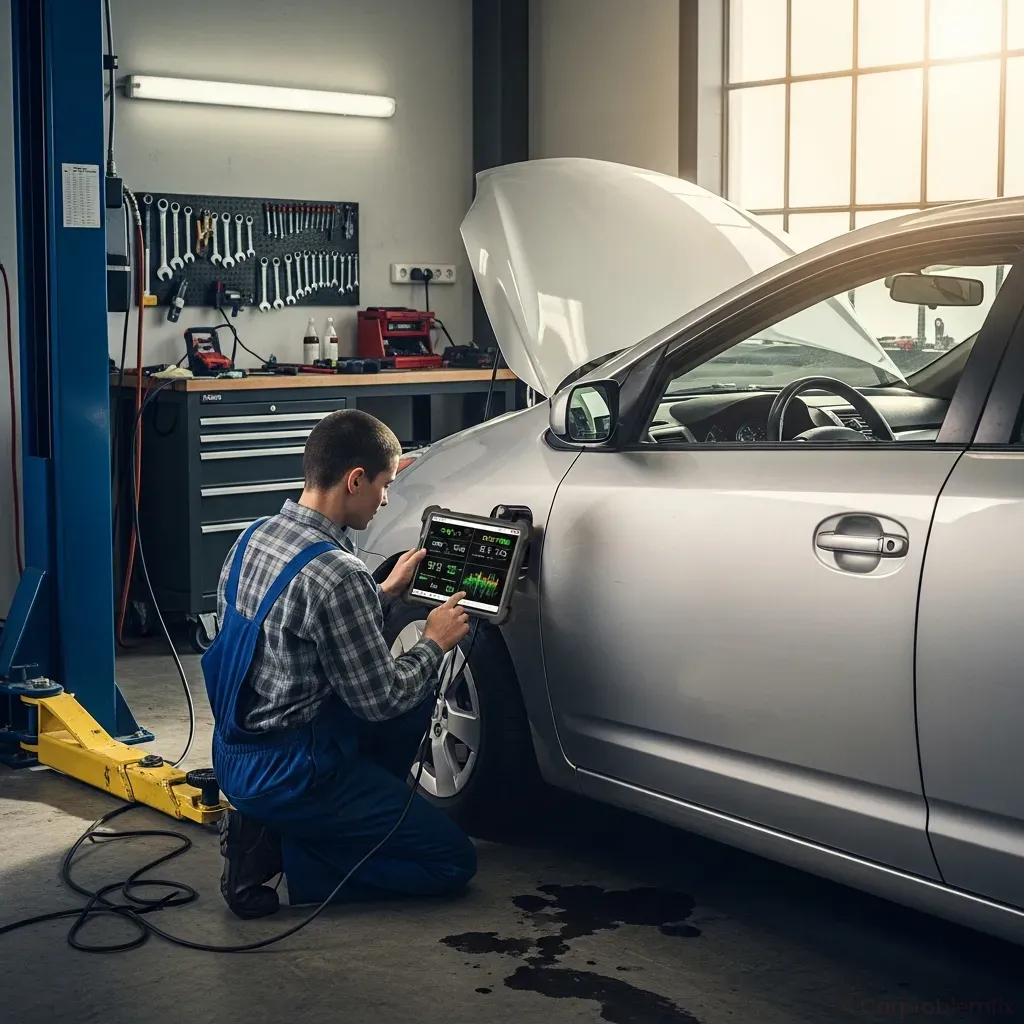
Hybrid ownership costs depend on fuel savings, maintenance, and the risk of big-ticket repairs. Looking at the full picture helps you decide if a hybrid makes sense for your driving.
1. Fuel Savings vs. Purchase Price
Hybrids usually cost more upfront than their non-hybrid equivalents, but they use less fuel.
- If you drive mostly city or stop-and-go traffic, hybrids shine because they use the electric motor more and recapture energy from braking.
- Highway-heavy drivers still benefit, but the gap may be smaller.
- To estimate payback, compare the hybrid’s MPG to a similar gas model and multiply by your annual mileage and local fuel cost.
For many commuters driving 12,000–15,000 miles per year, the fuel savings can offset the higher purchase price within several years, especially when gas prices are high.
2. Routine Maintenance Costs
Day-to-day maintenance on a hybrid is not dramatically different from a regular car, but there are a few differences.
- Oil changes may be less frequent due to engine-off time, but always follow the manufacturer’s time/mileage limits.
- Brake service is often less frequent thanks to regenerative braking, but calipers and brake fluid still need attention.
- Transmission fluid on eCVT systems should be changed at the recommended interval, even if the manufacturer calls it “lifetime.”
Air filters, cabin filters, tires, and wiper blades follow the same rules as any other car. For a simple routine checklist, the Beginner’s Guide to Basic Car Maintenance is a good reference.
3. Big-Ticket Repair Risk
The main financial risk with an older hybrid is a major hybrid component failure outside of warranty:
- High-voltage battery replacement – Can range from a few thousand dollars for popular models with aftermarket options to significantly more for rare or luxury hybrids.
- Inverter or power electronics – Often similar in cost to a transmission replacement.
- Hybrid transmission or power-split device – Expensive, but failures are not extremely common in well-maintained vehicles.
To manage this risk, many buyers choose:
- Hybrids with strong long-term reliability records and widely available parts.
- Certified pre-owned hybrids with extended powertrain or hybrid component warranties.
- Third-party extended warranties from reputable providers, after reading the fine print on hybrid coverage.
When shopping used, research model-specific reliability, similar to how you would for a small SUV using resources like Toyota RAV4 Reliability by Year. Some hybrid generations are excellent; others have known weak points you should avoid.
How to Evaluate a Used Hybrid’s Reliability
If you are considering a used hybrid, a careful inspection is even more important than with a standard car. Use this step-by-step approach to reduce your risk.
Step 1: Check the Paper Trail
- Review service records. Look for regular oil changes, coolant services, and any hybrid-specific repairs.
- Confirm recall work. Ask the seller if all hybrid-related recalls and software updates have been completed.
- Check mileage and usage. High-mileage highway cars can be fine; taxis and ride-share vehicles may have more wear on battery cooling systems.
Step 2: Inspect for Hybrid-Specific Red Flags
- Look for warning lights. During a test drive, make sure all warning lights come on at key-on and then go out. Any hybrid or check engine light is a red flag.
- Listen for unusual noises. Whining, grinding, or clunking from the transmission area under acceleration can signal trouble.
- Check battery cooling intakes. On many hybrids, these are near the rear seat or cargo area. Heavy dust or pet hair buildup suggests poor maintenance.
Step 3: Test Drive With a Plan
- Start from cold. See how the car behaves on initial start-up. Rough starting or warning lights are a concern.
- City and highway mix. Drive in stop-and-go traffic and at highway speeds. Note any hesitation, shudder, or abrupt transitions between gas and electric power.
- Monitor fuel economy. If the trip computer shows much lower MPG than typical for that model, the battery may be weak.
Step 4: Get a Hybrid-Savvy Pre-Purchase Inspection
- Choose a shop with hybrid experience. Not all mechanics are trained or equipped to safely work around high voltage.
- Request a full scan. Ask for a scan of all control modules, not just the engine. Hidden hybrid or battery codes can reveal early problems.
- Ask for a battery health assessment. Some tools can show battery block voltages and internal resistance, giving a snapshot of pack condition.
If the seller refuses a pre-purchase inspection, consider that a major warning sign. The cost of a good inspection is small compared with a hybrid battery or inverter replacement.
Simple Habits to Maximize Hybrid Reliability
Once you own a hybrid, a few simple habits can significantly extend its life and reduce the chance of expensive repairs.
- Keep the battery cool. Do not block battery cooling vents with luggage, and vacuum the intake area periodically, especially if you have pets.
- Follow coolant and transmission fluid intervals. Hybrids rely heavily on proper cooling. Fresh fluids help prevent overheating of the engine and electronics.
- Drive smoothly. Gentle acceleration and braking reduce stress on the battery, inverter, and transmission.
- Address warning lights quickly. A hybrid system warning can escalate quickly. Use guidance similar to the Hybrid System Warning Light On article and schedule diagnosis promptly.
- Maintain the basics. Tires, alignment, and regular inspections still matter. Poorly inflated tires or neglected brakes can undo your fuel savings and strain the hybrid system.
These habits are simple, but they add up over tens of thousands of miles. Many high-mileage hybrid owners credit gentle driving and timely fluid changes for their trouble-free experience.
Summary and Next Steps
Hybrid car reliability is better than many people assume. High-voltage batteries, electric motors, and eCVTs are often durable when properly cooled and maintained, and routine maintenance costs are similar to a regular car. The main risks are big-ticket hybrid component failures on neglected or poorly designed models.
If you are shopping for a hybrid, focus on models with strong long-term records, insist on a hybrid-savvy pre-purchase inspection, and budget realistically for potential battery replacement in very high-mileage cars. Once you own one, follow the maintenance schedule, keep the cooling systems clean, and respond quickly to any hybrid warning lights. With these steps, a hybrid can be a reliable, cost-effective daily driver for many years.