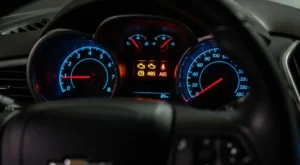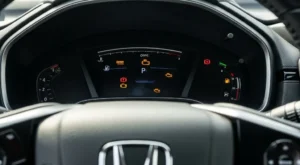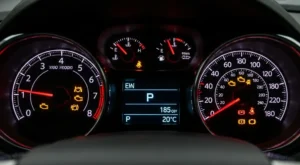
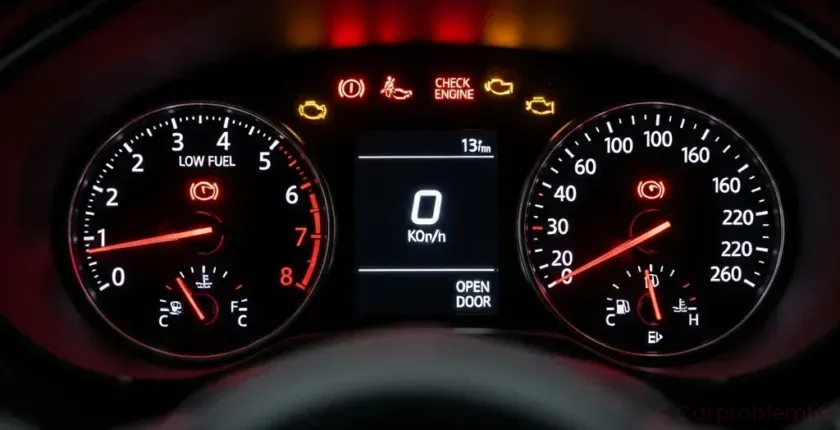
Modern dashboards can look like a Christmas tree when things go wrong. For beginners, those glowing symbols are confusing and easy to ignore until it is too late. Understanding which warning lights mean “check this soon” and which mean “stop now” can literally save your engine, brakes, or even your life.
- 1. How to Read Dashboard Warning Lights at a Glance
- 2. Engine-Related Warning Lights and What They Mean
- 2.1. 1. Oil Pressure Warning Light (Oil Can Symbol)
- 2.2. 2. Temperature Warning Light (Thermometer Symbol)
- 2.3. 3. Check Engine Light (CEL or MIL)
- 3. Brake and Stability Warning Lights: Safety First
- 3.1. 4. Brake System Warning Light (Circle with “!” or “P”)
- 3.2. 5. ABS Warning Light
- 3.3. 6. Traction Control / Stability Control Light
- 4. Battery, Charging, and Powertrain Warning Lights
- 4.1. 7. Battery / Charging System Light
- 4.2. 8. Powertrain or Drivetrain Warning (Wrench or Drivetrain Icon)
- 5. Steering, Airbag, and Other Safety Warning Lights
- 5.1. 9. Power Steering Warning Light
- 5.2. 10. Airbag / SRS Warning Light
- 6. Fuel, Emissions, and Convenience Warning Lights
- 6.1. 11. Low Fuel Warning Light
- 6.2. 12. Tire Pressure Monitoring System (TPMS) Light
- 6.3. 13. Emissions or DEF Warning (Diesel Vehicles)
- 7. Simple Checklist: When to Keep Driving vs When to Stop
- 7.1. Stop Driving as Soon as It Is Safe If:
- 7.2. Drive Carefully to a Shop Soon If:
- 7.3. Usually Safe to Keep Driving Briefly If:
- 8. Summary and Next Steps
This guide breaks down the most common dashboard warning lights, what each one usually means, how urgent it is, and simple first steps you can take before calling a mechanic. We will focus on practical, real-world decisions: keep driving, drive carefully to a shop, or pull over and shut it down.
How to Read Dashboard Warning Lights at a Glance
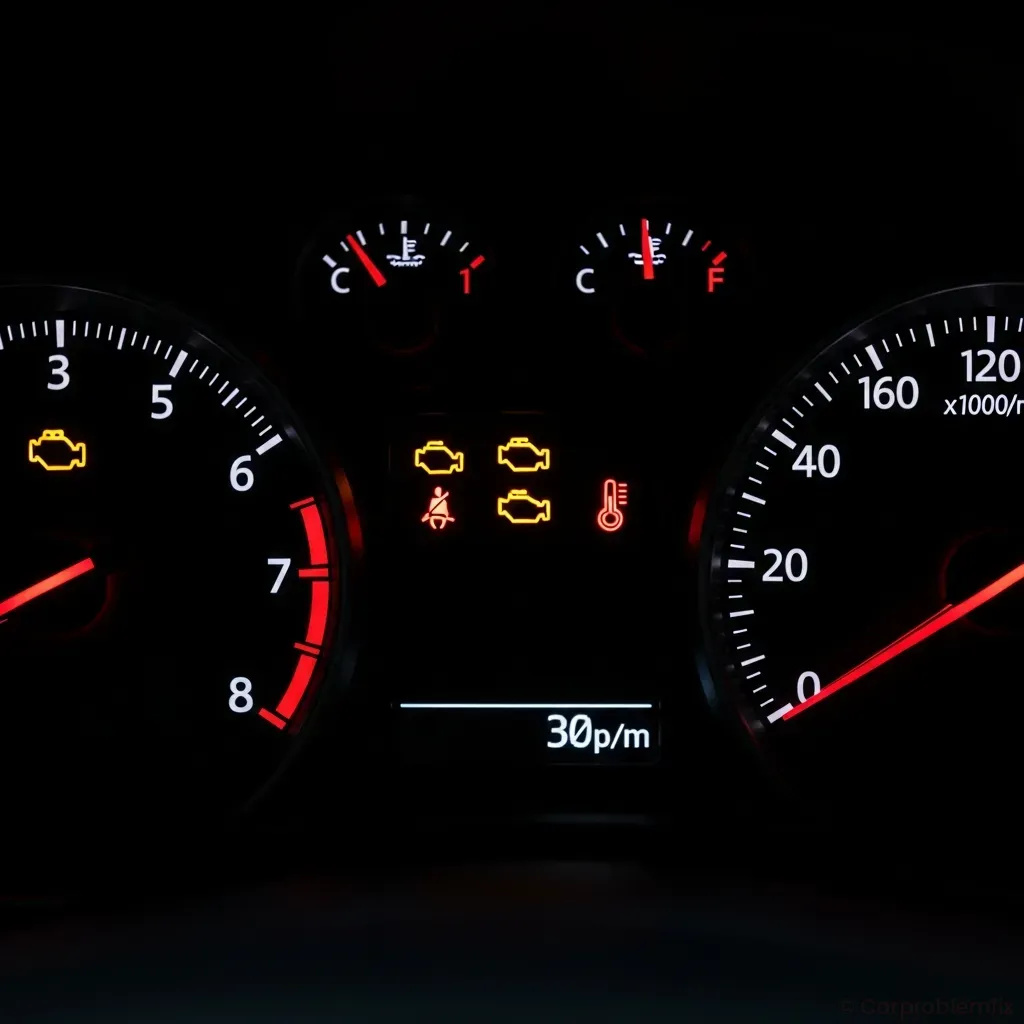
Before diving into specific symbols, you need a simple system to judge urgency. Most cars use color and shape to hint at how serious a warning is.
- Red lights: Often mean a serious or safety-critical problem. Many red lights mean you should stop driving as soon as it is safe.
- Amber/yellow lights: Usually mean something needs attention soon, but the car may still be safe to drive carefully for a short time.
- Green/blue lights: Typically just indicators (high beams on, cruise control active). These are not warnings.
Also pay attention to flashing vs solid lights. A flashing warning (especially for engine or brakes) usually means a more urgent problem than a steady light.
If you are ever unsure, treat the light as serious until you can confirm otherwise. It is far cheaper to tow a car once than to replace an engine or transmission because you kept driving with a critical warning on.
Engine-Related Warning Lights and What They Mean
Engine-related lights are among the most common and most misunderstood. Some mean “get this checked soon” while others mean “shut it off now.”
1. Oil Pressure Warning Light (Oil Can Symbol)
The oil pressure warning usually looks like an old-fashioned oil can, sometimes with a drip. It is red on most dashboards.
- What it means: The engine is not getting enough oil pressure. This can be due to low oil level, a failing oil pump, or internal engine problems.
- How serious: Critical. Driving with low or no oil pressure can destroy your engine in minutes.
- What to do immediately:
- 1. As soon as it is safe, pull over and shut the engine off.
- 2. Wait a few minutes for the engine to cool slightly.
- 3. Check the oil level with the dipstick if you know how.
- If the oil is very low:
- Add the correct oil type if you have it, then restart and see if the light goes out.
- If the light stays on, do not keep driving. Call for a tow.
- If the oil level is normal:
- There may be a sensor or oil pump problem. Do not assume it is safe to drive.
- Have the car towed to a shop for diagnosis.
2. Temperature Warning Light (Thermometer Symbol)
This light often looks like a thermometer dipped in water, or sometimes just says “TEMP”. It is usually red when the engine is overheating.
- What it means: The engine is running too hot. Causes include low coolant, a stuck thermostat, failed water pump, or radiator problems.
- How serious: Critical. Overheating can warp the cylinder head, blow a head gasket, or ruin the engine.
- What to do immediately:
- 1. Turn off the A/C and turn the heater to full hot to pull heat away from the engine.
- 2. Safely pull over as soon as you can and shut the engine off.
- Do not open the radiator cap while hot:
- Pressurized hot coolant can cause severe burns.
- Wait until the engine is fully cool before checking coolant level.
- Next steps:
- If coolant is low, top it up with the correct coolant or water in an emergency, then watch the temperature gauge closely.
- If the light comes back or you see leaks, have the car towed. For more detail on overheating causes and hot-start issues, see Car Won’t Start When Hot: Causes, Diagnosis & Fixes Before You Get Stranded.
3. Check Engine Light (CEL or MIL)
The check engine light is usually an amber outline of an engine or the words “CHECK ENGINE.” It can be steady or flashing.
- What it means: The engine computer has detected a problem with emissions, ignition, fuel, or sensors.
- How serious:
- Steady light: Usually not an emergency, but should be checked soon.
- Flashing light: Often indicates a misfire that can damage the catalytic converter.
- If the light is steady:
- 1. The car is often safe to drive gently for a short time.
- 2. Have the codes read with an OBD2 scanner within a few days.
- 3. If you notice rough running, poor power, or bad fuel economy, schedule diagnosis sooner.
- If the light is flashing:
- 1. Reduce speed and avoid hard acceleration.
- 2. Drive only as far as needed to reach a safe place or shop.
- 3. Misfires can trigger codes like P0300; see OBD2 Code P0300: Random/Multiple Cylinder Misfire – Causes, Diagnosis & Fixes for deeper troubleshooting.
Brake and Stability Warning Lights: Safety First
Brake-related lights should always be taken seriously. They are directly tied to your ability to stop and maintain control.
4. Brake System Warning Light (Circle with “!” or “P”)
This may appear as a circle with an exclamation mark, a “P” for parking brake, or the word “BRAKE.” It is usually red.
- What it means: The parking brake may be engaged, brake fluid may be low, or there may be a hydraulic brake system problem.
- How serious: Very serious. It can indicate reduced braking power or even brake failure.
- First checks:
- 1. Make sure the parking brake is fully released.
- 2. If the light stays on, safely pull over.
- 3. Check brake fluid level in the reservoir if you know how.
- If brake fluid is low:
- There may be a leak or worn brake pads.
- Do not just top it off and forget it. Have the system inspected as soon as possible.
- If the pedal feels soft or sinks:
- Do not continue driving. Call for a tow, as brake failure is possible.
5. ABS Warning Light
The ABS light usually says “ABS” in amber. It is separate from the main brake warning light.
- What it means: There is a problem with the anti-lock braking system (wheel sensors, pump, or control module).
- How serious: Moderate. Normal braking usually still works, but you may lose anti-lock function in hard stops or slippery conditions.
- If only the ABS light is on and the brake pedal feels normal, you can typically drive carefully to a shop.
- Increase following distance and avoid aggressive braking, especially in rain or snow.
6. Traction Control / Stability Control Light
This light often looks like a car with squiggly skid marks underneath. It may flash while driving on slippery surfaces.
- What it means: The traction or stability system is active, or there is a fault in the system.
- How serious: Low to moderate. The car can usually still be driven, but you may have less help correcting skids or wheelspin.
- If the light flashes briefly during acceleration on wet or snowy roads, that is normal.
- If it stays on, the system may be disabled. Drive more cautiously and have it checked when convenient.
Battery, Charging, and Powertrain Warning Lights
Electrical and powertrain warnings can leave you stranded if ignored. Some give you a small window of time to reach a safe place before the car shuts down.
7. Battery / Charging System Light
This light looks like a battery icon and is usually red. While a related topic is covered in depth in other guides, it is important to understand the basics here.
- What it means: The alternator is not charging the battery properly, or there is a wiring/voltage issue.
- How serious: High. Your car may run for a short time on battery power, but it will eventually stall.
- Turn off non-essential electrical loads (A/C, heated seats, stereo) and drive directly to a shop if nearby.
- If you are far from help or see other symptoms (dim lights, power loss), pull over and call for assistance to avoid being stranded in a dangerous spot.
8. Powertrain or Drivetrain Warning (Wrench or Drivetrain Icon)
Some vehicles use a wrench symbol or a drivetrain icon to indicate a powertrain or general service issue.
- What it means: There is a problem detected in the engine, transmission, or related systems. Often tied to “limp mode” where power is reduced.
- How serious: Moderate to high. It may not be immediately dangerous, but continued driving can cause further damage.
- If the car suddenly feels weak or stuck in one gear, drive gently to the nearest safe location or shop.
- If you smell burning, hear grinding, or the car will not accelerate properly, stop driving and call a tow.
Steering, Airbag, and Other Safety Warning Lights
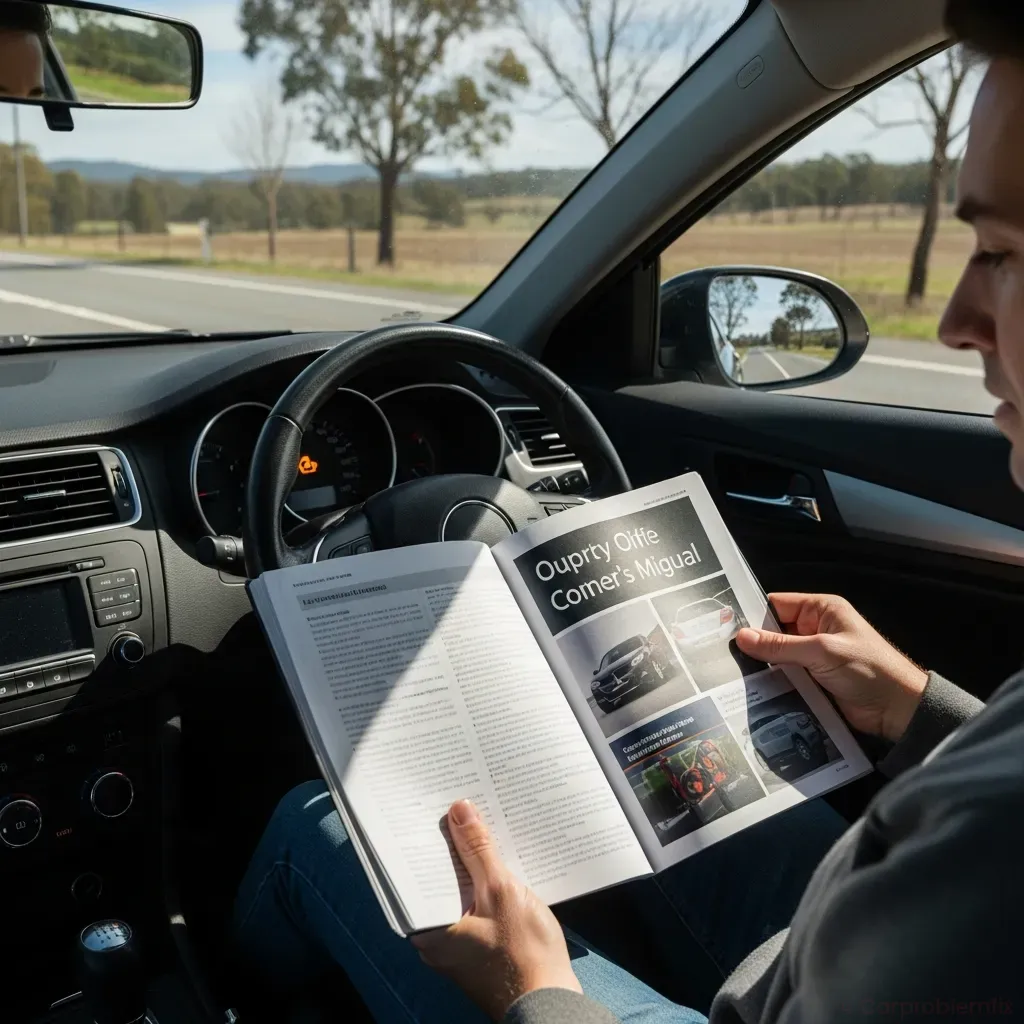
Some warning lights do not affect whether the car moves, but they do affect how safe it is in a crash or emergency. These should not be ignored.
9. Power Steering Warning Light
This light often looks like a steering wheel icon, sometimes with an exclamation mark. It can be red or amber.
- What it means: There is a problem with the power steering system (electric or hydraulic).
- How serious: Moderate. You may lose power assist, making the steering very heavy, especially at low speeds.
- If the steering suddenly becomes very stiff, slow down and use extra effort to steer. It may still be drivable, but parking and tight turns will be difficult.
- If you hear whining noises, see fluid leaks, or can barely turn the wheel, pull over and arrange a tow.
10. Airbag / SRS Warning Light
The airbag or SRS light usually shows a seated person with a circle (airbag) in front of them, or the letters “SRS” or “AIRBAG.” It is usually amber.
- What it means: There is a fault in the airbag or seatbelt pretensioner system.
- How serious: High for crash safety. The car will still drive normally, but airbags may not deploy in a collision, or could deploy incorrectly.
- Drive cautiously and avoid unnecessary trips until it is diagnosed.
- Because airbag systems are safety-critical, have this checked by a qualified technician as soon as possible.
Fuel, Emissions, and Convenience Warning Lights
These lights are usually less urgent but still important for reliability, fuel economy, and long-term repair costs.
11. Low Fuel Warning Light
This light is usually an amber fuel pump icon or the word “FUEL.” It comes on when the fuel level is low.
- What it means: You are close to running out of fuel.
- How serious: Low. But running out of fuel can damage some fuel pumps and leave you stranded.
- Refuel as soon as convenient; do not make a habit of driving on fumes.
- Some cars use the fuel in the tank to cool the fuel pump, so consistently running very low can shorten pump life.
12. Tire Pressure Monitoring System (TPMS) Light
This light looks like a horseshoe or bowl with an exclamation point inside. It warns of low tire pressure.
- What it means: One or more tires are significantly underinflated, or there is a sensor fault.
- How serious: Moderate. Low tire pressure affects handling, braking, tire wear, and can lead to a blowout.
- As soon as possible, visually inspect your tires. If one looks very low or flat, do not continue driving on it.
- Use a tire gauge to check pressure and inflate to the recommended PSI listed on the driver’s door jamb.
- If the light stays on after correcting pressures, a sensor may be faulty and should be checked.
13. Emissions or DEF Warning (Diesel Vehicles)
On diesel vehicles, you may see a DEF (diesel exhaust fluid) light or a symbol related to the exhaust system.
- What it means: Low DEF level or a fault in the emissions system.
- How serious: Moderate to high. Some vehicles will eventually limit power or prevent restarting if DEF is empty.
- Top up DEF as soon as the warning appears, using the correct fluid type.
- If a fault persists, have the emissions system checked; ignoring it can lead to expensive repairs.
Simple Checklist: When to Keep Driving vs When to Stop
When a light comes on, you often have to make a quick decision. Use this simple checklist to guide you.
Stop Driving as Soon as It Is Safe If:
- The oil pressure light is on (red oil can).
- The temperature light is on or the gauge is in the red.
- The brake system warning is on and the pedal feels soft, spongy, or sinks.
- You see smoke, burning smells, or hear loud knocking or grinding.
- The car loses power suddenly and multiple red warnings appear.
Drive Carefully to a Shop Soon If:
- The check engine light is on steadily but the car runs normally.
- The ABS or traction control lights are on, but braking and steering feel normal.
- The airbag light is on, but the car drives fine.
- The TPMS light is on, but tire pressures have been checked and corrected.
Usually Safe to Keep Driving Briefly If:
- A green or blue indicator is on (high beams, cruise control, etc.).
- The low fuel light is on and you are heading to a gas station soon.
- A reminder light for maintenance or service interval appears and you have an appointment scheduled.
When in doubt, consult your owner’s manual. Many manufacturers also publish symbol explanations on their websites or in apps. For more context on choosing a reliable vehicle that is less likely to surprise you with warning lights, see Certified Pre-Owned vs Used: Which Is the Smarter Buy in 2025?.
Summary and Next Steps
Dashboard warning lights are not just annoying symbols; they are your car’s early warning system. Learning the difference between critical red alerts, urgent amber warnings, and simple reminders helps you decide when to pull over, when to head straight to a shop, and when you can finish your trip calmly.
If you see a new light and are unsure what it means, treat it as serious until you can confirm otherwise in the owner’s manual or with a trusted mechanic. When a light is tied to overheating, oil pressure, or braking, stop driving as soon as it is safe. For repeated or confusing warnings, schedule a professional diagnosis rather than guessing. A little caution now can prevent a major repair bill or dangerous breakdown later.