
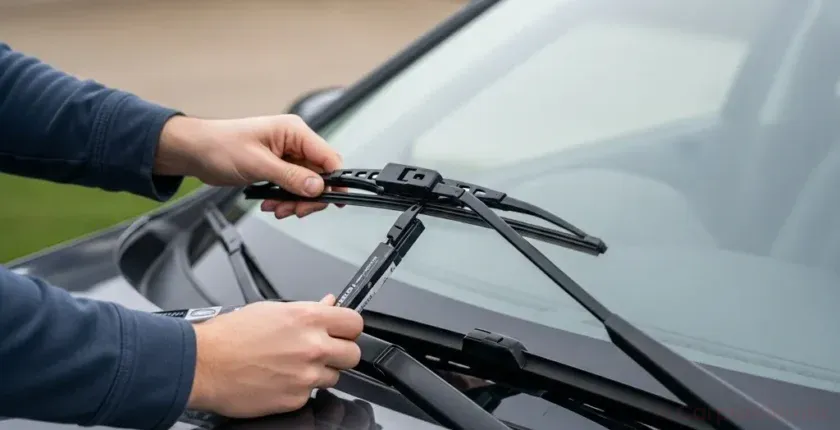
Replacing your own wiper blades is one of the easiest DIY jobs you can do on your car. It takes about 10 minutes, requires no special tools, and can dramatically improve visibility in rain, snow, and road spray.
- 1. Why Wiper Blade Replacement Matters for Safety
- 2. How to Tell If Your Wiper Blades Need Replacing
- 3. Choosing the Right Wiper Blades for Your Car
- 3.1. 1. Find the Correct Wiper Blade Sizes
- 3.2. 2. Understand Wiper Blade Types
- 3.3. 3. Match the Connector Style
- 4. Tools and Preparation
- 5. Step-by-Step: DIY Wiper Blade Replacement in 10 Minutes
- 5.1. 1. Lift the Wiper Arm Safely
- 5.2. 2. Remove the Old Wiper Blade
- 5.3. 3. Attach the New Wiper Blade
- 5.4. 4. Test the New Wiper Blades
- 6. Common Beginner Mistakes (and How to Avoid Them)
- 7. Extra Tips to Make Your New Wiper Blades Last Longer
- 8. When Wiper Problems Mean Something Else Is Wrong
- 9. Summary and Next Steps
This guide walks you through how to choose the right blades, remove the old ones, install the new ones, and avoid common beginner mistakes. If you can follow simple steps and handle a grocery bag, you can handle this job.
Why Wiper Blade Replacement Matters for Safety
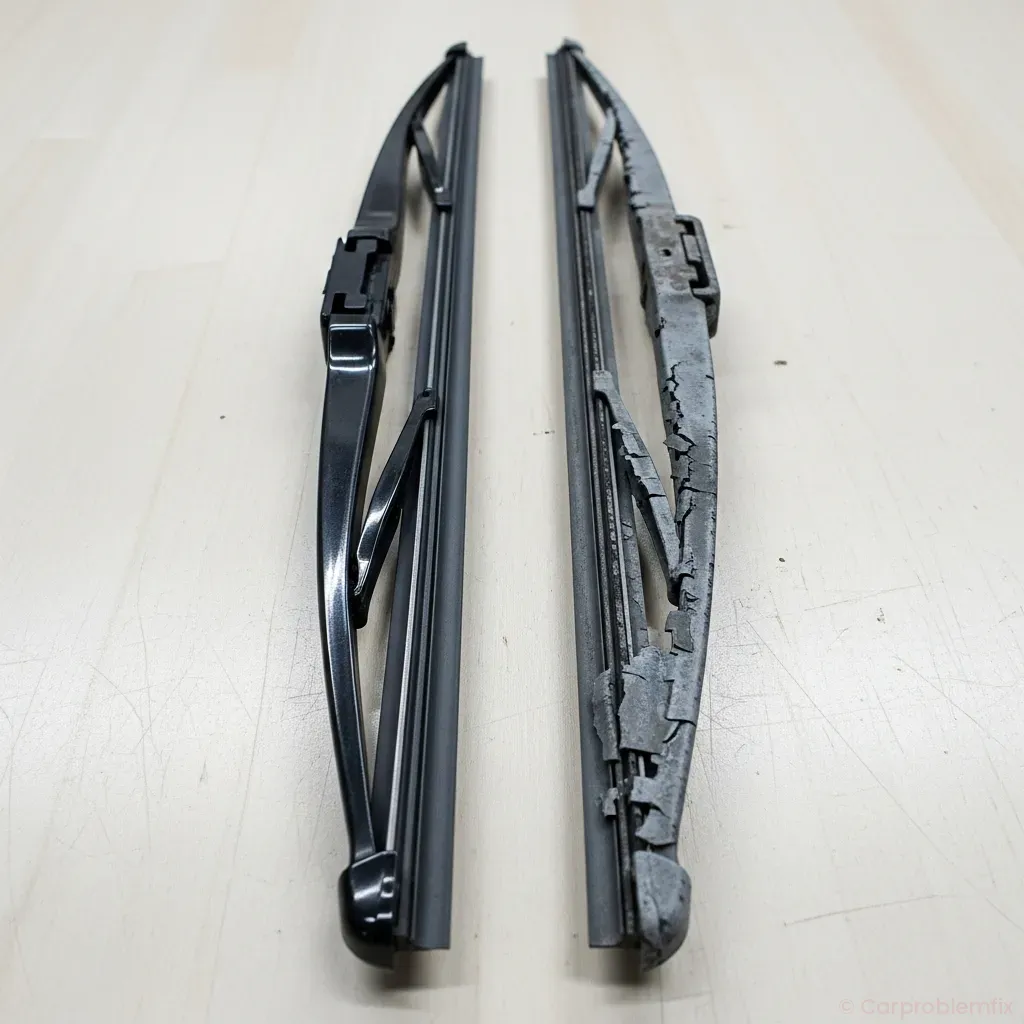

Worn wiper blades smear water, leave streaks, and chatter across the glass. That can turn night driving or heavy rain into a dangerous guessing game. Fresh blades give you a clear view so you can see lane markings, pedestrians, and brake lights sooner.
Most drivers should replace wiper blades about once a year, or sooner if they show obvious wear. If you live in an area with harsh sun, snow, or road salt, you may need new blades every 6–9 months. The good news: once you learn this simple DIY, you can swap them out whenever they start to struggle.
How to Tell If Your Wiper Blades Need Replacing
Before you buy new blades, confirm that the wipers are actually the problem and not a dirty windshield or low washer fluid. Use this quick checklist.
- Streaks or missed areas: If the wiper leaves long streaks or untouched patches, the rubber edge is likely hardened, cracked, or warped.
- Chattering or skipping: If the blade hops across the glass instead of gliding smoothly, the rubber may be stiff or the frame may be bent.
- Smearing film: A greasy film that doesn’t clear might be from wax or road film. Clean the glass and the blade with glass cleaner first. If it still smears, replace the blades.
- Visible damage: Look for cracks, missing chunks, or a torn rubber edge. Any visible damage means it’s time for new blades.
- Noise: Loud squeaks or scraping sounds often mean the rubber is hardened or the blade is no longer sitting flat on the glass.
If the wiper arm itself is loose, bent, or not moving correctly, that’s a different problem and may require professional help. But in most cases, streaks and noise are solved with fresh blades.
Choosing the Right Wiper Blades for Your Car
Wiper blades are not one-size-fits-all. Each car has specific lengths for the driver, passenger, and sometimes rear window. Getting the right size and connection type is the key to an easy, 10-minute install.
1. Find the Correct Wiper Blade Sizes
- Check your owner’s manual: Most manuals list the exact length for each wiper. Look under the “Maintenance” or “Specifications” section.
- Use an in-store size guide: Auto parts stores usually have a paper or digital catalog where you enter your car’s year, make, and model to see the correct sizes.
- Measure the old blades: If you can’t find specs, use a tape measure to measure the rubber part of each existing blade from end to end. Note that the driver’s side is often longer than the passenger’s side.
Never guess the size. Blades that are too long can hit each other or the windshield trim. Blades that are too short leave part of your view un-wiped.
2. Understand Wiper Blade Types
Most stores will offer a few main blade styles:
- Conventional (frame-style) blades: These have a metal frame with multiple pressure points. They’re usually the cheapest and work fine for many cars.
- Beam (frameless) blades: These have a solid, curved rubber and metal spine instead of a visible frame. They hug the glass better and handle snow and ice more effectively.
- Hybrid blades: A mix of frame and beam designs. They often look more streamlined and handle weather well.
For most daily drivers, beam or hybrid blades are a good upgrade over basic frame-style blades, especially in areas with frequent rain or snow.
3. Match the Connector Style
The connector is how the blade attaches to the wiper arm. Common types include:
- Hook (J-hook): The most common style. The end of the arm looks like a small hook.
- Pin or bayonet: A straight arm with a small pin or slot.
- Side-lock or top-lock: Often found on some newer vehicles with more streamlined arms.
Most replacement blades come with multiple adapters in the package. The instructions on the box usually show which adapter to use for your arm style. If you’re unsure, you can compare the new blade’s connector to your old one before removing anything.
Tools and Preparation
You don’t need a toolbox for this job, but a little preparation makes it smoother and safer.
- New wiper blades: Correct size and type for your vehicle, including rear if you’re replacing it.
- Soft towel or rag: To protect the windshield in case the wiper arm snaps down without a blade attached.
- Glass cleaner and paper towels: Optional but recommended to clean the windshield before testing the new blades.
Park on a level surface, turn the engine off, and set the parking brake. Make sure the wiper switch is in the OFF position so they don’t move unexpectedly while you’re working.
Step-by-Step: DIY Wiper Blade Replacement in 10 Minutes
These steps cover the common hook-style arm, plus notes for other connectors. Always read the instructions that come with your specific blades as designs vary slightly.
1. Lift the Wiper Arm Safely
- Gently lift the wiper arm: Pull it away from the windshield until it stands on its own. Don’t force it if it only comes partway up; some cars limit how far the arm can lift.
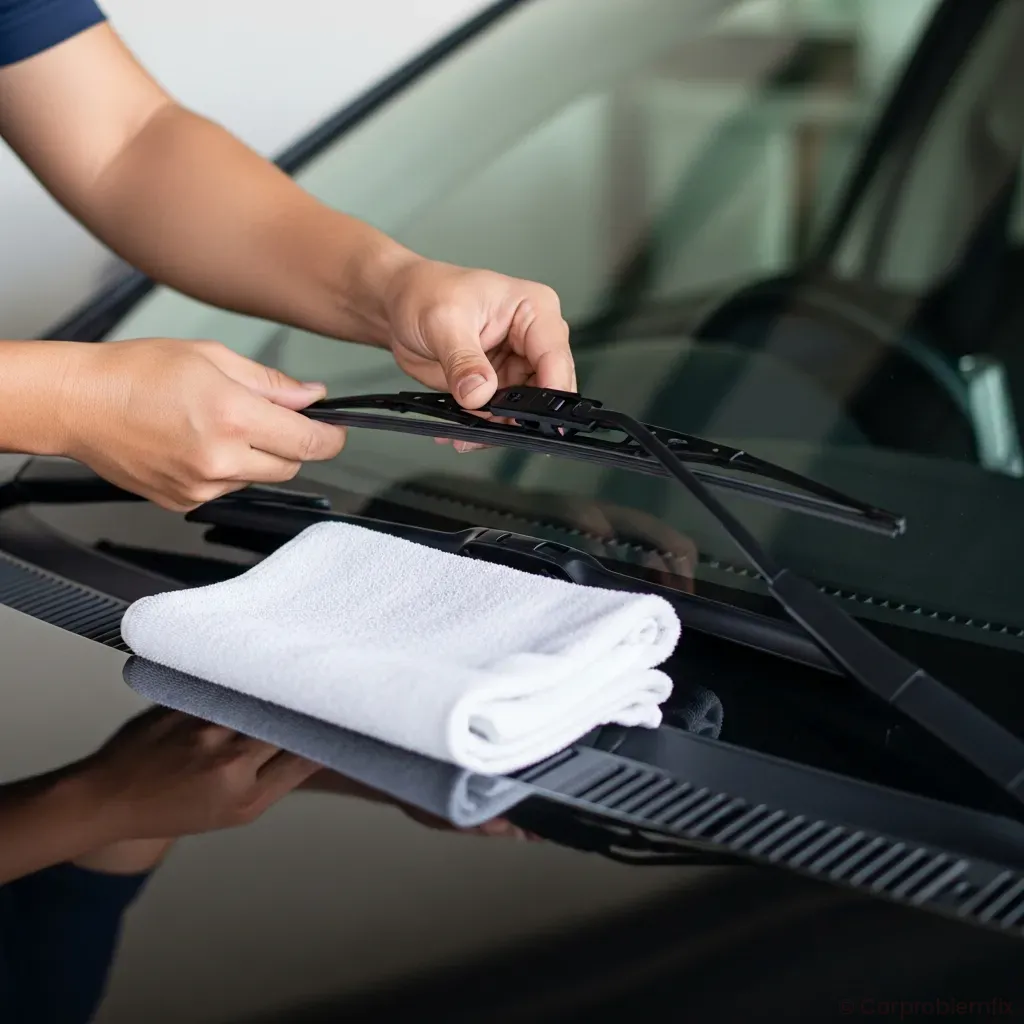
- Place a towel on the glass: Lay a folded towel on the windshield under the arm. If the arm accidentally snaps back, the towel can help prevent a cracked windshield.
Only work on one wiper at a time. That way, you can use the other side as a reference if you get confused about how the blade attaches.
2. Remove the Old Wiper Blade
- Locate the release tab or button: On hook-style arms, there’s usually a small plastic tab where the blade meets the arm.
- Press the tab: While pressing the tab, slide the old blade downward (toward the base of the arm) to unhook it. Then angle the blade and slide it off the hook.
- For side-lock or pin connectors: Look for a small button or clip on the side or top. Press or pry it gently (with your fingernail) while sliding the blade off. Follow the diagram on the new blade’s packaging if needed.
- Rest the arm back on the towel: Once the blade is off, carefully lower the bare metal arm onto the towel so it doesn’t fall and hit bare glass.
If the blade feels stuck, don’t yank hard. Double-check that you’re pressing the release in the right direction and sliding the blade the correct way according to the diagram on the packaging.
3. Attach the New Wiper Blade
- Confirm the correct adapter: Compare the new blade’s connector to the old one. If needed, snap in the appropriate adapter included in the package.
- Position the hook (for J-hook arms): Lift the arm off the towel and hold the new blade so the hook can slide into the opening on the blade’s connector.
- Slide and click: Pull the blade up into the hook until you hear or feel a click. Gently tug on the blade to confirm it’s locked in place.
- For side-lock or pin arms: Align the connector with the arm, slide it into place, and press until it clicks. Again, give it a light tug to ensure it’s secure.
- Lower the arm: Carefully lower the arm and new blade back onto the windshield.
Repeat the same process for the passenger side and rear wiper (if equipped), making sure you use the correct length for each position.
4. Test the New Wiper Blades
- Clean the windshield: Spray glass cleaner and wipe the glass, or use the washer fluid and old blades once more before removal if they still work.
- Turn on the ignition: Start the car or switch to accessory mode so the wipers can operate.
- Run the wipers with washer fluid: Activate the washer spray and let the wipers run for several passes. Watch for smooth, quiet motion and a clear, streak-free sweep.
- Check for loose attachment: If a blade looks crooked, wobbles, or feels loose, shut the wipers off and re-check the connector.
If you still see streaks after new blades, clean the glass thoroughly. Stubborn film from wax or road grime can require a dedicated glass cleaner or a second cleaning pass.
Common Beginner Mistakes (and How to Avoid Them)
Wiper replacement is simple, but there are a few easy mistakes that can cost you time or even a windshield.
- Letting the bare arm snap down: Always keep a towel on the glass and lower the arm gently. A metal arm hitting bare glass can crack or chip the windshield.
- Mixing up blade lengths: Don’t assume both front blades are the same size. Always match the new blade to the old one before installing, or follow the size chart exactly.
- Not locking the connector fully: If the blade doesn’t click or feel solid, remove it and try again. A loose blade can fly off while driving.
- Ignoring a bad wiper arm: If new blades still don’t sit flat or leave a big missed area, the arm itself may be bent or the spring may be weak. That usually calls for a new arm or professional inspection.
- Skipping regular replacement: Waiting until the blade is falling apart means you’ve been driving with poor visibility for months. Mark your calendar or set a reminder every 9–12 months.
Extra Tips to Make Your New Wiper Blades Last Longer
A few simple habits can extend the life of your new blades and keep your windshield clearer between replacements.
- Don’t run wipers on a dry windshield: Always use washer fluid first. Dry glass increases friction and wears the rubber faster.
- Lift wipers in snow and ice: In winter, lift the arms off the glass when heavy snow or freezing rain is expected. This helps prevent the blades from freezing to the windshield.
- Clear heavy snow by hand: Use a snow brush or soft scraper to remove thick snow and ice before running the wipers. Forcing blades through heavy buildup can bend the frame or damage the motor.
- Clean the rubber occasionally: Wipe the rubber edge with a damp cloth to remove dirt and road film. This can reduce streaking and noise.
- Use proper washer fluid: In cold climates, use winter-rated fluid to prevent freezing. Check your owner’s manual or resources like manufacturer maintenance guidance for fluid recommendations.
When Wiper Problems Mean Something Else Is Wrong
Sometimes, new blades don’t fix the issue. That can be a sign of a bigger problem that needs more than a quick DIY.
- Wipers stop mid-swipe or move slowly: This can point to a failing wiper motor, worn linkage, or electrical problem. If other electrical issues show up too, you may need deeper diagnosis similar to how you’d approach a misfire with an OBD2 Code P0300 diagnosis—systematic checks instead of guessing.
- Wipers only work on one speed: A faulty switch or resistor in the wiper system could be to blame. This is usually beyond basic DIY for beginners.
- Wipers don’t park correctly: If they stop in the middle of the windshield when turned off, the park mechanism in the motor assembly may be failing.
- Uneven contact even with new blades: If one part of the blade never touches the glass, the arm may be bent or the windshield may have damage or heavy pitting in that area.
If you notice any of these symptoms, a professional inspection is a good idea. The wiper system is critical for visibility, just like your brakes and lights.
Summary and Next Steps
DIY wiper blade replacement is one of the fastest, cheapest ways to improve your driving safety. With the right sizes, a towel, and about 10 minutes, most beginners can handle this job confidently.
If new blades don’t fix streaking, skipping, or odd wiper behavior, you may be dealing with a worn wiper arm, failing motor, or electrical issue that’s better handled by a trusted mechanic. Combine fresh wipers with regular windshield cleaning, proper washer fluid, and timely maintenance, and you’ll have a clear view of the road in nearly any weather.