When the check engine light comes on, most drivers feel the same thing: a mix of worry and confusion. The car still runs, nothing feels obviously broken, but that glowing light on the dash won’t go away. Ignoring it can turn a small, cheap fix into a big, expensive repair.
- 1. What the Check Engine Light Actually Means
- 2. Is It Safe to Drive With the Check Engine Light On?
- 3. Common Causes of a Check Engine Light
- 3.1. 1. Loose or Faulty Gas Cap
- 3.2. 2. Oxygen (O2) Sensor Problems
- 3.3. 3. Misfires (Spark, Fuel, or Compression Issues)
- 3.4. 4. Mass Air Flow (MAF) Sensor or Intake Air Issues
- 3.5. 5. Catalytic Converter Efficiency Problems
- 3.6. 6. Evaporative Emissions (EVAP) System Leaks
- 4. First Things to Do When the Check Engine Light Comes On
- 4.1. Step 1: Note How the Light Behaves and How the Car Feels
- 4.2. Step 2: Check the Gas Cap
- 4.3. Step 3: Read the Code With an OBD2 Scanner
- 5. Simple At-Home Checks Based on Common Codes
- 5.1. 1. Misfire Codes (P0300–P030X)
- 5.2. 2. Fuel System or Airflow Codes (MAF, Lean/Rich Codes)
- 5.3. 3. EVAP and Gas Cap-Related Codes
- 6. When You Should Go Straight to a Mechanic
- 7. Summary and Next Steps
This guide breaks down what the check engine light really means, the most common causes, when it’s safe to keep driving, and simple checks you can do at home before visiting a mechanic.
What the Check Engine Light Actually Means


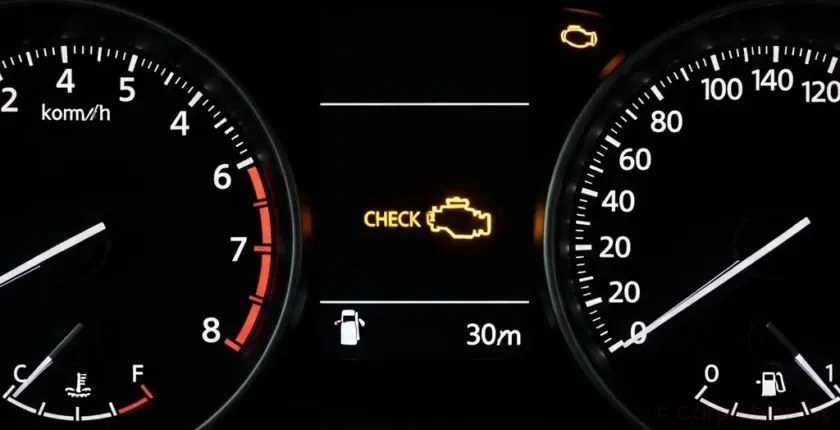
The check engine light (CEL), also called the malfunction indicator lamp (MIL), is part of your car’s onboard diagnostics (OBD2) system. The computer constantly monitors sensors and systems that affect emissions, fuel, and engine performance.
When something goes out of its normal range, the computer stores a fault code and turns on the light. That code doesn’t say “replace this exact part,” but it points to the system or area that needs diagnosis.
There are two main ways the light can behave:
- Solid (steady) check engine light: A non-urgent fault is detected. The car may still drive normally or with minor symptoms. You should diagnose it soon, but it’s usually not an immediate emergency.
- Flashing check engine light: The engine is misfiring badly enough to risk damage to the catalytic converter. This is urgent. You should reduce speed, avoid hard acceleration, and get the car checked immediately.
Understanding the difference between a steady and flashing light is the first step in deciding how urgently you need to act.
Is It Safe to Drive With the Check Engine Light On?
Whether it’s safe to keep driving depends on how the light behaves and how the car feels. Use this quick checklist to decide:
- Light is flashing: Treat this as an emergency. A flashing light usually means a severe misfire that can overheat and destroy the catalytic converter in minutes. Safely pull over, shut the engine off, and arrange a tow if the flashing continues.
- Light is steady, car drives normally: It’s usually safe to drive short distances, but you should diagnose the problem soon. Continuing to drive for weeks can lead to poor fuel economy, higher emissions, and possible long-term damage.
- Light is steady, but car runs poorly: If you notice rough running, loss of power, stalling, or new noises, limit driving. Get it checked as soon as possible to avoid being stranded or causing further damage.
- Other warning lights are on too: If the check engine light appears with oil pressure, temperature, or battery lights, stop driving and investigate immediately. Those other lights can indicate immediate mechanical or electrical danger.
If you’re ever unsure, it’s safer to have the car inspected rather than hoping the light will go away on its own.
Common Causes of a Check Engine Light
Modern cars can store hundreds of different fault codes, but a handful of issues account for a large percentage of check engine light problems. Here are some of the most common causes, what you might feel, and how urgent they are.
1. Loose or Faulty Gas Cap
The gas cap seals the fuel system so vapors don’t escape. If it’s loose, missing, or the seal is cracked, the evaporative emissions system detects a leak and turns on the light.
- Typical symptoms: Usually none. The car drives normally.
- Urgency: Low, but you should fix it to avoid emissions issues and fuel vapor loss.
- What to check: Make sure the cap is present, the seal isn’t torn, and it clicks several times when tightened.
2. Oxygen (O2) Sensor Problems
Oxygen sensors measure the amount of oxygen in the exhaust so the engine computer can fine-tune the air-fuel mixture. A failing O2 sensor can cause poor fuel economy and higher emissions.
- Typical symptoms: Slight drop in fuel economy, sometimes rough idle or hesitation, but often the car feels mostly normal.
- Urgency: Moderate. Driving for a long time with a bad O2 sensor can damage the catalytic converter and waste fuel.
3. Misfires (Spark, Fuel, or Compression Issues)
A misfire happens when one or more cylinders fail to burn the air-fuel mixture properly. This can be caused by worn spark plugs, bad ignition coils, fuel injector problems, or mechanical engine issues.
- Typical symptoms: Shaking at idle, loss of power, stumbling on acceleration, and sometimes a flashing check engine light.
- Urgency: High if the light is flashing, moderate if steady. Misfires can quickly damage the catalytic converter and, in severe cases, the engine itself.
- Related maintenance: If you haven’t changed spark plugs in a long time, consider a DIY spark plug replacement or having a shop inspect the ignition system.
4. Mass Air Flow (MAF) Sensor or Intake Air Issues
The MAF sensor measures how much air enters the engine. If it’s dirty or failing, the engine may run too rich (too much fuel) or too lean (too little fuel).
- Typical symptoms: Rough idle, hesitation, poor acceleration, or stalling. Fuel economy may drop.
- Urgency: Moderate to high, depending on how badly the car runs. Long-term driving with a bad MAF can foul spark plugs and damage the catalytic converter.
5. Catalytic Converter Efficiency Problems
The catalytic converter reduces harmful emissions. If it’s clogged or not working efficiently, the computer may set a code and turn on the light.
- Typical symptoms: Loss of power, especially at higher speeds, poor fuel economy, and sometimes a rotten egg smell from the exhaust.
- Urgency: High. A failing catalytic converter can eventually restrict exhaust flow so much that the car barely moves. It’s also an expensive part, so early diagnosis is important.
6. Evaporative Emissions (EVAP) System Leaks
The EVAP system captures fuel vapors from the tank and routes them to the engine to be burned. Small leaks from hoses, valves, or the charcoal canister can trigger the check engine light.
- Typical symptoms: Usually none noticeable while driving.
- Urgency: Low to moderate. It won’t usually leave you stranded, but it can cause your car to fail an emissions test and waste fuel vapors.
First Things to Do When the Check Engine Light Comes On
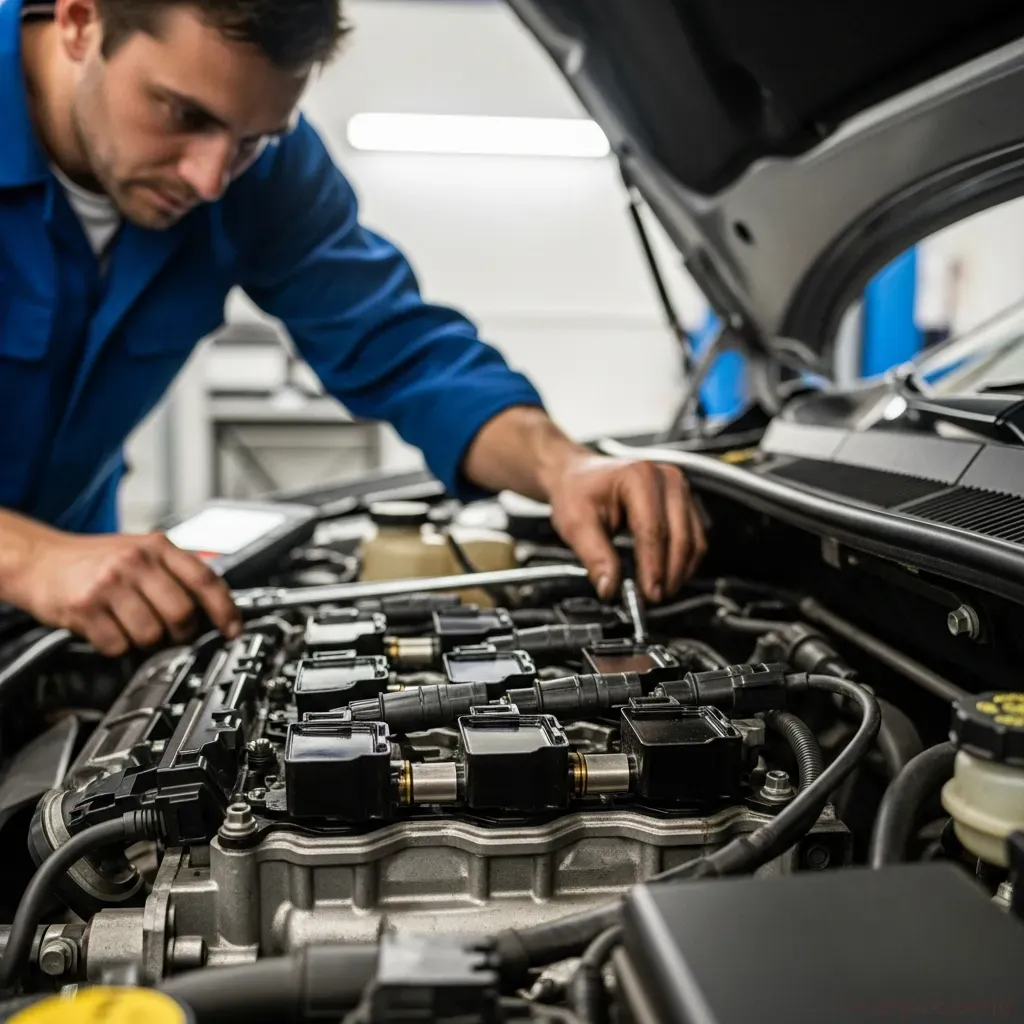
Before you panic or rush to a shop, there are a few simple checks you can do. These steps can save you time and money and sometimes fix the problem on the spot.
Step 1: Note How the Light Behaves and How the Car Feels
- Look at the light: Is it steady or flashing? A flashing light means you should stop driving as soon as it’s safe.
- Pay attention to symptoms: Do you feel shaking, loss of power, stalling, or new noises? If yes, avoid highway speeds and hard acceleration.
- Check other warning lights: If oil pressure, temperature, or battery lights are also on, shut the engine off and investigate those first.
Step 2: Check the Gas Cap
- Safely pull over: If you’re driving, pull into a safe parking area.
- Inspect the gas cap: Make sure it’s present, not cross-threaded, and the rubber seal isn’t cracked or missing.
- Tighten it properly: Turn the cap until it clicks several times. A loose cap is one of the simplest and most common causes of a check engine light.
- Drive normally: It can take several drive cycles (start, drive, shut off) for the light to turn off if the gas cap was the only issue.
Step 3: Read the Code With an OBD2 Scanner
Every car sold in the U.S. and many other markets since the mid-1990s has an OBD2 port, usually under the dashboard near the steering column. You can plug in a simple code reader or Bluetooth scanner to see what the computer is complaining about.
- Get access to a scanner: Many auto parts stores will read codes for free, or you can buy an inexpensive OBD2 scanner to keep in your glove box.
- Locate the OBD2 port: Look under the dash on the driver’s side. It’s a trapezoid-shaped connector.
- Turn the key to ON: Usually you don’t need the engine running, just the ignition on.
- Read and record the codes: The scanner will show codes like P0301 or P0420. Write them down along with any “pending” codes.
- Look up basic meanings: Use the scanner’s built-in descriptions or a reputable repair manual to understand which system is affected.
Knowing the exact code is far more useful than guessing based on symptoms alone. For example, P0300 indicates a random misfire, while P0301 points to a misfire on cylinder 1.
Simple At-Home Checks Based on Common Codes
Once you have the code, you can decide whether it’s something you can safely monitor, attempt yourself, or hand off to a professional. Here are some basic checks many beginners can handle.
1. Misfire Codes (P0300–P030X)
Misfire codes are serious because they can quickly damage the catalytic converter. If the light is flashing or the engine runs very rough, avoid driving and consider a tow.
- Check for obvious issues: Open the hood (engine off) and look for loose or disconnected ignition coil connectors, damaged spark plug wires (on older cars), or anything clearly out of place.
- Listen at idle: If the engine shakes or the exhaust note sounds uneven, misfires are likely active.
- Review maintenance history: If spark plugs are overdue, they may be the root cause. A proper spark plug replacement can often cure mild misfires.
- Don’t ignore it: Even if the car is still drivable, schedule diagnosis soon. Misfires can lead to costly catalytic converter or engine damage.
2. Fuel System or Airflow Codes (MAF, Lean/Rich Codes)
Codes related to the mass air flow sensor or lean/rich conditions often point to airflow or vacuum issues.
- Inspect the air intake: With the engine off, check that the air filter box is closed properly and the intake tube from the air box to the throttle body isn’t cracked or disconnected.
- Look for loose hoses: Vacuum hoses that have slipped off or cracked can cause lean codes and rough running.
- Check the air filter: A severely clogged air filter can contribute to poor performance. If it’s filthy, replace it.
3. EVAP and Gas Cap-Related Codes
EVAP codes often sound more serious than they are. They usually relate to small leaks in the fuel vapor system.
- Re-check the gas cap: Even if you tightened it, inspect the seal closely. If it’s hard, cracked, or missing chunks, replace the cap.
- Look for obvious damage: Without crawling under the car, you can sometimes see damaged hoses near the fuel filler neck or under the rear of the car. Don’t smoke or use open flames near the fuel system.
- Be patient: After fixing a loose cap, the light may take a few days and several trips to reset itself.
When You Should Go Straight to a Mechanic
DIY checks are helpful, but some situations call for professional tools and experience. Plan to see a mechanic promptly if:
- The check engine light is flashing and the car runs rough or has a strong fuel smell from the exhaust.
- You have repeated misfire codes even after basic checks and recent ignition maintenance.
- The car has severe loss of power, stalling, or hesitation that makes driving unpredictable or unsafe.
- Multiple systems are affected (for example, engine codes plus ABS or transmission issues).
- You’re due for other major work like brakes, suspension, or an alignment issue such as a car pulling to one side, and want a full inspection at the same time.
A good shop will use advanced scan tools, smoke machines for EVAP leaks, and live data to pinpoint the problem instead of just guessing at parts.
Summary and Next Steps
A check engine light doesn’t automatically mean your car is about to fail, but it also isn’t something to ignore. Understanding the difference between a steady and flashing light, checking the gas cap, and reading the OBD2 code will help you make smart decisions.
If the car drives normally and the light is steady, you can usually drive short distances while you plan diagnosis. If the light flashes, the car runs poorly, or you’re unsure what the code means, schedule a professional inspection as soon as possible. A little attention now can prevent much bigger repair bills later.