
When an automatic transmission starts slipping, you usually feel it before you see any warning light. The engine revs higher than normal, the car hesitates, or it suddenly bangs into gear. Ignoring these early signs can turn a minor issue into a full transmission rebuild.
- 1. What Is Transmission Slipping?
- 2. Main Causes of a Slipping Automatic Transmission
- 2.1. 1. Low or Incorrect Transmission Fluid
- 2.2. 2. Worn Clutches or Bands
- 2.3. 3. Faulty Shift Solenoids or Valve Body Issues
- 2.4. 4. Torque Converter Problems
- 2.5. 5. Transmission Control Module (TCM) or Sensor Issues
- 2.6. 6. Overheating and Heavy Loads
- 3. Step-by-Step Diagnosis of a Slipping Transmission
- 3.1. Step 1: Confirm the Symptom
- 3.2. Step 2: Check Transmission Fluid Level and Condition
- 3.3. Step 3: Look for Leaks
- 3.4. Step 4: Scan for Diagnostic Trouble Codes
- 3.5. Step 5: Evaluate Driving History and Load
- 3.6. Step 6: Decide if It’s Safe to Drive
- 4. DIY-Friendly Fixes for Mild Transmission Slipping
- 4.1. 1. Correct Low Fluid Level (Short-Term Only)
- 4.2. 2. Transmission Fluid and Filter Change
- 4.3. 3. Address Cooling and Overheating Issues
- 5. When You Likely Need Professional Help or a Rebuild
- 5.1. Signs of Internal Damage
- 5.2. Electronic and Valve Body Issues
- 5.3. Considering Vehicle Age and Value
- 6. How to Prevent Transmission Slipping in the Future
- 7. Summary and Next Steps
This guide explains what transmission slipping actually is, the most common causes, how to diagnose it step by step, and which fixes you can realistically do yourself before the damage becomes permanent.
What Is Transmission Slipping?
“Slipping” means the transmission is not firmly transferring engine power to the wheels. Instead of a solid, direct feel, the engine revs rise but vehicle speed does not increase as it should. It can happen in one gear, multiple gears, or only under certain conditions such as hills or heavy throttle.
Common symptoms of a slipping automatic transmission include:
- Engine RPM flares up during acceleration without a matching increase in speed.
- Delayed or soft shifts that feel mushy or drawn out.
- Sudden harsh engagement after a moment of slipping.
- Transmission seems to “hunt” between gears or won’t stay in gear.
- Burning smell from hot or overheated transmission fluid.
- Check Engine Light or transmission warning light on some vehicles.
Slipping is always a sign of lost grip inside the transmission: clutches, bands, or torque converter are not holding like they should. The earlier you address it, the better your chances of avoiding a full replacement.
Main Causes of a Slipping Automatic Transmission
Several issues can cause or worsen transmission slipping. Some are simple and cheap to fix, others are signs of serious internal wear.
1. Low or Incorrect Transmission Fluid
Automatic transmissions rely on fluid for hydraulic pressure, lubrication, and cooling. If the fluid is low, aerated (foamy), or the wrong type, the clutches and bands cannot apply firmly, leading to slipping.
- Low fluid level: Often due to leaks at cooler lines, pan gasket, axle seals, or the front pump seal.
- Wrong fluid type: Using a universal or incorrect spec fluid can change friction characteristics and cause slipping or harsh shifts.
- Old, burnt fluid: Dark, burnt-smelling fluid means the clutches have been overheating and wearing.
2. Worn Clutches or Bands
Inside the transmission, multiple clutch packs and sometimes bands hold rotating components to create each gear. Over time, their friction material wears down, especially if the vehicle has towed heavy loads, overheated, or gone too long between fluid changes.
- Slipping may start only in one gear (often higher gears) and gradually get worse.
- You may feel a flare in RPM during specific shifts, like 2–3 or 3–4.
- Once friction material is badly worn, a rebuild or replacement is usually the only fix.
3. Faulty Shift Solenoids or Valve Body Issues
Modern automatics use electronically controlled solenoids to route fluid through the valve body. If a solenoid sticks or fails, or if the valve body passages are gummed up, the transmission may not get full hydraulic pressure to the right clutch packs.
- Slipping or flare during specific shifts.
- Harsh or erratic shifting.
- Often accompanied by transmission-related diagnostic trouble codes (DTCs).
4. Torque Converter Problems
The torque converter connects the engine to the transmission and multiplies torque. Inside it are a lockup clutch and fluid coupling. If the lockup clutch slips or the converter is failing, you may feel shudder, slipping at highway speeds, or overheating.
- RPM jumps or fluctuates at steady highway speeds.
- Shudder or vibration when the converter tries to lock.
- Overheating and dark fluid if slipping continues.
5. Transmission Control Module (TCM) or Sensor Issues
The TCM uses data from sensors (throttle position, vehicle speed, transmission temperature, etc.) to command shifts. If a sensor feeds bad data or the TCM itself has a fault, it can command wrong line pressure or shift timing that feels like slipping.
- Erratic or unpredictable shift timing.
- Transmission goes into limp mode (stuck in one gear).
- Multiple DTCs stored in the engine or transmission control system.
6. Overheating and Heavy Loads
Towing, mountain driving, or stop-and-go traffic can overheat the transmission, especially if the fluid is old or the cooler is partially blocked. Heat thins the fluid and accelerates clutch wear, which quickly leads to slipping.
- Transmission temperature warning light on some vehicles.
- Burning smell after towing or long hill climbs.
- Slipping that appears when hot but improves when cool.
Step-by-Step Diagnosis of a Slipping Transmission
Before assuming you need a new transmission, follow this structured checklist. Some steps are easy DIY tasks; others may require a scan tool or shop visit.
Step 1: Confirm the Symptom
- Test drive in a safe area. From a stop, accelerate gently and then more firmly. Note when the RPM flares or the car hesitates.
- Check multiple gears. Try light and moderate throttle, and if safe, a highway merge. Pay attention to which shift (1–2, 2–3, 3–4, etc.) feels like it is slipping.
- Note temperature effects. Does it slip only when hot, only when cold, or all the time?
Write down your observations. A shop can use this information to pinpoint which clutch pack or control system might be involved.
Step 2: Check Transmission Fluid Level and Condition
This is the simplest and most important check. Procedures vary by vehicle, so always confirm the method in your owner’s manual.
- Warm up the vehicle. Drive 10–15 minutes so the transmission reaches normal operating temperature.
- Park on level ground. Set the parking brake and leave the engine idling unless your manual specifies otherwise.
- Locate the dipstick (if equipped). Many older automatics have a dipstick; some newer units are “sealed” and require a fill plug check.
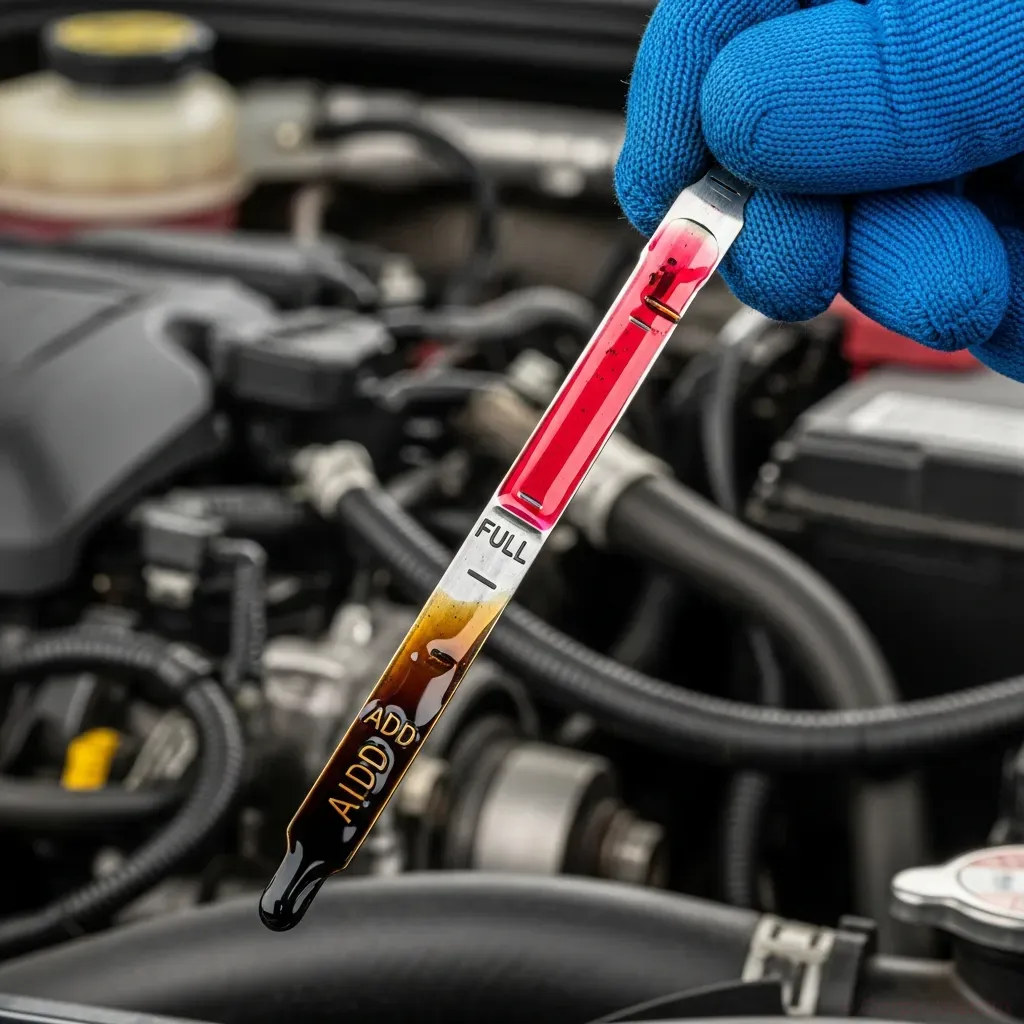
- Check the level. Wipe the dipstick, reinsert, then pull it again. The fluid should be within the “HOT” or operating range marks.
- Inspect color and smell. Healthy fluid is generally red or amber and smells slightly sweet. Dark brown or black fluid with a burnt smell is a warning sign.
If the fluid is low, you likely have a leak. If it is burnt or full of debris, internal wear is already happening.
Step 3: Look for Leaks
- Inspect under the vehicle. Look for red or brown oily spots under the transmission area.
- Check the pan and cooler lines. Examine the transmission pan gasket, cooler lines to the radiator, and axle seals for wetness.
- Check around the bellhousing. Fluid at the front of the transmission may indicate a front pump or torque converter seal leak.
Any active leak should be repaired before simply topping off fluid, or the slipping will return and may worsen.
Step 4: Scan for Diagnostic Trouble Codes
Even if the Check Engine Light is off, the TCM may have stored codes related to solenoids, pressure control, or slipping.
- Use an OBD2 scanner. Plug into the OBD2 port and scan for engine and transmission codes.
- Record any codes. Codes related to shift solenoids, pressure control solenoids, or gear ratio errors (for example, incorrect gear ratio) are important clues.
- Do not clear codes yet. Keep them stored until you or a shop completes diagnosis.
If you are already familiar with scan tools from other issues like a car that won’t start after sitting overnight, the process is similar: gather data first, then decide on repairs.
Step 5: Evaluate Driving History and Load
Consider how the vehicle has been used:
- Has it towed near or above its rated capacity?
- Does it frequently drive in hot, hilly conditions?
- Has the fluid ever been changed, and at what mileage?
Heavy use plus long intervals between fluid changes strongly point toward internal wear rather than a simple electronic issue.
Step 6: Decide if It’s Safe to Drive
Continuing to drive with a slipping transmission can quickly turn a repairable problem into a complete failure.
- Unsafe to drive: Severe slipping, delayed engagement, or the vehicle barely moves.
- Drive with caution: Mild slipping only under heavy throttle, no burning smell, and fluid level is correct.
- Best practice: Limit driving and schedule diagnosis soon, especially if you notice worsening symptoms.
DIY-Friendly Fixes for Mild Transmission Slipping
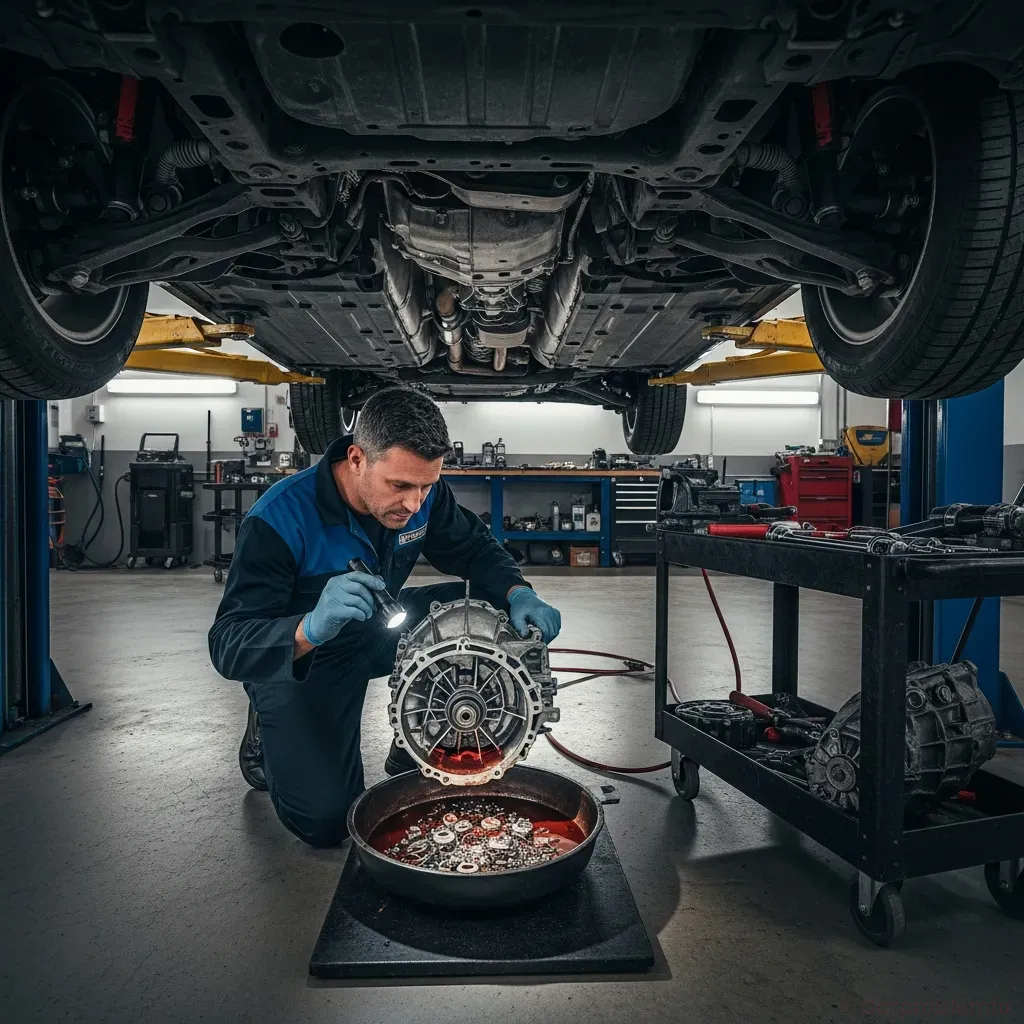
Not every slipping issue requires a full rebuild. If you catch it early and the cause is minor, some fixes are realistic for a careful DIYer.
1. Correct Low Fluid Level (Short-Term Only)
- Identify the correct fluid. Check your owner’s manual for the exact specification; do not guess or rely solely on generic labels.
- Add fluid slowly. With the engine idling and transmission in Park (or as specified), add small amounts through the dipstick tube, rechecking the level each time.
- Do not overfill. Overfilling can cause foaming and additional slipping.
This is a temporary fix. You still need to find and repair the leak, or you risk repeat slipping and internal damage.
2. Transmission Fluid and Filter Change
If the fluid is old but not completely burnt, a fluid and filter service may improve shift quality and reduce mild slipping. Be cautious on very high-mileage transmissions that have never been serviced; sudden changes in fluid friction can sometimes reveal existing wear.
- Gather parts and tools. Correct fluid, pan gasket, filter, torque wrench, drain pan, and basic hand tools.
- Drain the fluid. Remove the pan bolts carefully and lower the pan. Expect a mess; work slowly.
- Inspect the pan. A light coating of fine gray sludge on the magnet is normal. Large metal chunks or thick sludge indicate serious wear.
- Replace the filter and gasket. Install the new filter and a new pan gasket, then torque the pan bolts to spec in a crisscross pattern.
- Refill with fresh fluid. Add the specified amount, then start the engine, shift through all gears, and recheck the level.
If slipping improves noticeably after a fluid and filter change, you may have caught the problem early. Still, monitor closely for any return of symptoms.
3. Address Cooling and Overheating Issues
If your slipping only appears when hot, improving cooling can help:
- Clean bugs and debris from the radiator and transmission cooler.
- Ensure the engine cooling system is healthy; an overheating engine often means an overheating transmission.
- Consider an auxiliary transmission cooler if you tow regularly and your vehicle supports it.
Reducing operating temperature slows further wear and can prevent mild slipping from getting worse.
When You Likely Need Professional Help or a Rebuild
Some slipping problems are beyond DIY. In these cases, a transmission specialist or reputable general shop is your best option.
Signs of Internal Damage
- Severe slipping in multiple gears, especially when hot.
- Burnt, black fluid with a strong burnt odor.
- Metal shavings or chunks in the transmission pan.
- Repeated slipping even after correcting fluid level and condition.
These signs usually mean worn clutches, damaged bands, or internal hard-part damage. A rebuild or replacement transmission is often the only durable fix.
Electronic and Valve Body Issues
If your scan shows solenoid or pressure control codes, or slipping tied to specific gears, a shop can perform advanced tests:
- Line pressure tests to verify the pump and pressure control system.
- Solenoid actuation tests and electrical checks.
- Valve body inspection and cleaning or replacement.
These tasks require specialized tools and knowledge. Attempting them without experience can easily make things worse.
Considering Vehicle Age and Value
A full transmission replacement can cost more than the value of an older car. In that case, you may be better off replacing the vehicle rather than the transmission.
If you decide to move on from a car with major transmission issues, use a solid guide like How to Choose a Safe, Reliable Family Car in 2025 to avoid buying someone else’s transmission problems.
How to Prevent Transmission Slipping in the Future
Preventive care is far cheaper than a rebuild. A few habits and maintenance steps can dramatically extend transmission life.
- Follow fluid change intervals. Use the manufacturer’s recommended schedule and fluid type.
- Check fluid periodically. A quick level and condition check every few oil changes can catch leaks early.
- Respect tow and payload ratings. Overloading is a fast way to cook a transmission.
- Use tow/haul mode when equipped. It optimizes shift strategy and reduces heat when towing or hauling.
- Fix cooling issues promptly. Overheating the engine often means overheating the transmission too.
Good driving habits and timely maintenance are your best defense against slipping and early failure.
Summary and Next Steps
A slipping automatic transmission is a warning you should never ignore. Start with basic checks: confirm the symptom, inspect fluid level and condition, look for leaks, and scan for codes. Mild slipping caused by low or old fluid can sometimes be improved with careful DIY service.
If you find burnt fluid, metal debris, or severe slipping in multiple gears, plan on professional diagnosis and likely a rebuild or replacement. Limit driving until you know what you are dealing with. With early action and smart decisions, you can either save your current transmission or make an informed choice about your next vehicle.