Steering Wheel Vibrations, Noises, and Handling Problems — Complete Diagnosis & Fixes (Ultimate Guide)
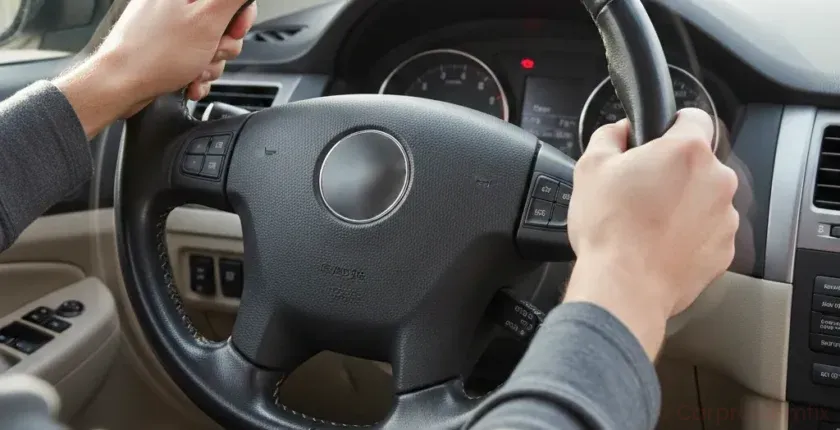
Modern vehicles rely on a precise and responsive steering system to maintain stability and control. When the steering wheel begins to vibrate, wobble, produce noises, or behave unpredictably, it signals that a mechanical or electrical issue exists somewhere in the vehicle. This guide serves as a comprehensive master resource covering...

- 1. 1. Steering Wheel Vibrations While Braking
- 1.1. 1.1 Warped Brake Rotors
- 1.2. 1.2 Uneven Brake Pad Material Transfer
- 1.3. 1.3 Sticking or Seizing Brake Caliper
- 1.4. 1.4 Worn Suspension Components
- 1.5. 1.5 Steering Rack Bushing Wear
- 2. 2. Steering Wheel Vibrations at High Speed (No Braking Involved)
- 2.1. 2.1 Wheel Imbalance
- 2.2. 2.2 Bad or Damaged Tires
- 2.3. 2.3 Worn Suspension Bushings or Joints
- 2.4. 2.4 Bent or Damaged Wheel Hub
- 3. 3. Steering Wheel Vibrates While Idling
- 3.1. 3.1 Broken or Worn Engine Mounts
- 3.2. 3.2 Engine Misfire or Rough Idle
- 3.3. 3.3 Low Oil Pressure at Idle
- 3.4. 3.4 Electrical or Charging System Problems
- 4. 4. Steering Wheel Makes Noise While Turning
- 5. 5. Steering Wheel Noises While Turning
- 5.1. 5.1 Clunking or Popping Noise While Turning
- 5.2. 5.2 Grinding Noise While Turning
- 5.3. 5.3 Squeaking or Creaking Noise While Turning
- 6. 6. Steering Wheel Feels Loose or Has Excessive Play
- 6.1. 6.1 Worn Tie Rod Ends
- 6.2. 6.2 Worn Steering Rack or Rack Bushings
- 6.3. 6.3 Worn Control Arm Bushings
- 7. 7. Car Pulls to One Side While Driving
- 8. 8. Wobbling, Shuddering, or Oscillation at Specific Speeds
- 8.1. 8.1 Wheel Balance Problems
- 8.2. 8.2 Tire Belt Separation or Internal Tire Damage
- 8.3. 8.3 Worn or Damaged CV Joints
- 9. 9. Full Diagnostic Framework (Step-by-Step)
- 9.1. Step 1 — Determine When the Vibration Occurs
- 9.2. Step 2 — Inspect Tires and Wheels
- 9.3. Step 3 — Inspect Brakes
- 9.4. Step 4 — Check Suspension and Steering Components
- 9.5. Step 5 — Inspect Engine and Transmission Mounts
- 9.6. Step 6 — Scan for Engine or Transmission Codes
- 9.7. Step 7 — Inspect Power Steering System and Steering Rack
- 10. 10. Danger Signs — When You Should Stop Driving Immediately
- 10.1. 10.1 Sudden, Severe Steering Wheel Shake
- 10.2. 10.2 Loud Grinding or Metal-on-Metal Sounds
- 10.3. 10.3 Steering Wheel Locks or Feels Jammed
- 10.4. 10.4 Burning Smell or Smoke During Braking
- 11. 11. Repair Cost Overview
- 12. 12. Advanced Diagnosis Table (Symptoms → Likely Cause → Fix)
- 13. 13. Internal Anchor Index (Links Used in This Hub)
- 14. 14. Conclusion
Modern vehicles rely on a precise and responsive steering system to maintain stability and control. When the steering wheel begins to vibrate, wobble, produce noises, or behave unpredictably, it signals that a mechanical or electrical issue exists somewhere in the vehicle.
This guide serves as a comprehensive master resource covering every common steering-related symptom, including:
Vibrations during braking
Vibrations at high speeds
Shaking at idle
Noises while turning
Steering looseness or instability
Pulling to one side
Wobbling or oscillations

Each section includes internal links to detailed troubleshooting guides where you can find deeper explanations and repair steps.
1. Steering Wheel Vibrations While Braking
A steering wheel that shakes only when braking is most often suffering from brake-related or front-suspension issues. Below are the major causes and the in-depth articles you can reference for full diagnostics.
1.1 Warped Brake Rotors
Warped rotors are by far the most common reason the steering wheel shakes during braking, especially from speeds above 40 mph.
Relevant articles:
Typical symptoms:
Shake increases the harder you brake
Vibration felt primarily in the steering wheel, not the pedal
Often worse after repeated highway braking
Fix:
Resurface or replace rotors
Replace brake pads
Re-torque wheels to correct specification
1.2 Uneven Brake Pad Material Transfer
Low-quality or overheated pads can transfer inconsistent amounts of material onto the rotor, creating an uneven braking surface.
Supporting guide:
Fix:
Clean rotor surface
Install high-quality ceramic pads
Ensure proper bed-in procedure
1.3 Sticking or Seizing Brake Caliper
A caliper that does not slide freely can drag one wheel harder than the other, causing steering shake during braking.
Symptoms:
Vehicle pulls to one side
Burning smell after driving
One wheel hotter than the others
Fix:
Clean and lubricate caliper slide pins
Rebuild or replace the caliper
Replace overheated pads/rotors if necessary
1.4 Worn Suspension Components
Even if the brakes are perfect, worn suspension parts can introduce instability that becomes noticeable during braking.
Components to inspect:
Control arm bushings
Lower ball joints
Tie rod ends
Useful related guides:
Fix:
Replace worn components
Perform alignment after repair
1.5 Steering Rack Bushing Wear
Though less common, worn steering rack bushings can allow excessive rack movement when braking forces are applied.
Fix:
Replace rack bushings
Inspect power steering system for leaks and proper fluid level
2. Steering Wheel Vibrations at High Speed (No Braking Involved)
If the steering wheel shakes only while driving, not while braking, the likely causes are tire, wheel, or suspension related.
2.1 Wheel Imbalance
The primary cause of high-speed steering vibration.
Detailed guide:
Fix:
Dynamic wheel balancing
Verify no bent wheel rims
2.2 Bad or Damaged Tires
Common issues include:
Flat spots
Separated belts
Uneven wear
Aging rubber
Supporting article:
Fix:
Replace affected tire(s)
Check tire pressure regularly
Rotate tires on schedule
2.3 Worn Suspension Bushings or Joints
Loose or worn suspension components can introduce vibration even at moderate speeds.
Related article:
Fix:
Replace worn bushings
Inspect ball joints and sway bar components
2.4 Bent or Damaged Wheel Hub
Severe pothole impacts can deform the wheel hub, creating persistent steering vibration.
Fix:
Replace hub assembly
Rebalance wheels afterward
3. Steering Wheel Vibrates While Idling
A shaking steering wheel at idle is almost always caused by engine problems, not steering issues.
3.1 Broken or Worn Engine Mounts
Failed motor mounts cannot dampen engine vibrations, transferring the shake into the steering column.
Detailed guide:
Fix:
Replace broken mounts
3.2 Engine Misfire or Rough Idle
Cylinder misfires cause pronounced shaking even when stationary.
Diagnostic guide:
Fix:
Replace spark plugs, coils, or injectors depending on diagnosis
3.3 Low Oil Pressure at Idle
Low oil pressure increases engine vibration and can lead to severe damage.
Guide:
Fix:
Verify oil level
Inspect oil pump
Replace worn bearings (if severe)
3.4 Electrical or Charging System Problems
Low voltage from a failing alternator or weak battery can produce unstable idle RPM.
Supporting articles:
4. Steering Wheel Makes Noise While Turning
Noise while turning is typically related to the steering or suspension system.
Detailed guide:
Common causes:
Low power steering fluid
Worn tie rods
Damaged ball joints
Failing strut mount bearings
Worn steering rack bushings
Fix:
Inspect the power steering system
Replace worn joints
Lubricate or replace components as needed
5. Steering Wheel Noises While Turning
A steering wheel that makes noise when turning typically indicates worn or dry components within the steering or suspension system. The type of sound usually helps identify the failing part.
5.1 Clunking or Popping Noise While Turning
Clunking or popping noises during low-speed turns usually point to components that have developed excessive play.
Possible causes include:
Worn inner or outer tie rod ends
Worn lower or upper ball joints
Failing CV joints (especially on front-wheel-drive vehicles)
Loose steering rack mounting bushings
Full noise-diagnosis guide:
Fixes:
Replace worn joints
Inspect and tighten steering rack mounts
Replace damaged CV axles
5.2 Grinding Noise While Turning
Grinding sounds occur when metal contacts metal, often indicating a component has failed completely or lubrication has been lost.
Common sources:
Bad wheel bearing
Brake dust shield rubbing against rotor
Worn strut mount bearings
Dry intermediate steering shaft
Supporting article:
Fixes:
Replace the failing wheel bearing
Realign or replace brake shield
Lubricate intermediate steering shaft
Replace strut mount bearing plates
5.3 Squeaking or Creaking Noise While Turning
Squeaking often indicates dry rubber bushings or worn suspension joints.
Possible causes:
Dry control arm bushings
Worn sway bar bushings
Worn ball joints with torn boots
Fix:
Lubricate bushings or replace if cracked
Replace failing ball joints
6. Steering Wheel Feels Loose or Has Excessive Play
Loose steering is one of the most dangerous steering-related symptoms because it directly affects driver control. If the wheel feels soft, delayed, imprecise, or has noticeable free play, inspect the following:
6.1 Worn Tie Rod Ends
The tie rods connect the steering rack to the wheels. When they develop play, the steering becomes unstable.
Symptoms:
Steering feels delayed or “floaty”
Excessive on-center play
Uneven tire wear
Clicking noise when turning
Fix:
Replace inner or outer tie rod ends
Perform wheel alignment afterward
6.2 Worn Steering Rack or Rack Bushings
A worn steering rack introduces clunking noises, inconsistent steering feel, and wandering at higher speeds.
Fixes:
Replace steering rack bushings
Rebuild or replace rack if internal play is present
6.3 Worn Control Arm Bushings
Control arm bushings stabilize the wheel hub. When worn, they cause sloppy and unpredictable steering behavior.
Supporting article:
Fix:
Replace control arm bushings
Tighten suspension bolts with the vehicle on the ground
7. Car Pulls to One Side While Driving
If the vehicle drifts or pulls to the left or right without steering input, the steering and suspension geometry is compromised.
Full guide:
Common causes:
Incorrect wheel alignment
Uneven tire pressure
Worn tie rods or ball joints
Stuck or dragging brake caliper
Bent suspension components
Uneven tire wear patterns
Fixes:
Perform four-wheel alignment
Adjust tire pressure
Replace seized brake calipers
Replace damaged components
8. Wobbling, Shuddering, or Oscillation at Specific Speeds
Steering wobble that occurs at certain speeds is almost always linked to imbalance or structural deformation.
8.1 Wheel Balance Problems
Unbalanced wheels create rhythmic vibration between 55–75 mph.
Related articles:
Fixes:
Dynamic balancing
Check for bent wheel lips
Inspect tire tread for cupping
8.2 Tire Belt Separation or Internal Tire Damage
Tire belt separation is extremely dangerous. It can cause wobbling, vibration, and sudden blowouts.
Symptoms:
Vehicle “hops” or wobbles
Vibration changes depending on speed
Visible bulge on the tire
Fix:
Replace the tire immediately
8.3 Worn or Damaged CV Joints
Failing CV joints cause vibration under acceleration and occasional steering shake at speed.
Fix:
Replace CV axle assembly
Inspect for torn CV boots
9. Full Diagnostic Framework (Step-by-Step)
This framework helps pinpoint the root cause of any steering vibration or noise issue.
Step 1 — Determine When the Vibration Occurs
Only while braking
Only at highway speeds
Only while turning
At idle
Randomly or intermittently
Each pattern maps to a section within this hub.
Step 2 — Inspect Tires and Wheels
Check the following:
Tire pressure consistency
Uneven wear patterns
Flat spots or cupping
Belt separation bulges
Bent wheel rims
Step 3 — Inspect Brakes
If the issue happens under braking, inspect:
Rotor thickness variation
Pad material transfer spots
Sticking calipers
Damaged brake hardware
In-depth braking vibration guides:
Step 4 — Check Suspension and Steering Components
Inspect these parts for excessive wear or play:
Inner and outer tie rod ends
Lower and upper ball joints
Control arm bushings
Strut mounts
Sway bar links and bushings
Step 5 — Inspect Engine and Transmission Mounts
If the vibration occurs at idle, reference:
Step 6 — Scan for Engine or Transmission Codes
Misfires, vacuum leaks, and low idle conditions can all cause steering vibration.
Related diagnostic guide:
Step 7 — Inspect Power Steering System and Steering Rack
If the noise happens during turning:
Low power steering fluid
Air in the system
Worn rack bushings
Failing pump
Reference:
10. Danger Signs — When You Should Stop Driving Immediately
Some steering symptoms indicate serious mechanical failure that can lead to loss of control.
Stop driving if you experience any of the following:
10.1 Sudden, Severe Steering Wheel Shake
If the wheel shakes violently at any speed, especially above 40 mph, you may have:
Tire belt separation
A failing wheel bearing
A severely bent wheel
A loose suspension component
These can cause the wheel to detach or the vehicle to lose control.
10.2 Loud Grinding or Metal-on-Metal Sounds
Grinding indicates that:
A wheel bearing is failing
A brake rotor is contacting metal
A suspension part has collapsed
Immediate inspection is required.
10.3 Steering Wheel Locks or Feels Jammed
If the wheel becomes difficult to turn or locks:
Power steering failure
Rack-and-pinion seizure
Internal steering column issue
This is unsafe to drive.
10.4 Burning Smell or Smoke During Braking
This indicates:
A seized brake caliper
Severely overheated rotors
Potential brake system failure
Stop the vehicle and allow brakes to cool.
11. Repair Cost Overview
Below is a realistic cost breakdown for common steering and vibration-related repairs (US averages).
| Repair Item | Typical Cost Range |
|---|---|
| Wheel balancing | $40–$100 |
| Tire replacement (each) | $120–$250 |
| Brake rotor replacement (pair) | $150–$350 |
| Brake pad replacement (all four) | $150–$300 |
| Caliper replacement (each) | $120–$250 |
| Ball joint replacement | $150–$400 |
| Tie rod end replacement | $120–$250 |
| Control arm replacement | $250–$600 |
| Wheel bearing replacement | $250–$450 |
| Steering rack replacement | $900–$2,000 |
| Engine mount replacement | $200–$500 |
| CV axle replacement | $180–$400 |
These ranges help readers understand the seriousness of each issue and increase the trustworthiness of the page.
12. Advanced Diagnosis Table (Symptoms → Likely Cause → Fix)
| Symptom | Likely Cause | Guide |
|---|---|---|
| Steering wheel vibrates only when braking | Warped rotors, uneven pad transfer | Steering Wheel Vibration While Braking |
| Steering wheel vibrates at highway speeds | Wheel imbalance, bad tires | Car Vibrates Only at Highway Speeds |
| Vibration at idle | Engine mounts, misfire, low oil pressure | Car Vibrates at Idle but Smooths Out While Driving |
| Noise while turning | Worn tie rods, ball joints, strut mounts | Car Makes Noise When Turning Steering Wheel |
| Car pulls to one side | Alignment, caliper drag, uneven tire pressure | Car Pulls to One Side While Driving |
| Grinding noise when braking | Worn pads, metal-to-metal contact | Car Makes Grinding Noise When Braking |
| Engine error codes + vibration | Misfire, failing sensors | P0300 Random Misfire Guide |
| Rattling over bumps | Control arm bushings, sway bar links | Car Rattling Noise Over Bumps |
13. Internal Anchor Index (Links Used in This Hub)
Referenced internal articles:
Steering Wheel Vibration While Braking
Steering Wheel Shakes When Braking
Steering Wheel Shudder When Braking
DIY Brake Pad and Rotor Replacement
Car Vibrates Only at Highway Speeds
Car Vibrates While Driving
Car Rattling Noise Over Bumps
Car Vibrates at Idle but Smooths Out While Driving
OBD2 Code P0300
Low Oil Pressure at Idle
Car Lights Dim While Driving
Dashboard Lights Flickering
Car Makes Noise When Turning Steering Wheel
Car Pulls to One Side While Driving
Car Makes Grinding Noise When Braking
14. Conclusion
Steering wheel vibrations and noises can originate from the braking system, suspension, tires, engine, or steering components. While some issues are minor and inexpensive to fix, others present serious safety risks that require immediate attention.
This hub provides a complete overview of every major steering-related symptom and offers internal links to detailed troubleshooting guides for deeper diagnosis. By following the step-by-step framework and referencing the associated articles, you can accurately identify the root cause of the problem and take the correct action before the issue becomes more dangerous or costly.