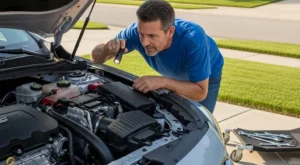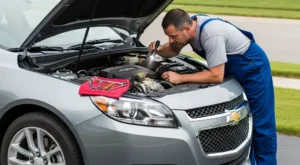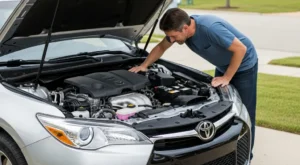

- 1. Why Your Automatic Transmission Is Shifting Hard
- 2. Common Symptoms of Hard Shifting
- 3. Main Causes of Hard Shifts in Automatic Transmissions
- 3.1. 1. Low, Old, or Incorrect Transmission Fluid
- 3.2. 2. Failing Shift Solenoids or Pressure Control Solenoid
- 3.3. 3. Transmission Control Module (TCM) or Software Problems
- 3.4. 4. Worn Clutches, Bands, or Internal Transmission Damage
- 3.5. 5. Engine Performance Problems Affecting Shift Quality
- 3.6. 6. Worn Engine or Transmission Mounts
- 3.7. 7. Driveline Issues (CV Joints, U-Joints, Differentials)
- 4. How to Diagnose Hard Shifts at Home
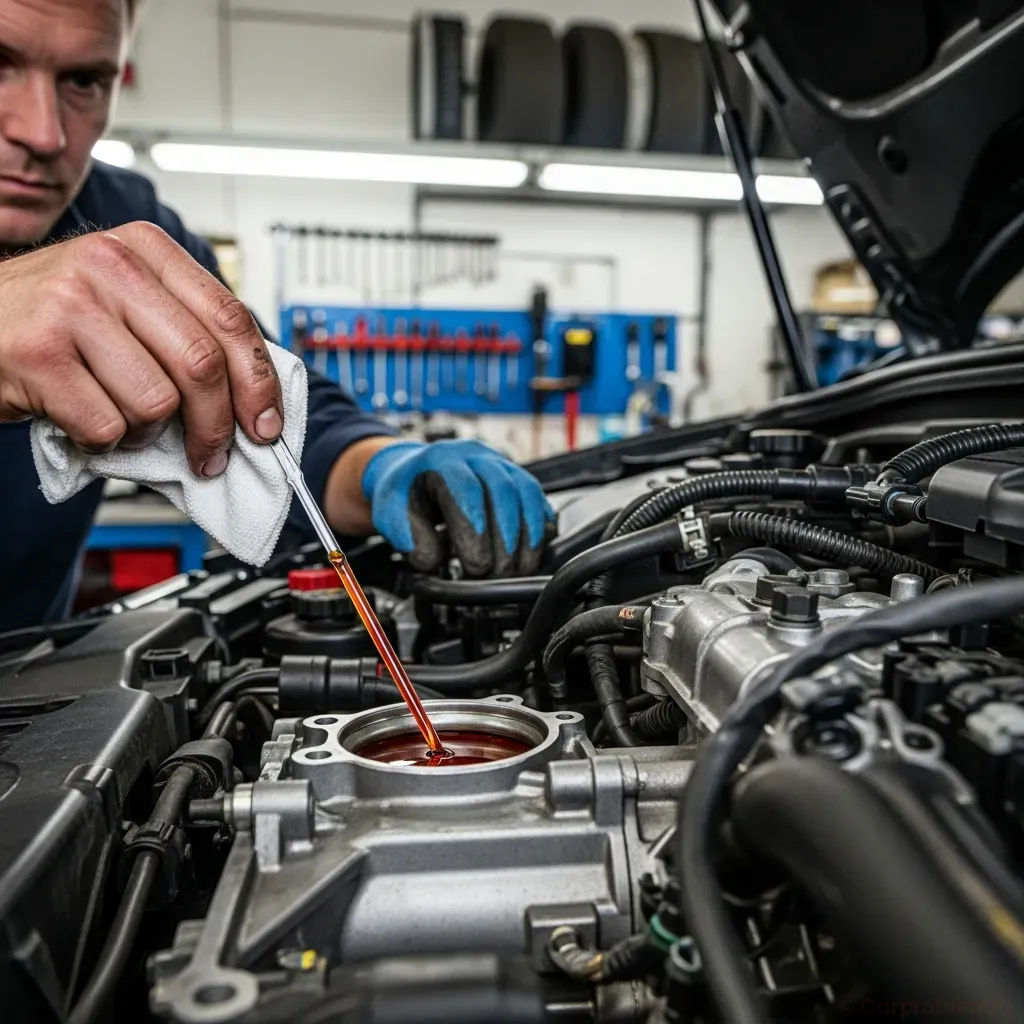
- 4.1. Step 1: Check Transmission Fluid Level and Condition
- 4.2. Step 2: Scan for Diagnostic Trouble Codes
- 4.3. Step 3: Road Test and Note When Hard Shifts Occur
- 4.4. Step 4: Inspect Mounts and Driveline
- 5. Fixes for Hard Shifts (From Simple to Complex)
- 5.1. 1. Correct Fluid Level and Type
- 5.2. 2. Reset Adaptive Shift Learning
- 5.3. 3. Replace Faulty Shift or Pressure Control Solenoids
- 5.4. 4. Address Engine Performance Issues
- 5.5. 5. Replace Worn Engine/Transmission Mounts
- 5.6. 6. Repair Driveline Components
- 5.7. 7. Internal Transmission Repair or Rebuild
- 6. When It’s Safe to Drive and When to Stop Immediately
- 6.1. Usually Safe to Drive Short-Term (But Don’t Ignore It)
- 6.2. Stop Driving and Seek Immediate Help If:
- 7. Preventing Hard Shifts in the Future
Why Your Automatic Transmission Is Shifting Hard
When an automatic transmission is working properly, gear changes should feel smooth and almost unnoticeable. If your car bangs into gear, lurches forward on upshifts, or clunks when it downshifts, you’re dealing with hard shifts. Ignoring this problem can quickly turn a drivable car into one that needs a full transmission rebuild.
This guide explains the most common causes of hard shifts, how to diagnose them at home, and what it typically costs to fix them before you end up stranded with a failed transmission.

Common Symptoms of Hard Shifting
Hard shifts can feel slightly different depending on the cause, but most drivers notice one or more of these symptoms:
- Harsh engagement into Drive or Reverse – a noticeable jolt or bang when shifting out of Park.
- Jerking or lurching between gears – especially on 1–2 or 2–3 upshifts at light throttle.
- Clunking noise on shifts – often felt through the floor or heard from under the car.
- Delayed shift followed by a hard bang – the engine revs, then the gear engages suddenly.
- Downshifts that feel like braking – the car slows abruptly when it downshifts.
- Check engine or transmission warning light – stored codes related to shift solenoids or pressure.
Hard shifting isn’t just annoying. Every harsh engagement stresses clutches, bands, mounts, and driveline components. Fixing the underlying cause early is far cheaper than replacing a burned-up transmission later.
Main Causes of Hard Shifts in Automatic Transmissions
1. Low, Old, or Incorrect Transmission Fluid
Transmission fluid is the lifeblood of an automatic gearbox. It provides hydraulic pressure, lubrication, and cooling. Problems with fluid are the most common and most fixable cause of hard shifts.
- Low fluid level – causes low hydraulic pressure, delayed engagement, and harsh shifts when pressure suddenly builds.
- Burnt or degraded fluid – loses its ability to lubricate and maintain consistent pressure, leading to rough, inconsistent shifts.
- Wrong fluid type – using a generic ATF instead of the manufacturer-specified fluid can change friction characteristics and cause harsh shifting or shudder.
If your fluid is dark brown, smells burnt, or is low on the dipstick, address that before chasing more complex issues. Even if you’ve recently serviced the transmission, double-check the fluid type and level—mistakes happen.
2. Failing Shift Solenoids or Pressure Control Solenoid
Modern automatics use electronic solenoids to control shift timing and line pressure. When one of these solenoids sticks, fails electrically, or gets clogged with debris, the transmission can slam into gear or delay shifts.
- Shift solenoids – control which gear is selected.
- Pressure control (or EPC) solenoid – regulates hydraulic pressure throughout the transmission.
Common signs of solenoid issues include:
- Harsh shifts at specific speeds or in specific gears.
- Erratic shifting that improves after a restart.
- Diagnostic trouble codes (DTCs) for shift solenoid performance or pressure control.
Because solenoids are commanded by the engine computer, you’ll often see a check engine light and stored OBD2 codes when they misbehave. If you’re already familiar with issues like OBD2 Code P0300, the diagnostic process for transmission codes will feel similar—scan, interpret, and test.
3. Transmission Control Module (TCM) or Software Problems
Most late-model vehicles use a dedicated Transmission Control Module or integrate transmission logic into the engine computer. The TCM decides when and how firmly to shift based on throttle position, load, speed, and more.
Problems that can cause hard shifts include:
- Corrupted TCM software – sometimes fixed by a dealer reflash or update.
- Failed TCM – internal failure or water intrusion causing erratic shift commands.
- Adaptive shift memory issues – the transmission “learns” your driving style; a dead battery or partial reset can make shifts harsh until it relearns.
In these cases, the transmission’s internal hardware may be fine, but it’s being commanded to shift too aggressively or at the wrong time.
4. Worn Clutches, Bands, or Internal Transmission Damage
Inside an automatic transmission, gear changes are made by applying and releasing clutch packs and bands. Over time, these friction materials wear out, especially if the transmission has been overheated or run with bad fluid.
Internal wear can cause:
- Delayed engagement followed by a hard bang as the clutch finally grabs.
- Harsh downshifts if the transmission struggles to release or apply clutches smoothly.
- Combination of hard shifts and slipping (engine revs flare between gears).
Once internal damage is significant, fixes usually involve a rebuild or replacement. That’s why it’s critical to address fluid issues and solenoid problems early—those are the things that help prevent internal wear.
5. Engine Performance Problems Affecting Shift Quality
It’s easy to blame the transmission for every jerk or lurch, but engine problems can mimic hard shifts. The transmission relies on accurate engine torque and speed information to time gear changes. If the engine is misfiring, bogging, or surging, shifts can feel harsh or abrupt.
Engine-related issues that can cause or exaggerate hard shifts include:
- Misfires under load.
- Uneven power delivery due to fuel or ignition problems.
- Throttle body or accelerator pedal sensor issues.
If you also notice symptoms like hesitation, jerking on acceleration, or rough running, you may want to review engine-related diagnostics such as car jerks when accelerating in addition to transmission checks.
6. Worn Engine or Transmission Mounts
Mounts hold the engine and transmission in place while isolating vibration. When they’re worn or broken, normal shifts can feel like harsh bangs because the entire drivetrain moves excessively.
Signs of bad mounts include:
- Thump or clunk when shifting from Park to Drive or Reverse.
- Engine movement visible when revving in gear with the hood open.
- Vibration or knocking under acceleration or deceleration.
In these cases, the transmission may be shifting correctly; the harshness is simply being transmitted into the cabin because the mounts can’t absorb it.
7. Driveline Issues (CV Joints, U-Joints, Differentials)
Sometimes what feels like a hard shift is actually slack in the driveline being taken up suddenly. Worn components can cause a clunk or jolt when the transmission changes torque direction.
- Worn CV joints in front-wheel-drive or AWD vehicles.
- Loose or worn U-joints on driveshafts in rear-wheel-drive trucks and SUVs.
- Excessive backlash in the differential.
If you feel clunks not only on shifts but also when getting on and off the throttle, a driveline inspection is essential.
How to Diagnose Hard Shifts at Home
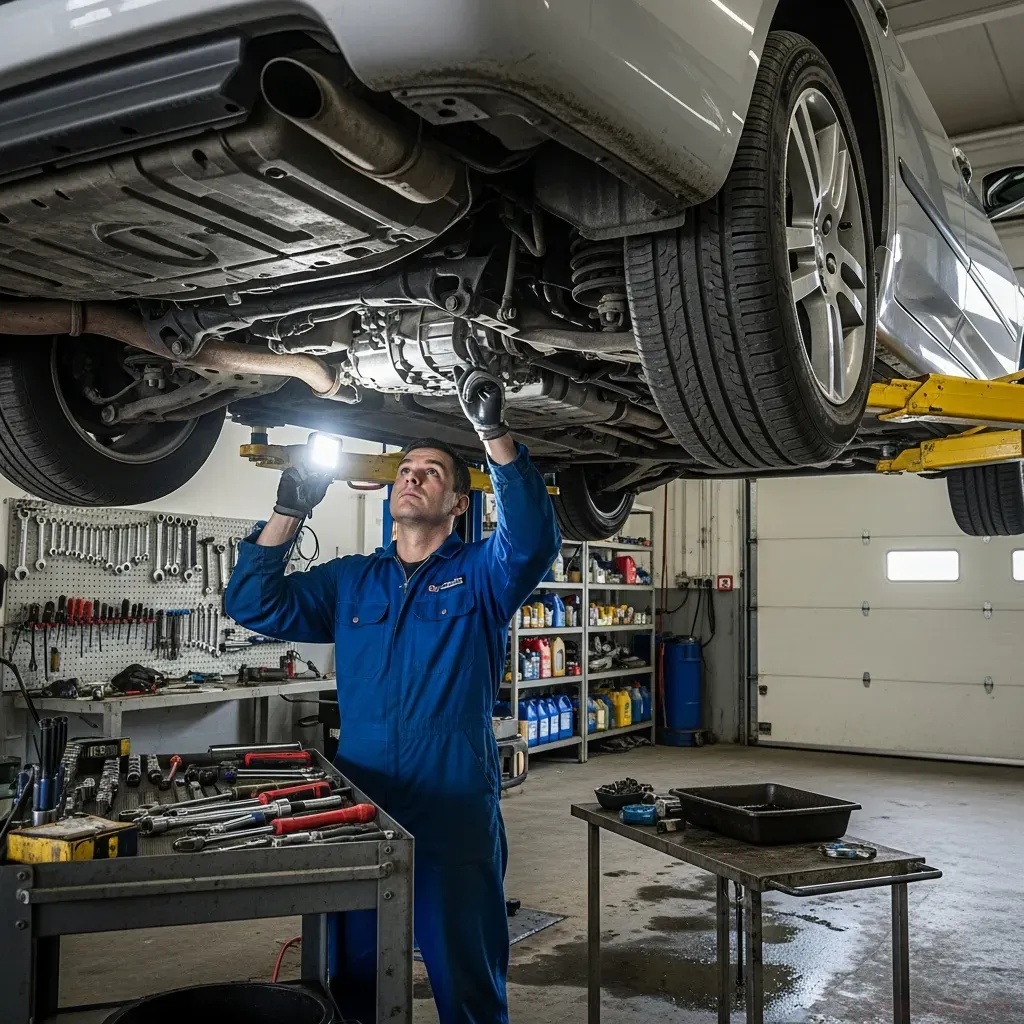
You can narrow down the cause of hard shifts with some basic checks before heading to a shop.
Step 1: Check Transmission Fluid Level and Condition
- Warm the vehicle up fully with a short drive.
- Park on level ground, set the parking brake, and leave the engine idling (unless your manual says otherwise).
- Pull the transmission dipstick (if equipped), wipe, reinsert, and check the level.
Inspect the fluid:
- Color – healthy fluid is usually red or pink. Dark brown or black indicates overheating and wear.
- Smell – burnt smell is a red flag.
- Debris – metallic flakes or heavy sludge suggest internal damage.
If the fluid is low, top it up with the correct ATF and recheck shift quality. If it’s badly burnt, a fluid and filter change may help, but on very high-mileage transmissions, a full flush can sometimes make things worse by dislodging debris. In those cases, a conservative drain-and-fill approach is safer.
Step 2: Scan for Diagnostic Trouble Codes
Use an OBD2 scanner to check for stored codes in both the engine and transmission modules. You may find:
- Shift solenoid performance codes.
- Pressure control solenoid codes.
- Gear ratio errors (indicating slipping or internal issues).
- Engine misfire or throttle-related codes that can affect shift quality.
Even if your check engine light isn’t on, there may be pending codes. Understanding how to interpret these is similar to diagnosing misfire codes like P0300—you’re looking for patterns and related systems.
Step 3: Road Test and Note When Hard Shifts Occur
During a controlled test drive, pay attention to:
- Which gears are harsh (1–2, 2–3, 3–4, etc.).
- Throttle position – light throttle vs. heavy acceleration.
- Engine temperature – only when cold, only when hot, or both.
- Other symptoms – jerking, surging, or white smoke from the exhaust (which may indicate engine issues; see white smoke from exhaust but car runs fine for more).
Consistent harshness in specific gears often points to solenoid or internal clutch problems, while random harshness suggests electronic or engine-related issues.
Step 4: Inspect Mounts and Driveline
With the car safely parked and the hood open:
- Have a helper shift from Park to Reverse and Drive with their foot firmly on the brake.
- Watch the engine movement. Excessive rocking indicates worn mounts.
Underneath the vehicle (with proper jack stands and safety precautions):
- Check CV boots for tears and joints for play.
- Inspect driveshaft U-joints for looseness or rust-colored dust.
Fixes for Hard Shifts (From Simple to Complex)
1. Correct Fluid Level and Type
Difficulty: Easy
Typical cost: $20–$80 DIY, $100–$250 at a shop
Actions:
- Top off low fluid with the exact ATF specified in your owner’s manual.
- If fluid is old or burnt, perform a drain-and-fill and replace the filter (if serviceable).
Sometimes, restoring proper fluid level and condition is enough to dramatically improve shift quality, especially if caught early.
2. Reset Adaptive Shift Learning
Difficulty: Easy to moderate
Typical cost: Often free or minimal diagnostic fee
Many transmissions adapt to driving style and wear. After repairs or a battery disconnect, the learned values can cause harsh shifts until the system relearns. Some vehicles allow a manual reset via a specific procedure; others require a scan tool.
A shop can perform an adaptive reset and then complete a drive cycle to retrain the transmission, often smoothing out shifts without replacing parts.
3. Replace Faulty Shift or Pressure Control Solenoids
Difficulty: Moderate
Typical cost: $150–$600 depending on vehicle and labor
If diagnostics and codes point to a specific solenoid, replacement can restore normal shift operation. On some transmissions, solenoids are accessible by removing the pan; on others, the valve body must be removed, increasing labor cost.
4. Address Engine Performance Issues
Difficulty: Varies
Typical cost: $50–$800+ depending on cause
If you’re experiencing jerking, hesitation, or misfires along with hard shifts, fix the engine problem first. That may involve:
- Replacing spark plugs or ignition coils.
- Cleaning or replacing the throttle body.
- Fixing fuel delivery issues.
Once the engine delivers smooth, predictable power, the transmission can shift more smoothly as well. For a deeper dive into drivability issues that can feel like transmission problems, see car jerks when accelerating.
5. Replace Worn Engine/Transmission Mounts
Difficulty: Moderate
Typical cost: $200–$700 depending on number of mounts and access
New mounts can dramatically reduce the perceived harshness of shifts by limiting drivetrain movement and absorbing shock. This is especially common on older vehicles where rubber mounts have hardened or torn.
6. Repair Driveline Components
Difficulty: Moderate to advanced
Typical cost: $250–$1,000+ depending on parts
Fixing worn CV joints, U-joints, or differential backlash will reduce clunks and jolts when the transmission changes torque. While this doesn’t change the transmission’s internal behavior, it often transforms how shifts feel.
7. Internal Transmission Repair or Rebuild
Difficulty: Professional only
Typical cost: $1,800–$4,500+ depending on vehicle and damage
If fluid is burnt, there’s heavy metallic debris in the pan, and diagnostics point to internal clutch or band failure, a rebuild or replacement is usually the only lasting fix. Symptoms at this stage often include a combination of hard shifts, slipping, and delayed engagement.
While expensive, continuing to drive with severe internal damage can lead to complete failure, leaving you stranded and potentially increasing collateral damage to other components.
When It’s Safe to Drive and When to Stop Immediately
Usually Safe to Drive Short-Term (But Don’t Ignore It)
- Mildly firm shifts with no slipping or delay.
- No warning lights and clean, properly filled fluid.
- No burning smell or overheating.
In these cases, schedule diagnosis soon, but you can typically commute carefully while planning repairs.
Stop Driving and Seek Immediate Help If:
- Shifts are violently harsh or the car lurches dangerously.
- You experience slipping (engine revs rise but speed doesn’t increase).
- There’s a strong burning smell from the transmission area.
- The transmission is overheating or a transmission temperature warning appears.
- Fluid is black with metallic particles.
Driving in these conditions can quickly turn a repairable transmission into a total loss.
Preventing Hard Shifts in the Future
You can’t change past neglect, but you can protect your transmission going forward:
- Follow fluid change intervals – use the correct ATF and don’t exceed the recommended mileage or time.
- Fix leaks promptly – even slow leaks can drop fluid level enough to cause pressure problems and hard shifts.
- Address engine issues early – misfires, jerking, and overheating all stress the transmission.
- Warm up gently – avoid hard acceleration or towing until the transmission is up to temperature.
- Don’t overload or tow beyond ratings – excessive load overheats fluid and accelerates wear.
Hard shifts are your transmission’s way of asking for attention. Catching the cause early—whether it’s as simple as low fluid or as serious as internal wear—can save you thousands and keep your car shifting smoothly for years.