If your engine revs climb but the car barely accelerates, or your vehicle suddenly changes gears on its own, you may be dealing with a slipping transmission. Transmission slipping is one of the most common and serious transmission problems, and ignoring it can quickly lead to a complete gearbox failure.
- 1. What Is Transmission Slipping?
- 1.1. Common Symptoms of a Slipping Transmission
- 2. Major Causes of Transmission Slipping
- 2.1. 1. Low or Degraded Transmission Fluid
- 2.2. 2. Worn Clutches or Bands (Automatic)
- 2.3. 3. Failing Torque Converter
- 2.4. 4. Faulty Shift Solenoids or Valve Body
- 2.5. 5. Worn Clutch (Manual Transmission)
- 2.6. 6. Transmission Control Module (TCM) or Sensor Issues
- 3. How to Diagnose a Slipping Transmission at Home
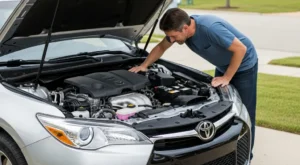
- 3.1. 1. Check Transmission Fluid Level and Condition
- 3.2. 2. Look for Leaks
- 3.3. 3. Perform a Simple Road Test
- 3.4. 4. Scan for Diagnostic Trouble Codes (DTCs)
- 4. Can You Drive With a Slipping Transmission?
- 5. Common Fixes for a Slipping Transmission
- 5.1. 1. Fluid Top-Up or Fluid & Filter Change
- 5.2. 2. Repairing Leaks
- 5.3. 3. Solenoid or Valve Body Repairs
- 5.4. 4. Torque Converter Replacement
- 5.5. 5. Clutch Replacement (Manual)
- 5.6. 6. Complete Transmission Rebuild or Replacement
- 6. Preventing Transmission Slipping
- 7. When to Seek Professional Help
This guide explains what transmission slipping is, the most likely causes, how to diagnose it at home, and what it usually costs to fix. Whether you drive an automatic or manual, catching the problem early can save you thousands of dollars.
What Is Transmission Slipping?
Transmission slipping is when the transmission fails to maintain a solid mechanical connection between the engine and the wheels. Instead of transferring power efficiently, the transmission “slips” under load, so the engine speed increases but vehicle speed doesn’t match.
Common Symptoms of a Slipping Transmission
- Engine revs increase without matching acceleration – You press the gas, RPMs jump, but the car feels weak or slow.
- Delayed or harsh gear engagement – A noticeable delay when shifting from Park to Drive, or a bang/clunk when it finally engages.
- Unexpected upshifts or downshifts – The transmission changes gears on its own at the wrong time.
- Shuddering or slipping under load – The car feels like it’s “surging” or briefly losing power on hills or during passing.
- High RPM at highway speeds – The engine runs at unusually high RPM for a given speed, as if it’s stuck in a lower gear.
- Burning smell from transmission area – Overheated fluid and clutches can produce a burnt, acrid odor.
- Transmission warning light or check engine light – Modern vehicles often log transmission-related fault codes.
Slipping can be intermittent at first. Many drivers notice it only on hills or during hard acceleration. That’s the best time to act—before the internal clutches and bands are completely burned up.
Major Causes of Transmission Slipping
While the exact cause depends on whether you have an automatic, CVT, or manual transmission, most slipping issues come down to one of three things: fluid problems, worn friction components, or control system faults.
1. Low or Degraded Transmission Fluid
Transmission fluid is not just a lubricant; it also provides hydraulic pressure to apply clutches and bands in an automatic transmission. If the fluid level is low or the fluid is badly degraded, the transmission can’t maintain pressure and will slip.
- Low fluid level – Often caused by a leak at the pan gasket, cooler lines, axle seals, or front pump seal.
- Burnt fluid – Dark brown or black fluid with a burnt smell indicates overheated clutches and internal wear.
- Wrong fluid type – Using the wrong ATF or mixing types can affect friction characteristics and cause slipping.
If you also notice spots under the car, you may want to read about fluid-related issues like oil leaks or cooling problems, and our guide on Battery Light On While Driving can help you understand how charging problems can indirectly contribute to overheating and fluid breakdown.
2. Worn Clutches or Bands (Automatic)
Inside an automatic transmission, multiple clutch packs and bands engage and release to select different gear ratios. Over time, the friction material on these components wears down.
- Normal wear and tear – High mileage, heavy towing, or aggressive driving accelerates clutch wear.
- Overheating – Heat is the enemy of automatic transmissions; overheated fluid can glaze or burn clutch material.
- Contaminated fluid – Metal shavings and clutch material circulating in the fluid accelerate internal damage.
Once the friction material is gone, the transmission will slip even if the fluid level and pressure are correct. At that point, a rebuild or replacement is usually required.
3. Failing Torque Converter
The torque converter connects the engine to the transmission in an automatic. It uses fluid coupling to transfer power and contains its own internal clutch (the lock-up clutch).
- Worn lock-up clutch – Causes slipping at highway speeds when the converter should be locked.
- Damaged stator or turbine – Reduces torque multiplication and can cause sluggish acceleration and slipping.
- Internal bearing failure – Can send metal debris through the transmission, causing widespread damage.
A failing torque converter often causes shuddering around 40–60 mph, along with slipping and sometimes a whining noise from the transmission area.
4. Faulty Shift Solenoids or Valve Body
Modern automatic transmissions rely on electronically controlled solenoids that direct fluid through the valve body to apply specific clutches. If these components fail or stick, the transmission may not apply enough pressure to hold a gear.
- Stuck or weak shift solenoid – Causes delayed engagement, harsh shifts, or slipping between gears.
- Worn valve body – Internal wear or debris can cause pressure leaks and erratic shifting.
- Dirty fluid passages – Sludge and debris restrict flow, reducing clutch apply pressure.
These issues often trigger diagnostic trouble codes (DTCs) and may illuminate the check engine light or a dedicated transmission warning light.
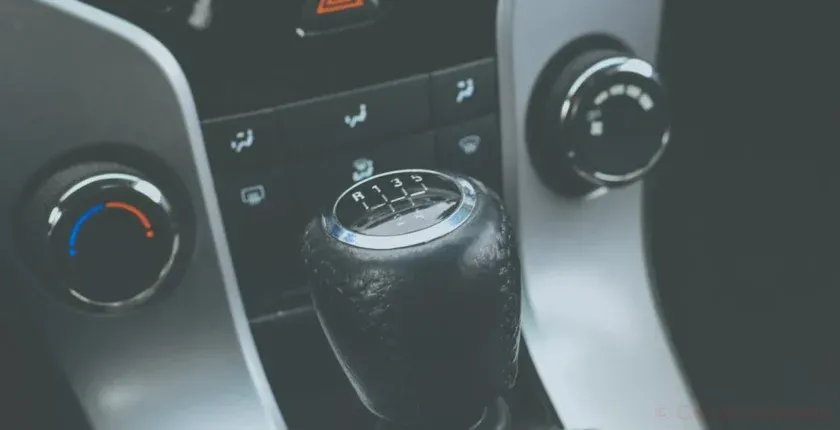
5. Worn Clutch (Manual Transmission)
In a manual transmission, the most common cause of slipping is a worn clutch disc. When the friction material is thin or contaminated with oil, the clutch can’t grip the flywheel and pressure plate properly.
- High mileage or aggressive driving – Repeated hard launches or towing can wear the clutch quickly.
- Riding the clutch pedal – Resting your foot on the pedal partially disengages the clutch and causes premature wear.
- Oil contamination – A leaking rear main seal or transmission input shaft seal can soak the clutch disc.
Manual clutch slipping is usually most noticeable in higher gears under heavy load, such as accelerating hard in 4th or 5th gear.
6. Transmission Control Module (TCM) or Sensor Issues
The TCM uses information from various sensors to decide when and how firmly to shift. If the TCM or a critical sensor fails, the transmission may slip or shift erratically.
- Faulty input or output speed sensors – The TCM may misjudge slip and apply incorrect pressure.
- Bad throttle position or accelerator pedal sensor – The transmission may think you’re accelerating gently when you’re actually demanding power.
- Software glitches – Some vehicles require TCM updates or reprogramming to correct shifting issues.
Because these issues are electronic, they often coexist with other drivability problems. If the car eventually refuses to move or start, you may also need to consider broader electrical issues like those covered in our guide on Car Won’t Start But Battery Is Good.
How to Diagnose a Slipping Transmission at Home
While complex internal issues require a professional, you can perform several basic checks yourself to narrow down the cause.
1. Check Transmission Fluid Level and Condition
Always follow your owner’s manual for the correct procedure; some vehicles must be checked with the engine running and at operating temperature.
- Locate the dipstick (if equipped) – Many newer vehicles have sealed transmissions without a traditional dipstick.
- Check level – Fluid should be within the marked range. Low fluid can directly cause slipping.
- Inspect color and smell:
- Healthy fluid: bright red or pink, slightly sweet smell.
- Worn fluid: dark brown, slight burnt odor.
- Severely burnt: black, strong burnt smell, possibly with visible debris.
If the fluid is very dark or smells burnt, slipping has likely been happening for some time and internal damage may already be present.
2. Look for Leaks
- Inspect under the car after it has been parked for a while.
- Check around the transmission pan, cooler lines, and where the axles enter the transmission.
- Transmission fluid is usually red or brown and slick to the touch.
Persistent leaks can quickly drop fluid below safe levels, leading to slipping and overheating.
3. Perform a Simple Road Test
On a safe, open road:
- From a stop, accelerate moderately and watch the tachometer. The RPM should rise smoothly as the car accelerates; if RPM jumps but speed doesn’t, that’s slip.
- At 40–60 mph, maintain steady throttle. Feel for shuddering or surging that may indicate torque converter or clutch problems.
- Note any delayed engagement when shifting from Park to Drive or Reverse.
Document when the slipping occurs (cold vs hot, uphill vs flat, specific gears). This information helps a technician pinpoint the issue.
4. Scan for Diagnostic Trouble Codes (DTCs)
A basic OBD-II scanner can reveal transmission-related codes, even if the check engine light is not flashing. Look for codes related to:
- Shift solenoids (e.g., P07xx series).
- Transmission fluid pressure.
- Input/output speed sensors.
- Torque converter clutch performance.
Codes don’t always mean a major failure; sometimes a faulty sensor or solenoid is the root cause and can be repaired without a full rebuild.
Can You Drive With a Slipping Transmission?
Driving with a slipping transmission is risky and usually a bad idea. Every time the transmission slips, it generates heat and wears the clutches further. That can quickly turn a minor issue into a complete transmission failure.
- Short, gentle trips – If slipping is mild and you must drive, avoid heavy acceleration, towing, or steep hills.
- Stop if symptoms worsen – If the car stops moving, revs flare constantly, or you smell burning, pull over and arrange a tow.
- Overheating risk – Severe slipping can overheat fluid, potentially leading to smoke from the exhaust or underhood area. If you ever notice white smoke from the exhaust, investigate immediately—it may indicate other serious issues.
In many cases, the cost of a tow is far less than the extra damage caused by driving on a slipping transmission.
Common Fixes for a Slipping Transmission
The correct repair depends entirely on the cause. Here are the most common fixes and what you can expect.
1. Fluid Top-Up or Fluid & Filter Change
If the transmission is slipping due to low or moderately degraded fluid and there’s no significant internal damage yet, a fluid service may help.
- Top-up only – If the fluid is otherwise healthy and you’ve found and fixed a small leak.
- Drain and fill with filter replacement – Replaces a portion of the old fluid and the filter; safer than a full flush on high-mileage units.
- Cost – Typically $100–$300 at a shop, depending on fluid type and labor rates.
Note: If the fluid is severely burnt and full of debris, a simple fluid change will not fix worn clutches. In some cases, fresh fluid can even reveal existing slip more clearly because it’s thinner and less contaminated.
2. Repairing Leaks
Stopping fluid loss is essential to prevent future slipping.
- Pan gasket replacement – Common and relatively inexpensive.
- Cooler line repair – May involve replacing rubber hoses or metal lines.
- Axle or input shaft seals – More labor-intensive, often requiring partial disassembly.
- Cost – Ranges from $150 for simple gasket jobs to $600+ for more involved seal replacements.
3. Solenoid or Valve Body Repairs
If diagnostics point to a faulty shift solenoid or valve body issue, targeted repairs may restore proper pressure and eliminate slipping.
- Single solenoid replacement – Often accessible with the pan removed.
- Valve body cleaning or replacement – May require removal and specialized service.
- Cost – Typically $250–$900 depending on parts and labor.
These repairs are most effective when slipping is mild and caught early.
4. Torque Converter Replacement
A failing torque converter usually requires removal of the transmission to replace it.
- Symptoms – Shudder at cruising speeds, slipping in lock-up, possible metal contamination.
- Repair – Replace the torque converter; often combined with a fluid service and inspection of the transmission.
- Cost – Commonly $800–$2,000 depending on vehicle and labor time.
5. Clutch Replacement (Manual)
For manual transmissions, a slipping clutch is usually resolved with a clutch kit replacement.
- Includes – New clutch disc, pressure plate, release bearing, and often resurfacing or replacement of the flywheel.
- Cost – Typically $600–$1,500 depending on vehicle and whether the flywheel needs replacement.
If oil contamination caused the clutch to slip, the underlying seal leak must also be repaired.
6. Complete Transmission Rebuild or Replacement
If the transmission has been slipping for a long time, internal clutches, bands, and other components may be too worn for simple repairs.
- Rebuild – The transmission is disassembled, worn parts are replaced, and it’s reassembled to factory specs.
- Remanufactured unit – A professionally rebuilt transmission with updated parts and a warranty is installed.
- Used transmission – Cheaper upfront but riskier; unknown history and shorter warranty.
- Cost – Often $2,000–$5,000+ installed, depending on vehicle and transmission type.
While expensive, a quality rebuild or remanufactured unit can extend the life of your vehicle for many more years.
Preventing Transmission Slipping
Preventive maintenance is far cheaper than repairing a damaged transmission. A few habits and regular checks can significantly reduce your risk of slipping.
- Follow the manufacturer’s service schedule – Change transmission fluid and filter at the recommended intervals, especially if you tow or drive in heavy traffic.
- Use the correct fluid – Always use the exact fluid type specified in your owner’s manual.
- Install an auxiliary cooler if you tow – Extra cooling helps protect the transmission from heat-related damage.
- Avoid aggressive launches – Hard acceleration and burnouts dramatically increase clutch wear.
- Address warning signs early – Any new slipping, shuddering, or delayed engagement should be inspected promptly.
- Keep the engine and cooling system healthy – Overheating the engine can also overheat the transmission. If you notice charging or overheating issues, resources like our Battery Light On While Driving guide can help you catch problems before they affect the transmission.
When to Seek Professional Help
If you’ve checked the fluid, looked for leaks, and confirmed that slipping is occurring under load, it’s time to consult a professional transmission shop or trusted mechanic.
- Go to a specialist – Transmission specialists have the tools and experience to diagnose hydraulic and internal issues accurately.
- Ask for a detailed estimate – A good shop will explain which components are failing and why they recommend a particular repair.
- Consider warranty and long-term value – A cheaper fix isn’t always better if it comes with no warranty or doesn’t address the root cause.
Transmission slipping doesn’t fix itself. The sooner you identify and repair the cause, the better your chances of avoiding a complete transmission replacement and keeping your vehicle on the road reliably.