- 1. 1. Incorrect Wheel Alignment (Most Common Cause)
- 1.0.1. Symptoms
- 1.0.2. Diagnosis
- 1.0.3. Fix
- 1.0.4. Cost
- 2. 2. Uneven Tire Pressure
- 2.0.1. Symptoms
- 2.0.2. Diagnosis
- 2.0.3. Fix
- 2.0.4. Cost
- 3. 3. Worn or Damaged Suspension Components
- 3.0.1. Common faulty components
- 3.0.2. Symptoms
- 3.0.3. Fix
- 3.0.4. Cost
- 4. 4. Brake Problems (Caliper Sticking)
- 4.0.1. Symptoms
- 4.0.2. Diagnosis
- 4.0.3. Fix
- 4.0.4. Cost
- 5. 5. Uneven or Damaged Tires
- 5.0.1. Common tire issues
- 5.0.2. Symptoms
- 5.0.3. Fix
- 5.0.4. Cost
- 6. 6. Torque Steer (Front-Wheel-Drive Cars)
- 6.0.1. Symptoms
- 6.0.2. Causes
- 6.0.3. Fix
- 6.0.4. Cost
- 7. 7. Steering System Problems
- 7.0.1. Common failures
- 7.0.2. Symptoms
- 7.0.3. Fix
- 7.0.4. Cost
- 8. 8. Road Crown Effect (Normal but Misleading)
- 8.0.1. Diagnosis
- 9. 9. Car Pulls After Tire Rotation or Replacement
- 9.0.1. Fix
- 10. Diagnosis Summary Table
- 11. When to See a Mechanic Immediately
- 12. Conclusion
If your car pulls to the left or right while driving, it’s more than just an annoyance—it’s a sign that something is out of alignment, out of balance, or failing mechanically. A vehicle should maintain a straight, stable path under normal conditions. When it doesn’t, the underlying issue can affect safety, tire wear, braking performance and long-term vehicle reliability.
This guide covers every possible cause, how to diagnose them, and what fixes are required. Written in a clean, professional format, it’s suited for both beginner drivers and experienced DIY enthusiasts.


1. Incorrect Wheel Alignment (Most Common Cause)
Wheel alignment determines the angle of your tires relative to the road and the vehicle’s frame. When the alignment is off, the car naturally drifts to one side.
Symptoms
Car drifts left or right on a straight road
Steering wheel is not centered
Tires wear unevenly
Steering feels lighter or heavier than usual
Diagnosis
Drive on a flat, empty road and lightly loosen your grip
If the car drifts within 2–3 seconds → alignment issue
Check tires for uneven shoulder wear
Fix
A professional wheel alignment.
Cost
$70–$120 depending on shop and vehicle type.
2. Uneven Tire Pressure
A difference as small as 5 PSI between left and right tires can cause pulling.
Symptoms
Car slightly pulls after acceleration
Pulling changes depending on speed
One tire appears lower or worn differently
Diagnosis
Check all tire pressures when cold
Compare left vs. right measurements
Fix
Inflate all tires to manufacturer-recommended PSI.
Cost
Free if done at home or a gas station.
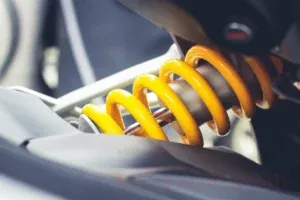
3. Worn or Damaged Suspension Components
Suspension keeps your wheels pressed evenly against the road. When parts wear out, the vehicle becomes unbalanced and pulls to one side.
Common faulty components
Control arm bushings
Tie rod ends
Ball joints
Struts or shocks
Symptoms
Pulling increases when accelerating
Steering feels sloppy or delayed
Clunking noises over bumps
Fix
Replace worn suspension components.
Cost
$150–$700+ depending on which part fails.
4. Brake Problems (Caliper Sticking)
A sticking brake caliper is one of the most dangerous causes of pulling. If a caliper on one side drags, it slows that wheel and yanks the car to that direction.
Symptoms
Strong pull when braking
Burnt smell near the wheel
Excessive heat on one rotor
Reduced fuel efficiency
Diagnosis
After driving, carefully feel (without touching directly) which wheel is hotter
Inspect for uneven brake pad wear
Fix
Clean, lubricate, or replace the caliper
Replace pads and rotors if damaged
Cost
$150–$400 depending on damage.
5. Uneven or Damaged Tires
Tires with irregular tread depth or internal damage can cause the vehicle to pull to one side.
Common tire issues
Tire belt separation
Uneven wear from past alignment issues
Bulges or deformities
Mismatched tire sizes
Symptoms
Pulling changes when rotating tires
Vibrations at certain speeds
Tire noise resembling humming
Fix
Replace the damaged tire(s).
Cost
$80–$200 per tire.
6. Torque Steer (Front-Wheel-Drive Cars)
High-powered FWD vehicles often pull under hard acceleration due to uneven distribution of engine torque.
Symptoms
Pulls only under acceleration
Steering wheel jerks when starting
Pulling direction changes with throttle input
Causes
Worn engine mounts
Uneven driveshaft lengths
Weak suspension components
Fix
Replace worn mounts
Correct suspension issues
Inspect driveshafts
Cost
$150–$500 depending on root cause.

7. Steering System Problems
If your steering components are worn, loose or damaged, the vehicle may drift even on flat roads.
Common failures
Worn steering rack bushings
Loose tie rods
Power steering imbalance
Symptoms
Steering wheel does not return to center
Pulling becomes worse over bumps
Steering play or looseness
Fix
Replace steering components.
Cost
$150–$600+.
8. Road Crown Effect (Normal but Misleading)
Most roads are slightly sloped for drainage. On highly crowned roads, a slight pull is normal.
Diagnosis
Try multiple roads
If pulling disappears on a flat surface → this is normal
No repair needed.
9. Car Pulls After Tire Rotation or Replacement
If the car pulls right after service, the shop may have installed:
mismatched tires
wrong tire rotation pattern
incorrect pressure
Fix
Rebalance and recheck all tires.
Diagnosis Summary Table
| Symptom | Likely Cause |
|---|---|
| Pulls constantly | Alignment issue |
| Pulls when braking | Sticking brake caliper |
| Pulls under acceleration | Torque steer |
| Pulls and vibrates | Tire or suspension issues |
| Pulls sometimes | Uneven tire pressure |
When to See a Mechanic Immediately
You should get urgent help if:
The pulling gets worse quickly
Brake-related pulling is suspected
There is burning smell or heat on a wheel
Steering feels unstable or delayed
Tires show visible deformation
Safety is the top priority—steering or braking issues can lead to loss of control.
Conclusion
A car pulling to one side can be caused by something minor like uneven tire pressure or something dangerous like a sticking brake caliper. By using the steps in this guide, you can narrow down the cause, understand what needs fixing, and decide whether you can handle it yourself or need a mechanic.
Early diagnosis prevents costly repairs and keeps your car driving safely and smoothly.