- 1. Car Overheating While Driving? Causes, Fixes & Repair Costs
- 2. 🔥 What Does It Mean When Your Car Overheats?
- 3. Main Reasons Why Your Car Overheats While Driving
- 3.1. 1. Low Coolant Level
- 3.2. 2. Radiator Problems
- 3.3. 3. Faulty Thermostat
- 3.4. 4. Radiator Fan Failure
- 3.5. 5. Water Pump Failure
- 3.6. 6. Blown Head Gasket (Severe Case)
- 4. 🔧 What To Do Immediately If Your Car Overheats While Driving
- 4.1. 1. Turn Off the AC
- 4.2. 2. Turn On the Heater
- 4.3. 3. Pull Over Immediately
- 4.4. 4. Do NOT Open the Radiator Cap
- 4.5. 5. Check Coolant Level After Cooling
- 5. Symptoms That Indicate Serious Overheating Trouble
- 6. 🧰 Diagnosis Checklist: Why Your Car Is Overheating
- 7. 💰 Repair Cost Breakdown
- 8. 🛠️ When You Should NOT Drive the Vehicle
- 9. ✔️ Conclusion
Car Overheating While Driving? Causes, Fixes & Repair Costs
Few car problems are as stressful—and potentially dangerous—as an overheating engine while driving. When the temperature gauge climbs into the red or steam starts rising from the hood, quick action becomes essential. Overheating can cause severe engine damage within minutes, including blown head gaskets, warped cylinders, and complete engine failure.
This guide explains why your car overheats, the symptoms to watch for, how to cool the engine safely, and the repair costs you can expect.
🔥 What Does It Mean When Your Car Overheats?
Overheating occurs when the engine temperature exceeds safe operating limits. This typically results from poor cooling, low coolant levels, mechanical failures, or electrical malfunctions.
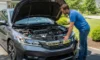
Common signs include:
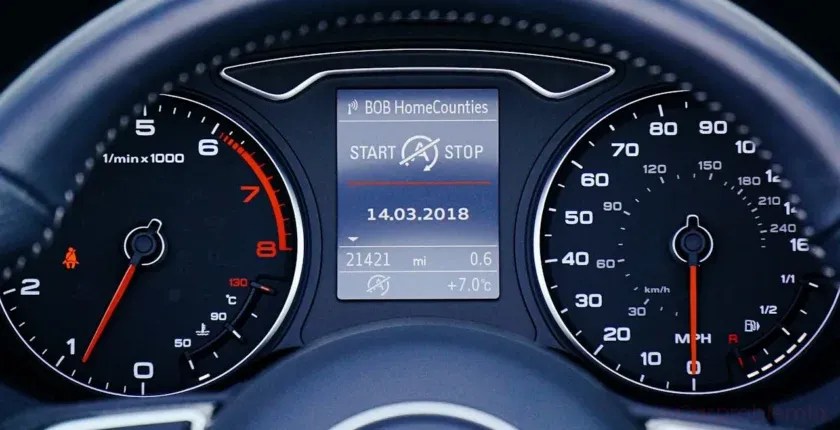
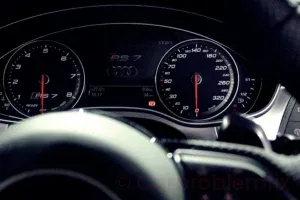
Temperature gauge entering the red zone
Steam/smoke from under the hood
Loss of engine power
Strange smells (burning coolant or oil)
Main Reasons Why Your Car Overheats While Driving
Below are the most frequent causes, explained in simple terms:
1. Low Coolant Level
Coolant circulates through the engine to keep its temperature regulated. If the level drops, the engine quickly overheats.
Common causes:
Coolant leaks
Evaporation over time
Faulty reservoir cap
Fix: Refill coolant, inspect for leaks.
Cost:
Coolant refill: $20–$50
Leak repair: $80–$200
2. Radiator Problems
A damaged, blocked, or inefficient radiator cannot cool hot engine coolant.
Possible issues:
Internal clogs
Damaged fins
Broken radiator fan
Fix: Flush or replace radiator.
Cost:
Radiator flush: $70–$120
Radiator replacement: $300–$900
3. Faulty Thermostat
The thermostat controls coolant flow. When it gets stuck closed, coolant can’t circulate, causing rapid overheating.
Symptoms:
Engine warms up abnormally fast
Heater not blowing warm air
Fix: Replace thermostat.
Cost: $100–$250
4. Radiator Fan Failure
The radiator fan keeps the engine cool when the car isn’t moving much. If it fails, temperatures skyrocket during traffic or low speeds.
Causes:
Blown fuse
Fan motor failure
Faulty fan relay
Cost:
Fuse: $10–$20
Fan replacement: $200–$500
5. Water Pump Failure
The water pump circulates coolant. When it fails, overheating happens almost instantly.
Symptoms:
Coolant leaks from pump
Whining noise
Engine temp spikes suddenly
Cost: $300–$800
6. Blown Head Gasket (Severe Case)
This is the worst-case scenario.
Signs include:
White exhaust smoke
Milky oil
Rapid overheating
Coolant loss
Cost: $800–$2,500
🔧 What To Do Immediately If Your Car Overheats While Driving
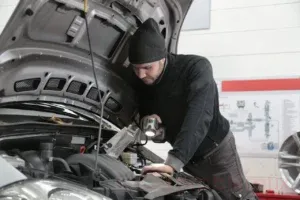
Avoid permanent engine damage by following these steps:
1. Turn Off the AC
It reduces engine load.
2. Turn On the Heater
This pulls heat away from the engine into the cabin.
3. Pull Over Immediately
Driving overheated even 2–3 minutes can warp the engine.
4. Do NOT Open the Radiator Cap
Open only when the engine is completely cool.
5. Check Coolant Level After Cooling
Top up only when safe.
Symptoms That Indicate Serious Overheating Trouble
Steam coming from hood
Sweet smell of coolant
Engine knocking or ticking
Temperature doesn’t drop even after stopping
Car stalls or loses power
If ANY of these happen → Do NOT drive.
🧰 Diagnosis Checklist: Why Your Car Is Overheating
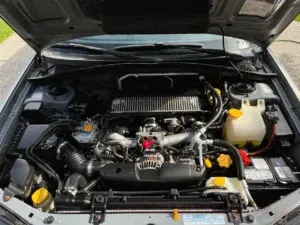
Mechanics usually check:
Coolant level & leaks
Thermostat operation
Radiator efficiency
Radiator fan behavior
Water pump flow
Hoses & pressure system
Head gasket integrity test
💰 Repair Cost Breakdown
| Issue | Estimated Cost |
|---|---|
| Coolant Refill | $20–$50 |
| Leak Repair | $80–$200 |
| Radiator Flush | $70–$120 |
| Radiator Replacement | $300–$900 |
| Thermostat | $100–$250 |
| Water Pump | $300–$800 |
| Head Gasket | $800–$2,500 |
🛠️ When You Should NOT Drive the Vehicle
Do NOT drive when:
Temperature gauge is in the red
Steam is present
Coolant drops instantly
Engine makes loud knocking sounds
Driving overheated causes thousands of dollars in damage.
✔️ Conclusion
A car overheating while driving is a serious warning that shouldn’t be ignored. Whether it’s something simple like a low coolant level or a more serious mechanical failure, acting quickly prevents major engine damage and costly repairs.
By understanding the causes, symptoms, and fixes, you can make informed decisions and keep your vehicle running safely.